
Cancer remains a formidable public health challenge globally, and the United States is no exception. While genetics and lifestyle factors are well-known contributors, the role of oncogenic viruses in cancer development is increasingly understood. These viruses, through various mechanisms, can transform healthy cells into cancerous ones, leading to a significant portion of the cancer burden. Understanding the regional distribution and prevalence of virus-driven cancers across the U.S. is crucial for targeted public health interventions, resource allocation, and the development of effective prevention and treatment strategies. This comprehensive analysis delves into the intricate patterns of how viruses drive disease, examining key viral agents and their associated malignancies, and highlighting disparities that exist across different states and demographic groups. By leveraging regional cancer data USA, we aim to uncover critical virus oncology trends that can inform future healthcare statistics and public health mapping efforts.
हिन्दी में: कैंसर विश्व स्तर पर एक दुर्जेय सार्वजनिक स्वास्थ्य चुनौती बना हुआ है, और संयुक्त राज्य अमेरिका भी इसका अपवाद नहीं है। जबकि आनुवंशिकी और जीवनशैली कारक ज्ञात योगदानकर्ता हैं, कैंसर के विकास में ऑन्कोजेनिक वायरस की भूमिका को तेजी से समझा जा रहा है। ये वायरस, विभिन्न तंत्रों के माध्यम से, स्वस्थ कोशिकाओं को कैंसरग्रस्त कोशिकाओं में बदल सकते हैं, जिससे कैंसर के बोझ का एक महत्वपूर्ण हिस्सा बनता है। पूरे अमेरिका में वायरस-प्रेरित कैंसर के क्षेत्रीय वितरण और प्रसार को समझना लक्षित सार्वजनिक स्वास्थ्य हस्तक्षेपों, संसाधन आवंटन और प्रभावी रोकथाम तथा उपचार रणनीतियों के विकास के लिए महत्वपूर्ण है। यह व्यापक विश्लेषण इस बात पर गहराई से विचार करता है कि वायरस कैसे रोग को बढ़ावा देते हैं, प्रमुख वायरल एजेंटों और उनके संबंधित घातक रोगों की जांच करते हैं, और विभिन्न राज्यों तथा जनसांख्यिकीय समूहों में मौजूद असमानताओं को उजागर करते हैं। अमेरिका के क्षेत्रीय कैंसर डेटा का लाभ उठाकर, हमारा लक्ष्य महत्वपूर्ण वायरस ऑन्कोलॉजी रुझानों को उजागर करना है जो भविष्य के स्वास्थ्य सेवा आँकड़ों और सार्वजनिक स्वास्थ्य मानचित्रण प्रयासों को सूचित कर सकते हैं।
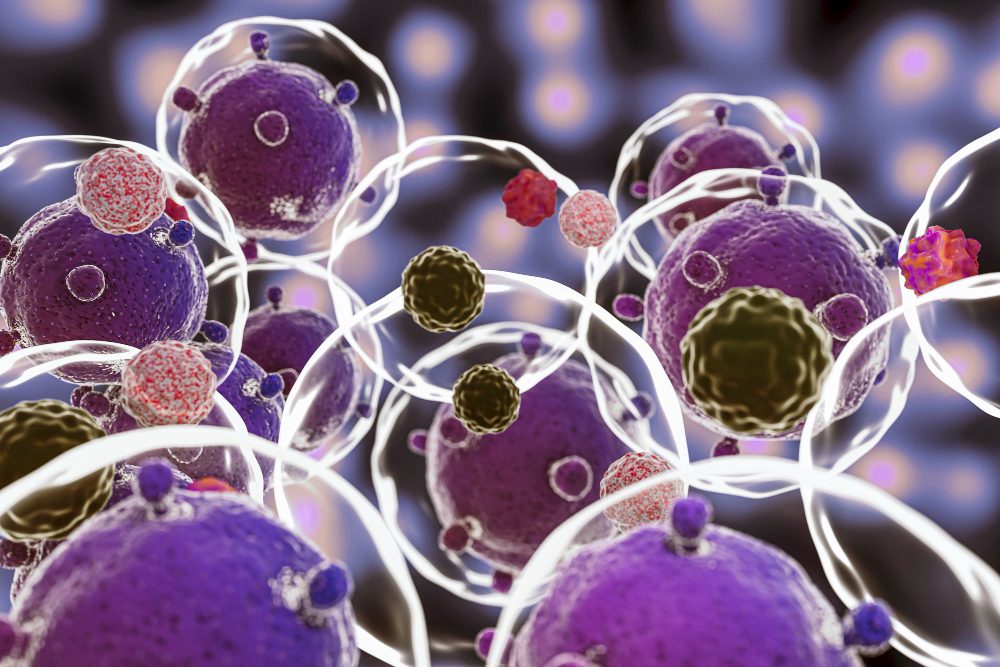
Viruses are responsible for an estimated 10-15% of all human cancers worldwide, a figure that varies significantly by region and specific viral prevalence. In the U.S., the most prominent oncogenic viruses include Human Papillomavirus (HPV), Hepatitis B and C viruses (HBV and HCV), Epstein-Barr Virus (EBV), Human Herpesvirus 8 (HHV-8), and Human T-cell Lymphotropic Virus Type 1 (HTLV-1). Each of these viruses is linked to specific types of cancer, and their incidence often correlates with public health mapping of viral exposure and associated risk factors. Analyzing regional cancer data USA reveals distinct patterns that are influenced by a myriad of factors, including population density, healthcare access, vaccination rates, and socio-economic determinants. Understanding these virus oncology trends is paramount for epidemiologists and public health officials.
हिन्दी में: दुनिया भर में सभी मानव कैंसरों में से अनुमानित 10-15% के लिए वायरस जिम्मेदार हैं, यह आंकड़ा क्षेत्र और विशिष्ट वायरल प्रसार के अनुसार काफी भिन्न होता है। अमेरिका में, सबसे प्रमुख ऑन्कोजेनिक वायरस में ह्यूमन पैपिलोमावायरस (एचपीवी), हेपेटाइटिस बी और सी वायरस (एचबीवी और एचसीवी), एपस्टीन-बार वायरस (ईबीवी), ह्यूमन हर्पीसवायरस 8 (एचएचवी-8), और ह्यूमन टी-सेल लिम्फोट्रोपिक वायरस टाइप 1 (एचटीएलवी-1) शामिल हैं। इनमें से प्रत्येक वायरस विशिष्ट प्रकार के कैंसर से जुड़ा है, और उनकी घटना अक्सर वायरल जोखिम और संबंधित जोखिम कारकों के सार्वजनिक स्वास्थ्य मानचित्रण से संबंधित होती है। अमेरिका के क्षेत्रीय कैंसर डेटा का विश्लेषण करने से विशिष्ट पैटर्न सामने आते हैं जो जनसंख्या घनत्व, स्वास्थ्य सेवा तक पहुंच, टीकाकरण दरों और सामाजिक-आर्थिक निर्धारकों सहित कई कारकों से प्रभावित होते हैं। इन वायरस ऑन्कोलॉजी रुझानों को समझना महामारी विज्ञानियों और सार्वजनिक स्वास्थ्य अधिकारियों के लिए सर्वोपरि है।
Human Papillomavirus (HPV) is the leading cause of cervical, anal, oropharyngeal, vaginal, vulvar, and penile cancers. While HPV infections are common, persistent infection with high-risk HPV types can lead to cancer. In the U.S., regional cancer data USA indicates significant disparities in cervical cancer incidence and mortality, often reflecting variations in HPV clusters and screening rates. States with lower socioeconomic status, rural areas, and certain minority populations tend to have higher rates of HPV-associated cancers. For instance, data suggests that areas in the Southern U.S., particularly Appalachia and parts of the Mississippi Delta, exhibit higher cervical cancer burdens. This is often attributed to lower rates of HPV vaccination uptake, limited access to regular Pap tests, and inadequate follow-up for abnormal screening results. Deep Science Network emphasizes the importance of understanding these regional nuances to implement targeted vaccination campaigns and improve access to preventative healthcare statistics.
हिन्दी में: ह्यूमन पैपिलोमावायरस (एचपीवी) गर्भाशय ग्रीवा, गुदा, ऑरोफरीन्जियल, योनि, वल्वर और लिंग के कैंसर का प्रमुख कारण है। जबकि एचपीवी संक्रमण आम हैं, उच्च जोखिम वाले एचपीवी प्रकारों के साथ लगातार संक्रमण कैंसर का कारण बन सकता है। अमेरिका में, अमेरिका का क्षेत्रीय कैंसर डेटा गर्भाशय ग्रीवा के कैंसर की घटनाओं और मृत्यु दर में महत्वपूर्ण असमानताओं को इंगित करता है, जो अक्सर एचपीवी क्लस्टर और स्क्रीनिंग दरों में भिन्नता को दर्शाता है। निम्न सामाजिक-आर्थिक स्थिति वाले राज्यों, ग्रामीण क्षेत्रों और कुछ अल्पसंख्यक आबादी में एचपीवी-संबंधित कैंसर की दर अधिक होती है। उदाहरण के लिए, डेटा बताता है कि दक्षिणी अमेरिका के क्षेत्रों, विशेष रूप से अपलाचिया और मिसिसिपी डेल्टा के कुछ हिस्सों में, गर्भाशय ग्रीवा के कैंसर का बोझ अधिक है। इसका श्रेय अक्सर एचपीवी टीकाकरण की कम दरों, नियमित पैप परीक्षणों तक सीमित पहुंच और असामान्य स्क्रीनिंग परिणामों के लिए अपर्याप्त अनुवर्ती कार्रवाई को दिया जाता है। डीप साइंस नेटवर्क इन क्षेत्रीय बारीकियों को समझने के महत्व पर जोर देता है ताकि लक्षित टीकाकरण अभियान लागू किए जा सकें और निवारक स्वास्थ्य सेवा आँकड़ों तक पहुंच में सुधार किया जा सके।
Epstein-Barr Virus (EBV) is a ubiquitous human herpesvirus that infects over 90% of the global population. While most infections are asymptomatic, EBV is strongly linked to several malignancies, including Burkitt lymphoma, Hodgkin lymphoma, nasopharyngeal carcinoma (NPC), and certain gastric cancers. The geographical distribution of these EBV-associated cancers varies significantly. In the U.S., while Burkitt lymphoma is relatively rare, its incidence can show regional variations, sometimes linked to co-factors like malaria in endemic regions (though less prominent in the U.S. context compared to Africa). Nasopharyngeal carcinoma, though uncommon in most of the U.S., shows higher incidence among certain Asian American populations, reflecting genetic predispositions and early-life EBV exposure patterns. Understanding EBV prevalence and its interplay with genetic and environmental factors is a key area of virus oncology trends research for Deep Science Ethics. Public health mapping of EBV-related diseases can help identify high-risk communities.
हिन्दी में: एपस्टीन-बार वायरस (ईबीवी) एक सर्वव्यापी मानव हर्पीसवायरस है जो वैश्विक आबादी के 90% से अधिक को संक्रमित करता है। जबकि अधिकांश संक्रमण स्पर्शोन्मुख होते हैं, ईबीवी कई घातक बीमारियों से दृढ़ता से जुड़ा हुआ है, जिसमें बर्किट लिंफोमा, हॉजकिन लिंफोमा, नासोफेरींजियल कार्सिनोमा (एनपीसी), और कुछ गैस्ट्रिक कैंसर शामिल हैं। इन ईबीवी-संबंधित कैंसर का भौगोलिक वितरण काफी भिन्न होता है। अमेरिका में, जबकि बर्किट लिंफोमा अपेक्षाकृत दुर्लभ है, इसकी घटना क्षेत्रीय भिन्नताएं दिखा सकती है, कभी-कभी स्थानिक क्षेत्रों में मलेरिया जैसे सह-कारक से जुड़ी होती है (हालांकि अफ्रीका की तुलना में अमेरिकी संदर्भ में कम प्रमुख)। नासोफेरींजियल कार्सिनोमा, हालांकि अमेरिका के अधिकांश हिस्सों में असामान्य है, कुछ एशियाई अमेरिकी आबादी के बीच उच्च घटना दिखाता है, जो आनुवंशिक प्रवृत्तियों और प्रारंभिक जीवन में ईबीवी जोखिम पैटर्न को दर्शाता है। ईबीवी के प्रसार और आनुवंशिक तथा पर्यावरणीय कारकों के साथ इसके परस्पर क्रिया को समझना डीप साइंस एथिक्स के लिए वायरस ऑन्कोलॉजी रुझानों के अनुसंधान का एक प्रमुख क्षेत्र है। ईबीवी-संबंधित बीमारियों का सार्वजनिक स्वास्थ्य मानचित्रण उच्च जोखिम वाले समुदायों की पहचान करने में मदद कर सकता है।
Chronic infections with Hepatitis B Virus (HBV) and Hepatitis C Virus (HCV) are the primary causes of hepatocellular carcinoma (HCC), the most common type of liver cancer. The distribution of HBV and HCV infections, and consequently HCC, varies significantly across the U.S. Historically, areas with higher rates of intravenous drug use have seen elevated HCV prevalence, leading to subsequent increases in HCC. Similarly, regions with higher immigrant populations from HBV-endemic countries may show higher rates of chronic HBV infection. Regional cancer data USA highlights states like California, New York, and Florida, which have diverse populations, as areas with a higher burden of viral hepatitis-related liver cancers. Effective screening programs, antiviral treatments, and HBV vaccination are critical public health interventions. Deep Science Research Hub actively monitors these healthcare statistics to identify emerging hotspots and guide prevention efforts, focusing on reducing the overall impact of these virus oncology trends.
हिन्दी में: हेपेटाइटिस बी वायरस (एचबीवी) और हेपेटाइटिस सी वायरस (एचसीवी) के साथ पुराने संक्रमण हेपेटोसेलुलर कार्सिनोमा (एचसीसी) के प्राथमिक कारण हैं, जो लिवर कैंसर का सबसे आम प्रकार है। एचबीवी और एचसीवी संक्रमणों का वितरण, और परिणामस्वरूप एचसीसी, पूरे अमेरिका में काफी भिन्न होता है। ऐतिहासिक रूप से, अंतःशिरा दवा के उपयोग की उच्च दर वाले क्षेत्रों में एचसीवी का प्रसार बढ़ा है, जिससे एचसीसी में बाद में वृद्धि हुई है। इसी तरह, एचबीवी-स्थानिक देशों से उच्च आप्रवासी आबादी वाले क्षेत्रों में पुराने एचबीवी संक्रमण की उच्च दर दिखाई दे सकती है। अमेरिका का क्षेत्रीय कैंसर डेटा कैलिफोर्निया, न्यूयॉर्क और फ्लोरिडा जैसे राज्यों को उजागर करता है, जिनकी विविध आबादी है, जो वायरल हेपेटाइटिस-संबंधित लिवर कैंसर के उच्च बोझ वाले क्षेत्र हैं। प्रभावी स्क्रीनिंग कार्यक्रम, एंटीवायरल उपचार और एचबीवी टीकाकरण महत्वपूर्ण सार्वजनिक स्वास्थ्य हस्तक्षेप हैं। डीप साइंस रिसर्च हब इन स्वास्थ्य सेवा आँकड़ों की सक्रिय रूप से निगरानी करता है ताकि उभरते हुए हॉटस्पॉट की पहचान की जा सके और रोकथाम प्रयासों का मार्गदर्शन किया जा सके, इन वायरस ऑन्कोलॉजी रुझानों के समग्र प्रभाव को कम करने पर ध्यान केंद्रित किया जा सके।
Beyond HPV, EBV, HBV, and HCV, other viruses also contribute to the cancer landscape in the U.S., albeit with lower overall incidence or more specific regional patterns. Human Herpesvirus 8 (HHV-8), also known as Kaposi's Sarcoma-Associated Herpesvirus (KSHV), is the causative agent of Kaposi's Sarcoma, a cancer that primarily affects individuals with compromised immune systems, such as those with HIV/AIDS. The regional distribution of Kaposi's Sarcoma often mirrors the epidemiology of HIV/AIDS. Similarly, Human T-cell Lymphotropic Virus Type 1 (HTLV-1) is linked to Adult T-cell Leukemia/Lymphoma (ATLL). While HTLV-1 is endemic in certain global regions, in the U.S., clusters are primarily observed in specific immigrant populations. These less common virus oncology trends still warrant attention in regional cancer data USA analysis, as they represent unique public health mapping challenges and opportunities for targeted screening and prevention within specific communities. Deep Science Ethics advocates for comprehensive surveillance of all oncogenic viruses.
हिन्दी में: एचपीवी, ईबीवी, एचबीवी और एचसीवी के अलावा, अन्य वायरस भी अमेरिका में कैंसर के परिदृश्य में योगदान करते हैं, हालांकि कुल मिलाकर कम घटनाओं या अधिक विशिष्ट क्षेत्रीय पैटर्न के साथ। ह्यूमन हर्पीसवायरस 8 (एचएचवी-8), जिसे कपोसी सार्कोमा-एसोसिएटेड हर्पीसवायरस (केएसएचवी) के रूप में भी जाना जाता है, कपोसी सार्कोमा का कारक एजेंट है, एक कैंसर जो मुख्य रूप से कमजोर प्रतिरक्षा प्रणाली वाले व्यक्तियों को प्रभावित करता है, जैसे कि एचआईवी/एड्स वाले लोग। कपोसी सार्कोमा का क्षेत्रीय वितरण अक्सर एचआईवी/एड्स के महामारी विज्ञान को दर्शाता है। इसी तरह, ह्यूमन टी-सेल लिम्फोट्रोपिक वायरस टाइप 1 (एचटीएलवी-1) एडल्ट टी-सेल ल्यूकेमिया/लिम्फोमा (एटीएलएल) से जुड़ा है। जबकि एचटीएलवी-1 कुछ वैश्विक क्षेत्रों में स्थानिक है, अमेरिका में, क्लस्टर मुख्य रूप से विशिष्ट आप्रवासी आबादी में देखे जाते हैं। ये कम सामान्य वायरस ऑन्कोलॉजी रुझान अभी भी अमेरिका के क्षेत्रीय कैंसर डेटा विश्लेषण में ध्यान देने योग्य हैं, क्योंकि वे विशिष्ट समुदायों के भीतर लक्षित स्क्रीनिंग और रोकथाम के लिए अद्वितीय सार्वजनिक स्वास्थ्य मानचित्रण चुनौतियों और अवसरों का प्रतिनिधित्व करते हैं। डीप साइंस एथिक्स सभी ऑन्कोजेनिक वायरस की व्यापक निगरानी की वकालत करता है।
The insights derived from analyzing regional cancer data USA are invaluable for public health planning. Identifying HPV clusters, areas with high EBV prevalence, or hotspots for viral hepatitis-related cancers allows for the strategic deployment of resources. Prevention strategies are multifaceted, including vaccination programs (e.g., HPV, HBV), improved screening initiatives (e.g., cervical cancer screening, HCV screening for at-risk populations), and public awareness campaigns about viral transmission and risk reduction. For instance, increasing HPV vaccination rates, particularly in underserved rural areas, can significantly reduce future cervical and other HPV-associated cancer burdens. Deep Science Network and Deep Science Research Hub are committed to supporting initiatives that translate these healthcare statistics into actionable public health policies, fostering a proactive approach to viral oncology trends. Education on safe practices and early detection is paramount.
हिन्दी में: अमेरिका के क्षेत्रीय कैंसर डेटा का विश्लेषण करने से प्राप्त अंतर्दृष्टि सार्वजनिक स्वास्थ्य योजना के लिए अमूल्य हैं। एचपीवी क्लस्टर, उच्च ईबीवी प्रसार वाले क्षेत्रों, या वायरल हेपेटाइटिस-संबंधित कैंसर के हॉटस्पॉट की पहचान संसाधनों की रणनीतिक तैनाती की अनुमति देती है। रोकथाम रणनीतियाँ बहुआयामी हैं, जिनमें टीकाकरण कार्यक्रम (जैसे, एचपीवी, एचबीवी), बेहतर स्क्रीनिंग पहल (जैसे, गर्भाशय ग्रीवा कैंसर स्क्रीनिंग, जोखिम वाली आबादी के लिए एचसीवी स्क्रीनिंग), और वायरल संचरण तथा जोखिम में कमी के बारे में सार्वजनिक जागरूकता अभियान शामिल हैं। उदाहरण के लिए, एचपीवी टीकाकरण दरों में वृद्धि, विशेष रूप से ग्रामीण क्षेत्रों में, भविष्य में गर्भाशय ग्रीवा और अन्य एचपीवी-संबंधित कैंसर के बोझ को काफी कम कर सकती है। डीप साइंस नेटवर्क और डीप साइंस रिसर्च हब उन पहलों का समर्थन करने के लिए प्रतिबद्ध हैं जो इन स्वास्थ्य सेवा आँकड़ों को कार्रवाई योग्य सार्वजनिक स्वास्थ्य नीतियों में बदलती हैं, जिससे वायरल ऑन्कोलॉजी रुझानों के प्रति एक सक्रिय दृष्टिकोण को बढ़ावा मिलता है। सुरक्षित प्रथाओं और शीघ्र पता लगाने पर शिक्षा सर्वोपरि है।
At the forefront of understanding and combating virus-driven cancers, organizations like Deep Science Network play a pivotal role. Through rigorous Deep Science Research Hub initiatives, we contribute to the collection and analysis of comprehensive regional cancer data USA. Our work extends to identifying subtle virus oncology trends that might otherwise be overlooked, providing critical insights into the epidemiology and pathogenesis of these diseases. Deep Science Ethics guides our research, ensuring that all data collection and analysis are conducted with the highest standards of integrity and privacy. By collaborating with healthcare providers, academic institutions, and public health agencies, we aim to translate complex healthcare statistics into accessible knowledge and actionable strategies. Our commitment is to foster a deeper understanding of how viruses contribute to cancer, ultimately paving the way for more effective prevention, diagnosis, and treatment modalities across the nation.
हिन्दी में: वायरस-प्रेरित कैंसर को समझने और उनसे लड़ने में सबसे आगे, डीप साइंस नेटवर्क जैसे संगठन एक महत्वपूर्ण भूमिका निभाते हैं। कठोर डीप साइंस रिसर्च हब पहलों के माध्यम से, हम व्यापक अमेरिका के क्षेत्रीय कैंसर डेटा के संग्रह और विश्लेषण में योगदान करते हैं। हमारा काम सूक्ष्म वायरस ऑन्कोलॉजी रुझानों की पहचान करने तक फैला हुआ है जिन्हें अन्यथा अनदेखा किया जा सकता है, इन बीमारियों के महामारी विज्ञान और विकृति विज्ञान में महत्वपूर्ण अंतर्दृष्टि प्रदान करता है। डीप साइंस एथिक्स हमारे शोध का मार्गदर्शन करता है, यह सुनिश्चित करता है कि सभी डेटा संग्रह और विश्लेषण उच्चतम अखंडता और गोपनीयता मानकों के साथ किए जाते हैं। स्वास्थ्य सेवा प्रदाताओं, शैक्षणिक संस्थानों और सार्वजनिक स्वास्थ्य एजेंसियों के साथ सहयोग करके, हमारा लक्ष्य जटिल स्वास्थ्य सेवा आँकड़ों को सुलभ ज्ञान और कार्रवाई योग्य रणनीतियों में बदलना है। हमारी प्रतिबद्धता यह है कि वायरस कैंसर में कैसे योगदान करते हैं, इसकी गहरी समझ को बढ़ावा दिया जाए, अंततः पूरे देश में अधिक प्रभावी रोकथाम, निदान और उपचार के तरीकों का मार्ग प्रशस्त किया जाए।
The regional trends in virus-driven cancers across the U.S. underscore the need for integrated, data-driven public health efforts. From targeted vaccination campaigns to enhanced screening programs and robust public health mapping, a comprehensive approach is essential to mitigate the burden of these preventable cancers. Continuous monitoring of regional cancer data USA and evolving virus oncology trends is vital for adapting strategies to changing epidemiological landscapes. By prioritizing research, promoting public awareness, and ensuring equitable access to healthcare statistics and interventions, we can collectively work towards a future where the impact of virus-driven cancers is significantly reduced. The insights provided by Deep Science Network are crucial in this ongoing battle, guiding policy and practice towards better health outcomes for all Americans.
हिन्दी में: पूरे अमेरिका में वायरस-प्रेरित कैंसर में क्षेत्रीय रुझान एकीकृत, डेटा-संचालित सार्वजनिक स्वास्थ्य प्रयासों की आवश्यकता को रेखांकित करते हैं। लक्षित टीकाकरण अभियानों से लेकर उन्नत स्क्रीनिंग कार्यक्रमों और मजबूत सार्वजनिक स्वास्थ्य मानचित्रण तक, इन रोके जा सकने वाले कैंसर के बोझ को कम करने के लिए एक व्यापक दृष्टिकोण आवश्यक है। अमेरिका के क्षेत्रीय कैंसर डेटा और विकसित हो रहे वायरस ऑन्कोलॉजी रुझानों की निरंतर निगरानी बदलती महामारी विज्ञान परिदृश्यों के अनुकूल रणनीतियों के लिए महत्वपूर्ण है। अनुसंधान को प्राथमिकता देकर, सार्वजनिक जागरूकता को बढ़ावा देकर, और स्वास्थ्य सेवा आँकड़ों तथा हस्तक्षेपों तक समान पहुंच सुनिश्चित करके, हम सामूहिक रूप से एक ऐसे भविष्य की दिशा में काम कर सकते हैं जहाँ वायरस-प्रेरित कैंसर का प्रभाव काफी कम हो जाए। डीप साइंस नेटवर्क द्वारा प्रदान की गई अंतर्दृष्टि इस चल रही लड़ाई में महत्वपूर्ण हैं, जो सभी अमेरिकियों के लिए बेहतर स्वास्थ्य परिणामों की दिशा में नीति और व्यवहार का मार्गदर्शन करती हैं।
The most common viruses linked to cancer in the U.S. include Human Papillomavirus (HPV), Hepatitis B and C viruses (HBV and HCV), and Epstein-Barr Virus (EBV). These viruses are responsible for a significant portion of virus-driven cancers like cervical cancer, liver cancer, and certain lymphomas.
हिन्दी में: अमेरिका में कैंसर से जुड़े सबसे आम वायरस में ह्यूमन पैपिलोमावायरस (एचपीवी), हेपेटाइटिस बी और सी वायरस (एचबीवी और एचसीवी), और एपस्टीन-बार वायरस (ईबीवी) शामिल हैं। ये वायरस गर्भाशय ग्रीवा के कैंसर, लिवर कैंसर और कुछ लिम्फोमा जैसे वायरस-प्रेरित कैंसर के एक महत्वपूर्ण हिस्से के लिए जिम्मेदार हैं।
Regional cancer data USA provides insights into geographical variations in cancer incidence and prevalence, allowing researchers and public health officials to identify HPV clusters, areas with high EBV prevalence, or hotspots for viral hepatitis. This data is crucial for public health mapping and for developing targeted prevention and intervention strategies.
हिन्दी में: अमेरिका का क्षेत्रीय कैंसर डेटा कैंसर की घटनाओं और प्रसार में भौगोलिक भिन्नताओं में अंतर्दृष्टि प्रदान करता है, जिससे शोधकर्ताओं और सार्वजनिक स्वास्थ्य अधिकारियों को एचपीवी क्लस्टर, उच्च ईबीवी प्रसार वाले क्षेत्रों, या वायरल हेपेटाइटिस के हॉटस्पॉट की पहचान करने में मदद मिलती है। यह डेटा सार्वजनिक स्वास्थ्य मानचित्रण और लक्षित रोकथाम तथा हस्तक्षेप रणनीतियों को विकसित करने के लिए महत्वपूर्ण है।
Vaccination is a highly effective primary prevention strategy for viruses like HPV and HBV, significantly reducing the risk of associated cancers. Screening programs, such as Pap tests for cervical cancer or HCV screening, enable early detection and treatment, preventing progression to advanced cancer stages. Both are critical components of public health efforts to combat virus oncology trends.
हिन्दी में: एचपीवी और एचबीवी जैसे वायरस के लिए टीकाकरण एक अत्यधिक प्रभावी प्राथमिक रोकथाम रणनीति है, जो संबंधित कैंसर के जोखिम को काफी कम करती है। गर्भाशय ग्रीवा के कैंसर के लिए पैप परीक्षण या एचसीवी स्क्रीनिंग जैसे स्क्रीनिंग कार्यक्रम, शीघ्र पता लगाने और उपचार को सक्षम करते हैं, जिससे कैंसर के उन्नत चरणों में बढ़ने से रोका जा सकता है। दोनों वायरस ऑन्कोलॉजी रुझानों से निपटने के लिए सार्वजनिक स्वास्थ्य प्रयासों के महत्वपूर्ण घटक हैं।
Deep Science Network, through its Deep Science Research Hub and adherence to Deep Science Ethics, contributes by collecting and analyzing regional cancer data USA, identifying virus oncology trends, and translating complex healthcare statistics into actionable insights. We collaborate with various stakeholders to advance understanding, prevention, and treatment strategies for virus-driven cancers.
हिन्दी में: डीप साइंस नेटवर्क, अपने डीप साइंस रिसर्च हब और डीप साइंस एथिक्स के पालन के माध्यम से, अमेरिका के क्षेत्रीय कैंसर डेटा को इकट्ठा और विश्लेषण करके, वायरस ऑन्कोलॉजी रुझानों की पहचान करके, और जटिल स्वास्थ्य सेवा आँकड़ों को कार्रवाई योग्य अंतर्दृष्टि में बदलकर योगदान देता है। हम वायरस-प्रेरित कैंसर के लिए समझ, रोकथाम और उपचार रणनीतियों को आगे बढ़ाने के लिए विभिन्न हितधारकों के साथ सहयोग करते हैं।