
In the evolving landscape of oncology, understanding the intricate relationship between viral infections and cancer development is paramount. For clinicians across the United States, a comprehensive clinical guide viral oncology is essential to navigate the complexities of diagnosis, treatment, and patient management. This article serves as a vital resource, equipping healthcare professionals with practical approaches for effective virus cancer treatment USA, drawing on the latest research and established protocols. We delve into the specific viruses implicated in oncogenesis, explore current diagnostic methodologies, and review cutting-edge therapies, alongside insightful case reviews to enhance clinical decision-making. The burden of virus-induced cancers in the U.S. necessitates a specialized understanding, and this guide aims to bridge that knowledge gap, offering actionable insights for improved patient outcomes.
हिन्दी में: ऑन्कोलॉजी के विकसित होते परिदृश्य में, वायरल संक्रमण और कैंसर के विकास के बीच जटिल संबंध को समझना अत्यंत महत्वपूर्ण है। संयुक्त राज्य अमेरिका के चिकित्सकों के लिए, निदान, उपचार और रोगी प्रबंधन की जटिलताओं को समझने के लिए एक व्यापक क्लिनिकल गाइड वायरल ऑन्कोलॉजी आवश्यक है। यह लेख नवीनतम शोध और स्थापित प्रोटोकॉल के आधार पर, प्रभावी वायरस कैंसर उपचार यूएसए के लिए व्यावहारिक दृष्टिकोण के साथ स्वास्थ्य पेशेवरों को सशक्त बनाने वाला एक महत्वपूर्ण संसाधन है। हम ऑन्कोजेनेसिस में शामिल विशिष्ट वायरसों पर गहराई से विचार करेंगे, वर्तमान नैदानिक पद्धतियों का पता लगाएंगे, और नैदानिक निर्णय लेने में सुधार के लिए अंतर्दृष्टिपूर्ण केस समीक्षाओं के साथ अत्याधुनिक चिकित्साओं की समीक्षा करेंगे। यू.एस. में वायरस-प्रेरित कैंसर का बोझ एक विशेष समझ की आवश्यकता को दर्शाता है, और इस मार्गदर्शिका का उद्देश्य उस ज्ञान के अंतर को पाटना है, जो बेहतर रोगी परिणामों के लिए कार्रवाई योग्य अंतर्दृष्टि प्रदान करती है।
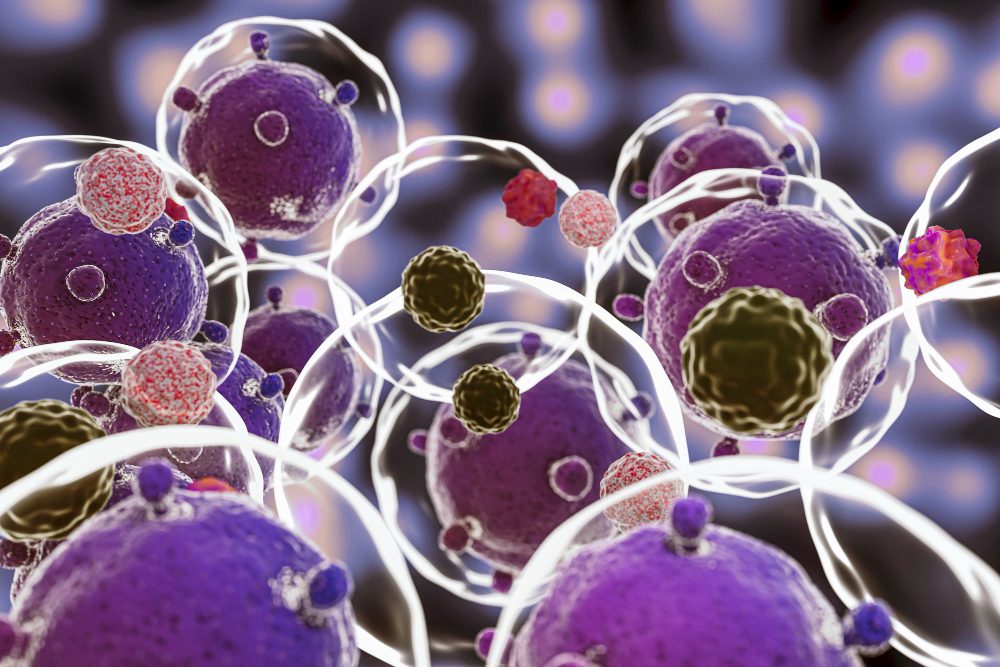
Viruses are responsible for approximately 15-20% of all human cancers globally, a significant proportion that underscores their role in public health. In the U.S., specific viral infections like Human Papillomavirus (HPV), Hepatitis B Virus (HBV), Hepatitis C Virus (HCV), Epstein-Barr Virus (EBV), Human Immunodeficiency Virus (HIV), Human T-cell Lymphotropic Virus Type 1 (HTLV-1), and Merkel Cell Polyomavirus (MCPyV) are significant contributors to the cancer burden. These viruses employ diverse oncogenic mechanisms, including direct integration of viral DNA into the host genome, chronic inflammation leading to cellular damage and repair, immune suppression that allows cancer cells to evade detection, and the expression of viral oncoproteins that disrupt normal cell cycle control. Understanding these intricate mechanisms is the foundational step in developing targeted prevention and treatment protocols. Clinicians must be adept at identifying patients at risk, recognizing the early signs of virus-induced malignancies, and implementing appropriate screening strategies as part of a comprehensive clinical guide viral oncology approach.
हिन्दी में: विश्व स्तर पर सभी मानव कैंसरों में से लगभग 15-20% के लिए वायरस जिम्मेदार हैं, एक महत्वपूर्ण अनुपात जो सार्वजनिक स्वास्थ्य में उनकी भूमिका को रेखांकित करता है। यू.एस. में, ह्यूमन पैपिलोमावायरस (एचपीवी), हेपेटाइटिस बी वायरस (एचबीवी), हेपेटाइटिस सी वायरस (एचसीवी), एपस्टीन-बार वायरस (ईबीवी), ह्यूमन इम्यूनोडेफिशिएंसी वायरस (एचआईवी), ह्यूमन टी-सेल लिम्फोट्रोपिक वायरस टाइप 1 (एचटीएलवी-1), और मर्केल सेल पॉलीओमावायरस (MCPyV) जैसे विशिष्ट वायरल संक्रमण कैंसर के बोझ में महत्वपूर्ण योगदानकर्ता हैं। ये वायरस विभिन्न ऑन्कोजेनिक तंत्रों का उपयोग करते हैं, जिनमें मेजबान जीनोम में वायरल डीएनए का सीधा एकीकरण, सेलुलर क्षति और मरम्मत के कारण पुरानी सूजन, प्रतिरक्षा दमन जो कैंसर कोशिकाओं को पता लगाने से बचने की अनुमति देता है, और वायरल ऑन्कोप्रोटीन की अभिव्यक्ति जो सामान्य कोशिका चक्र नियंत्रण को बाधित करती है। इन जटिल तंत्रों को समझना लक्षित रोकथाम और उपचार प्रोटोकॉल विकसित करने का मूलभूत कदम है। चिकित्सकों को जोखिम वाले रोगियों की पहचान करने, वायरस-प्रेरित दुर्दमताओं के शुरुआती लक्षणों को पहचानने और एक व्यापक क्लिनिकल गाइड वायरल ऑन्कोलॉजी दृष्टिकोण के हिस्से के रूप में उचित स्क्रीनिंग रणनीतियों को लागू करने में निपुण होना चाहिए।
HPV is unequivocally the most common viral cause of cancer, primarily linked to cervical, anal, oropharyngeal, vaginal, vulvar, and penile cancers. High-risk HPV types (e.g., HPV-16, HPV-18) integrate their DNA into host cells, leading to the expression of oncogenes E6 and E7, which inactivate tumor suppressor proteins p53 and Rb, respectively. Vaccination remains the cornerstone of primary prevention, with widespread HPV vaccination programs in the U.S. aiming to drastically reduce future incidence. For established cancers, a multi-modal approach is crucial, often involving surgery (e.g., LEEP, conization for cervical lesions), radiation, and chemotherapy. Clinicians follow specific national protocols for screening (Pap tests, HPV co-testing), diagnosis (colposcopy, biopsy), and treatment, emphasizing a multidisciplinary team approach for advanced cases. The evolving landscape of HPV-associated cancer management highlights the need for continuous education and adherence to best practice protocols for effective virus cancer treatment USA.
हिन्दी में: एचपीवी निस्संदेह कैंसर का सबसे आम वायरल कारण है, जो मुख्य रूप से गर्भाशय ग्रीवा, गुदा, ऑरोफेरिंजियल, योनि, योनी और लिंग के कैंसर से जुड़ा है। उच्च जोखिम वाले एचपीवी प्रकार (जैसे एचपीवी-16, एचपीवी-18) अपने डीएनए को मेजबान कोशिकाओं में एकीकृत करते हैं, जिससे ऑन्कोजीन E6 और E7 की अभिव्यक्ति होती है, जो क्रमशः ट्यूमर सप्रेसर प्रोटीन p53 और Rb को निष्क्रिय कर देते हैं। टीकाकरण प्राथमिक रोकथाम का आधार बना हुआ है, जिसमें यू.एस. में व्यापक एचपीवी टीकाकरण कार्यक्रम भविष्य में घटनाओं को नाटकीय रूप से कम करने का लक्ष्य रखते हैं। स्थापित कैंसर के लिए, एक बहु-मॉडल दृष्टिकोण महत्वपूर्ण है, जिसमें अक्सर सर्जरी (जैसे गर्भाशय ग्रीवा के घावों के लिए एलईईपी, कोनाइजेशन), विकिरण और कीमोथेरेपी शामिल होती है। चिकित्सक स्क्रीनिंग (पैप टेस्ट, एचपीवी सह-परीक्षण), निदान (कोल्पोस्कोपी, बायोप्सी), और उपचार के लिए विशिष्ट राष्ट्रीय प्रोटोकॉल का पालन करते हैं, जो उन्नत मामलों के लिए एक बहु-विषयक टीम दृष्टिकोण पर जोर देते हैं। एचपीवी-संबंधित कैंसर प्रबंधन का विकसित होता परिदृश्य प्रभावी वायरस कैंसर उपचार यूएसए के लिए निरंतर शिक्षा और सर्वोत्तम अभ्यास प्रोटोकॉल के पालन की आवश्यकता पर प्रकाश डालता है।
Chronic infections with HBV and HCV are the leading causes of hepatocellular carcinoma (HCC), the most common type of primary liver cancer. These viruses induce chronic inflammation, fibrosis, cirrhosis, and ultimately, malignant transformation of hepatocytes. Effective antiviral therapies for HBV and HCV, such as direct-acting antivirals (DAAs) for HCV and nucleos(t)ide analogues for HBV, have significantly reduced the risk of HCC, emphasizing the critical importance of early diagnosis and treatment of the viral infection itself. For patients who develop HCC, treatment options are guided by tumor staging (e.g., Barcelona Clinic Liver Cancer - BCLC staging) and liver function, ranging from surgical resection and liver transplantation for early-stage disease to locoregional therapies like transarterial chemoembolization (TACE), radioembolization (TARE), and ablation for intermediate stages. Systemic agents, including targeted therapies (e.g., sorafenib, lenvatinib) and immunotherapies (e.g., atezolizumab plus bevacizumab), are utilized for advanced HCC. A comprehensive clinical guide viral oncology approach is critical here, integrating hepatology and oncology expertise.
हिन्दी में: एचबीवी और एचसीवी के साथ दीर्घकालिक संक्रमण हेपेटोसेलुलर कार्सिनोमा (एचसीसी) के प्रमुख कारण हैं, जो प्राथमिक यकृत कैंसर का सबसे आम प्रकार है। ये वायरस दीर्घकालिक सूजन, फाइब्रोसिस, सिरोसिस और अंततः, हेपेटोसाइट्स के घातक परिवर्तन को प्रेरित करते हैं। एचबीवी और एचसीवी के लिए प्रभावी एंटीवायरल चिकित्साएं, जैसे एचसीवी के लिए प्रत्यक्ष-अभिनय एंटीवायरल (डीएए) और एचबीवी के लिए न्यूक्लियोसाइड एनालॉग्स, ने एचसीसी के जोखिम को काफी कम कर दिया है, जो वायरल संक्रमण के शुरुआती निदान और उपचार के महत्वपूर्ण महत्व पर जोर देता है। जिन रोगियों में एचसीसी विकसित होता है, उनके लिए उपचार के विकल्प ट्यूमर स्टेजिंग (जैसे बार्सिलोना क्लिनिक लिवर कैंसर - बीसीएलसी स्टेजिंग) और यकृत कार्य द्वारा निर्देशित होते हैं, जिसमें प्रारंभिक चरण के रोग के लिए सर्जिकल रिसेक्शन और लिवर प्रत्यारोपण से लेकर ट्रांसआर्टेरियल कीमोएम्बोलाइजेशन (टीएसीई), रेडियोएम्बोलाइजेशन (टीएआरई), और मध्यवर्ती चरणों के लिए एब्लेशन जैसी लोकोरिजनल चिकित्साएं शामिल हैं। लक्षित चिकित्साएं (जैसे सोराफेनिब, लेनवाटिनिब) और इम्यूनोथेरेपी (जैसे एटिज़ोलिज़ुमाब प्लस बेवाकिज़ुमाब) सहित प्रणालीगत एजेंटों का उपयोग उन्नत एचसीसी के लिए किया जाता है। यहां एक व्यापक क्लिनिकल गाइड वायरल ऑन्कोलॉजी दृष्टिकोण महत्वपूर्ण है, जिसमें हेपेटोलॉजी और ऑन्कोलॉजी विशेषज्ञता का एकीकरण शामिल है।
EBV is a ubiquitous herpesvirus associated with several lymphoid and epithelial malignancies, including Burkitt lymphoma, Hodgkin lymphoma, nasopharyngeal carcinoma (NPC), and post-transplant lymphoproliferative disorder (PTLD). The management of EBV-associated cancers is highly varied, depending on the specific malignancy and its clinical context. For example, NPC, endemic in certain populations but also seen in the U.S., often responds well to radiation therapy with concurrent chemotherapy. PTLD management involves careful reduction of immunosuppression and sometimes targeted therapies like rituximab. Burkitt lymphoma, a highly aggressive B-cell lymphoma, requires intensive chemotherapy protocols. Understanding the diverse clinical presentations, diagnostic markers (e.g., EBV DNA in plasma for NPC), and tailoring protocols based on the specific EBV-associated malignancy is key for clinicians managing these complex cases, highlighting the need for specialized knowledge in clinical guide viral oncology.
हिन्दी में: ईबीवी एक सर्वव्यापी हर्पीसवायरस है जो कई लिम्फोइड और उपकला दुर्दमताओं से जुड़ा है, जिसमें बर्किट लिंफोमा, हॉजकिन लिंफोमा, नासोफेरिंजियल कार्सिनोमा (एनपीसी), और पोस्ट-ट्रांसप्लांट लिम्फोप्रोलिफेरेटिव डिसऑर्डर (पीटीएलडी) शामिल हैं। ईबीवी-संबंधित कैंसर का प्रबंधन विशिष्ट दुर्दमता और उसके नैदानिक संदर्भ के आधार पर अत्यधिक भिन्न होता है। उदाहरण के लिए, एनपीसी, कुछ आबादी में स्थानिक लेकिन यू.एस. में भी देखा जाता है, अक्सर समवर्ती कीमोथेरेपी के साथ विकिरण चिकित्सा के प्रति अच्छी प्रतिक्रिया देता है। पीटीएलडी प्रबंधन में इम्यूनोसप्रेशन को सावधानीपूर्वक कम करना और कभी-कभी रिटुक्सिमैब जैसी लक्षित चिकित्साएं शामिल होती हैं। बर्किट लिंफोमा, एक अत्यधिक आक्रामक बी-सेल लिंफोमा, को गहन कीमोथेरेपी प्रोटोकॉल की आवश्यकता होती है। विविध नैदानिक प्रस्तुतियों, नैदानिक मार्करों (जैसे एनपीसी के लिए प्लाज्मा में ईबीवी डीएनए), और विशिष्ट ईबीवी-संबंधित दुर्दमता के आधार पर प्रोटोकॉल को अनुकूलित करना इन जटिल मामलों का प्रबंधन करने वाले चिकित्सकों के लिए महत्वपूर्ण है, जो क्लिनिकल गाइड वायरल ऑन्कोलॉजी में विशेष ज्ञान की आवश्यकता पर प्रकाश डालता है।
HIV infection significantly increases the risk of certain cancers, often referred to as AIDS-defining cancers (Kaposi's sarcoma, non-Hodgkin lymphoma, cervical cancer) and non-AIDS-defining cancers (anal cancer, liver cancer, lung cancer, Hodgkin lymphoma). The advent of highly active antiretroviral therapies (HAART) has dramatically improved the prognosis for HIV-infected individuals, transforming HIV from a rapidly fatal disease into a chronic manageable condition. However, cancer remains a major cause of morbidity and mortality in this population, often due to chronic inflammation, immune dysregulation, and coinfections with other oncogenic viruses. Management requires close collaboration between oncologists and HIV specialists, focusing on optimizing HAART alongside standard cancer therapies. Challenges include managing drug interactions, overlapping toxicities, and immune reconstitution inflammatory syndrome. This is a critical area for a clinical guide viral oncology perspective, emphasizing integrated care for effective virus cancer treatment USA.
हिन्दी में: एचआईवी संक्रमण कुछ कैंसर के जोखिम को काफी बढ़ा देता है, जिन्हें अक्सर एड्स-परिभाषित कैंसर (कपोसी सार्कोमा, गैर-हॉजकिन लिंफोमा, गर्भाशय ग्रीवा कैंसर) और गैर-एड्स-परिभाषित कैंसर (गुदा कैंसर, यकृत कैंसर, फेफड़ों का कैंसर, हॉजकिन लिंफोमा) के रूप में जाना जाता है। अत्यधिक सक्रिय एंटीरेट्रोवायरल चिकित्साओं (एचएएआरटी) के आगमन ने एचआईवी-संक्रमित व्यक्तियों के लिए पूर्वानुमान में नाटकीय रूप से सुधार किया है, जिससे एचआईवी एक तेजी से घातक बीमारी से एक पुरानी प्रबंधनीय स्थिति में बदल गया है। हालांकि, कैंसर इस आबादी में रुग्णता और मृत्यु दर का एक प्रमुख कारण बना हुआ है, अक्सर पुरानी सूजन, प्रतिरक्षा डिसरेगुलेशन और अन्य ऑन्कोजेनिक वायरसों के साथ सह-संक्रमण के कारण। प्रबंधन के लिए ऑन्कोलॉजिस्ट और एचआईवी विशेषज्ञों के बीच घनिष्ठ सहयोग की आवश्यकता होती है, जो मानक कैंसर चिकित्साओं के साथ एचएएआरटी को अनुकूलित करने पर ध्यान केंद्रित करते हैं। चुनौतियों में दवा पारस्परिक क्रियाओं, अतिव्यापी विषाक्तता और प्रतिरक्षा पुनर्निर्माण सूजन सिंड्रोम का प्रबंधन शामिल है। यह क्लिनिकल गाइड वायरल ऑन्कोलॉजी परिप्रेक्ष्य के लिए एक महत्वपूर्ण क्षेत्र है, जो प्रभावी वायरस कैंसर उपचार यूएसए के लिए एकीकृत देखभाल पर जोर देता है।
Human T-cell Lymphotropic Virus Type 1 (HTLV-1) is endemic in certain regions globally, including parts of the U.S., and is the causative agent of Adult T-cell Leukemia/Lymphoma (ATL). This aggressive malignancy requires specialized therapies, often involving chemotherapy and sometimes allogeneic stem cell transplantation. Merkel Cell Polyomavirus (MCPyV) is strongly associated with Merkel cell carcinoma (MCC), a rare but highly aggressive skin cancer. Management of MCC typically involves surgery, radiation, and increasingly, immunotherapy with checkpoint inhibitors, which have shown remarkable success. Awareness of these less common but highly impactful virus-associated cancers is crucial for a comprehensive clinical guide viral oncology.
हिन्दी में: ह्यूमन टी-सेल लिम्फोट्रोपिक वायरस टाइप 1 (एचटीएलवी-1) विश्व स्तर पर कुछ क्षेत्रों में स्थानिक है, जिसमें यू.एस. के कुछ हिस्से भी शामिल हैं, और वयस्क टी-सेल ल्यूकेमिया/लिम्फोमा (एटीएल) का प्रेरक एजेंट है। इस आक्रामक दुर्दमता को विशेष चिकित्साओं की आवश्यकता होती है, जिसमें अक्सर कीमोथेरेपी और कभी-कभी एलोजेनिक स्टेम सेल प्रत्यारोपण शामिल होता है। मर्केल सेल पॉलीओमावायरस (MCPyV) मर्केल सेल कार्सिनोमा (एमसीसी) से दृढ़ता से जुड़ा हुआ है, जो एक दुर्लभ लेकिन अत्यधिक आक्रामक त्वचा कैंसर है। एमसीसी का प्रबंधन आमतौर पर सर्जरी, विकिरण, और तेजी से, चेकपॉइंट इनहिबिटर के साथ इम्यूनोथेरेपी शामिल करता है, जिसने उल्लेखनीय सफलता दिखाई है। इन कम आम लेकिन अत्यधिक प्रभावशाली वायरस-संबंधित कैंसर के बारे में जागरूकता एक व्यापक क्लिनिकल गाइड वायरल ऑन्कोलॉजी के लिए महत्वपूर्ण है।
Accurate and timely diagnosis is paramount for effective management. Beyond standard oncological diagnostics (biopsy, histopathology, imaging like CT, MRI, PET scans), specific viral assays are crucial. This includes molecular methods such as PCR for viral DNA/RNA detection and quantification (e.g., HPV DNA testing, HBV DNA levels, HCV RNA levels), serology for antibody presence (e.g., EBV serology), and immunohistochemistry for viral proteins in tumor tissues (e.g., p16 for HPV, LANA-1 for KSHV, SV40 T-antigen for MCPyV). For instance, in suspected HPV-related cancers, p16 immunohistochemistry is often used as a surrogate marker for high-risk HPV activity. For patients in the U.S., access to advanced diagnostic tools, including next-generation sequencing for viral integration sites or mutations, is generally good. However, clinicians must be aware of the specific tests indicated for each virus-associated malignancy and interpret results within the clinical context. These diagnostic protocols are continuously refined with advancements in molecular biology, ensuring precision in identifying the viral etiology of cancers and guiding subsequent therapies. Regular updates through Deep Science Courses can keep clinicians informed.
हिन्दी में: प्रभावी प्रबंधन के लिए सटीक और समय पर निदान सर्वोपरि है। मानक ऑन्कोलॉजिकल निदान (बायोप्सी, हिस्टोपैथोलॉजी, सीटी, एमआरआई, पीईटी स्कैन जैसी इमेजिंग) के अलावा, विशिष्ट वायरल परख महत्वपूर्ण हैं। इसमें वायरल डीएनए/आरएनए का पता लगाने और मात्रा निर्धारण के लिए पीसीआर जैसे आणविक तरीके (जैसे एचपीवी डीएनए परीक्षण, एचबीवी डीएनए स्तर, एचसीवी आरएनए स्तर), एंटीबॉडी की उपस्थिति के लिए सीरोलॉजी (जैसे ईबीवी सीरोलॉजी), और ट्यूमर ऊतकों में वायरल प्रोटीन के लिए इम्यूनोहिस्टोकेमिस्ट्री (जैसे एचपीवी के लिए p16, केएसएचवी के लिए एलएएनए-1, एमसीपीवाईवी के लिए एसवी40 टी-एंटीजन) शामिल है। उदाहरण के लिए, संदिग्ध एचपीवी-संबंधित कैंसर में, p16 इम्यूनोहिस्टोकेमिस्ट्री का उपयोग अक्सर उच्च जोखिम वाले एचपीवी गतिविधि के लिए सरोगेट मार्कर के रूप में किया जाता है। यू.एस. में रोगियों के लिए, उन्नत नैदानिक उपकरणों तक पहुंच आम तौर पर अच्छी है, जिसमें वायरल एकीकरण स्थलों या उत्परिवर्तन के लिए अगली पीढ़ी के अनुक्रमण सहित उन्नत नैदानिक उपकरणों तक पहुंच आम तौर पर अच्छी है। हालांकि, चिकित्सकों को प्रत्येक वायरस-संबंधित दुर्दमता के लिए इंगित विशिष्ट परीक्षणों के बारे में पता होना चाहिए और नैदानिक संदर्भ के भीतर परिणामों की व्याख्या करनी चाहिए। इन नैदानिक प्रोटोकॉल को आणविक जीव विज्ञान में प्रगति के साथ लगातार परिष्कृत किया जा रहा है, जो कैंसर के वायरल एटियलजि की पहचान करने और बाद की चिकित्साओं को निर्देशित करने में सटीकता सुनिश्चित करता है। डीप साइंस कोर्सेज के माध्यम से नियमित अपडेट चिकित्सकों को सूचित रख सकते हैं।
The treatment of virus-induced cancers often mirrors that of other malignancies but with specific considerations due to the viral etiology and unique tumor biology. Standard approaches include surgical resection, radiation therapy (external beam, brachytherapy), and systemic chemotherapy. However, the unique biology of virus-associated tumors opens avenues for highly effective targeted therapies and immunotherapies. For instance, in HCC, targeted agents like sorafenib and lenvatinib block key signaling pathways involved in tumor growth and angiogenesis. Checkpoint inhibitors (e.g., pembrolizumab, nivolumab) have shown remarkable efficacy in certain virally driven cancers, such as Merkel cell carcinoma, HPV-associated head and neck cancers, and advanced HCC, by unleashing the body's own immune response against the tumor. Antiviral therapies, as seen with HBV and HCV, can also directly impact cancer risk and progression, sometimes even leading to tumor regression in early stages. Clinicians must stay updated on the latest advancements, often found through specialized Deep Science Courses or practical Deep Science Applied programs, to provide optimal virus cancer treatment USA. Participation in clinical trials is also crucial for patients with advanced or refractory disease, offering access to cutting-edge experimental therapies and contributing to the advancement of knowledge.
हिन्दी में: वायरस-प्रेरित कैंसर का उपचार अक्सर अन्य दुर्दमताओं के समान होता है, लेकिन वायरल एटियलजि और अद्वितीय ट्यूमर जीव विज्ञान के कारण विशिष्ट विचारों के साथ। मानक दृष्टिकोणों में सर्जिकल रिसेक्शन, विकिरण चिकित्सा (बाहरी बीम, ब्रैकीथेरेपी), और प्रणालीगत कीमोथेरेपी शामिल हैं। हालांकि, वायरस-संबंधित ट्यूमर की अनूठी जीव विज्ञान अत्यधिक प्रभावी लक्षित चिकित्साओं और इम्यूनोथेरेपी के लिए रास्ते खोलती है। उदाहरण के लिए, एचसीसी में, सोराफेनिब और लेनवाटिनिब जैसे लक्षित एजेंट ट्यूमर वृद्धि और एंजियोजेनेसिस में शामिल प्रमुख सिग्नलिंग मार्गों को अवरुद्ध करते हैं। चेकपॉइंट इनहिबिटर (जैसे पेम्ब्रोलिज़ुमाब, निवोल्मुमाब) ने मर्केल सेल कार्सिनोमा, एचपीवी-संबंधित सिर और गर्दन के कैंसर, और उन्नत एचसीसी जैसे कुछ वायरल-संचालित कैंसर में उल्लेखनीय प्रभावकारिता दिखाई है, जो ट्यूमर के खिलाफ शरीर की अपनी प्रतिरक्षा प्रतिक्रिया को उजागर करते हैं। एंटीवायरल चिकित्साएं, जैसा कि एचबीवी और एचसीवी के साथ देखा गया है, कैंसर के जोखिम और प्रगति को भी सीधे प्रभावित कर सकती हैं, कभी-कभी शुरुआती चरणों में ट्यूमर प्रतिगमन भी हो सकता है। चिकित्सकों को नवीनतम प्रगति पर अद्यतन रहना चाहिए, जो अक्सर विशेष डीप साइंस कोर्सेज या व्यावहारिक डीप साइंस अप्लाइड कार्यक्रमों के माध्यम से प्राप्त की जा सकती हैं, ताकि इष्टतम वायरस कैंसर उपचार यूएसए प्रदान किया जा सके। उन्नत या दुर्दम्य रोग वाले रोगियों के लिए नैदानिक परीक्षणों में भागीदारी भी महत्वपूर्ण है, जो अत्याधुनिक प्रायोगिक चिकित्साओं तक पहुंच प्रदान करती है और ज्ञान की उन्नति में योगदान करती है।
The immune system plays a dual and complex role in viral oncology: it can effectively suppress viral replication and eliminate infected cells, but chronic viral infection can also lead to immune evasion, exhaustion, and chronic inflammation, inadvertently fostering oncogenesis. Immunotherapeutic strategies, particularly immune checkpoint inhibitors (ICIs) targeting PD-1/PD-L1 or CTLA-4, are revolutionizing cancer treatment by reactivating anti-tumor immunity. In virus-induced cancers, ICIs can be particularly effective because viral antigens can make tumors more "visible" to the immune system. For example, PD-1 inhibitors are approved for Merkel cell carcinoma and have shown promise in HPV-associated cancers and EBV-associated lymphomas. Beyond ICIs, other immunotherapeutic approaches, such as therapeutic vaccines (e.g., for HPV-positive cancers), adoptive cell therapies (e.g., CAR T-cells for EBV-associated lymphomas), and oncolytic viruses, are under active investigation. This area is rapidly evolving, and clinicians in the U.S. need to be aware of the specific indications, response rates, and potential immune-related adverse events of these powerful therapies. Participation in a Deep Science Bootcamp can provide hands-on experience and deeper insights into the practical application of these complex treatments and their integration into a comprehensive clinical guide viral oncology.
हिन्दी में: प्रतिरक्षा प्रणाली वायरल ऑन्कोलॉजी में दोहरी और जटिल भूमिका निभाती है: यह वायरल प्रतिकृति को प्रभावी ढंग से दबा सकती है और संक्रमित कोशिकाओं को खत्म कर सकती है, लेकिन दीर्घकालिक वायरल संक्रमण से प्रतिरक्षा से बचना, थकावट और पुरानी सूजन भी हो सकती है, जिससे अनजाने में ऑन्कोजेनेसिस को बढ़ावा मिलता है। इम्यूनोथेराप्यूटिक रणनीतियाँ, विशेष रूप से पीडी-1/पीडी-एल1 या सीटीएलए-4 को लक्षित करने वाले इम्यून चेकपॉइंट इनहिबिटर (आईसीआई), एंटी-ट्यूमर प्रतिरक्षा को फिर से सक्रिय करके कैंसर के उपचार में क्रांति ला रहे हैं। वायरस-प्रेरित कैंसर में, आईसीआई विशेष रूप से प्रभावी हो सकते हैं क्योंकि वायरल एंटीजन ट्यूमर को प्रतिरक्षा प्रणाली के लिए अधिक "दृश्यमान" बना सकते हैं। उदाहरण के लिए, पीडी-1 इनहिबिटर मर्केल सेल कार्सिनोमा के लिए अनुमोदित हैं और एचपीवी-संबंधित कैंसर और ईबीवी-संबंधित लिंफोमा में आशाजनक परिणाम दिखाए हैं। आईसीआई के अलावा, अन्य इम्यूनोथेराप्यूटिक दृष्टिकोण, जैसे चिकित्सीय टीके (जैसे एचपीवी-पॉजिटिव कैंसर के लिए), एडाप्टिव सेल चिकित्साएं (जैसे ईबीवी-संबंधित लिंफोमा के लिए सीएआर टी-कोशिकाएं), और ऑन्कोलिटिक वायरस, सक्रिय जांच के अधीन हैं। यह क्षेत्र तेजी से विकसित हो रहा है, और यू.एस. में चिकित्सकों को इन शक्तिशाली चिकित्साओं के विशिष्ट संकेतों, प्रतिक्रिया दरों और संभावित प्रतिरक्षा-संबंधित प्रतिकूल घटनाओं के बारे में पता होना चाहिए। डीप साइंस बूटकैंप में भाग लेने से इन जटिल उपचारों के व्यावहारिक अनुप्रयोग और एक व्यापक क्लिनिकल गाइड वायरल ऑन्कोलॉजी में उनके एकीकरण में व्यावहारिक अनुभव और गहरी अंतर्दृष्टि मिल सकती है।
Effective management of virus-induced cancers often requires a highly coordinated, multidisciplinary team approach. This typically involves oncologists (medical, radiation, surgical), infectious disease specialists, pathologists, radiologists, and supportive care professionals. Regular tumor board discussions are essential for developing individualized treatment plans, especially for complex or rare cases. Reviewing real-world case reviews from challenging scenarios can provide invaluable learning opportunities and highlight the nuances of decision-making. For example, managing an HIV-positive patient with Kaposi's sarcoma requires balancing antiretroviral therapy with chemotherapy, a complex interplay that benefits immensely from shared expertise and careful sequencing of therapies. Similarly, optimizing treatment for an elderly patient with HPV-positive oropharyngeal cancer involves careful consideration of comorbidities, functional status, and potential treatment toxicities, all guided by established national and institutional protocols. These collaborative efforts ensure that patients receive comprehensive, integrated care, addressing both their cancer and underlying viral infection, leading to improved outcomes in virus cancer treatment USA. The insights gained from such case reviews are crucial for continuous professional development.
हिन्दी में: वायरस-प्रेरित कैंसर का प्रभावी प्रबंधन अक्सर एक अत्यधिक समन्वित, बहु-विषयक टीम दृष्टिकोण की मांग करता है। इसमें आमतौर पर ऑन्कोलॉजिस्ट (चिकित्सा, विकिरण, सर्जिकल), संक्रामक रोग विशेषज्ञ, पैथोलॉजिस्ट, रेडियोलॉजिस्ट और सहायक देखभाल पेशेवर शामिल होते हैं। विशेष रूप से जटिल या दुर्लभ मामलों के लिए, व्यक्तिगत उपचार योजना विकसित करने के लिए नियमित ट्यूमर बोर्ड चर्चाएँ आवश्यक हैं। चुनौतीपूर्ण परिदृश्यों से वास्तविक दुनिया की केस समीक्षाओं की समीक्षा अमूल्य सीखने के अवसर प्रदान कर सकती है और निर्णय लेने की बारीकियों को उजागर कर सकती है। उदाहरण के लिए, कपोसी सार्कोमा वाले एचआईवी-पॉजिटिव रोगी का प्रबंधन करने के लिए एंटीरेट्रोवायरल थेरेपी को कीमोथेरेपी के साथ संतुलित करना पड़ता है, एक जटिल परस्पर क्रिया जो साझा विशेषज्ञता और चिकित्साओं के सावधानीपूर्वक अनुक्रमण से बहुत लाभान्वित होती है। इसी तरह, एचपीवी-पॉजिटिव ऑरोफेरिंजियल कैंसर वाले बुजुर्ग रोगी के लिए उपचार को अनुकूलित करने में सह-रुग्णताओं, कार्यात्मक स्थिति और संभावित उपचार विषाक्तता पर सावधानीपूर्वक विचार करना शामिल है, जो सभी स्थापित राष्ट्रीय और संस्थागत प्रोटोकॉल द्वारा निर्देशित होते हैं। ये सहयोगात्मक प्रयास सुनिश्चित करते हैं कि रोगियों को व्यापक, एकीकृत देखभाल प्राप्त हो, जो उनके कैंसर और अंतर्निहित वायरल संक्रमण दोनों को संबोधित करती है, जिससे वायरस कैंसर उपचार यूएसए में बेहतर परिणाम प्राप्त होते हैं। ऐसी केस समीक्षाओं से प्राप्त अंतर्दृष्टि निरंतर व्यावसायिक विकास के लिए महत्वपूर्ण हैं।
Primary prevention through vaccination (e.g., HPV, HBV) remains the single most impactful strategy to reduce the burden of virus-induced cancers. In the U.S., robust vaccination programs are in place, but challenges remain in achieving optimal uptake, particularly for HPV vaccination among adolescents. Clinicians play a crucial role in recommending and administering these vaccines, overcoming vaccine hesitancy through informed discussions. Secondary prevention involves rigorous screening programs, such as cervical cancer screening (Pap tests, HPV testing) for HPV-related cancers and systematic surveillance for chronic hepatitis patients (ultrasound, alpha-fetoprotein) to detect HCC early. Public health campaigns, clinician education, and accessible screening services are vital for promoting these preventive measures and ensuring early detection. Clinicians are at the forefront of educating patients about these risks and the availability of preventive therapies and screening protocols, aligning with the principles taught in advanced Deep Science Courses and public health initiatives. Continued advocacy for increased vaccination rates and improved screening compliance is essential for long-term cancer control.
हिन्दी में: टीकाकरण (जैसे एचपीवी, एचबीवी) के माध्यम से प्राथमिक रोकथाम वायरस-प्रेरित कैंसर के बोझ को कम करने के लिए सबसे प्रभावशाली रणनीति बनी हुई है। यू.एस. में, मजबूत टीकाकरण कार्यक्रम मौजूद हैं, लेकिन इष्टतम uptake प्राप्त करने में चुनौतियाँ बनी हुई हैं, विशेष रूप से किशोरों के बीच एचपीवी टीकाकरण के लिए। चिकित्सक इन टीकों की सिफारिश करने और उन्हें प्रशासित करने में, सूचित चर्चाओं के माध्यम से वैक्सीन झिझक को दूर करने में महत्वपूर्ण भूमिका निभाते हैं। द्वितीयक रोकथाम में कठोर स्क्रीनिंग कार्यक्रम शामिल हैं, जैसे एचपीवी-संबंधित कैंसर के लिए गर्भाशय ग्रीवा कैंसर स्क्रीनिंग (पैप टेस्ट, एचपीवी परीक्षण) और दीर्घकालिक हेपेटाइटिस रोगियों के लिए व्यवस्थित निगरानी (अल्ट्रासाउंड, अल्फा-भ्रूणप्रोटीन) ताकि एचसीसी का शुरुआती पता लगाया जा सके। सार्वजनिक स्वास्थ्य अभियान, चिकित्सक शिक्षा, और सुलभ स्क्रीनिंग सेवाएं इन निवारक उपायों को बढ़ावा देने और शुरुआती पता लगाने को सुनिश्चित करने के लिए महत्वपूर्ण हैं। चिकित्सक इन जोखिमों और निवारक चिकित्साओं और स्क्रीनिंग प्रोटोकॉल की उपलब्धता के बारे में रोगियों को शिक्षित करने में सबसे आगे हैं, जो उन्नत डीप साइंस कोर्सेज और सार्वजनिक स्वास्थ्य पहलों में पढ़ाए गए सिद्धांतों के अनुरूप हैं। बढ़ी हुई टीकाकरण दरों और बेहतर स्क्रीनिंग अनुपालन के लिए निरंतर वकालत दीर्घकालिक कैंसर नियंत्रण के लिए आवश्यक है।
Research in viral oncology is rapidly advancing, promising transformative changes in how we approach virus cancer treatment USA. Future directions include the development of novel antiviral agents with direct anti-cancer effects, more precise targeted therapies that exploit specific viral-host interactions, and advanced immunotherapeutic strategies, including therapeutic vaccines for established virus-induced cancers. Gene editing technologies (e.g., CRISPR-Cas9) are being explored for their potential to eliminate viral genomes from infected cells or to engineer immune cells for enhanced anti-tumor activity. Oncolytic viruses, designed to selectively infect and destroy cancer cells while stimulating an anti-tumor immune response, are also emerging as promising areas. The integration of artificial intelligence and big data analytics will likely enhance our ability to predict treatment responses, identify optimal patient cohorts for specific therapies, and personalize treatment protocols based on individual tumor and viral characteristics. Staying abreast of these developments is crucial for any clinician committed to providing the best possible care. Continuous learning through programs like Deep Science Applied and participation in a Deep Science Bootcamp are invaluable for integrating these innovations into clinical practice and advancing the field of clinical guide viral oncology.
हिन्दी में: वायरल ऑन्कोलॉजी में अनुसंधान तेजी से आगे बढ़ रहा है, जो वायरस कैंसर उपचार यूएसए के प्रति हमारे दृष्टिकोण में परिवर्तनकारी बदलावों का वादा करता है। भविष्य की दिशाओं में सीधे कैंसर-रोधी प्रभावों वाले उपन्यास एंटीवायरल एजेंटों का विकास, अधिक सटीक लक्षित चिकित्साएं जो विशिष्ट वायरल-मेजबान इंटरैक्शन का फायदा उठाती हैं, और उन्नत इम्यूनोथेराप्यूटिक रणनीतियाँ, जिसमें स्थापित वायरस-प्रेरित कैंसर के लिए चिकित्सीय टीके शामिल हैं। जीन एडिटिंग प्रौद्योगिकियों (जैसे सीआरआईएसपीआर-कैस9) को संक्रमित कोशिकाओं से वायरल जीनोम को खत्म करने या बढ़ी हुई एंटी-ट्यूमर गतिविधि के लिए प्रतिरक्षा कोशिकाओं को इंजीनियर करने की उनकी क्षमता के लिए खोजा जा रहा है। ऑन्कोलिटिक वायरस, जो कैंसर कोशिकाओं को चुनिंदा रूप से संक्रमित और नष्ट करने के लिए डिज़ाइन किए गए हैं, जबकि एंटी-ट्यूमर प्रतिरक्षा प्रतिक्रिया को उत्तेजित करते हैं, भी आशाजनक क्षेत्रों के रूप में उभर रहे हैं। कृत्रिम बुद्धिमत्ता और बड़े डेटा एनालिटिक्स का एकीकरण उपचार प्रतिक्रियाओं की भविष्यवाणी करने, विशिष्ट चिकित्साओं के लिए इष्टतम रोगी समूहों की पहचान करने, और व्यक्तिगत ट्यूमर और वायरल विशेषताओं के आधार पर उपचार प्रोटोकॉल को वैयक्तिकृत करने की हमारी क्षमता को बढ़ाएगा। इन विकासों से अवगत रहना किसी भी चिकित्सक के लिए महत्वपूर्ण है जो सर्वोत्तम संभव देखभाल प्रदान करने के लिए प्रतिबद्ध है। डीप साइंस अप्लाइड जैसे कार्यक्रमों के माध्यम से निरंतर सीखना और डीप साइंस बूटकैंप में भागीदारी इन नवाचारों को नैदानिक अभ्यास में एकीकृत करने और क्लिनिकल गाइड वायरल ऑन्कोलॉजी के क्षेत्र को आगे बढ़ाने के लिए अमूल्य हैं।
Join Now / अभी शामिल होंIn the U.S., the most common viruses associated with cancer include Human Papillomavirus (HPV), Hepatitis B Virus (HBV), Hepatitis C Virus (HCV), and Epstein-Barr Virus (EBV). HIV also significantly increases the risk of several cancers. These viruses contribute to a substantial portion of the cancer burden, necessitating a robust clinical guide viral oncology for healthcare professionals to effectively manage and treat these conditions.
हिन्दी में: यू.एस. में, कैंसर से जुड़े सबसे आम वायरसों में ह्यूमन पैपिलोमावायरस (एचपीवी), हेपेटाइटिस बी वायरस (एचबीवी), हेपेटाइटिस सी वायरस (एचसीवी), और एपस्टीन-बार वायरस (ईबीवी) शामिल हैं। एचआईवी भी कई कैंसर के जोखिम को काफी बढ़ा देता है। ये वायरस कैंसर के बोझ के एक बड़े हिस्से में योगदान करते हैं, जिससे स्वास्थ्य पेशेवरों के लिए इन स्थितियों का प्रभावी ढंग से प्रबंधन और उपचार करने के लिए एक मजबूत क्लिनिकल गाइड वायरल ऑन्कोलॉजी आवश्यक हो जाती है।
Vaccinations are a cornerstone of primary prevention for virus-induced cancers. For example, the HPV vaccine prevents infections with high-risk HPV types, thereby significantly reducing the incidence of HPV-associated cancers like cervical, anal, and oropharyngeal cancers. Similarly, the HBV vaccine prevents chronic HBV infection, which is a major risk factor for hepatocellular carcinoma. These preventive therapies are crucial public health interventions that save lives and reduce cancer burden.
हिन्दी में: टीकाकरण वायरस-प्रेरित कैंसर के लिए प्राथमिक रोकथाम का आधार है। उदाहरण के लिए, एचपीवी वैक्सीन उच्च जोखिम वाले एचपीवी प्रकारों के संक्रमण को रोकता है, जिससे गर्भाशय ग्रीवा, गुदा और ऑरोफेरिंजियल कैंसर जैसे एचपीवी-संबंधित कैंसर की घटनाओं में काफी कमी आती है। इसी तरह, एचबीवी वैक्सीन दीर्घकालिक एचबीवी संक्रमण को रोकता है, जो हेपेटोसेलुलर कार्सिनोमा के लिए एक प्रमुख जोखिम कारक है। ये निवारक चिकित्साएं महत्वपूर्ण सार्वजनिक स्वास्थ्य हस्तक्षेप हैं जो जीवन बचाते हैं और कैंसर के बोझ को कम करते हैं।
Current protocols for virally-induced cancers in the USA often involve a combination of surgery, radiation therapy, and systemic chemotherapy, tailored to the specific cancer type and stage. However, unique considerations apply due to the viral etiology. Antiviral therapies are critical for HBV/HCV-related HCC. Immunotherapy, particularly immune checkpoint inhibitors, is increasingly used and has shown remarkable success in cases like Merkel cell carcinoma and certain HPV-associated cancers. Multidisciplinary team discussions and a focus on personalized medicine are key to effective virus cancer treatment USA, ensuring optimal patient outcomes.
हिन्दी में: यूएसए में वायरल-प्रेरित कैंसर के लिए वर्तमान प्रोटोकॉल में अक्सर सर्जरी, विकिरण चिकित्सा और प्रणालीगत कीमोथेरेपी का संयोजन शामिल होता है, जो विशिष्ट कैंसर प्रकार और चरण के अनुरूप होता है। हालांकि, वायरल एटियलजि के कारण अद्वितीय विचार लागू होते हैं। एचबीवी/एचसीवी-संबंधित एचसीसी के लिए एंटीवायरल चिकित्साएं महत्वपूर्ण हैं। इम्यूनोथेरेपी, विशेष रूप से इम्यून चेकपॉइंट इनहिबिटर, का तेजी से उपयोग किया जा रहा है और मर्केल सेल कार्सिनोमा और कुछ एचपीवी-संबंधित कैंसर जैसे मामलों में उल्लेखनीय सफलता दिखाई है। बहु-विषयक टीम चर्चाएँ और व्यक्तिगत चिकित्सा पर ध्यान प्रभावी वायरस कैंसर उपचार यूएसए की कुंजी हैं, जो इष्टतम रोगी परिणामों को सुनिश्चित करते हैं।
Clinicians seeking advanced training in viral oncology can explore specialized educational programs, such as Deep Science Courses, hands-on Deep Science Applied workshops, or intensive Deep Science Bootcamp programs. These platforms offer in-depth knowledge, practical skills, and insights into the latest research, diagnostic methods, and clinical protocols for managing virus-induced cancers, enhancing their expertise in this complex and rapidly evolving field. Continuous professional development is vital for staying at the forefront of virus cancer treatment USA.
हिन्दी में: वायरल ऑन्कोलॉजी में उन्नत प्रशिक्षण चाहने वाले चिकित्सक विशेष शैक्षिक कार्यक्रमों का पता लगा सकते हैं, जैसे डीप साइंस कोर्सेज, व्यावहारिक डीप साइंस अप्लाइड कार्यशालाएं, या गहन डीप साइंस बूटकैंप कार्यक्रम। ये प्लेटफॉर्म वायरस-प्रेरित कैंसर के प्रबंधन के लिए नवीनतम शोध, नैदानिक विधियों और नैदानिक प्रोटोकॉल में गहन ज्ञान, व्यावहारिक कौशल और अंतर्दृष्टि प्रदान करते हैं, जिससे इस जटिल और तेजी से विकसित हो रहे क्षेत्र में उनकी विशेषज्ञता बढ़ती है। वायरस कैंसर उपचार यूएसए के सबसे आगे रहने के लिए निरंतर व्यावसायिक विकास महत्वपूर्ण है।
Case reviews are invaluable tools for continuous learning and improving clinical practice in managing virus-induced cancers. They provide real-world examples of diagnostic challenges, treatment complexities, and patient responses, allowing clinicians to learn from diverse scenarios. Discussing case reviews in multidisciplinary team meetings fosters collaborative problem-solving, refines treatment protocols, and disseminates best practices. This peer-to-peer learning enhances critical thinking and helps clinicians adapt to new evidence and emerging therapies, ultimately leading to better patient care and more effective virus cancer treatment USA.
हिन्दी में: वायरस-प्रेरित कैंसर के प्रबंधन में निरंतर सीखने और नैदानिक अभ्यास में सुधार के लिए केस समीक्षाएं अमूल्य उपकरण हैं। वे नैदानिक चुनौतियों, उपचार की जटिलताओं और रोगी प्रतिक्रियाओं के वास्तविक दुनिया के उदाहरण प्रदान करते हैं, जिससे चिकित्सकों को विविध परिदृश्यों से सीखने का अवसर मिलता है। बहु-विषयक टीम बैठकों में केस समीक्षाओं पर चर्चा सहयोगात्मक समस्या-समाधान को बढ़ावा देती है, उपचार प्रोटोकॉल को परिष्कृत करती है, और सर्वोत्तम प्रथाओं का प्रसार करती है। यह सहकर्मी-से-सहकर्मी सीखना महत्वपूर्ण सोच को बढ़ाता है और चिकित्सकों को नए साक्ष्य और उभरती हुई चिकित्साओं के अनुकूल होने में मदद करता है, अंततः बेहतर रोगी देखभाल और अधिक प्रभावी वायरस कैंसर उपचार यूएसए की ओर ले जाता है।