
In the relentless fight against cancer, early and accurate diagnosis remains the cornerstone of effective treatment and improved patient outcomes. Among the myriad forms of this devastating disease, viral cancers, caused by oncogenic viruses, present a unique set of challenges. These include Human Papillomavirus (HPV) linked to cervical cancer, Hepatitis B and C viruses (HBV/HCV) associated with liver cancer, and Epstein-Barr Virus (EBV) related to nasopharyngeal carcinoma and certain lymphomas. Traditionally, diagnosing these cancers involves complex and often time-consuming procedures, from biopsies and histopathology to various molecular tests. The sheer volume of data, coupled with the subtle nature of early-stage indicators, often strains healthcare systems and can lead to delayed diagnoses, especially in regions with large populations and varying access to specialized medical expertise.
中文: 在与癌症的无情斗争中,早期准确诊断仍然是有效治疗和改善患者预后的基石。在这众多毁灭性疾病中,由致癌病毒引起的病毒性癌症带来了一系列独特的挑战。这些病毒包括与宫颈癌相关的人乳头瘤病毒(HPV)、与肝癌相关的乙型和丙型肝炎病毒(HBV/HCV),以及与鼻咽癌和某些淋巴瘤相关的EB病毒(EBV)。传统上,诊断这些癌症涉及复杂且通常耗时的程序,从活检和组织病理学到各种分子检测。庞大的数据量,加上早期指标的微妙性质,常常使医疗系统不堪重负,并可能导致诊断延迟,特别是在人口众多且获得专业医疗服务机会不均的地区。
Enter Artificial Intelligence (AI) – a revolutionary force poised to transform the landscape of medical diagnostics. AI, particularly in the realm of `中国人工智能` (Chinese AI), is demonstrating unparalleled capabilities in processing vast amounts of medical data, identifying intricate patterns, and assisting clinicians in making more informed decisions. China, with its robust investment in technological innovation and a rapidly expanding healthcare sector, has emerged as a global leader in applying AI to complex medical challenges, including the early detection and precise diagnosis of viral cancers. This article delves into the groundbreaking applications of Chinese AI technology in viral cancer diagnosis, exploring how `Deep Science Meets AI` to enhance diagnostic accuracy, streamline workflows, and ultimately save lives, marking a significant leap forward in AI-driven cancer diagnosis.
中文: 人工智能(AI)——一股革命性的力量,正蓄势待发,将彻底改变医学诊断的格局。AI,特别是在`中国人工智能`领域,在处理大量医疗数据、识别复杂模式以及协助临床医生做出更明智的决策方面,展现出无与伦比的能力。中国凭借对技术创新的大力投资和快速扩张的医疗保健领域,已成为将AI应用于复杂医疗挑战(包括病毒性癌症的早期发现和精准诊断)的全球领导者。本文将深入探讨中国AI技术在病毒性癌症诊断中的开创性应用,探索`Deep Science Meets AI`如何提高诊断准确性、简化工作流程并最终挽救生命,标志着AI驱动癌症诊断的重大飞跃。
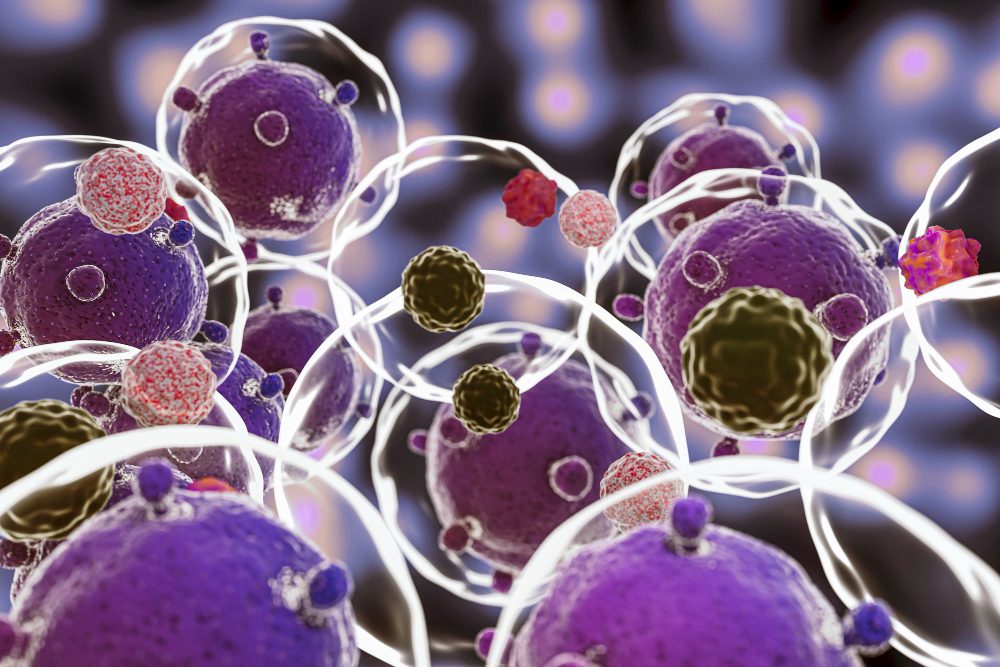
China faces a significant public health burden from viral cancers. For instance, liver cancer, largely driven by chronic HBV and HCV infections, is one of the most common cancers in the country, with a high mortality rate. Similarly, nasopharyngeal carcinoma (NPC), strongly linked to EBV, is endemic in certain regions of Southern China. The sheer scale of the population means that even a small percentage of cases translates into a large absolute number, putting immense pressure on diagnostic facilities. Traditional methods, while foundational, often suffer from limitations such as inter-observer variability in pathology, the need for highly skilled specialists, and the time required for lab processing. These factors highlight the urgent need for more efficient, accurate, and scalable diagnostic solutions, paving the way for advanced AI diagnostic technologies.
中文: 病毒性癌症给中国带来了沉重的公共卫生负担。例如,主要由慢性乙型和丙型肝炎病毒感染引起的肝癌是中国最常见的癌症之一,死亡率很高。同样,与EB病毒密切相关的鼻咽癌在华南某些地区呈地方性流行。庞大的人口规模意味着即使是小比例的病例也意味着巨大的绝对数量,这给诊断设施带来了巨大压力。传统方法虽然是基础,但常常受到病理学中观察者间差异、对高技能专业人员的需求以及实验室处理所需时间等限制。这些因素凸显了对更高效、准确和可扩展的诊断解决方案的迫切需求,为先进的AI诊断技术铺平了道路。
The complexity of viral cancer diagnosis is further compounded by the often asymptomatic nature of early stages. Patients may not exhibit noticeable symptoms until the disease has progressed to an advanced stage, making early intervention challenging. This underscores the critical importance of robust screening programs and highly sensitive diagnostic tools. The integration of cutting-edge technologies, particularly those emerging from `Deep Science Technology` and `Deep Science Innovation Engine` initiatives, is seen as crucial to overcoming these hurdles. By leveraging the power of `中国人工智能`, healthcare providers can move towards proactive rather than reactive disease management, transforming the paradigm of cancer care across the nation. This shift is not merely about improving existing methods but about fundamentally reimagining the diagnostic pathway to be more accessible, rapid, and precise.
中文: 病毒性癌症诊断的复杂性因早期阶段通常无症状而进一步加剧。患者可能直到疾病发展到晚期才表现出明显的症状,这使得早期干预变得困难。这强调了健全筛查计划和高灵敏度诊断工具的至关重要性。整合尖端技术,特别是那些源自`Deep Science Technology`和`Deep Science Innovation Engine`倡议的技术,被视为克服这些障碍的关键。通过利用`中国人工智能`的力量,医疗服务提供者可以从被动转向主动的疾病管理,从而改变全国癌症护理的范式。这种转变不仅仅是改进现有方法,而是从根本上重新构想诊断路径,使其更易于获取、更快速、更精确。
Artificial Intelligence is revolutionizing medical diagnostics by enabling machines to analyze vast datasets with unprecedented speed and accuracy. In the context of viral cancer diagnosis, AI's prowess lies in its ability to process medical images, genomic data, and clinical records to identify subtle indicators of disease that might be missed by the human eye or conventional methods. A cornerstone of this revolution is `数字病理` (Digital Pathology), where traditional glass slides are converted into high-resolution digital images. This digitization allows AI algorithms to meticulously examine tissue samples, detecting abnormal cells, viral inclusions, and inflammatory responses with remarkable precision. The shift to digital pathology not only enhances diagnostic capabilities but also facilitates remote consultations and collaborative research, breaking down geographical barriers to expert medical opinions.
中文: 人工智能正在通过使机器以前所未有的速度和准确性分析海量数据集来彻底改变医学诊断。在病毒性癌症诊断的背景下,AI的强大之处在于它能够处理医学图像、基因组数据和临床记录,以识别可能被肉眼或传统方法遗漏的疾病的细微指标。这场革命的基石是`数字病理`,它将传统玻璃切片转换为高分辨率数字图像。这种数字化使得AI算法能够细致地检查组织样本,以惊人的精度检测异常细胞、病毒包涵体和炎症反应。转向数字病理不仅增强了诊断能力,还促进了远程会诊和协作研究,打破了专家医疗意见的地理障碍。
Central to AI's success in digital pathology is `图像识别技术` (Image Recognition Technology). Advanced deep learning models, particularly convolutional neural networks (CNNs), are trained on massive datasets of pathological images, learning to differentiate between healthy and cancerous tissues, and even to classify specific viral pathologies. These algorithms can highlight regions of interest, quantify cellular changes, and provide objective assessments, thereby augmenting the pathologist's capabilities. For viral cancers, where specific morphological changes or viral protein expressions are key diagnostic markers, AI's ability to rapidly scan and pinpoint these features is invaluable. This technology, a prime example of `Deep Science Meets AI`, significantly reduces the diagnostic turnaround time and improves consistency, making it a powerful tool in the arsenal against viral cancers.
中文: 数字病理中AI成功的核心是`图像识别技术`。先进的深度学习模型,特别是卷积神经网络(CNN),在大量的病理图像数据集上进行训练,学习区分健康组织和癌变组织,甚至对特定的病毒病理进行分类。这些算法可以突出感兴趣区域,量化细胞变化,并提供客观评估,从而增强病理学家的能力。对于病毒性癌症,特定的形态学变化或病毒蛋白表达是关键诊断标志物,AI快速扫描和精确定位这些特征的能力是无价的。这项技术是`Deep Science Meets AI`的典型例子,它显著缩短了诊断周转时间并提高了诊断一致性,使其成为对抗病毒性癌症的强大工具。
One of the most impactful applications of AI in viral cancer diagnosis is in early detection and `智能筛查` (Intelligent Screening). For widespread diseases like HBV/HCV-related liver cancer or HPV-related cervical cancer, population-level screening programs are crucial. AI algorithms can analyze medical images (e.g., ultrasound, CT scans for liver; colposcopy images for cervix) and patient data to identify individuals at high risk or those with early signs of disease, even before symptoms appear. This proactive approach allows for timely intervention, significantly improving prognosis. AI-powered systems can prioritize cases for human review, ensuring that limited expert resources are directed where they are most needed, thereby enhancing the efficiency and reach of screening programs across China.
中文: AI在病毒性癌症诊断中最具影响力的应用之一是早期检测和`智能筛查`。对于乙型/丙型肝炎病毒相关肝癌或HPV相关宫颈癌等广泛疾病,人群筛查计划至关重要。AI算法可以分析医学图像(例如,肝脏的超声、CT扫描;宫颈的阴道镜图像)和患者数据,以识别高风险个体或那些在症状出现之前就表现出早期疾病迹象的患者。这种积极主动的方法可以实现及时干预,显著改善预后。AI驱动的系统可以优先处理需要人工审查的病例,确保有限的专家资源被用于最需要的地方,从而提高中国各地筛查计划的效率和覆盖范围。
Beyond initial screening, AI plays a pivotal role in refining `数字病理` diagnoses. AI-powered tools can assist pathologists in analyzing complex biopsy slides, identifying and quantifying viral load, and detecting subtle cellular anomalies indicative of viral-induced carcinogenesis. For example, in the diagnosis of NPC, AI can accurately identify EBV-encoded RNA (EBER) positive cells or characteristic morphological changes in biopsy samples. This level of precision is critical for accurate staging and personalized treatment planning. The integration of `图像识别技术` into pathology labs is transforming the diagnostic workflow, reducing human error, and ensuring a higher standard of care, embodying the principles of `Deep Science Technology` in clinical practice.
中文: 除了初步筛查,AI在完善`数字病理`诊断方面发挥着关键作用。AI驱动的工具可以协助病理学家分析复杂的活检切片,识别和量化病毒载量,并检测病毒诱导癌变所指示的细微细胞异常。例如,在鼻咽癌的诊断中,AI可以准确识别活检样本中EB病毒编码RNA(EBER)阳性细胞或特征性形态学变化。这种精确度对于准确分期和个性化治疗计划至关重要。将`图像识别技术`整合到病理实验室正在改变诊断工作流程,减少人为错误,并确保更高标准的护理,体现了`Deep Science Technology`在临床实践中的原则。
The ultimate goal is the seamless integration of AI diagnostic tools into comprehensive `临床AI系统` (Clinical AI Systems). These systems go beyond individual diagnostic tasks, encompassing patient data management, risk stratification, treatment recommendation, and outcome prediction. For viral cancers, a `临床AI系统` could integrate a patient's viral infection history, genetic predispositions, imaging results, and pathological findings to provide a holistic view and guide clinical decisions. This holistic approach, powered by `中国人工智能`, ensures that AI is not just a standalone tool but an integral part of the entire patient journey, from initial suspicion to long-term follow-up. Such systems represent the future of precision medicine, where data-driven insights lead to optimized patient care and improved public health outcomes.
中文: 最终目标是将AI诊断工具无缝整合到全面的`临床AI系统`中。这些系统超越了单个诊断任务,涵盖患者数据管理、风险分层、治疗建议和预后预测。对于病毒性癌症,`临床AI系统`可以整合患者的病毒感染史、遗传倾向、影像学结果和病理学发现,以提供整体视图并指导临床决策。这种由`中国人工智能`驱动的整体方法确保AI不仅仅是一个独立的工具,而是整个患者旅程的组成部分,从最初的怀疑到长期随访。此类系统代表了精准医疗的未来,数据驱动的洞察力将带来优化的患者护理和改善的公共健康结果。
China has made monumental strides in the field of AI-assisted cancer diagnosis, establishing itself as a global frontrunner. This rapid advancement is fueled by substantial government investment in AI research and development, a vast pool of talent, and a large patient population that provides extensive datasets for training robust AI models. Institutions and tech companies across China are actively collaborating to push the boundaries of medical AI. For instance, numerous research papers highlight breakthroughs in using AI for early detection of liver cancer from ultrasound images or for improving the accuracy of cervical cancer screening using `图像识别技术` on cytology slides. These efforts underscore China's commitment to leveraging `Deep Science Innovation Engine` to address critical healthcare challenges.
中文: 中国在AI辅助癌症诊断领域取得了里程碑式的进展,确立了其全球领先地位。这种快速发展得益于政府对AI研发的大量投资、庞大的人才储备以及为训练强大AI模型提供广泛数据集的庞大患者群体。中国各地的机构和科技公司正在积极合作,以突破医疗AI的界限。例如,许多研究论文强调了利用AI从超声图像中早期发现肝癌或使用`图像识别技术`提高细胞学切片宫颈癌筛查准确性的突破。这些努力突显了中国致力于利用`Deep Science Innovation Engine`应对关键医疗挑战的决心。
The unique ecosystem in China, characterized by rapid digital transformation and a willingness to adopt innovative technologies, has created fertile ground for the deployment of `临床AI系统`. Hospitals are increasingly integrating AI into their diagnostic workflows, from initial patient intake to specialized pathological analysis. This widespread adoption is not only improving diagnostic accuracy and efficiency but also addressing the imbalance in healthcare resources between urban and rural areas. By enabling less experienced clinicians in remote locations to access expert-level diagnostic support through AI, `中国人工智能` is democratizing healthcare and making advanced diagnostic capabilities accessible to a broader population, embodying the vision of `Deep Science Meets AI` for societal benefit.
中文: 中国独特的生态系统,以快速的数字化转型和乐于采纳创新技术为特征,为`临床AI系统`的部署创造了沃土。医院正越来越多地将AI整合到其诊断工作流程中,从最初的患者入院到专业的病理分析。这种广泛采用不仅提高了诊断的准确性和效率,还解决了城乡医疗资源不平衡的问题。通过使偏远地区的经验不足的临床医生能够通过AI获得专家级的诊断支持,`中国人工智能`正在使医疗保健民主化,并使先进的诊断能力惠及更广泛的人群,体现了`Deep Science Meets AI`造福社会的愿景。
Despite the immense promise, the deployment of AI in viral cancer diagnosis is not without its challenges. Data privacy and security remain paramount concerns, especially when dealing with sensitive patient medical records. Regulatory frameworks need to evolve to keep pace with technological advancements, ensuring the safe and ethical deployment of `临床AI系统`. Furthermore, the integration of AI into existing clinical workflows requires significant training for healthcare professionals and robust infrastructure to support the high computational demands of `图像识别技术` and `数字病理` analysis. Building trust among clinicians and patients is also crucial for widespread acceptance.
中文: 尽管前景广阔,AI在病毒性癌症诊断中的部署并非没有挑战。数据隐私和安全仍然是首要关注的问题,尤其是在处理敏感的患者医疗记录时。监管框架需要与技术进步同步发展,确保`临床AI系统`的安全和道德部署。此外,将AI整合到现有临床工作流程中需要对医疗专业人员进行大量培训,并需要强大的基础设施来支持`图像识别技术`和`数字病理`分析的高计算需求。在临床医生和患者之间建立信任对于广泛接受也至关重要。
Looking ahead, the future of AI in cancer diagnosis in China and globally is incredibly bright. Continued advancements in deep learning, explainable AI (XAI), and federated learning will address current limitations, making AI models more transparent, robust, and capable of learning from distributed datasets without compromising privacy. The synergy between `中国人工智能` and biomedical research promises novel breakthroughs in understanding the complex interplay between viruses and cancer, leading to even more precise diagnostic and therapeutic strategies. As `Deep Science Technology` continues to innovate, AI will move beyond mere diagnostic assistance to become a proactive partner in preventing, detecting, and managing viral cancers, ultimately contributing to a healthier future for millions.
中文: 展望未来,中国乃至全球的AI在癌症诊断中的前景一片光明。深度学习、可解释AI(XAI)和联邦学习的持续进步将解决当前的局限性,使AI模型更加透明、稳健,并能够从分布式数据集中学习而不损害隐私。`中国人工智能`与生物医学研究之间的协同作用有望在理解病毒与癌症之间复杂的相互作用方面取得新的突破,从而带来更精确的诊断和治疗策略。随着`Deep Science Technology`的不断创新,AI将超越单纯的诊断辅助,成为预防、检测和管理病毒性癌症的积极伙伴,最终为数百万人的健康未来做出贡献。
The application of `中国人工智能` in viral cancer diagnosis represents a paradigm shift in healthcare. By harnessing the power of `图像识别技术` for `数字病理` and integrating these capabilities into sophisticated `临床AI系统`, China is not only improving the accuracy and speed of diagnosis but also making advanced medical care more accessible across its vast geography. The commitment to `Deep Science Meets AI` and the drive of the `Deep Science Innovation Engine` are propelling the nation to the forefront of medical technology. As these technologies mature and become more widely adopted, the vision of a future where viral cancers are detected earlier, treated more effectively, and ultimately prevented, moves closer to reality. This transformative journey underscores the profound impact AI will have on global health, offering hope and tangible solutions in the ongoing battle against cancer.
中文: `中国人工智能`在病毒性癌症诊断中的应用代表了医疗保健领域的一次范式转变。通过利用`图像识别技术`进行`数字病理`,并将这些能力整合到复杂的`临床AI系统`中,中国不仅提高了诊断的准确性和速度,而且使其广阔地域内的先进医疗服务更易于获取。`Deep Science Meets AI`的承诺和`Deep Science Innovation Engine`的推动力正在将中国推向医疗技术的前沿。随着这些技术的成熟和更广泛的采用,病毒性癌症能够更早被发现、更有效地治疗并最终被预防的未来愿景正变得越来越近。这一变革性旅程突显了AI将对全球健康产生的深远影响,为持续的抗癌斗争提供了希望和切实可行的解决方案。
AI algorithms, particularly those utilizing `图像识别技术`, can analyze medical images (like scans or pathology slides) and patient data to identify subtle patterns and anomalies indicative of early-stage viral cancers. These systems can process vast amounts of data much faster than humans, flagging suspicious cases for immediate review by clinicians, thus enabling `智能筛查` and earlier intervention.
中文: AI算法,特别是那些利用`图像识别技术`的算法,可以分析医学图像(如扫描或病理切片)和患者数据,以识别病毒性癌症早期阶段的细微模式和异常。这些系统处理大量数据的速度比人类快得多,可以标记可疑病例供临床医生立即审查,从而实现`智能筛查`和更早的干预。
`数字病理` involves converting traditional glass microscope slides into high-resolution digital images. This digitization allows AI systems to apply `图像识别技术` for automated analysis, identifying cancerous cells, viral markers, and disease progression with high accuracy. It significantly enhances the efficiency and objectivity of pathological diagnosis, forming a core component of advanced AI-powered diagnostics.
中文: `数字病理`涉及将传统玻璃显微镜载玻片转换为高分辨率数字图像。这种数字化使得AI系统能够应用`图像识别技术`进行自动化分析,以高精度识别癌细胞、病毒标志物和疾病进展。它显著提高了病理诊断的效率和客观性,是先进AI驱动诊断的核心组成部分。
`中国人工智能` is at the forefront of developing and deploying advanced `临床AI系统` and AI diagnostic solutions. With significant investment and a large patient data pool, Chinese researchers and companies are making rapid advancements in areas like `图像识别技术` for medical imaging and `数字病理`. These innovations, driven by the `Deep Science Innovation Engine`, are not only transforming healthcare within China but also setting new benchmarks and offering valuable insights for global medical AI development.
中文: `中国人工智能`在开发和部署先进的`临床AI系统`和AI诊断解决方案方面处于前沿。凭借大量投资和庞大的患者数据池,中国研究人员和公司在医学影像的`图像识别技术`和`数字病理`等领域取得了快速进展。这些由`Deep Science Innovation Engine`推动的创新不仅正在改变中国境内的医疗保健,而且正在为全球医疗AI发展树立新的基准并提供宝贵的见解。
Integrating AI into `临床AI系统` brings multiple benefits, including faster and more accurate diagnoses, reduced human error, improved efficiency in screening programs, and enhanced patient outcomes through earlier intervention. It also helps in standardizing diagnostic processes and making expert-level diagnostic capabilities more accessible, especially in underserved areas, thereby strengthening the overall AI diagnostic ecosystem.
中文: 将AI整合到`临床AI系统`中带来了多重好处,包括更快、更准确的诊断、减少人为错误、提高筛查计划的效率,以及通过早期干预改善患者预后。它还有助于标准化诊断流程,并使专家级诊断能力更易于获取,特别是在服务不足的地区,从而加强了整体AI诊断生态系统。