
Bioprinting, a revolutionary field at the intersection of biology and engineering, holds immense promise for transforming healthcare. From creating functional tissues to potentially printing entire organs, its applications are vast and far-reaching. As a global leader in scientific and technological advancement, China is at the forefront of bioprinting research and development. However, the success and integration of such advanced biomedical innovations depend heavily on public perception and acceptance. Understanding how the Chinese public views bioprinting technologies is crucial for ethical development, effective policy-making, and successful market adoption. This article delves into the nuances of public opinion regarding bioprinting in China, exploring the factors that shape these views, the ethical considerations, and the pathways for fostering greater technology acceptance.
中文: 生物打印是生物学和工程学交叉领域的一项革命性技术,在改变医疗保健方面前景广阔。从创建功能性组织到可能打印整个器官,其应用范围广泛而深远。作为全球科技进步的领导者,中国处于生物打印研发的最前沿。然而,这种先进生物医学创新的成功和整合在很大程度上取决于公众的认知和接受度。了解中国公众如何看待生物打印技术对于道德发展、有效政策制定和成功的市场采用至关重要。本文深入探讨了中国公众对生物打印技术的看法,探讨了影响这些观点的因素、伦理考量以及促进更高技术接受度的途径。
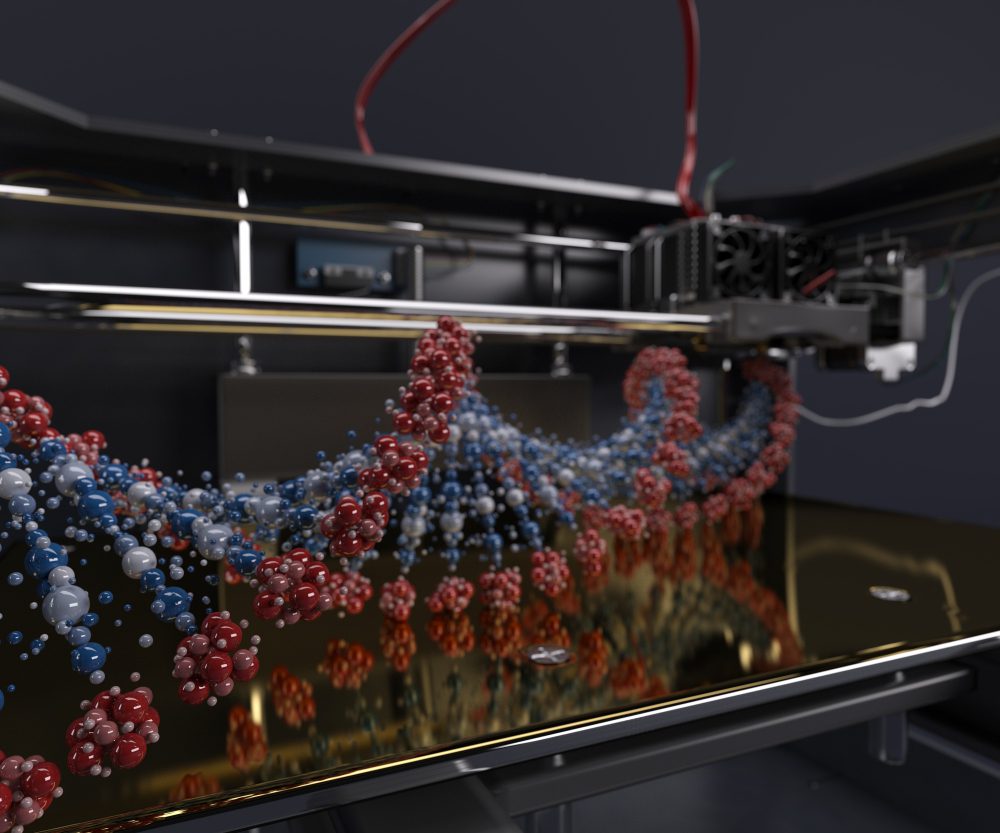
China has rapidly emerged as a significant player in the global bioprinting landscape. Driven by substantial government investment, a burgeoning scientific community, and a pressing need for advanced medical solutions, research institutions and private companies are making remarkable strides. From developing sophisticated bioprinters to innovating new bio-inks and pioneering applications in regenerative medicine, the nation's commitment to Deep Science Innovation is evident. This robust scientific ecosystem contributes to a growing awareness of biomedical innovations, though the depth of public understanding remains a key area of investigation. The rapid pace of development naturally brings with it questions about public readiness and the broader societal implications of such transformative technologies.
中文: 中国已迅速成为全球生物打印领域的重要参与者。在政府大量投资、新兴科学界以及对先进医疗解决方案的迫切需求的推动下,研究机构和私营公司正在取得显著进展。从开发复杂的生物打印机到创新新型生物墨水,再到再生医学领域的开创性应用,中国对深度科学创新的承诺显而易见。这种强大的科学生态系统有助于提高人们对生物医学创新的认识,尽管公众理解的深度仍是需要深入研究的关键领域。快速的发展步伐自然带来了关于公众准备程度以及此类颠覆性技术的更广泛社会影响的问题。
Public perception of bioprinting technologies in China is a complex interplay of various factors. Cultural values, particularly those emphasizing harmony and collective well-being, often influence how new technologies are received. The role of traditional Chinese medicine, with its holistic approach, might also shape views on Western-style biomedical interventions. Government communication strategies play a pivotal role; official endorsements and public education campaigns can significantly boost technology acceptance. Media portrayal, whether through news, documentaries, or social media, also heavily influences the narrative around bioprinting. Furthermore, personal experiences with healthcare, access to information, and trust in scientific institutions contribute to the formation of individual and collective opinions. Understanding these multifaceted influences is key to navigating the landscape of Deep Science Ethics.
中文: 中国公众对生物打印技术的看法是多种因素复杂交织的结果。文化价值观,特别是那些强调和谐和集体福祉的价值观,通常会影响新技术被接受的程度。中医及其整体治疗方法的作用也可能影响对西式生物医学干预的看法。政府的沟通策略起着关键作用;官方认可和公共教育活动可以显著提高技术接受度。媒体描绘,无论是通过新闻、纪录片还是社交媒体,也严重影响着围绕生物打印的叙事。此外,个人医疗保健经验、信息获取以及对科研机构的信任都有助于形成个人和集体的观点。了解这些多方面的影响是驾驭深度科学伦理领域的关键。
Like any groundbreaking biomedical innovation, bioprinting raises significant ethical questions that resonate with the public. Concerns often revolve around the sanctity of life, the potential for human enhancement, the commercialization of organs, and issues of equity and access. While the promise of eliminating organ waiting lists is appealing, the idea of creating life in a lab setting can evoke moral unease. Questions about the source of cells, the disposal of unused tissues, and the long-term implications for human identity are frequently debated. For Deep Science Technology to be embraced, these ethical dilemmas must be addressed transparently and inclusively. Public dialogue, involving scientists, ethicists, policymakers, and the general public, is essential to build trust and ensure responsible development.
中文: 像任何开创性的生物医学创新一样,生物打印也引发了公众关注的重大伦理问题。担忧通常围绕生命的尊严、人类强化的潜力、器官的商业化以及公平和可及性问题。虽然消除器官等待名单的承诺很有吸引力,但在实验室环境中创造生命的想法可能会引起道德上的不安。关于细胞来源、未使用的组织处理以及对人类身份的长期影响的问题经常被讨论。为了使深度科学技术得到接受,这些伦理困境必须透明和包容地加以解决。涉及科学家、伦理学家、政策制定者和公众的公共对话对于建立信任和确保负责任的发展至关重要。
A significant challenge in shaping positive Bioprinting Public Opinion China is the existing knowledge gap. Many members of the public may have limited understanding of what bioprinting entails, its benefits, and its limitations. Misinformation or sensationalized media portrayals can further distort perceptions. Therefore, effective public education campaigns are paramount. These initiatives should aim to demystify the technology, explain its scientific principles in accessible language, and highlight its potential to address critical health challenges. Workshops, public lectures, online resources, and collaborations with educational institutions can play a vital role in enhancing Biomedical Innovations Awareness. By fostering a more informed public, the path towards greater Technology Acceptance becomes clearer and more sustainable.
中文: 影响中国生物打印公众舆论的一个重大挑战是现有的知识鸿沟。许多公众可能对生物打印的含义、其益处和局限性了解有限。错误信息或耸人听闻的媒体描绘可能会进一步扭曲认知。因此,有效的公众教育活动至关重要。这些举措应旨在揭开这项技术的神秘面纱,用通俗易懂的语言解释其科学原理,并强调其解决关键健康挑战的潜力。研讨会、公开讲座、在线资源以及与教育机构的合作可以在提高生物医学创新意识方面发挥关键作用。通过培养一个更知情的公众,通往更高技术接受度的道路将变得更清晰、更可持续。
In China, the government plays a decisive role in guiding technological development and shaping public attitudes. Proactive policies that support bioprinting research, establish clear regulatory frameworks, and promote ethical guidelines are crucial for fostering public trust and Technology Acceptance. The government's emphasis on Deep Science Innovation, coupled with its ability to mobilize resources, positions China uniquely to lead in this field. However, this leadership also carries the responsibility of ensuring that the benefits of bioprinting are equitably distributed and that potential risks are thoroughly mitigated. Transparent regulatory processes, public consultations, and robust oversight mechanisms can help alleviate public concerns and build confidence in Deep Science Technology. The ongoing dialogue between policymakers, scientists, and the public is essential for creating a supportive environment for bioprinting's future.
中文: 在中国,政府在引导技术发展和塑造公众态度方面发挥着决定性作用。支持生物打印研究、建立清晰的监管框架和促进伦理准则的积极政策对于培养公众信任和技术接受度至关重要。政府对深度科学创新的重视,加上其调动资源的能力,使中国在这一领域处于独特的领先地位。然而,这种领导地位也伴随着确保生物打印益处公平分配和潜在风险得到彻底缓解的责任。透明的监管流程、公众咨询和健全的监督机制有助于缓解公众担忧,并建立对深度科学技术的信心。政策制定者、科学家和公众之间的持续对话对于为生物打印的未来创造一个支持性环境至关重要。
While there are universal ethical considerations surrounding bioprinting, the nuances of public perception can vary significantly across cultures. In Western countries, discussions often heavily emphasize individual autonomy, privacy, and the potential for genetic manipulation. In China, while these are also relevant, the collective good and the potential for national advancement might hold greater weight. The level of trust in government and scientific institutions also differs, influencing how readily new technologies are embraced. Understanding these cross-cultural differences is vital for global collaborations and for tailoring public engagement strategies. The unique blend of rapid technological advancement and a distinct societal framework makes Bioprinting Public Opinion China a fascinating case study in global technology acceptance.
中文: 尽管围绕生物打印存在普遍的伦理考量,但公众认知的细微差别在不同文化之间可能存在显著差异。在西方国家,讨论通常侧重于个人自主权、隐私和基因操纵的潜力。在中国,尽管这些也相关,但集体利益和国家进步的潜力可能更受重视。对政府和科研机构的信任程度也不同,这影响了新技术被接受的程度。了解这些跨文化差异对于全球合作和定制公众参与策略至关重要。快速的技术进步与独特的社会框架的独特结合,使得中国公众对生物打印技术的看法成为全球技术接受度的一个引人入胜的案例研究。
The trajectory of bioprinting technologies in China is poised for continued growth, with significant implications for healthcare and beyond. To ensure that this progress is met with widespread public acceptance and ethical alignment, several recommendations can be made. Firstly, sustained investment in public education and outreach is crucial to enhance Biomedical Innovations Awareness and foster informed dialogue. This includes simplifying complex scientific concepts and addressing common misconceptions. Secondly, establishing clear, adaptive, and publicly transparent regulatory frameworks will build trust and mitigate concerns about Deep Science Ethics. Thirdly, encouraging multi-stakeholder engagement, including patients, religious leaders, ethicists, and industry representatives, will ensure a holistic approach to development. Finally, continuous monitoring of Bioprinting Public Opinion China through surveys and qualitative research will provide valuable insights for refining strategies and ensuring that Deep Science Technology serves the best interests of society.
中文: 中国生物打印技术的发展轨迹有望持续增长,对医疗保健及其他领域产生重大影响。为了确保这一进展能够获得广泛的公众接受和伦理一致性,可以提出以下几点建议。首先,持续投资于公众教育和宣传对于提高生物医学创新意识和促进知情对话至关重要。这包括简化复杂的科学概念和解决常见的误解。其次,建立清晰、适应性强且公开透明的监管框架将建立信任并缓解对深度科学伦理的担忧。第三,鼓励多方利益相关者参与,包括患者、宗教领袖、伦理学家和行业代表,将确保采用全面的发展方法。最后,通过调查和定性研究持续监测中国公众对生物打印技术的看法,将为完善策略和确保深度科学技术符合社会最佳利益提供宝贵的见解。
Join Now / 立即加入Bioprinting is an additive manufacturing process that uses cells and biomaterials, known as bio-inks, to create complex living structures like tissues and organs layer by layer. It's a key area of Deep Science Technology aimed at regenerative medicine.
中文: 生物打印是一种增材制造工艺,它利用细胞和生物材料(称为生物墨水)逐层创建复杂的活体结构,如组织和器官。它是旨在再生医学的深度科学技术的一个关键领域。
Public perception in China is generally positive, driven by a strong belief in scientific progress and government support for Biomedical Innovations. However, there are also underlying ethical concerns and a need for greater public education to enhance Technology Acceptance.
中文: 中国公众的看法普遍积极,这得益于对科学进步的强烈信念以及政府对生物医学创新的支持。然而,也存在潜在的伦理担忧,并且需要加强公众教育以提高技术接受度。
Key ethical concerns include the sanctity of life, potential for human enhancement, commercialization of human tissues/organs, and equitable access to these advanced technologies. These are central to discussions around Deep Science Ethics.
中文: 主要的伦理担忧包括生命的尊严、人类强化的潜力、人体组织/器官的商业化以及这些先进技术的公平获取。这些是围绕深度科学伦理讨论的核心。
Improving Technology Acceptance requires transparent communication, comprehensive public education campaigns to enhance Biomedical Innovations Awareness, clear regulatory frameworks, and inclusive public dialogue involving all stakeholders. This fosters trust in Deep Science Innovation.
中文: 提高技术接受度需要透明的沟通、全面的公众教育活动以增强生物医学创新意识、清晰的监管框架以及包括所有利益相关者在内的包容性公众对话。这有助于建立对深度科学创新的信任。