
The global shortage of organs for transplantation remains a critical challenge in modern medicine, leading to countless lives lost annually. However, a revolutionary field known as bioprinting is emerging as a beacon of hope, promising to transform the landscape of organ transplantation. Switzerland, a nation renowned for its precision engineering and cutting-edge scientific research, is at the forefront of this exciting domain, driving significant advancements in organ bioprinting. This article delves into the groundbreaking Swiss research that is paving the way for a future where custom-made, functional organs can be created on demand, offering a new lease on life for patients worldwide.
हिन्दी में: अंग प्रत्यारोपण के लिए अंगों की वैश्विक कमी आधुनिक चिकित्सा में एक गंभीर चुनौती बनी हुई है, जिसके कारण सालाना अनगिनत लोगों की जान चली जाती है। हालांकि, बायोप्रिंटिंग नामक एक क्रांतिकारी क्षेत्र आशा की किरण के रूप में उभर रहा है, जो अंग प्रत्यारोपण के परिदृश्य को बदलने का वादा करता है। स्विट्जरलैंड, जो अपनी सटीक इंजीनियरिंग और अत्याधुनिक वैज्ञानिक अनुसंधान के लिए प्रसिद्ध है, इस रोमांचक क्षेत्र में सबसे आगे है, जो अंग बायोप्रिंटिंग में महत्वपूर्ण प्रगति कर रहा है। यह लेख उस अभूतपूर्व स्विस अनुसंधान पर प्रकाश डालता है जो एक ऐसे भविष्य का मार्ग प्रशस्त कर रहा है जहां मांग पर कस्टम-निर्मित, कार्यात्मक अंग बनाए जा सकते हैं, जिससे दुनिया भर के रोगियों को जीवन का एक नया पट्टा मिल सके।
Join Now / अभी शामिल हों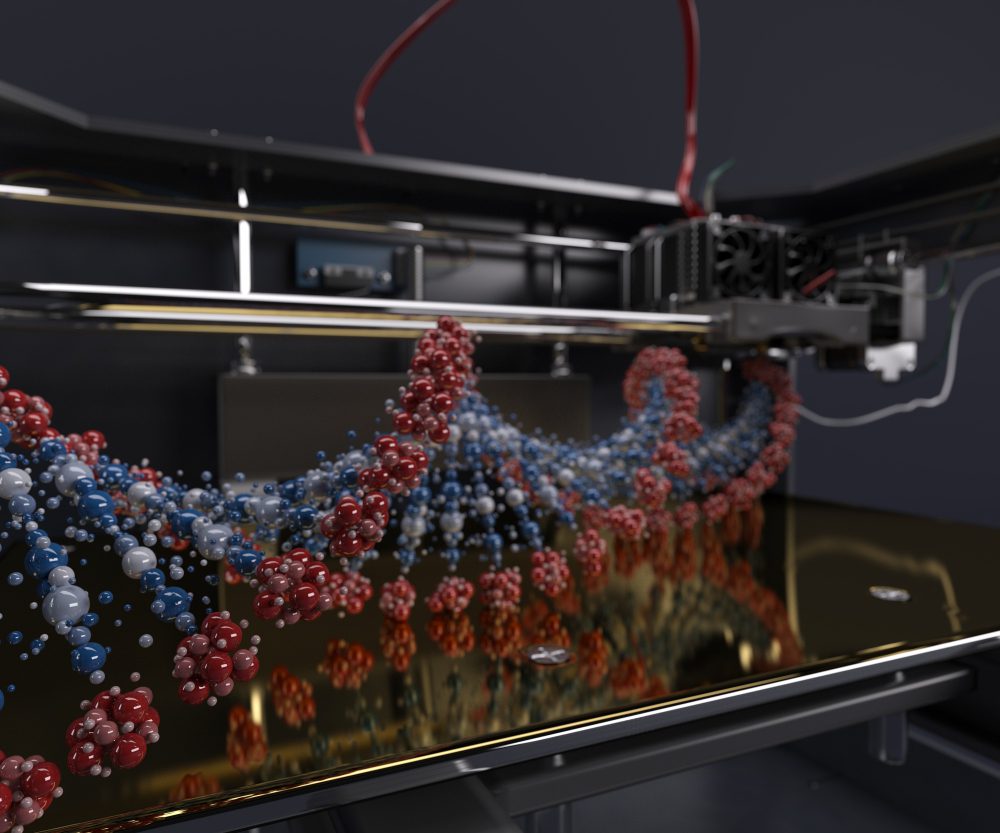
Bioprinting is an additive manufacturing process that uses cells and biomaterials, known as bioinks, to create complex living structures layer by layer. This innovative technology draws inspiration from traditional 3D printing but extends its capabilities to biological constructs. The ultimate goal is to fabricate fully functional organs that can be transplanted into patients, effectively addressing the severe organ donor shortage. This represents a monumental leap in regenerative medicine and transplantation research, moving beyond simple tissue engineering to complex organ systems. The precision required for such intricate work aligns perfectly with Switzerland's reputation for excellence in high-tech manufacturing and scientific innovation.
हिन्दी में: बायोप्रिंटिंग एक योगात्मक विनिर्माण प्रक्रिया है जो कोशिकाओं और बायोमटेरियल्स, जिन्हें बायोइंक के रूप में जाना जाता है, का उपयोग करके परत-दर-परत जटिल जीवित संरचनाओं का निर्माण करती है। यह अभिनव तकनीक पारंपरिक 3डी प्रिंटिंग से प्रेरणा लेती है लेकिन अपनी क्षमताओं को जैविक संरचनाओं तक बढ़ाती है। इसका अंतिम लक्ष्य पूरी तरह कार्यात्मक अंगों का निर्माण करना है जिन्हें रोगियों में प्रत्यारोपित किया जा सके, जिससे अंग दाताओं की गंभीर कमी को प्रभावी ढंग से संबोधित किया जा सके। यह पुनर्योजी चिकित्सा और प्रत्यारोपण अनुसंधान में एक महत्वपूर्ण छलांग का प्रतिनिधित्व करता है, जो साधारण ऊतक इंजीनियरिंग से आगे बढ़कर जटिल अंग प्रणालियों तक पहुंच रहा है। ऐसे जटिल कार्य के लिए आवश्यक सटीकता उच्च-तकनीकी विनिर्माण और वैज्ञानिक नवाचार में स्विट्जरलैंड की उत्कृष्टता की प्रतिष्ठा के साथ पूरी तरह से मेल खाती है।
Early efforts in bioprinting focused on simpler tissues like skin and cartilage. However, recent advancements, particularly those emerging from a Deep Science Research Hub in Switzerland, have pushed the boundaries, allowing scientists to create more intricate structures with vascular networks – a crucial step towards viable organ fabrication. These Deep Science Breakthroughs are not just incremental improvements; they represent fundamental shifts in our understanding and application of bioengineering principles, bringing us closer to the reality of bioprinted organs for transplantation.
हिन्दी में: बायोप्रिंटिंग में शुरुआती प्रयास त्वचा और उपास्थि जैसे सरल ऊतकों पर केंद्रित थे। हालांकि, हाल की प्रगति, विशेष रूप से स्विट्जरलैंड में एक डीप साइंस रिसर्च हब से उभरने वाली प्रगति ने सीमाओं को आगे बढ़ाया है, जिससे वैज्ञानिकों को संवहनी नेटवर्क के साथ अधिक जटिल संरचनाएं बनाने की अनुमति मिली है - जो व्यवहार्य अंग निर्माण की दिशा में एक महत्वपूर्ण कदम है। ये डीप साइंस ब्रेकथ्रू केवल वृद्धिशील सुधार नहीं हैं; वे बायोइंजीनियरिंग सिद्धांतों की हमारी समझ और अनुप्रयोग में मौलिक बदलाव का प्रतिनिधित्व करते हैं, जो हमें प्रत्यारोपण के लिए बायोप्रिंटेड अंगों की वास्तविकता के करीब लाते हैं।
Switzerland has firmly established itself as a global leader in advanced biomedical research, and organ bioprinting is no exception. Institutions like ETH Zurich, EPFL, and the University of Bern are home to world-class research groups dedicated to pushing the frontiers of this technology. Their work spans various aspects, from developing novel bioinks with enhanced biocompatibility and mechanical properties to designing sophisticated bioprinters capable of unprecedented precision and speed. The collaborative environment within the Swiss academic and industrial landscape fosters rapid innovation, making it a true Deep Science Research Hub.
हिन्दी में: स्विट्जरलैंड ने खुद को उन्नत बायोमेडिकल अनुसंधान में एक वैश्विक नेता के रूप में मजबूती से स्थापित किया है, और अंग बायोप्रिंटिंग इसका अपवाद नहीं है। ईटीएच ज्यूरिख, ईपीएफएल और बर्न विश्वविद्यालय जैसे संस्थान विश्व स्तरीय अनुसंधान समूहों का घर हैं जो इस तकनीक की सीमाओं को आगे बढ़ाने के लिए समर्पित हैं। उनका काम विभिन्न पहलुओं पर फैला हुआ है, जिसमें बेहतर जैव-अनुकूलता और यांत्रिक गुणों वाले नए बायोइंक विकसित करने से लेकर अभूतपूर्व सटीकता और गति में सक्षम परिष्कृत बायोप्रिंटर डिजाइन करना शामिल है। स्विस अकादमिक और औद्योगिक परिदृश्य के भीतर सहयोगात्मक वातावरण तेजी से नवाचार को बढ़ावा देता है, जिससे यह एक सच्चा डीप साइंस रिसर्च हब बन जाता है।
One notable area of focus for Organ Bioprinting Switzerland is the development of functional vascular networks. Organs require a complex network of blood vessels to supply nutrients and remove waste, and replicating this in bioprinted constructs is a significant hurdle. Swiss researchers are exploring innovative techniques, including sacrificial templating and direct printing of endothelial cells, to create perfusable vascular systems within engineered tissues. These efforts are critical for the long-term viability and functionality of bioprinted organs, moving transplantation research forward with tangible progress.
हिन्दी में: अंग बायोप्रिंटिंग स्विट्जरलैंड के लिए एक उल्लेखनीय ध्यान कार्यात्मक संवहनी नेटवर्क का विकास है। अंगों को पोषक तत्वों की आपूर्ति करने और अपशिष्ट को हटाने के लिए रक्त वाहिकाओं के एक जटिल नेटवर्क की आवश्यकता होती है, और बायोप्रिंटेड संरचनाओं में इसे दोहराना एक महत्वपूर्ण बाधा है। स्विस शोधकर्ता इंजीनियरिंग ऊतकों के भीतर छिद्रित संवहनी प्रणालियों को बनाने के लिए अभिनव तकनीकों का पता लगा रहे हैं, जिसमें बलि का टेम्पलेटिंग और एंडोथेलियल कोशिकाओं की सीधी छपाई शामिल है। ये प्रयास बायोप्रिंटेड अंगों की दीर्घकालिक व्यवहार्यता और कार्यक्षमता के लिए महत्वपूर्ण हैं, जो ठोस प्रगति के साथ प्रत्यारोपण अनुसंधान को आगे बढ़ा रहे हैं।
The evolution of bioprinting technology is rapid, driven by interdisciplinary collaboration that spans biology, engineering, materials science, and computer science. Swiss contributions are particularly strong in developing multi-material bioprinters that can precisely deposit different cell types and biomaterials in specific architectural arrangements. This allows for the creation of heterogeneous tissues that mimic the complexity of native organs. Such technological prowess is vital for advancing transplantation research beyond theoretical concepts into practical applications.
हिन्दी में: बायोप्रिंटिंग प्रौद्योगिकी का विकास तेजी से हो रहा है, जो जीव विज्ञान, इंजीनियरिंग, सामग्री विज्ञान और कंप्यूटर विज्ञान तक फैले अंतःविषय सहयोग से प्रेरित है। स्विस योगदान विशेष रूप से बहु-सामग्री बायोप्रिंटर विकसित करने में मजबूत हैं जो विशिष्ट वास्तुशिल्प व्यवस्थाओं में विभिन्न सेल प्रकारों और बायोमटेरियल्स को सटीक रूप से जमा कर सकते हैं। यह देशी अंगों की जटिलता की नकल करने वाले विषम ऊतकों के निर्माण की अनुमति देता है। ऐसी तकनीकी क्षमता सैद्धांतिक अवधारणाओं से परे व्यावहारिक अनुप्रयोगों में प्रत्यारोपण अनुसंधान को आगे बढ़ाने के लिए महत्वपूर्ण है।
Furthermore, the integration of artificial intelligence and machine learning is revolutionizing bioprinting processes. AI algorithms are being used to optimize printing parameters, predict cell viability, and even design organ scaffolds based on patient-specific data. This personalized approach is a hallmark of Deep Science Frontiers, enabling the creation of organs that are not only functional but also perfectly matched to the recipient, minimizing the risk of rejection. This synergy between advanced computing and biological engineering is a testament to the innovative spirit driving Organ Bioprinting Switzerland.
हिन्दी में: इसके अलावा, कृत्रिम बुद्धिमत्ता और मशीन लर्निंग का एकीकरण बायोप्रिंटिंग प्रक्रियाओं में क्रांति ला रहा है। एआई एल्गोरिदम का उपयोग प्रिंटिंग मापदंडों को अनुकूलित करने, सेल व्यवहार्यता की भविष्यवाणी करने और यहां तक कि रोगी-विशिष्ट डेटा के आधार पर अंग मचानों को डिजाइन करने के लिए किया जा रहा है। यह व्यक्तिगत दृष्टिकोण डीप साइंस फ्रंटियर्स की एक पहचान है, जो ऐसे अंगों के निर्माण को सक्षम बनाता है जो न केवल कार्यात्मक हैं बल्कि प्राप्तकर्ता से पूरी तरह मेल खाते हैं, जिससे अस्वीकृति का जोखिम कम होता है। उन्नत कंप्यूटिंग और जैविक इंजीनियरिंग के बीच यह तालमेल अंग बायोप्रिंटिंग स्विट्जरलैंड को चलाने वाली अभिनव भावना का एक वसीयतनामा है।
Despite the remarkable progress, several significant challenges remain on the path to widespread clinical application of bioprinted organs. The primary hurdles include achieving sufficient vascularization to ensure long-term organ survival, replicating the intricate cellular architecture and functionality of complex organs like the heart or kidney, and navigating the complex regulatory landscape. Ensuring the scalability and cost-effectiveness of bioprinting also poses considerable challenges, as current methods are often labor-intensive and expensive. Addressing these issues requires continued, focused transplantation research and substantial investment in Deep Science Breakthroughs.
हिन्दी में: उल्लेखनीय प्रगति के बावजूद, बायोप्रिंटेड अंगों के व्यापक नैदानिक अनुप्रयोग के मार्ग में कई महत्वपूर्ण चुनौतियाँ बनी हुई हैं। प्राथमिक बाधाओं में दीर्घकालिक अंग अस्तित्व सुनिश्चित करने के लिए पर्याप्त संवहनीकरण प्राप्त करना, हृदय या गुर्दे जैसे जटिल अंगों की जटिल सेलुलर वास्तुकला और कार्यक्षमता को दोहराना, और जटिल नियामक परिदृश्य को नेविगेट करना शामिल है। बायोप्रिंटिंग की स्केलेबिलिटी और लागत-प्रभावशीलता सुनिश्चित करना भी काफी चुनौतियाँ पेश करता है, क्योंकि वर्तमान तरीके अक्सर श्रम-गहन और महंगे होते हैं। इन मुद्दों को संबोधित करने के लिए निरंतर, केंद्रित प्रत्यारोपण अनुसंधान और डीप साइंस ब्रेकथ्रू में पर्याप्त निवेश की आवश्यकता है।
Swiss researchers are actively engaged in overcoming these obstacles. For instance, teams are exploring advanced bioreactor systems that can provide the necessary mechanical and biochemical cues for bioprinted tissues to mature and develop full functionality. There is also a strong emphasis on developing standardized protocols and quality control measures to ensure the safety and efficacy of bioprinted constructs. The commitment to rigorous scientific inquiry and innovative problem-solving positions Switzerland as a critical player in realizing the full potential of organ bioprinting for transplantation research.
हिन्दी में: स्विस शोधकर्ता इन बाधाओं को दूर करने में सक्रिय रूप से लगे हुए हैं। उदाहरण के लिए, टीमें उन्नत बायोरेक्टर सिस्टम की खोज कर रही हैं जो बायोप्रिंटेड ऊतकों को परिपक्व होने और पूर्ण कार्यक्षमता विकसित करने के लिए आवश्यक यांत्रिक और जैव रासायनिक संकेत प्रदान कर सकते हैं। बायोप्रिंटेड संरचनाओं की सुरक्षा और प्रभावकारिता सुनिश्चित करने के लिए मानकीकृत प्रोटोकॉल और गुणवत्ता नियंत्रण उपायों को विकसित करने पर भी जोर दिया जाता है। कठोर वैज्ञानिक जांच और अभिनव समस्या-समाधान के प्रति प्रतिबद्धता स्विट्जरलैंड को प्रत्यारोपण अनुसंधान के लिए अंग बायोप्रिंटिंग की पूरी क्षमता का एहसास करने में एक महत्वपूर्ण खिलाड़ी के रूप में स्थापित करती है।
As with any transformative medical technology, bioprinting for organ transplants raises important ethical considerations. These include questions about the source of cells, equitable access to bioprinted organs, and the long-term societal impact of extending human lifespan through artificial organs. Switzerland, with its strong tradition of ethical debate and robust regulatory frameworks, is well-positioned to lead discussions on these critical issues, ensuring that advancements in Deep Science Frontiers are pursued responsibly and for the benefit of all humanity.
हिन्दी में: किसी भी परिवर्तनकारी चिकित्सा प्रौद्योगिकी की तरह, अंग प्रत्यारोपण के लिए बायोप्रिंटिंग महत्वपूर्ण नैतिक विचारों को उठाती है। इनमें कोशिकाओं के स्रोत, बायोप्रिंटेड अंगों तक समान पहुंच, और कृत्रिम अंगों के माध्यम से मानव जीवनकाल बढ़ाने के दीर्घकालिक सामाजिक प्रभाव के बारे में प्रश्न शामिल हैं। स्विट्जरलैंड, नैतिक बहस और मजबूत नियामक ढाँचों की अपनी मजबूत परंपरा के साथ, इन महत्वपूर्ण मुद्दों पर चर्चा का नेतृत्व करने के लिए अच्छी स्थिति में है, यह सुनिश्चित करते हुए कि डीप साइंस फ्रंटियर्स में प्रगति को जिम्मेदारी से और पूरी मानवता के लाभ के लिए आगे बढ़ाया जाए।
The future of organ transplantation looks increasingly promising thanks to the relentless efforts in organ bioprinting Switzerland. While fully functional, complex organs may still be some years away, the progress in printing simpler tissues, organoids, and vascular networks is accelerating. These Deep Science Breakthroughs are already impacting drug discovery, disease modeling, and personalized medicine. The long-term vision of eliminating organ waiting lists and providing life-saving transplants to all who need them is becoming a tangible goal, driven by the pioneering spirit of transplantation research in Switzerland and beyond.
हिन्दी में: अंग बायोप्रिंटिंग स्विट्जरलैंड में अथक प्रयासों के कारण अंग प्रत्यारोपण का भविष्य तेजी से आशाजनक लग रहा है। जबकि पूरी तरह कार्यात्मक, जटिल अंग अभी भी कुछ साल दूर हो सकते हैं, सरल ऊतकों, ऑर्गेनोइड्स और संवहनी नेटवर्क की छपाई में प्रगति तेज हो रही है। ये डीप साइंस ब्रेकथ्रू पहले से ही दवा खोज, रोग मॉडलिंग और व्यक्तिगत चिकित्सा को प्रभावित कर रहे हैं। अंग प्रतीक्षा सूची को खत्म करने और उन सभी को जीवन रक्षक प्रत्यारोपण प्रदान करने का दीर्घकालिक दृष्टिकोण एक मूर्त लक्ष्य बन रहा है, जो स्विट्जरलैंड और उससे आगे के प्रत्यारोपण अनुसंधान की अग्रणी भावना से प्रेरित है।
Organ bioprinting is an advanced manufacturing technique that uses biological materials, such as cells and biomaterials (bioinks), to create functional tissues and organs layer by layer, mimicking natural biological structures.
हिन्दी में: अंग बायोप्रिंटिंग एक उन्नत विनिर्माण तकनीक है जो जैविक सामग्री, जैसे कोशिकाओं और बायोमटेरियल्स (बायोइंक) का उपयोग करके, प्राकृतिक जैविक संरचनाओं की नकल करते हुए, परत-दर-परत कार्यात्मक ऊतकों और अंगों का निर्माण करती है।
Switzerland is a leader in organ bioprinting, with top institutions like ETH Zurich and EPFL conducting cutting-edge research in bioink development, vascularization techniques, and multi-material bioprinting. They are a significant Deep Science Research Hub.
हिन्दी में: स्विट्जरलैंड अंग बायोप्रिंटिंग में एक अग्रणी है, जिसमें ईटीएच ज्यूरिख और ईपीएफएल जैसे शीर्ष संस्थान बायोइंक विकास, संवहनीकरण तकनीकों और बहु-सामग्री बायोप्रिंटिंग में अत्याधुनिक अनुसंधान कर रहे हैं। वे एक महत्वपूर्ण डीप साइंस रिसर्च हब हैं।
Key challenges include achieving adequate vascularization (blood supply), replicating complex organ architecture and function, ensuring long-term cell viability, and navigating regulatory approvals. These require continuous Deep Science Breakthroughs.
हिन्दी में: मुख्य चुनौतियों में पर्याप्त संवहनीकरण (रक्त की आपूर्ति) प्राप्त करना, जटिल अंग वास्तुकला और कार्य को दोहराना, दीर्घकालिक कोशिका व्यवहार्यता सुनिश्चित करना और नियामक अनुमोदनों को नेविगेट करना शामिल है। इनके लिए निरंतर डीप साइंस ब्रेकथ्रू की आवश्यकता होती है।
While simpler tissues are already being tested, fully functional complex organs for widespread human transplantation are still several years away. Ongoing transplantation research is rapidly advancing the field, moving towards this goal.
हिन्दी में: जबकि सरल ऊतकों का पहले से ही परीक्षण किया जा रहा है, व्यापक मानव प्रत्यारोपण के लिए पूरी तरह कार्यात्मक जटिल अंग अभी भी कई साल दूर हैं। चल रहा प्रत्यारोपण अनुसंधान इस क्षेत्र को तेजी से आगे बढ़ा रहा है, इस लक्ष्य की ओर बढ़ रहा है।