
The Genesis of Personalized Bioprinting in Sweden
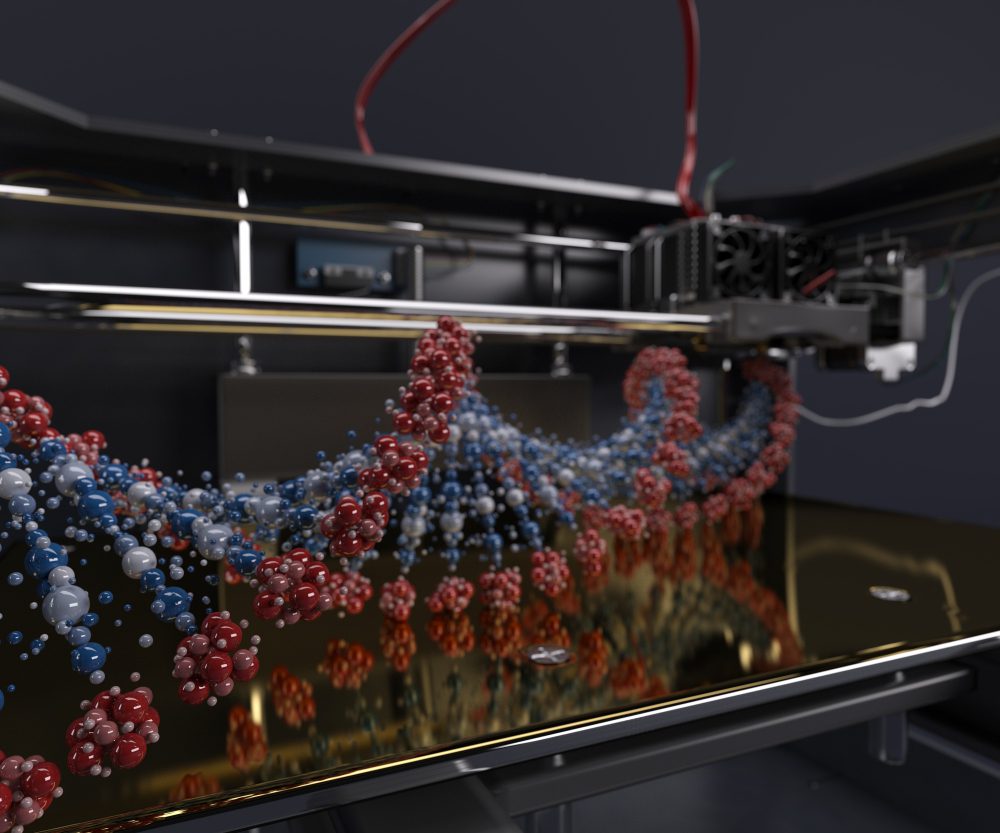
Sweden's journey into personalized medicine and bioprinting is rooted in its strong academic infrastructure and a culture that fosters interdisciplinary collaboration. Universities like Karolinska Institutet, Chalmers University of Technology, and Uppsala University have established world-class research groups dedicated to tissue engineering, biomaterials science, and advanced manufacturing. These institutions are at the forefront of developing novel bioprinting techniques that can create constructs with cellular precision, mimicking the intricate architecture of native tissues. The focus on personalized bioprinting Sweden is driven by the understanding that a one-size-fits-all approach to medicine often falls short. Instead, the goal is to develop patient-specific solutions, whether it's for drug screening on patient-derived 3D printed tissues or for regenerative therapies using tailored treatments.
Bilangual: Sweden's journey into personalized medicine and bioprinting is rooted in its strong academic infrastructure and a culture that fosters interdisciplinary collaboration. Universities like Karolinska Institutet, Chalmers University of Technology, and Uppsala University have established world-class research groups dedicated to tissue engineering, biomaterials science, and advanced manufacturing. These institutions are at the forefront of developing novel bioprinting techniques that can create constructs with cellular precision, mimicking the intricate architecture of native tissues. The focus on personalized bioprinting Sweden is driven by the understanding that a one-size-fits-all approach to medicine often falls short. Instead, the goal is to develop patient-specific solutions, whether it's for drug screening on patient-derived 3D printed tissues or for regenerative therapies using tailored treatments.
Advancements in 3D Bioprinting Technologies
The technological landscape of bioprinting is diverse, encompassing various methods such as extrusion-based bioprinting, inkjet bioprinting, and laser-assisted bioprinting. Swedish researchers are pushing the boundaries in all these areas, often integrating them with advanced imaging and computational modeling to achieve unprecedented levels of control and accuracy. For instance, innovations in bioink development are crucial for creating viable 3D printed tissues. Scientists are engineering smart biomaterials that can encapsulate cells, provide structural support, and even deliver growth factors, responding dynamically to their environment. These advancements are critical for ensuring the longevity and functionality of the bioprinted constructs, making them suitable for complex applications like organoids for disease modeling or even full-scale organ transplantation. The commitment to Deep Science Applied principles ensures that these technological leaps are grounded in rigorous scientific understanding and practical utility.
Bilangual: The technological landscape of bioprinting is diverse, encompassing various methods such as extrusion-based bioprinting, inkjet bioprinting, and laser-assisted bioprinting. Swedish researchers are pushing the boundaries in all these areas, often integrating them with advanced imaging and computational modeling to achieve unprecedented levels of control and accuracy. For instance, innovations in bioink development are crucial for creating viable 3D printed tissues. Scientists are engineering smart biomaterials that can encapsulate cells, provide structural support, and even deliver growth factors, responding dynamically to their environment. These advancements are critical for ensuring the longevity and functionality of the bioprinted constructs, making them suitable for complex applications like organoids for disease modeling or even full-scale organ transplantation. The commitment to Deep Science Applied principles ensures that these technological leaps are grounded in rigorous scientific understanding and practical utility.
Applications and Impact on Tailored Treatments
The potential applications of bioprinting in personalized medicine are vast and transformative. One of the most immediate impacts is in drug testing. Instead of relying on animal models or traditional 2D cell cultures, which often fail to accurately predict human responses, bioprinted human tissues can serve as more relevant and predictive platforms. This allows pharmaceutical companies to screen drugs more effectively, leading to the development of more potent and safer tailored treatments. Furthermore, for patients requiring tissue or organ transplants, bioprinting offers the promise of creating patient-specific grafts, reducing the risk of immune rejection and eliminating the need for immunosuppressive drugs. Imagine a future where a patient's own cells are used to print a new kidney or a section of damaged heart tissue – this is the vision that personalized bioprinting Sweden is actively pursuing. The collaborative ecosystem, often fueled by Deep Science Innovation, is accelerating these advancements from lab to clinic.
Bilangual: The potential applications of bioprinting in personalized medicine are vast and transformative. One of the most immediate impacts is in drug testing. Instead of relying on animal models or traditional 2D cell cultures, which often fail to accurately predict human responses, bioprinted human tissues can serve as more relevant and predictive platforms. This allows pharmaceutical companies to screen drugs more effectively, leading to the development of more potent and safer tailored treatments. Furthermore, for patients requiring tissue or organ transplants, bioprinting offers the promise of creating patient-specific grafts, reducing the risk of immune rejection and eliminating the need for immunosuppressive drugs. Imagine a future where a patient's own cells are used to print a new kidney or a section of damaged heart tissue – this is the vision that personalized bioprinting Sweden is actively pursuing. The collaborative ecosystem, often fueled by Deep Science Innovation, is accelerating these advancements from lab to clinic.
Sweden's Collaborative Ecosystem and Future Outlook
Sweden's success in bioprinting is not solely due to individual research groups but also to its robust collaborative ecosystem. This includes strong links between academia, industry, and healthcare providers. Government funding bodies and private investments are increasingly recognizing the strategic importance of bioprinting, channeling resources into cutting-edge projects. This collaborative spirit fosters an environment where ideas can be rapidly translated from basic research to clinical applications. Looking ahead, the challenges remain significant, including scaling up production, ensuring regulatory compliance for bioprinted products, and achieving long-term vascularization and innervation of complex 3D printed tissues. However, with the continued dedication to Deep Science Applied principles and a commitment to fostering Deep Science Innovation, Sweden is well-positioned to overcome these hurdles and remain at the forefront of personalized bioprinting. The country's strategic investments in infrastructure and talent will undoubtedly continue to yield groundbreaking results, solidifying its role as a global leader in this transformative field.
Bilangual: Sweden's success in bioprinting is not solely due to individual research groups but also to its robust collaborative ecosystem. This includes strong links between academia, industry, and healthcare providers. Government funding bodies and private investments are increasingly recognizing the strategic importance of bioprinting, channeling resources into cutting-edge projects. This collaborative spirit fosters an environment where ideas can be rapidly translated from basic research to clinical applications. Looking ahead, the challenges remain significant, including scaling up production, ensuring regulatory compliance for bioprinted products, and achieving long-term vascularization and innervation of complex 3D printed tissues. However, with the continued dedication to Deep Science Applied principles and a commitment to fostering Deep Science Innovation, Sweden is well-positioned to overcome these hurdles and remain at the forefront of personalized bioprinting. The country's strategic investments in infrastructure and talent will undoubtedly continue to yield groundbreaking results, solidifying its role as a global leader in this transformative field.
Ethical Considerations and Societal Impact
As with any transformative technology, bioprinting also brings forth important ethical considerations. The creation of complex biological structures, and potentially organs, raises questions about the definition of life, the commercialization of human tissues, and equitable access to these advanced tailored treatments. Sweden, known for its progressive societal values, is actively engaging in these discussions, ensuring that ethical guidelines and regulatory frameworks evolve alongside the scientific advancements. The goal is to maximize the therapeutic benefits of personalized bioprinting while minimizing potential risks and ensuring responsible innovation. Public engagement and education are crucial to building trust and understanding around these technologies. The long-term societal impact of readily available 3D printed tissues and organs could be profound, alleviating organ shortages and drastically improving the quality of life for millions. This holistic approach, integrating science with ethics, is a hallmark of Deep Science Applied in a responsible manner.
Bilangual: As with any transformative technology, bioprinting also brings forth important ethical considerations. The creation of complex biological structures, and potentially organs, raises questions about the definition of life, the commercialization of human tissues, and equitable access to these advanced tailored treatments. Sweden, known for its progressive societal values, is actively engaging in these discussions, ensuring that ethical guidelines and regulatory frameworks evolve alongside the scientific advancements. The goal is to maximize the therapeutic benefits of personalized bioprinting while minimizing potential risks and ensuring responsible innovation. Public engagement and education are crucial to building trust and understanding around these technologies. The long-term societal impact of readily available 3D printed tissues and organs could be profound, alleviating organ shortages and drastically improving the quality of life for millions. This holistic approach, integrating science with ethics, is a hallmark of Deep Science Applied in a responsible manner.
Conclusion: A Future Printed in Sweden
Sweden's dedication to personalized bioprinting is setting a global benchmark for innovation in healthcare. Through pioneering research, robust technological development, and a collaborative ecosystem, the nation is actively shaping a future where medical treatments are truly individualized. The promise of tailored treatments and functional 3D printed tissues is no longer a distant dream but an approaching reality, thanks to the relentless efforts of Swedish scientists and innovators. As Deep Science Applied continues to push the boundaries of what is possible, and Deep Science Innovation drives new discoveries, Sweden's contributions will undoubtedly lead to a healthier, more personalized future for patients worldwide. The journey of bioprinting from concept to clinic is complex, but Sweden's strategic and ethical approach positions it as a key player in this medical revolution.
Bilangual: Sweden's dedication to personalized bioprinting is setting a global benchmark for innovation in healthcare. Through pioneering research, robust technological development, and a collaborative ecosystem, the nation is actively shaping a future where medical treatments are truly individualized. The promise of tailored treatments and functional 3D printed tissues is no longer a distant dream but an approaching reality, thanks to the relentless efforts of Swedish scientists and innovators. As Deep Science Applied continues to push the boundaries of what is possible, and Deep Science Innovation drives new discoveries, Sweden's contributions will undoubtedly lead to a healthier, more personalized future for patients worldwide. The journey of bioprinting from concept to clinic is complex, but Sweden's strategic and ethical approach positions it as a key player in this medical revolution.