
The United Arab Emirates is rapidly emerging as a global hub for innovation, particularly in advanced technological fields like biotechnology and biomedical engineering. Within this burgeoning landscape, bioprinting stands out as a revolutionary discipline, poised to transform healthcare, regenerative medicine, and pharmaceutical research on an unprecedented scale. This cutting-edge technology, which involves the precise layer-by-layer creation of biological structures using living cells and biomaterials, holds immense promise for addressing critical global challenges, including chronic organ shortages, accelerating drug discovery processes, and enabling truly personalized medicine. For ambitious students in the UAE, understanding the diverse and evolving educational pathways in bioprinting is not just an academic pursuit; it is a crucial step towards embarking on a fulfilling, impactful, and pioneering career that will shape the future of medicine. This comprehensive article delves into the academic and vocational opportunities available, illuminating how aspiring professionals can effectively contribute to and lead in this transformative sector, securing their place at the forefront of biomedical advancement.
The United Arab Emirates is rapidly emerging as a global hub for innovation, particularly in advanced technological fields like biotechnology and biomedical engineering. Within this burgeoning landscape, bioprinting stands out as a revolutionary discipline, poised to transform healthcare, regenerative medicine, and pharmaceutical research on an unprecedented scale. This cutting-edge technology, which involves the precise layer-by-layer creation of biological structures using living cells and biomaterials, holds immense promise for addressing critical global challenges, including chronic organ shortages, accelerating drug discovery processes, and enabling truly personalized medicine. For ambitious students in the UAE, understanding the diverse and evolving educational pathways in bioprinting is not just an academic pursuit; it is a crucial step towards embarking on a fulfilling, impactful, and pioneering career that will shape the future of medicine. This comprehensive article delves into the academic and vocational opportunities available, illuminating how aspiring professionals can effectively contribute to and lead in this transformative sector, securing their place at the forefront of biomedical advancement.
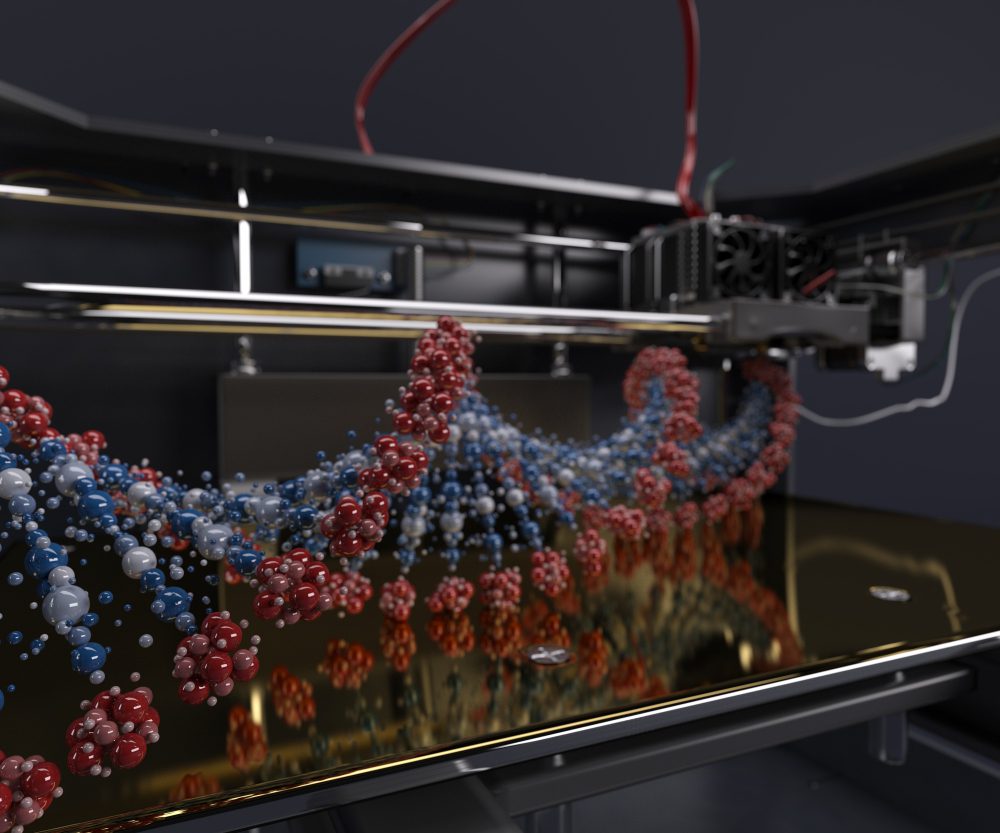
The United Arab Emirates is rapidly emerging as a global hub for innovation, particularly in advanced technological fields like biotechnology and biomedical engineering. Within this burgeoning landscape, bioprinting stands out as a revolutionary discipline, poised to transform healthcare, regenerative medicine, and pharmaceutical research on an unprecedented scale. This cutting-edge technology, which involves the precise layer-by-layer creation of biological structures using living cells and biomaterials, holds immense promise for addressing critical global challenges, including chronic organ shortages, accelerating drug discovery processes, and enabling truly personalized medicine. For ambitious students in the UAE, understanding the diverse and evolving educational pathways in bioprinting is not just an academic pursuit; it is a crucial step towards embarking on a fulfilling, impactful, and pioneering career that will shape the future of medicine. This comprehensive article delves into the academic and vocational opportunities available, illuminating how aspiring professionals can effectively contribute to and lead in this transformative sector, securing their place at the forefront of biomedical advancement.
The United Arab Emirates is rapidly emerging as a global hub for innovation, particularly in advanced technological fields like biotechnology and biomedical engineering. Within this burgeoning landscape, bioprinting stands out as a revolutionary discipline, poised to transform healthcare, regenerative medicine, and pharmaceutical research on an unprecedented scale. This cutting-edge technology, which involves the precise layer-by-layer creation of biological structures using living cells and biomaterials, holds immense promise for addressing critical global challenges, including chronic organ shortages, accelerating drug discovery processes, and enabling truly personalized medicine. For ambitious students in the UAE, understanding the diverse and evolving educational pathways in bioprinting is not just an academic pursuit; it is a crucial step towards embarking on a fulfilling, impactful, and pioneering career that will shape the future of medicine. This comprehensive article delves into the academic and vocational opportunities available, illuminating how aspiring professionals can effectively contribute to and lead in this transformative sector, securing their place at the forefront of biomedical advancement.
The UAE's strategic vision extends far beyond merely adopting advanced technologies; it is fundamentally committed to fostering local talent, nurturing innovation, and building a robust, self-sustaining research and development ecosystem. This proactive and forward-thinking approach ensures that students pursuing Biomedical Courses الإمارات العربية المتحدة are not just acquiring theoretical knowledge but are also immersed in practical applications, exposed to real-world challenges, and engaged in solving complex problems. The government's unwavering emphasis on innovation, coupled with substantial investments in world-class research parks, specialized universities, and state-of-the-art laboratories, unequivocally positions the UAE as an attractive and leading destination for aspiring bioprinting professionals. Students can anticipate access to cutting-edge facilities, dynamic collaborative research environments, and unparalleled opportunities to engage directly with leading international experts and pioneering researchers in the field. The rapid and sustained growth of the healthcare sector across the region further intensifies the demand for highly skilled professionals in specialized areas such as tissue engineering and regenerative medicine, making Tissue Engineering Studies الإمارات العربية المتحدة an exceptionally valuable and highly sought-after specialization. This strategic focus on advanced biomedical fields ensures that the educational pathways are meticulously aligned with future industry needs, providing a clear and accelerated trajectory for career growth and significant impact within the nation's burgeoning healthcare landscape.
The UAE's strategic vision extends far beyond merely adopting advanced technologies; it is fundamentally committed to fostering local talent, nurturing innovation, and building a robust, self-sustaining research and development ecosystem. This proactive and forward-thinking approach ensures that students pursuing Biomedical Courses الإمارات العربية المتحدة are not just acquiring theoretical knowledge but are also immersed in practical applications, exposed to real-world challenges, and engaged in solving complex problems. The government's unwavering emphasis on innovation, coupled with substantial investments in world-class research parks, specialized universities, and state-of-the-art laboratories, unequivocally positions the UAE as an attractive and leading destination for aspiring bioprinting professionals. Students can anticipate access to cutting-edge facilities, dynamic collaborative research environments, and unparalleled opportunities to engage directly with leading international experts and pioneering researchers in the field. The rapid and sustained growth of the healthcare sector across the region further intensifies the demand for highly skilled professionals in specialized areas such as tissue engineering and regenerative medicine, making Tissue Engineering Studies الإمارات العربية المتحدة an exceptionally valuable and highly sought-after specialization. This strategic focus on advanced biomedical fields ensures that the educational pathways are meticulously aligned with future industry needs, providing a clear and accelerated trajectory for career growth and significant impact within the nation's burgeoning healthcare landscape.
For students aspiring to forge a comprehensive and impactful career in the intricate field of bioprinting, establishing a strong and robust academic foundation is absolutely paramount. Universities across the United Arab Emirates are increasingly expanding their program offerings to incorporate crucial elements of bioprinting, often integrating them within broader and interdisciplinary departments such as biomedical engineering, materials science, and biotechnology. A bachelor's degree in Biomedical Engineering, Biotechnology, or a closely related scientific discipline typically serves as the essential foundational step. These foundational programs meticulously provide students with indispensable knowledge in core scientific disciplines including biology, chemistry, physics, and fundamental engineering principles, all of which are critically important for comprehending the inherent complexities and nuances of bioprinting. They systematically lay the groundwork for more advanced studies and practical applications in the field, rigorously preparing students for the demanding and multidisciplinary nature of this cutting-edge science.
For students aspiring to forge a comprehensive and impactful career in the intricate field of bioprinting, establishing a strong and robust academic foundation is absolutely paramount. Universities across the United Arab Emirates are increasingly expanding their program offerings to incorporate crucial elements of bioprinting, often integrating them within broader and interdisciplinary departments such as biomedical engineering, materials science, and biotechnology. A bachelor's degree in Biomedical Engineering, Biotechnology, or a closely related scientific discipline typically serves as the essential foundational step. These foundational programs meticulously provide students with indispensable knowledge in core scientific disciplines including biology, chemistry, physics, and fundamental engineering principles, all of which are critically important for comprehending the inherent complexities and nuances of bioprinting. They systematically lay the groundwork for more advanced studies and practical applications in the field, rigorously preparing students for the demanding and multidisciplinary nature of this cutting-edge science.
At the undergraduate level, students have the option to pursue specialized 3D Printing Degrees UAE with a dedicated focus on biomedical applications, or they can opt for more general degrees in Biomedical Engineering that thoughtfully include comprehensive modules on additive manufacturing, biomaterials science, and tissue engineering principles. As students progress in their academic journey, postgraduate studies become undeniably vital for achieving true specialization and expertise. Master's and Ph.D. programs offer highly advanced coursework and unparalleled research opportunities in highly specialized areas such as innovative bio-ink development, sophisticated bioprinter design and optimization, advanced tissue regeneration strategies, and the burgeoning field of organ-on-a-chip technologies. These rigorous programs frequently involve extensive hands-on laboratory work, empowering students to gain invaluable practical experience with cutting-edge bioprinting equipment and advanced techniques. Furthermore, many leading universities actively collaborate with prestigious hospitals and pioneering research institutes, providing students with invaluable exposure to critical clinical and translational research. This strong emphasis on practical skills and interdisciplinary knowledge ensures that graduates are exceptionally well-prepared for the rigorous demands of the bioprinting industry, poised to innovate and contribute significantly to the next generation of medical solutions. The inherent depth and breadth of these programs allow for profound specialization, enabling students to emerge as recognized experts in specific facets of bioprinting, ranging from intricate cellular mechanics to complex bioreactor design and operation.
At the undergraduate level, students have the option to pursue specialized 3D Printing Degrees UAE with a dedicated focus on biomedical applications, or they can opt for more general degrees in Biomedical Engineering that thoughtfully include comprehensive modules on additive manufacturing, biomaterials science, and tissue engineering principles. As students progress in their academic journey, postgraduate studies become undeniably vital for achieving true specialization and expertise. Master's and Ph.D. programs offer highly advanced coursework and unparalleled research opportunities in highly specialized areas such as innovative bio-ink development, sophisticated bioprinter design and optimization, advanced tissue regeneration strategies, and the burgeoning field of organ-on-a-chip technologies. These rigorous programs frequently involve extensive hands-on laboratory work, empowering students to gain invaluable practical experience with cutting-edge bioprinting equipment and advanced techniques. Furthermore, many leading universities actively collaborate with prestigious hospitals and pioneering research institutes, providing students with invaluable exposure to critical clinical and translational research. This strong emphasis on practical skills and interdisciplinary knowledge ensures that graduates are exceptionally well-prepared for the rigorous demands of the bioprinting industry, poised to innovate and contribute significantly to the next generation of medical solutions. The inherent depth and breadth of these programs allow for profound specialization, enabling students to emerge as recognized experts in specific facets of bioprinting, ranging from intricate cellular mechanics to complex bioreactor design and operation.
Beyond the scope of traditional academic degrees, specialized training programs and professional certifications play an undeniably crucial role in equipping aspiring professionals with the precise and highly sought-after skills required for the rapidly evolving and dynamic bioprinting sector. Esteemed institutions like Deep Science Academy are at the absolute forefront of offering targeted educational experiences meticulously designed to effectively bridge the critical gap between theoretical academic knowledge and practical industry application. These focused programs are ideally suited for recent graduates seeking to specialize their expertise, or for seasoned professionals looking to significantly upskill and seamlessly transition into the burgeoning bioprinting field. The inherent flexibility and intensely focused nature of such courses make them an excellent and strategic choice for individuals aiming to quickly gain comprehensive expertise in niche areas, thereby providing a direct and efficient route to applying advanced bioprinting techniques in real-world research and clinical scenarios.
Beyond the scope of traditional academic degrees, specialized training programs and professional certifications play an undeniably crucial role in equipping aspiring professionals with the precise and highly sought-after skills required for the rapidly evolving and dynamic bioprinting sector. Esteemed institutions like Deep Science Academy are at the absolute forefront of offering targeted educational experiences meticulously designed to effectively bridge the critical gap between theoretical academic knowledge and practical industry application. These focused programs are ideally suited for recent graduates seeking to specialize their expertise, or for seasoned professionals looking to significantly upskill and seamlessly transition into the burgeoning bioprinting field. The inherent flexibility and intensely focused nature of such courses make them an excellent and strategic choice for individuals aiming to quickly gain comprehensive expertise in niche areas, thereby providing a direct and efficient route to applying advanced bioprinting techniques in real-world research and clinical scenarios.
The innovative Deep Science Curriculum offers a progressive and highly effective approach to learning, delivering profound, in-depth knowledge through expertly structured specialized modules. For instance, a Deep Science Microdegrees in Bioprinting can comprehensively cover a wide array of topics, ranging from the fundamental principles of cell biology and biomaterials science to advanced bioprinter operation, maintenance, and sophisticated tissue construct design. These microdegrees are frequently developed in close collaboration with leading industry experts, meticulously ensuring that the curriculum is highly relevant, current, and perfectly aligned with prevailing market demands and technological advancements. Similarly, obtaining a prestigious Deep Science Certification in specific bioprinting techniques, such as advanced scaffold fabrication or precise cell encapsulation, can significantly enhance a professional's resume and demonstrably boost their practical capabilities. These certifications are particularly valuable for unequivocally demonstrating proficiency in highly specialized areas, making graduates significantly more competitive and desirable in the rapidly evolving job market. The hands-on nature of these programs, often incorporating intensive practical workshops and challenging project-based learning, ensures that participants develop tangible, immediately applicable skills relevant to research laboratories, cutting-edge biotech companies, and advanced healthcare facilities. This robust practical emphasis is absolutely key to cultivating a highly skilled workforce capable of driving continuous innovation and technological advancement within the UAE's burgeoning bioprinting sector.
The innovative Deep Science Curriculum offers a progressive and highly effective approach to learning, delivering profound, in-depth knowledge through expertly structured specialized modules. For instance, a Deep Science Microdegrees in Bioprinting can comprehensively cover a wide array of topics, ranging from the fundamental principles of cell biology and biomaterials science to advanced bioprinter operation, maintenance, and sophisticated tissue construct design. These microdegrees are frequently developed in close collaboration with leading industry experts, meticulously ensuring that the curriculum is highly relevant, current, and perfectly aligned with prevailing market demands and technological advancements. Similarly, obtaining a prestigious Deep Science Certification in specific bioprinting techniques, such as advanced scaffold fabrication or precise cell encapsulation, can significantly enhance a professional's resume and demonstrably boost their practical capabilities. These certifications are particularly valuable for unequivocally demonstrating proficiency in highly specialized areas, making graduates significantly more competitive and desirable in the rapidly evolving job market. The hands-on nature of these programs, often incorporating intensive practical workshops and challenging project-based learning, ensures that participants develop tangible, immediately applicable skills relevant to research laboratories, cutting-edge biotech companies, and advanced healthcare facilities. This robust practical emphasis is absolutely key to cultivating a highly skilled workforce capable of driving continuous innovation and technological advancement within the UAE's burgeoning bioprinting sector.
A truly successful and impactful career in bioprinting necessitates the mastery of a profoundly multidisciplinary skill set. Beyond formal academic education, aspiring professionals must diligently cultivate a sophisticated blend of scientific acumen, engineering prowess, and advanced analytical competencies. A strong and unwavering foundational knowledge in cell biology, molecular biology, and biomaterials science is unequivocally crucial for comprehensively understanding the intricate biological components inherent to bioprinting. This includes a thorough familiarity with diverse cell types, their specific growth and differentiation requirements, and the unique properties and behaviors of various bio-inks. Furthermore, a solid and comprehensive grasp of fundamental engineering principles, particularly in specialized areas such as mechanical engineering, electrical engineering, and computer-aided design (CAD), is absolutely essential for effectively designing, operating, and maintaining sophisticated bioprinters. Proficiency in advanced software tools for 3D modeling, simulation, and complex data analysis is also highly beneficial, as is a nuanced understanding of automation, robotics, and artificial intelligence in the context of advanced manufacturing and biomedical applications.
A truly successful and impactful career in bioprinting necessitates the mastery of a profoundly multidisciplinary skill set. Beyond formal academic education, aspiring professionals must diligently cultivate a sophisticated blend of scientific acumen, engineering prowess, and advanced analytical competencies. A strong and unwavering foundational knowledge in cell biology, molecular biology, and biomaterials science is unequivocally crucial for comprehensively understanding the intricate biological components inherent to bioprinting. This includes a thorough familiarity with diverse cell types, their specific growth and differentiation requirements, and the unique properties and behaviors of various bio-inks. Furthermore, a solid and comprehensive grasp of fundamental engineering principles, particularly in specialized areas such as mechanical engineering, electrical engineering, and computer-aided design (CAD), is absolutely essential for effectively designing, operating, and maintaining sophisticated bioprinters. Proficiency in advanced software tools for 3D modeling, simulation, and complex data analysis is also highly beneficial, as is a nuanced understanding of automation, robotics, and artificial intelligence in the context of advanced manufacturing and biomedical applications.
Given the inherently interdisciplinary nature of bioprinting, the ability to collaborate seamlessly and effectively with professionals from remarkably diverse backgrounds—including expert biologists, innovative engineers, skilled clinicians, and pioneering material scientists—is a key determinant of success. Exceptional problem-solving skills, rigorous critical thinking, and meticulous attention to detail are also indispensable attributes, particularly when conducting complex experiments, troubleshooting sophisticated equipment, or analyzing vast amounts of intricate biological data. Practical, hands-on experience gained through immersive internships, challenging research projects, or specialized workshops, such as those expertly offered by Deep Science Academy, is unequivocally invaluable. This direct, hands-on exposure empowers students to apply theoretical knowledge in a dynamic, real-world setting, meticulously refine their laboratory techniques, and proactively develop innovative solutions to the most pressing current challenges in the field. Developing these crucial skills early on through focused Bioprinting Education UAE programs can significantly enhance career prospects, making graduates exceptionally adaptable, highly sought-after, and immensely valuable assets in any bioprinting endeavor, from academic research to industrial application.
Given the inherently interdisciplinary nature of bioprinting, the ability to collaborate seamlessly and effectively with professionals from remarkably diverse backgrounds—including expert biologists, innovative engineers, skilled clinicians, and pioneering material scientists—is a key determinant of success. Exceptional problem-solving skills, rigorous critical thinking, and meticulous attention to detail are also indispensable attributes, particularly when conducting complex experiments, troubleshooting sophisticated equipment, or analyzing vast amounts of intricate biological data. Practical, hands-on experience gained through immersive internships, challenging research projects, or specialized workshops, such as those expertly offered by Deep Science Academy, is unequivocally invaluable. This direct, hands-on exposure empowers students to apply theoretical knowledge in a dynamic, real-world setting, meticulously refine their laboratory techniques, and proactively develop innovative solutions to the most pressing current challenges in the field. Developing these crucial skills early on through focused Bioprinting Education UAE programs can significantly enhance career prospects, making graduates exceptionally adaptable, highly sought-after, and immensely valuable assets in any bioprinting endeavor, from academic research to industrial application.
While the transformative promise of bioprinting is undeniably vast, the field also confronts significant scientific, technological, and profound ethical challenges that future professionals must be thoroughly prepared to address with diligence and foresight. Scientifically, one of the most formidable hurdles remains the successful replication of the incredibly complex vascularization and intricate innervation characteristic of natural human tissues. Ensuring the long-term viability, robust functionality, and complete integration of bioprinted organs within a living biological system requires extensive, groundbreaking research and continuous development. Technologically, ongoing efforts are focused on dramatically improving the resolution and speed of bioprinters, as well as pioneering the development of novel biocompatible and biodegradable bio-inks that precisely mimic the mechanical and biological properties of natural tissue. These inherent challenges underscore the critical need for continuous, cutting-edge research and the cultivation of advanced skills, which are best acquired through rigorous and specialized Biomedical Courses الإمارات العربية المتحدة.
While the transformative promise of bioprinting is undeniably vast, the field also confronts significant scientific, technological, and profound ethical challenges that future professionals must be thoroughly prepared to address with diligence and foresight. Scientifically, one of the most formidable hurdles remains the successful replication of the incredibly complex vascularization and intricate innervation characteristic of natural human tissues. Ensuring the long-term viability, robust functionality, and complete integration of bioprinted organs within a living biological system requires extensive, groundbreaking research and continuous development. Technologically, ongoing efforts are focused on dramatically improving the resolution and speed of bioprinters, as well as pioneering the development of novel biocompatible and biodegradable bio-inks that precisely mimic the mechanical and biological properties of natural tissue. These inherent challenges underscore the critical need for continuous, cutting-edge research and the cultivation of advanced skills, which are best acquired through rigorous and specialized Biomedical Courses الإمارات العربية المتحدة.
Ethical considerations are equally, if not more, important as bioprinting continues its rapid advancement towards the creation of fully functional organs for transplantation. Profound questions inevitably arise regarding equitable access to these life-saving technologies, the potential commercialization of human tissues, and the deep moral implications of creating increasingly life-like biological constructs. Regulatory frameworks are still in their nascent stages globally, and future professionals in the UAE will need to be acutely aware of both local and international guidelines and regulations governing research and application in this highly sensitive and transformative area. Crucial discussions around informed patient consent, stringent data privacy, and the responsible, ethical use of such powerful technology are absolutely integral to the sustainable and responsible development of bioprinting. Educational pathways, including those offering comprehensive 3D Printing Degrees UAE and in-depth Tissue Engineering Studies الإمارات العربية المتحدة, must proactively incorporate these vital ethical dimensions to ensure a holistic understanding and to foster a culture of responsible innovation. Addressing these multifaceted challenges requires not only exceptional scientific prowess and technological ingenuity but also a strong ethical compass, profound societal awareness, and an unwavering commitment to the well-being of humanity.
Ethical considerations are equally, if not more, important as bioprinting continues its rapid advancement towards the creation of fully functional organs for transplantation. Profound questions inevitably arise regarding equitable access to these life-saving technologies, the potential commercialization of human tissues, and the deep moral implications of creating increasingly life-like biological constructs. Regulatory frameworks are still in their nascent stages globally, and future professionals in the UAE will need to be acutely aware of both local and international guidelines and regulations governing research and application in this highly sensitive and transformative area. Crucial discussions around informed patient consent, stringent data privacy, and the responsible, ethical use of such powerful technology are absolutely integral to the sustainable and responsible development of bioprinting. Educational pathways, including those offering comprehensive 3D Printing Degrees UAE and in-depth Tissue Engineering Studies الإمارات العربية المتحدة, must proactively incorporate these vital ethical dimensions to ensure a holistic understanding and to foster a culture of responsible innovation. Addressing these multifaceted challenges requires not only exceptional scientific prowess and technological ingenuity but also a strong ethical compass, profound societal awareness, and an unwavering commitment to the well-being of humanity.
The United Arab Emirates has demonstrably made significant and strategic strides in establishing a robust, dynamic, and globally recognized research and innovation ecosystem, particularly within the domain of advanced medical technologies. Various specialized free zones, cutting-edge research parks, and innovative hubs, such as the prominent Dubai Healthcare City and the sustainable Masdar City, are actively fostering an environment uniquely conducive to groundbreaking discoveries and rapid advancements in bioprinting and regenerative medicine. These visionary initiatives are successfully attracting top-tier international talent and substantial investment, thereby creating unparalleled dynamic research opportunities for both aspiring students and seasoned professionals alike. Leading universities are deeply involved in pioneering, cutting-edge research, frequently collaborating with influential industry partners and prestigious international institutions to relentlessly push the boundaries of what is scientifically and technologically possible in bioprinting. This vibrant and collaborative research landscape provides an ideal and stimulating setting for students pursuing advanced Biomedical Courses الإمارات العربية المتحدة, offering unparalleled access to state-of-the-art facilities, world-renowned experts, and a wealth of interdisciplinary knowledge.
The United Arab Emirates has demonstrably made significant and strategic strides in establishing a robust, dynamic, and globally recognized research and innovation ecosystem, particularly within the domain of advanced medical technologies. Various specialized free zones, cutting-edge research parks, and innovative hubs, such as the prominent Dubai Healthcare City and the sustainable Masdar City, are actively fostering an environment uniquely conducive to groundbreaking discoveries and rapid advancements in bioprinting and regenerative medicine. These visionary initiatives are successfully attracting top-tier international talent and substantial investment, thereby creating unparalleled dynamic research opportunities for both aspiring students and seasoned professionals alike. Leading universities are deeply involved in pioneering, cutting-edge research, frequently collaborating with influential industry partners and prestigious international institutions to relentlessly push the boundaries of what is scientifically and technologically possible in bioprinting. This vibrant and collaborative research landscape provides an ideal and stimulating setting for students pursuing advanced Biomedical Courses الإمارات العربية المتحدة, offering unparalleled access to state-of-the-art facilities, world-renowned experts, and a wealth of interdisciplinary knowledge.
Government initiatives and substantial funding programs are actively and strategically supporting groundbreaking research in fields intrinsically related to bioprinting, including advanced manufacturing techniques, innovative materials science, and transformative stem cell research. This strong and unwavering governmental backing ensures that the essential infrastructure and critical resources required for high-impact research are readily available and continuously enhanced. Furthermore, there is a discernible and growing trend of synergistic collaboration between esteemed academic institutions and dynamic private sector companies, which consistently leads to the accelerated development of innovative products, services, and solutions that address real-world healthcare needs. Students enrolled in specialized 3D Printing Degrees UAE programs or undertaking in-depth Tissue Engineering Studies الإمارات العربية المتحدة often have the invaluable opportunity to actively participate in these collaborative projects, thereby gaining direct exposure to commercialization pathways, industry best practices, and the intricacies of bringing scientific breakthroughs to market. This powerful synergy between academia, government, and industry is absolutely crucial for effectively translating complex research findings into tangible healthcare benefits and for firmly establishing the UAE as a global leader in advanced bioprinting technology, fostering a dynamic and fertile environment for continuous innovation and sustainable growth.
Government initiatives and substantial funding programs are actively and strategically supporting groundbreaking research in fields intrinsically related to bioprinting, including advanced manufacturing techniques, innovative materials science, and transformative stem cell research. This strong and unwavering governmental backing ensures that the essential infrastructure and critical resources required for high-impact research are readily available and continuously enhanced. Furthermore, there is a discernible and growing trend of synergistic collaboration between esteemed academic institutions and dynamic private sector companies, which consistently leads to the accelerated development of innovative products, services, and solutions that address real-world healthcare needs. Students enrolled in specialized 3D Printing Degrees UAE programs or undertaking in-depth Tissue Engineering Studies الإمارات العربية المتحدة often have the invaluable opportunity to actively participate in these collaborative projects, thereby gaining direct exposure to commercialization pathways, industry best practices, and the intricacies of bringing scientific breakthroughs to market. This powerful synergy between academia, government, and industry is absolutely crucial for effectively translating complex research findings into tangible healthcare benefits and for firmly establishing the UAE as a global leader in advanced bioprinting technology, fostering a dynamic and fertile environment for continuous innovation and sustainable growth.
The future trajectory of bioprinting in the UAE is exceptionally bright and full of promise, driven by relentless ongoing technological advancements, ever-increasing global healthcare demands, and astute strategic national investments. As this revolutionary field continues to mature and expand, novel applications are continually emerging, ranging from the precise printing of complex human organs for life-saving transplantation to the creation of highly realistic tissue models for advanced drug testing and intricate disease research. This remarkable expansion will undoubtedly fuel a rapidly growing demand for highly skilled professionals across a diverse array of roles, including innovative bioprinting engineers, dedicated biomedical researchers, expert bio-ink developers, meticulous quality assurance specialists, and insightful regulatory affairs experts. The inherently interdisciplinary nature of bioprinting means that potential career paths are incredibly diverse and dynamic, spanning academia, the thriving biotechnology industry, and crucial clinical settings. Graduates equipped with a strong and comprehensive foundation in Bioprinting Education UAE will find themselves strategically positioned at the very forefront of this exciting medical revolution, poised to make significant and lasting contributions to global healthcare and scientific progress.
The future trajectory of bioprinting in the UAE is exceptionally bright and full of promise, driven by relentless ongoing technological advancements, ever-increasing global healthcare demands, and astute strategic national investments. As this revolutionary field continues to mature and expand, novel applications are continually emerging, ranging from the precise printing of complex human organs for life-saving transplantation to the creation of highly realistic tissue models for advanced drug testing and intricate disease research. This remarkable expansion will undoubtedly fuel a rapidly growing demand for highly skilled professionals across a diverse array of roles, including innovative bioprinting engineers, dedicated biomedical researchers, expert bio-ink developers, meticulous quality assurance specialists, and insightful regulatory affairs experts. The inherently interdisciplinary nature of bioprinting means that potential career paths are incredibly diverse and dynamic, spanning academia, the thriving biotechnology industry, and crucial clinical settings. Graduates equipped with a strong and comprehensive foundation in Bioprinting Education UAE will find themselves strategically positioned at the very forefront of this exciting medical revolution, poised to make significant and lasting contributions to global healthcare and scientific progress.
The UAE's resolute commitment to becoming a global leader in healthcare innovation signifies that professionals possessing expertise in bioprinting will be exceptionally valued and highly sought after. Opportunities will consistently arise in specialized clinics, advanced research institutions, leading pharmaceutical companies, and cutting-edge medical device manufacturers. Furthermore, the vibrant and supportive entrepreneurial ecosystem in the UAE actively encourages and facilitates the growth of startups in advanced technologies, thereby providing exciting avenues for visionary individuals to launch their own pioneering ventures in bioprinting. Programs like the comprehensive Deep Science Curriculum, with its strong emphasis on developing practical skills and ensuring direct industry relevance, are specifically designed to meticulously prepare students for these emerging and high-demand roles. Whether through a specialized Deep Science Microdegrees or a targeted Deep Science Certification, aspiring bioprinting experts can gain the crucial competitive edge needed to not only survive but truly thrive in this dynamic and rapidly advancing sector. The unwavering emphasis on innovation and the swift adoption of groundbreaking new technologies ensure that the UAE will remain a pivotal hub for pioneering advancements in biomedical fields, offering an incredibly promising future for those who choose to specialize in bioprinting and commit to contributing to a healthier and more technologically advanced society for all.
The UAE's resolute commitment to becoming a global leader in healthcare innovation signifies that professionals possessing expertise in bioprinting will be exceptionally valued and highly sought after. Opportunities will consistently arise in specialized clinics, advanced research institutions, leading pharmaceutical companies, and cutting-edge medical device manufacturers. Furthermore, the vibrant and supportive entrepreneurial ecosystem in the UAE actively encourages and facilitates the growth of startups in advanced technologies, thereby providing exciting avenues for visionary individuals to launch their own pioneering ventures in bioprinting. Programs like the comprehensive Deep Science Curriculum, with its strong emphasis on developing practical skills and ensuring direct industry relevance, are specifically designed to meticulously prepare students for these emerging and high-demand roles. Whether through a specialized Deep Science Microdegrees or a targeted Deep Science Certification, aspiring bioprinting experts can gain the crucial competitive edge needed to not only survive but truly thrive in this dynamic and rapidly advancing sector. The unwavering emphasis on innovation and the swift adoption of groundbreaking new technologies ensure that the UAE will remain a pivotal hub for pioneering advancements in biomedical fields, offering an incredibly promising future for those who choose to specialize in bioprinting and commit to contributing to a healthier and more technologically advanced society for all.
The transformative field of bioprinting represents an exhilarating frontier of scientific discovery and medical innovation, holding the profound potential to fundamentally revolutionize healthcare as we currently understand it. For ambitious students in the United Arab Emirates, the opportunities to actively engage with and contribute to this groundbreaking technology are not only abundant but are also continuously expanding. From foundational Biomedical Courses الإمارات العربية المتحدة offered at leading universities to highly specialized training programs and prestigious Deep Science Certification options, there are multiple, well-defined pathways available to acquire the necessary knowledge, develop critical skills, and gain invaluable practical experience. By making the strategic choice to pursue Bioprinting Education UAE, students are not merely investing in a promising and lucrative career; they are also actively contributing to the UAE's visionary goal of becoming a preeminent global leader in advanced medical technologies, cutting-edge scientific research, and sustainable healthcare solutions. Embrace the intellectual challenge, courageously explore the vast possibilities, and become a true pioneer in shaping the future of medicine through the power of bioprinting, thereby ensuring a healthier, more technologically advanced, and prosperous society for generations to come.
The transformative field of bioprinting represents an exhilarating frontier of scientific discovery and medical innovation, holding the profound potential to fundamentally revolutionize healthcare as we currently understand it. For ambitious students in the United Arab Emirates, the opportunities to actively engage with and contribute to this groundbreaking technology are not only abundant but are also continuously expanding. From foundational Biomedical Courses الإمارات العربية المتحدة offered at leading universities to highly specialized training programs and prestigious Deep Science Certification options, there are multiple, well-defined pathways available to acquire the necessary knowledge, develop critical skills, and gain invaluable practical experience. By making the strategic choice to pursue Bioprinting Education UAE, students are not merely investing in a promising and lucrative career; they are also actively contributing to the UAE's visionary goal of becoming a preeminent global leader in advanced medical technologies, cutting-edge scientific research, and sustainable healthcare solutions. Embrace the intellectual challenge, courageously explore the vast possibilities, and become a true pioneer in shaping the future of medicine through the power of bioprinting, thereby ensuring a healthier, more technologically advanced, and prosperous society for generations to come.
Bioprinting is an advanced 3D printing technology that uses living cells and biomaterials to create functional tissues and organs. It's crucial for the UAE as it aligns with the nation's vision for healthcare innovation, addressing organ shortages, advancing personalized medicine, and establishing the UAE as a leader in biomedical research and technology.
BilangualBioprinting is an advanced 3D printing technology that uses living cells and biomaterials to create functional tissues and organs. It's crucial for the UAE as it aligns with the nation's vision for healthcare innovation, addressing organ shortages, advancing personalized medicine, and establishing the UAE as a leader in biomedical research and technology.
Students can pursue undergraduate and postgraduate degrees in Biomedical Engineering, Biotechnology, or related fields offered by universities in the UAE. Additionally, specialized programs like Deep Science Microdegrees and Deep Science Certifications provide focused training in specific bioprinting techniques and applications, offering flexible and industry-relevant educational pathways.
BilangualStudents can pursue undergraduate and postgraduate degrees in Biomedical Engineering, Biotechnology, or related fields offered by universities in the UAE. Additionally, specialized programs like Deep Science Microdegrees and Deep Science Certifications provide focused training in specific bioprinting techniques and applications, offering flexible and industry-relevant educational pathways.
Graduates with expertise in bioprinting can find diverse career opportunities as bioprinting engineers, biomedical researchers, bio-ink developers, quality assurance specialists, and regulatory affairs experts. These roles are available in research institutions, hospitals, pharmaceutical companies, medical device manufacturers, and even within the growing startup ecosystem in the UAE, contributing to regenerative medicine and personalized healthcare solutions.
BilangualGraduates with expertise in bioprinting can find diverse career opportunities as bioprinting engineers, biomedical researchers, bio-ink developers, quality assurance specialists, and regulatory affairs experts. These roles are available in research institutions, hospitals, pharmaceutical companies, medical device manufacturers, and even within the growing startup ecosystem in the UAE, contributing to regenerative medicine and personalized healthcare solutions.
Deep Science Academy offers specialized Deep Science Curriculum, including Deep Science Microdegrees and Deep Science Certifications, designed to provide practical, industry-relevant training in bioprinting. These programs bridge the gap between academic theory and real-world application, equipping students and professionals with the specific skills needed to excel in this rapidly advancing field and contribute to the UAE's innovation ecosystem.
BilangualDeep Science Academy offers specialized Deep Science Curriculum, including Deep Science Microdegrees and Deep Science Certifications, designed to provide practical, industry-relevant training in bioprinting. These programs bridge the gap between academic theory and real-world application, equipping students and professionals with the specific skills needed to excel in this rapidly advancing field and contribute to the UAE's innovation ecosystem.