
Unlocking the Future: Navigating Funding Opportunities in Stem Cell Research and Regenerative Medicine
The field of biotechnology is experiencing an unprecedented era of innovation, with stem cells and the broader domain of regenerative medicine at its forefront. These groundbreaking areas hold immense promise for treating a myriad of diseases, repairing damaged tissues, and revolutionizing healthcare as we know it. From developing novel cell therapy approaches to pioneering advancements in bioprinting and precision gene editing with technologies like CRISPR, the potential impact is limitless. However, translating this scientific potential into tangible clinical applications and widespread benefits requires substantial investment. For researchers and institutions dedicated to this vital work, the critical challenge often lies in how to find funding opportunities for stem cell research projects.
Securing adequate funding is paramount for pushing the boundaries of discovery, acquiring state-of-the-art equipment, attracting top talent, and conducting rigorous clinical trials. This article delves into the diverse landscape of funding avenues available for stem cell research and regenerative medicine, offering insights into how to strategically position your projects for success. We will explore the various types of funding, key areas of innovation that attract investment, and how specialized training from entities like Deep Science Workshops can significantly enhance your grant applications and project viability.
The Transformative Power of Stem Cell Research and Regenerative Medicine
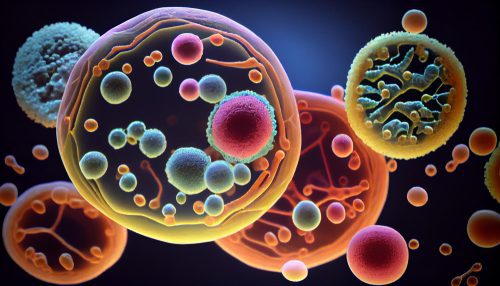
Stem cells are the body's raw materials — cells from which all other cells with specialized functions are generated. Under the right conditions in the body or a laboratory, these remarkable cells divide to form more cells called daughter cells. These daughter cells either become new stem cells or become specialized cells (differentiation) with a more specific function, such as blood cells, brain cells, heart muscle cells, or bone cells. No other cell in the body has the natural ability to generate new cell types.
Regenerative medicine harnesses this unique capability to repair or replace tissues and organs damaged by disease, trauma, or congenital defects. This includes a broad spectrum of therapies, from implanting lab-grown tissues and organs to injecting cells that stimulate the body's own repair mechanisms. The applications are vast and include treatments for heart disease, neurological disorders, diabetes, spinal cord injuries, and various degenerative conditions. The promise of such cellular treatments is to offer curative solutions rather than just managing symptoms, fundamentally changing patient outcomes.
The rapid advancements in this field are fueled by complementary technologies. For instance, bioprinting, and specifically its 3D bioprinting variant, is revolutionizing tissue engineering by allowing scientists to create complex biological structures layer by layer, potentially leading to functional organs for transplantation. Similarly, sophisticated bioreactors are essential for cultivating large quantities of cells under precisely controlled conditions, a critical step for scaling up cellular cultivation for therapeutic applications. Furthermore, the advent of CRISPR and other gene editing technologies has opened new frontiers, enabling precise modifications to genetic material to correct disease-causing mutations or enhance therapeutic efficacy of cells.
Navigating the Funding Landscape: Where to Find Support
To truly unlock the potential of stem cells and regenerative medicine, robust financial support is indispensable. Researchers often face a complex maze of funding opportunities, each with its own set of requirements and priorities. Understanding these diverse sources is the first step to successfully find funding opportunities for stem cell research projects.
Government Grants and Public Funding
National and international governmental bodies are major contributors to basic and translational stem cell research. In the United States, the National Institutes of Health (NIH) is a primary source, offering various grant mechanisms for research into these crucial cells, regenerative therapies, and related biotechnologies. Similarly, in Europe, programs like Horizon Europe provide significant funding for collaborative research projects. These grants often prioritize projects demonstrating scientific rigor, innovative approaches, and potential for significant health impact. Success in securing these grants often hinges on a meticulously crafted proposal, strong preliminary data, and a clear vision for the project's societal benefit.
Private Foundations and Non-Profit Organizations
Numerous private foundations and non-profit organizations are dedicated to specific diseases or broader biomedical research, including stem cell advancements. Examples include disease-specific foundations (e.g., for diabetes, Parkinson's, spinal cord injury) that often fund targeted research aimed at developing new therapies. These organizations can be excellent sources for pilot projects, early-career investigator awards, or research with a direct translational path. They often seek projects that align closely with their mission and have a clear potential to impact patient lives.
Venture Capital and Industry Partnerships
As stem cell and regenerative medicine therapies move closer to clinical application, venture capital firms and pharmaceutical/biotech companies become increasingly important funding partners. Venture capitalists are typically interested in projects with high commercial potential, focusing on intellectual property, market size, and clear pathways to product development. Collaborations with industry partners can provide not only funding but also access to industrial-scale resources, expertise in drug development, regulatory affairs, and market access. These partnerships are crucial for bridging the gap between academic discovery and clinical translation, especially for advanced cellular therapies and tissue engineering applications.
Philanthropy and Crowdfunding
Individual philanthropists and crowdfunding platforms are emerging as viable options for researchers to find funding opportunities for stem cell research projects. High-net-worth individuals passionate about medical advancements can provide substantial support, often with fewer bureaucratic hurdles than traditional grants. Crowdfunding, while typically for smaller amounts, can generate public awareness and support for specific projects, demonstrating community interest and potentially attracting larger investors.
Key Areas of Innovation Attracting Investment
Funders are increasingly looking for projects that push the boundaries of current knowledge and leverage cutting-edge technologies. To maximize your chances to find funding opportunities for stem cell research projects, consider focusing on these high-impact areas:
- Advanced Cell Therapy Development: Research into novel cell therapy strategies, including gene-modified cells, allogeneic cell sources, and improved delivery methods.
- Bioprinting and 3D Bioprinting: Innovations in creating functional tissues and organs using bioprinting and 3D bioprinting techniques, from scaffolds to vascularized constructs.
- CRISPR and Gene Editing Applications: Precision gene editing for correcting genetic defects in stem cells, enhancing their therapeutic properties, or developing disease models.
- Bioreactor and Cell Culture Optimization: Developing advanced bioreactors and optimizing cellular cultivation protocols for scalable, cost-effective, and high-quality cell production for clinical use.
- Tissue Engineering and Organoids: Creating complex tissue engineering constructs and organoids for disease modeling, drug screening, and regenerative therapies.
- Immunomodulation and Immune Evasion: Strategies to overcome immune rejection of transplanted cells and tissues.
- Artificial Intelligence and Machine Learning in Stem Cell Research: Utilizing AI for data analysis, drug discovery, and predicting cell differentiation pathways.
Enhancing Your Funding Prospects with Deep Science Workshops
In the highly competitive landscape of scientific funding, having a strong project proposal is not enough. Researchers need to demonstrate not only scientific merit but also practical expertise and a clear understanding of translational pathways. This is where specialized training and practical implementation support become invaluable.
Deep Science Workshops and Deep Science Implementation initiatives are designed to equip researchers with the advanced skills and knowledge necessary to excel in the rapidly evolving fields of stem cells, regenerative medicine, and related biotechnologies. Our programs offer hands-on training in critical areas such as:
- Advanced Cellular Cultivation Techniques: Mastering the intricacies of maintaining and expanding various stem cell types.
- Principles and Applications of Bioreactors: Understanding how to design and operate bioreactors for efficient and scalable cell production.
- Introduction to Bioprinting and 3D Bioprinting: Gaining practical experience in creating complex tissue constructs.
- Fundamentals of CRISPR and Gene Editing: Learning the latest techniques for precise genetic modification.
- Strategies for Tissue Engineering: Developing skills in designing and fabricating functional tissues.
- Translational Research Methodologies: Bridging the gap between lab discoveries and clinical applications.
By participating in Deep Science Workshops, you gain practical experience and theoretical depth that directly translates into more compelling grant applications. Funders are increasingly looking for teams with demonstrable expertise in cutting-edge methodologies. Our workshops provide that crucial edge, helping you articulate a more robust methodology, identify potential pitfalls, and propose innovative solutions, thereby significantly improving your ability to find funding opportunities for stem cell research projects.
Furthermore, Deep Science Implementation focuses on helping researchers translate their theoretical knowledge into practical, actionable research plans. This includes guidance on experimental design, data analysis, and even navigating the regulatory landscape for cellular therapeutic products. This holistic approach ensures that your research projects are not only scientifically sound but also strategically positioned for successful funding and eventual clinical impact.
Conclusion: Investing in the Future of Health
The journey to harness the full potential of stem cells and regenerative medicine is a long one, but it is paved with incredible promise. From combating chronic diseases to pioneering new forms of cell therapy and tissue engineering, the advancements in this field are poised to redefine healthcare. However, none of this is possible without sustained and strategic investment. The ability to find funding opportunities for stem cell research projects is therefore not just a logistical challenge but a critical determinant of scientific progress.
By understanding the diverse funding landscape, focusing on high-impact innovative areas like bioprinting, CRISPR, and advanced bioreactors, and continuously enhancing your team's capabilities through specialized training from Deep Science Workshops, you can significantly increase your chances of securing the necessary resources. Investing in stem cell research is an investment in a healthier future for all.
Don't let funding challenges hinder your groundbreaking research. Empower your team with the knowledge and skills to attract the support your projects deserve. Explore how Deep Science Workshops can be your partner in navigating the complex world of biotechnology funding and implementation.
Frequently Asked Questions (FAQ)
What types of funding are available for stem cell research?
Funding for stem cell research projects can come from various sources, including government grants (e.g., NIH, Horizon Europe), private foundations, venture capital firms, pharmaceutical companies, and philanthropic organizations. Each source often has specific criteria and focus areas, from basic research to translational and clinical applications.
How can Deep Science Workshops help in securing funding?
Deep Science Workshops offer specialized training and practical insights into advanced biotechnologies, including stem cell technologies, regenerative medicine, and gene editing. By enhancing your team's expertise and providing hands-on experience in areas like bioprinting and bioreactors, we help researchers develop more competitive and innovative project proposals, significantly improving their chances to find funding opportunities for stem cell research projects.
What emerging technologies are crucial for attracting stem cell research funding?
Key emerging technologies attracting significant funding in stem cell research include advanced cell therapy techniques, innovative bioprinting and 3D bioprinting methods for tissue engineering, precision gene editing with CRISPR, and the development of sophisticated bioreactors for large-scale cellular cultivation. Projects integrating these cutting-edge approaches often stand out to funders.
Is it important to collaborate for funding stem cell research?
Collaboration is highly beneficial for securing funding in stem cell research. Interdisciplinary projects, partnerships between academia and industry, and international collaborations are often viewed favorably by funding bodies. They demonstrate broader impact, shared resources, and a comprehensive approach to complex scientific challenges, increasing the likelihood to find funding opportunities for stem cell research projects.
What is the role of Deep Science Implementation in research advancement?
Deep Science Implementation focuses on translating theoretical knowledge into practical, actionable research plans. This includes guiding experimental design, data analysis, and navigating regulatory pathways for cell therapy products. It ensures projects are scientifically sound and strategically positioned for successful funding and clinical impact, complementing the training provided by Deep Science Workshops.