
Understanding the Power of Stem Cells in Regeneration
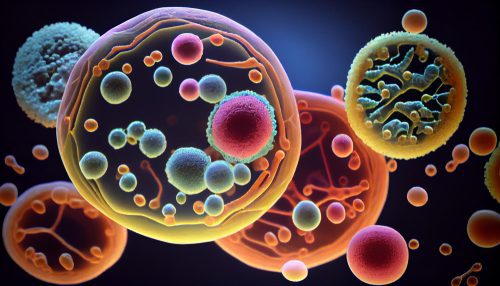
At the core of regenerative medicine lies the unique capability of stem cells. These are undifferentiated biological cells that can differentiate into specialized cells and can divide to produce more stem cells. They are essentially the body's raw materials, cells from which all other cells with specialized functions are generated. There are several types, including embryonic stem cells, adult stem cells (found in bone marrow, fat, and blood), and induced pluripotent stem cells (iPSCs), which are adult cells reprogrammed to an embryonic-like state. The promise of cell therapy for cardiovascular conditions stems from their ability to replace damaged heart muscle cells, stimulate the formation of new blood vessels (angiogenesis), and modulate inflammatory responses, thereby preventing further tissue damage and promoting healing.
Stem Cell Therapies: A New Frontier for Cardiovascular Repair
The application of stem cell therapies for cardiovascular diseases is one of the most exciting areas in modern medicine. For patients suffering from myocardial infarction (heart attack), heart failure, or peripheral artery disease, these therapies aim to restore lost function and improve quality of life. After a heart attack, for instance, a significant portion of heart muscle can be irreversibly damaged, leading to scar tissue formation and impaired pumping ability. Stem cells, when delivered to the affected area, can potentially differentiate into new cardiomyocytes, integrate into the existing heart tissue, and enhance the heart's contractile function. Furthermore, they release growth factors and cytokines that foster a regenerative microenvironment, crucial for sustained recovery. Clinical trials are actively exploring various delivery methods and cell types, moving closer to widespread clinical application.
The Broader Landscape of Regenerative Medicine and Advanced Technologies
Beyond direct stem cell transplantation, the field of regenerative medicine encompasses a suite of advanced technologies that amplify therapeutic potential. Tissue engineering, for example, combines cells, scaffolds, and biologically active molecules to create functional tissues. In cardiovascular applications, this could mean engineering cardiac patches to repair damaged heart walls or even entire heart valves. A revolutionary aspect of this is 3D bioprinting, which allows for the precise layering of cells and biomaterials to construct complex biological structures, including vascular networks and cardiac tissue, mimicking the native heart's architecture. Moreover, advancements in gene editing, particularly using CRISPR technology, are opening new avenues. CRISPR can be used to enhance the regenerative properties of stem cells, correct genetic defects underlying certain cardiovascular conditions, or even make cells invisible to the immune system, improving engraftment success. These synergistic technologies underscore the multidisciplinary nature of modern medical breakthroughs.
Technological Advancements and the Role of Biotechnology
The rapid progress in stem cell technologies and regenerative medicine would not be possible without significant strides in biotechnology. From sophisticated cell culture systems that allow for the large-scale expansion of clinical-grade stem cells to advanced imaging techniques that monitor cell engraftment and differentiation in vivo, biotechnology provides the essential tools. The development of specialized lab equipment is critical for every stage of research and clinical translation, ensuring precision, sterility, and reproducibility. Furthermore, innovative drug delivery systems are being designed to ensure that stem cells, growth factors, or gene-editing components reach their target sites efficiently and safely, minimizing off-target effects and maximizing therapeutic impact. This integration of diverse scientific disciplines is accelerating the pace at which these therapies move from the laboratory to the patient bedside.
Challenges and the Path Forward for Deep Science Implementation
Despite the immense promise, the journey of stem cell therapies for cardiovascular diseases is not without its challenges. Issues such as ensuring long-term cell survival and integration, preventing immune rejection, and scaling up production for widespread clinical use are active areas of research. Ethical considerations, particularly concerning embryonic stem cells, also continue to shape the regulatory landscape. However, ongoing research, fueled by collaborative efforts and technological innovation, is steadily overcoming these hurdles. The future points towards personalized regenerative therapies, where a patient's own cells could be used to repair their heart, minimizing rejection risks. For professionals and aspiring researchers looking to contribute to this field, practical training and hands-on experience are invaluable. This is where programs like Deep Science Workshops and their focus on Deep Science Implementation become crucial, bridging the gap between theoretical knowledge and real-world application in this dynamic domain.
Frequently Asked Questions about Stem Cell Therapies
What are stem cells and how do they work in regenerative medicine?
Stem cells are unique cells with the remarkable ability to develop into many different cell types in the body during early life and growth. In regenerative medicine, they are harnessed for their capacity to repair, replace, or regenerate damaged tissues and organs. For cardiovascular diseases, they can differentiate into heart muscle cells, endothelial cells, or smooth muscle cells, aiding in tissue repair and improving heart function.
How are stem cell therapies being used to treat cardiovascular diseases?
Stem cell therapies for cardiovascular diseases involve introducing stem cells into damaged heart tissue to promote repair and regeneration. This can help improve heart function after a heart attack, reduce symptoms of heart failure, and enhance blood flow in conditions like peripheral artery disease. Research focuses on their ability to replace damaged cells, stimulate new blood vessel formation, and reduce inflammation.
Is stem cell therapy for heart conditions safe and effective?
The safety and efficacy of stem cell therapy for heart conditions are subjects of ongoing clinical trials. While promising results have emerged, especially in early-stage trials, challenges such as cell survival, engraftment, and long-term effects are still being addressed. Regulatory bodies worldwide are closely monitoring these developments to ensure patient safety and validate therapeutic benefits. Participation in reputable clinical trials is crucial for patients considering these advanced treatments.
What role does biotechnology play in advancing stem cell research?
Biotechnology is fundamental to the progress of stem cell research. It provides the tools and techniques for isolating, culturing, expanding, and genetically modifying stem cells. Innovations in lab equipment, advanced imaging, and molecular diagnostics, all products of biotechnology, are essential for understanding stem cell behavior and developing safe and effective cell therapies. Furthermore, biotechnology drives the development of novel drug delivery systems to enhance the targeted application of these cells.
Where can I learn more about stem cell technologies and regenerative medicine?
For those eager to delve deeper into the cutting-edge world of stem cell technologies and regenerative medicine, platforms like Deep Science Workshops offer comprehensive programs. These workshops provide hands-on experience and in-depth knowledge, covering topics from fundamental stem cell biology to advanced applications like 3D bioprinting and CRISPR gene editing, facilitating practical Deep Science Implementation in this rapidly evolving field.