
Unlocking Healing: How Stem Cell Therapies Are Revolutionizing Musculoskeletal Disorder Treatment
In the dynamic realm of biotechnology and regenerative medicine, a groundbreaking approach is emerging to tackle the pervasive challenges of musculoskeletal disorders: stem cell therapies. These innovative treatments are poised to transform how we address conditions affecting our bones, joints, muscles, ligaments, and tendons, offering new hope beyond conventional methods. For decades, traditional treatments have focused on symptom management or invasive surgeries, but the advent of cell therapy promises a more fundamental repair and regeneration of damaged tissues. This article delves into the science, applications, and future potential of stem cell therapies for musculoskeletal disorders, highlighting their profound impact on patient care and the exciting advancements driven by relentless research and cutting-edge medical technology.
The human body possesses an incredible capacity for self-repair, a capability largely attributed to its intrinsic population of stem cells. These remarkable cells, with their unique ability to differentiate into various specialized cell types and self-renew, are the cornerstone of regenerative medicine. When applied to the complexities of musculoskeletal injuries and degenerative diseases, stem cell therapy aims to harness this natural healing power, directing it to reconstruct, restore, and rejuvenate damaged tissues. From chronic arthritis to severe tendon injuries, the potential for these therapies to alleviate pain, improve function, and enhance quality of life is immense. The journey of translating fundamental stem cell research into viable clinical applications is a testament to the collaborative efforts in biotechnology and medical science, pushing the boundaries of what was once thought impossible.
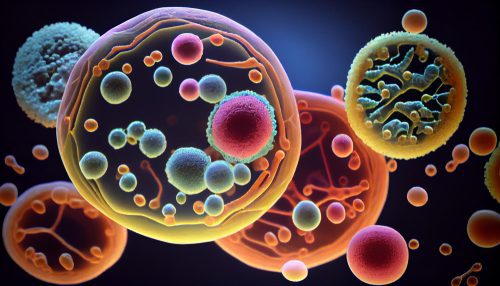
The Science Behind Stem Cell Therapies for Musculoskeletal Health
At the heart of stem cell therapy lies the principle of leveraging progenitor cells to repair or replace damaged tissues. For musculoskeletal disorders, the primary focus is often on mesenchymal stem cells (MSCs). These multipotent cells can be isolated from various sources, including bone marrow, adipose tissue (fat), and umbilical cord blood. Once harvested, they are processed and then introduced into the affected area, where they can differentiate into bone, cartilage, muscle, or tendon cells, depending on the microenvironment. Beyond their differentiation potential, MSCs also possess powerful immunomodulatory and anti-inflammatory properties, which are crucial in reducing pain and swelling associated with many musculoskeletal conditions. This dual action of tissue regeneration and inflammation modulation makes cell therapy a highly attractive option for complex conditions.
The efficacy of stem cell therapies for musculoskeletal disorders is also attributed to their ability to secrete growth factors and cytokines. These bioactive molecules act as signaling agents, promoting the proliferation of native cells, enhancing angiogenesis (formation of new blood vessels), and inhibiting apoptosis (programmed cell death). This paracrine effect creates a conducive environment for healing and regeneration, often surpassing the capabilities of traditional treatments that may only address symptoms. Extensive research is continuously unveiling new mechanisms through which stem cells exert their therapeutic effects, solidifying their role as a cornerstone of modern regenerative medicine. The advancement in isolating, culturing, and delivering these cells safely and effectively is a direct result of advancements in biotechnology and specialized lab equipment.
Applications Across the Musculoskeletal Spectrum
The scope of stem cell therapy in treating musculoskeletal disorders is remarkably broad. It holds significant promise for conditions such as:
- Osteoarthritis: A degenerative joint disease where cartilage breaks down. Stem cells can help regenerate cartilage and reduce inflammation in affected joints like knees, hips, and shoulders.
- Tendon and Ligament Injuries: Chronic issues like Achilles tendonitis, rotator cuff tears, and ACL injuries often heal poorly due to limited blood supply. Cell therapy can accelerate healing and improve tissue strength.
- Bone Fractures and Non-unions: For complex fractures or those that fail to heal, stem cells can enhance bone regeneration and promote union.
- Spinal Disc Degeneration: A major cause of back pain, where stem cells are being explored to restore disc height and function.
- Muscle Tears and Degeneration: Accelerating repair and improving functional recovery in acute and chronic muscle injuries.
Each application requires meticulous research and development, often involving sophisticated medical technology for precise delivery and monitoring. The journey from laboratory bench to patient bedside is complex, necessitating rigorous clinical trials and adherence to ethical guidelines. Organizations like Deep Science Workshops and Deep Science Implementation play a vital role in educating professionals and researchers about these intricate processes, fostering a deeper understanding of the practical and theoretical aspects of stem cell research and its clinical translation.
Challenges and Future Directions in Stem Cell Research
Despite the immense potential, the field of stem cell therapy for musculoskeletal disorders faces several challenges. These include standardizing treatment protocols, optimizing cell sources and delivery methods, ensuring long-term efficacy and safety, and addressing regulatory complexities. However, ongoing research is rapidly overcoming these hurdles. Advances in tissue engineering are allowing scientists to create scaffolds and biomaterials that enhance stem cell survival and differentiation, leading to more robust tissue regeneration. Furthermore, the integration of artificial intelligence and machine learning in analyzing vast datasets from stem cell research is accelerating the discovery of new therapeutic targets and optimizing treatment strategies.
The future of regenerative medicine, particularly in the context of musculoskeletal disorders, looks incredibly promising. We are moving towards personalized cell therapy, where treatments are tailored to an individual's specific genetic makeup and disease profile. This involves advanced diagnostics and sophisticated lab equipment to characterize patient-specific stem cells and predict treatment outcomes. The synergy between biotechnology, nanotechnology, and advanced imaging techniques is paving the way for minimally invasive procedures with superior regenerative outcomes. The continuous drive for innovation in drug discovery also complements stem cell research, as new pharmacological agents can be identified to enhance the therapeutic effects of transplanted cells.
Empowering the Next Generation of Regenerative Medicine Professionals
The rapid evolution of stem cell technologies and regenerative medicine necessitates a highly skilled workforce capable of driving future advancements. Educational initiatives and practical training programs are crucial for equipping aspiring scientists, clinicians, and engineers with the knowledge and expertise required in this cutting-edge field. Programs like those offered by Deep Science Workshops provide invaluable hands-on experience and theoretical understanding, covering everything from fundamental stem cell biology to advanced applications in tissue engineering and medical technology. Similarly, Deep Science Implementation focuses on the practical aspects of translating research into real-world solutions, emphasizing the importance of rigorous experimentation and ethical considerations.
Whether your interest lies in fundamental stem cell research, developing new lab equipment for cell culture, or pioneering novel cell therapy approaches, the opportunities in this domain are vast. The interdisciplinary nature of regenerative medicine means that expertise from various fields—from molecular biology and genetics to biomechanics and materials science—converges to push the boundaries of healing. By participating in specialized workshops and training, individuals can contribute significantly to the next wave of breakthroughs in treating musculoskeletal disorders and beyond.
Join Now