
In the dynamic world of biotechnology and regenerative medicine, the ability to observe and understand cellular processes at an unprecedented resolution is paramount. Advanced stem cell imaging techniques are at the forefront of this revolution, offering researchers a powerful lens into the intricate behaviors of stem cells. These cutting-edge methodologies are transforming how we conduct research, develop therapies, and ultimately, approach the future of health. From tracking cell differentiation to monitoring their integration into complex tissues, these imaging innovations are indispensable for advancing fields like cell therapy, tissue engineering, and even the precision of CRISPR-based gene editing. This article delves into the diverse array of sophisticated imaging tools that are not only enhancing our fundamental understanding but also paving the way for groundbreaking clinical applications.
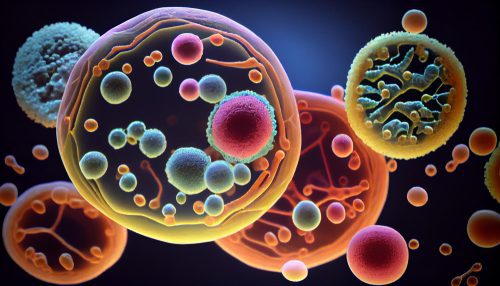
Stem cells, with their remarkable capacity for self-renewal and differentiation, hold immense promise for treating a wide range of diseases. However, harnessing this potential requires a deep understanding of their behavior in various biological contexts. Traditional methods often provide only static snapshots, limiting our insight into dynamic processes. This is where advanced stem cell imaging techniques become critical. They enable real-time visualization of cellular events, from intracellular signaling pathways to complex interactions within a living organism. This dynamic perspective is crucial for optimizing cell culture conditions, understanding disease progression, and developing effective therapeutic strategies in regenerative medicine.
The landscape of advanced stem cell imaging techniques is vast and continually evolving. Each technique offers unique advantages, providing complementary information about stem cell morphology, function, and interactions:
The impact of advanced stem cell imaging techniques extends across numerous disciplines within biotechnology:
The integration of these imaging techniques with computational analysis and artificial intelligence is further amplifying their power, enabling the extraction of quantitative data and the identification of subtle patterns that would otherwise be missed. This synergy is propelling the field of biotechnology forward at an unprecedented pace.
The future of advanced stem cell imaging techniques is bright, characterized by increasing integration and innovation. We can anticipate:
These advancements are not just theoretical; they are being actively developed and implemented by leading institutions and specialized programs. For those looking to be at the forefront of this exciting field, practical training and deep understanding are crucial. Programs offered by entities like Deep Science Workshops and Deep Science Implementation are designed to bridge the gap between theoretical knowledge and practical application, equipping the next generation of scientists with the skills needed to harness these powerful tools.
At Deep Science Workshops, we are committed to empowering researchers and professionals with the knowledge and practical skills required to excel in cutting-edge scientific domains. Our programs, including those focused on Stem Cell Technologies and Regenerative Medicine, are meticulously designed to provide hands-on experience with the very advanced stem cell imaging techniques discussed in this article. Through intensive workshops and expert-led sessions, participants gain invaluable insights into the intricacies of cell therapy, tissue engineering, bioprinting, and the broader applications of biotechnology in a real-world setting. We emphasize Deep Science Implementation, ensuring that theoretical understanding translates into tangible research capabilities. Whether your interest lies in fundamental research, developing new diagnostic tools, or advancing therapeutic interventions, our workshops provide a robust foundation. Explore the possibilities of transforming scientific inquiry into impactful solutions with us.
Join Our Stem Cell Technologies Program NowWhat are advanced stem cell imaging techniques?
Advanced stem cell imaging techniques encompass a range of sophisticated microscopy and non-invasive imaging modalities that allow researchers to visualize stem cells in real-time, both in vitro and in vivo. These techniques provide crucial insights into stem cell behavior, differentiation, migration, and integration within tissues, essential for fields like regenerative medicine and cell therapy.
How do these techniques contribute to regenerative medicine?
In regenerative medicine, advanced imaging is vital for tracking transplanted stem cells, assessing their viability and differentiation into desired cell types, and monitoring their therapeutic effects. Techniques like MRI and PET can non-invasively follow cell fate in living organisms, ensuring the safety and efficacy of cell-based therapies for tissue repair and regeneration.
Can advanced imaging help with 3D bioprinting?
Absolutely. Advanced imaging plays a crucial role in 3D bioprinting by allowing real-time monitoring of the printing process, assessing cell viability and distribution within the bioprinted constructs, and evaluating the structural integrity of engineered tissues. It helps optimize bioprinting parameters and ensures the quality of complex tissue engineering scaffolds.
What is the role of advanced imaging in gene editing and CRISPR research?
Advanced imaging, particularly super-resolution microscopy and live-cell imaging, is instrumental in visualizing gene editing processes at a subcellular level. Researchers can track the delivery of CRISPR components, observe DNA repair mechanisms, and assess the efficiency and specificity of gene edits in real-time, advancing gene therapy applications.
Where can I learn more about these techniques?
For comprehensive learning and practical implementation of these cutting-edge technologies, consider exploring specialized workshops and programs like those offered by Deep Science Workshops. Their 'Stem Cell Technologies and Regenerative Medicine' program provides in-depth knowledge and hands-on experience in this rapidly evolving field of biotechnology.