
The landscape of modern biotechnology is rapidly evolving, with stem cell research standing at the forefront of innovation. This dynamic field promises groundbreaking advancements in regenerative medicine, offering new hope for treatments ranging from chronic diseases to organ repair. However, the sheer volume and complexity of data generated in stem cell experiments—from genomic sequencing and proteomic profiling to intricate imaging and clinical trial results—present a significant challenge. Effective data management and analysis are no longer just supplementary skills; they are foundational pillars determining the pace and success of scientific discovery. Without robust strategies to organize, interpret, and leverage this vast information, the full potential of stem cells and their therapeutic applications, including cell therapy, remains untapped. This article delves into the critical importance of mastering data in this cutting-edge domain, exploring the methodologies and tools essential for transforming raw data into actionable insights that drive the future of medicine.
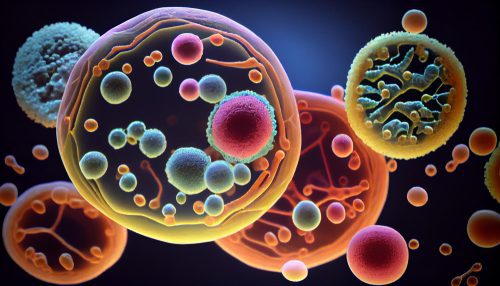
The journey from basic stem cell research to clinical applications in regenerative medicine is paved with data. Researchers are increasingly employing high-throughput technologies that generate petabytes of information. Consider single-cell sequencing, which provides unparalleled resolution into cellular heterogeneity, or advanced imaging techniques that capture dynamic processes in real-time. Each experiment, whether it involves optimizing cell culture conditions or assessing the efficacy of a novel gene therapy, contributes to an ever-growing repository of complex data. This deluge necessitates sophisticated approaches to data handling. Without proper infrastructure and methodologies, researchers risk losing valuable insights, encountering reproducibility issues, or simply being overwhelmed by the sheer scale of information, hindering progress in areas like tissue engineering and the development of new therapeutic strategies.
Managing data in stem cell research is fraught with unique challenges. First, data heterogeneity is a major hurdle; information comes in diverse formats from various platforms, making integration difficult. Second, data volume and velocity demand scalable storage solutions and efficient processing pipelines. Third, ensuring data quality, standardization, and annotation across different labs and studies is crucial for comparability and meta-analysis. Mismanagement can lead to erroneous conclusions, wasted resources, and delays in translating research into clinical practice. Furthermore, data security and privacy, especially when dealing with patient-derived stem cells for cell therapy, are paramount. Addressing these challenges requires a multi-faceted approach, combining advanced computational tools, standardized protocols, and collaborative frameworks to unlock the full potential of gathered information.
To navigate the complexities of stem cell research data, implementing effective management strategies is imperative. Centralized data repositories and Laboratory Information Management Systems (LIMS) are vital for tracking samples, experiments, and results, ensuring traceability and organization. Cloud-based solutions offer scalable storage and computational power, facilitating collaborative research across institutions. Standardized metadata schemas and ontologies are essential for consistent data annotation, enabling easier data discovery and integration. Furthermore, adopting FAIR (Findable, Accessible, Interoperable, Reusable) data principles promotes open science and accelerates discovery. By meticulously structuring data from the initial stages of cell culture to the final analysis of tissue engineering outcomes, researchers can significantly enhance the reproducibility and impact of their work, paving the way for robust advancements in regenerative medicine.
Once managed, the true power of stem cell research data is unleashed through sophisticated analysis. Bioinformatics plays a pivotal role, utilizing computational algorithms to interpret complex biological datasets, from genomic variations to gene expression profiles. Machine learning and artificial intelligence are revolutionizing the field, enabling predictive modeling for cell differentiation pathways, identifying novel biomarkers, and even accelerating drug discovery. Statistical analysis is fundamental for validating experimental results and drawing robust conclusions. Researchers are increasingly employing advanced techniques like network analysis to understand complex interactions within cellular systems and single-cell analysis to dissect cellular heterogeneity. These analytical approaches are critical for translating raw data into meaningful biological insights, driving innovations in cell therapy and understanding the mechanisms behind regenerative medicine.
The insights gleaned from effective data management and analysis directly fuel progress in regenerative medicine. By analyzing vast datasets, scientists can identify optimal conditions for differentiating stem cells into specific cell types required for therapeutic applications. This data-driven approach accelerates the development of novel cell therapy protocols, allowing for more precise and effective treatments for conditions like heart disease, neurodegenerative disorders, and diabetes. In tissue engineering, detailed analysis of cellular behavior and scaffold interactions guides the design of functional tissues and organs. Furthermore, understanding the genetic landscape through comprehensive data analysis is paramount for advancing gene therapy, ensuring targeted and safe delivery of therapeutic genes. The synergy between robust data practices and innovative research is transforming the potential of stem cells into tangible clinical realities.
Cutting-edge technologies are not only advancing stem cell research but also generating unprecedented amounts of data that demand sophisticated handling. Bioprinting and especially 3D bioprinting, for instance, create intricate tissue constructs layer by layer, generating spatial and temporal data on cell viability, proliferation, and differentiation within complex architectures. Similarly, advanced bioreactors used for scaling up cell culture for therapeutic production provide continuous streams of data on environmental parameters, cell growth kinetics, and metabolic byproducts. Analyzing this multi-dimensional data is crucial for optimizing bioprocesses and ensuring the quality and functionality of the engineered tissues or cell products. The integration of data from these advanced platforms offers a holistic view, enabling researchers to refine methodologies and accelerate the translation of laboratory discoveries into clinical applications in regenerative medicine.
The future of data management and analysis in stem cell research is poised for even greater transformation. The integration of artificial intelligence and machine learning will become more pervasive, moving beyond predictive modeling to automated experimental design and data interpretation. Big data analytics, leveraging cloud computing and decentralized networks, will facilitate the analysis of global datasets, fostering unprecedented collaborations. Ethical considerations surrounding data privacy, consent, and equitable access will continue to shape policies and practices. Furthermore, the development of open-source tools and platforms will democratize access to advanced analytical capabilities, empowering a broader community of researchers. These innovations promise to accelerate the pace of discovery, making regenerative medicine more accessible and effective for patients worldwide, underpinned by robust and insightful data practices.
Recognizing the critical need for expertise in this evolving landscape, Deep Science Workshops and Deep Science Implementation are dedicated to empowering researchers and professionals with the essential skills for effective data management and analysis in stem cell research. Our programs are meticulously designed to bridge the gap between theoretical knowledge and practical application, covering everything from advanced bioinformatics and statistical modeling to the nuances of handling large-scale datasets generated from bioreactors and bioprinting experiments. We provide hands-on training in cutting-edge tools and methodologies, ensuring participants are proficient in extracting meaningful insights from complex biological data. By fostering a deep understanding of data science principles within the context of regenerative medicine, we aim to accelerate innovation and contribute to the development of life-changing cell therapy and gene therapy solutions. Join us to master the data-driven future of biotechnology.
In conclusion, the journey of stem cell research towards revolutionary breakthroughs in regenerative medicine is inextricably linked to the mastery of data. From the initial stages of cell culture to the complexities of tissue engineering and the promise of gene therapy, every step generates invaluable information. Effective data management ensures the integrity, accessibility, and reproducibility of this information, while advanced analytical techniques transform raw data into profound biological insights. Overcoming the challenges of data heterogeneity, volume, and standardization is paramount for accelerating discovery and translating laboratory findings into clinical realities. As the field continues to evolve with technologies like bioprinting and 3D bioprinting, the demand for skilled professionals capable of navigating the data landscape will only intensify. Embracing robust data practices is not merely an option but a necessity for unlocking the full therapeutic potential of stem cells and shaping a healthier future.
Effective data management is crucial in stem cell research due to the vast volume and complexity of data generated from experiments, clinical trials, and multi-omics studies. Proper management ensures data integrity, reproducibility, accessibility, and facilitates robust analysis, which is vital for accelerating discoveries in regenerative medicine and cell therapy.
Challenges in analyzing stem cell research data include its high dimensionality, heterogeneity (e.g., single-cell RNA sequencing, epigenomics, proteomics), the need for specialized bioinformatics tools, and ensuring data standardization across different studies. Integrating diverse datasets from areas like bioprinting or bioreactors also presents significant hurdles.
Deep Science Workshops and Deep Science Implementation offer specialized programs that equip researchers and professionals with advanced skills in data management, bioinformatics, and analytical techniques specifically tailored for fields like stem cell research, regenerative medicine, tissue engineering, and gene therapy. Our workshops focus on practical application and cutting-edge methodologies.
Technologies such as bioprinting and 3D bioprinting generate complex spatial and temporal data on cell organization and tissue formation. Bioreactors used for large-scale cell culture produce extensive data on growth kinetics, metabolic profiles, and differentiation states. Managing and analyzing this diverse data is essential for optimizing processes and understanding cellular behavior in these advanced systems.
The future of data analysis in regenerative medicine will be driven by artificial intelligence and machine learning, enabling predictive modeling for patient outcomes and personalized therapies. Advanced computational methods will integrate multi-modal data from stem cell research, clinical trials, and real-world evidence, accelerating the translation of discoveries into effective treatments for various diseases.