
The Transformative Promise of Stem Cells and Regenerative Medicine
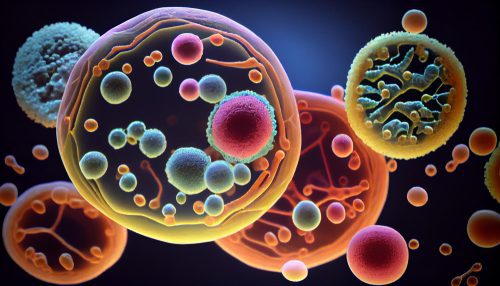
At its core, stem cell research is about harnessing the body's innate healing capabilities. Stem cells are undifferentiated cells that have the extraordinary capacity to develop into many different cell types in the body. They serve as a repair system for the body, replenishing other cells as long as the person or animal is still alive. The potential applications are vast, ranging from repairing damaged organs and tissues to growing new ones in the lab. This is the essence of regenerative medicine – an interdisciplinary field focused on repairing, replacing, or regenerating damaged cells, tissues, or organs to restore normal function. The progress in this domain is deeply intertwined with advancements in biotechnology, providing the tools and techniques necessary for manipulating and culturing these delicate cells.
The journey from basic scientific discovery to clinical application is long and complex, requiring immense resources, collaborative efforts, and unwavering dedication. This is where leading research institutes play an indispensable role. They provide the infrastructure, funding, and intellectual environment conducive to groundbreaking discoveries. Their work is not just about understanding fundamental biological processes but also about translating that knowledge into tangible therapies that can improve human lives. The global landscape of stem cell research is vibrant and competitive, with each institute contributing unique expertise and perspectives to accelerate progress in this vital field.
Leading Global Hubs of Stem Cell Innovation
To truly explore top institutes for stem cell research worldwide is to witness a global network of excellence. These institutions are often characterized by their multidisciplinary approach, bringing together experts from biology, medicine, engineering, and computer science. Here are a few examples of prominent global leaders:
Harvard Stem Cell Institute (HSCI), USA
One of the most renowned centers, HSCI, is a collaborative effort across Harvard University and its affiliated hospitals. It stands as a beacon of stem cell research, focusing on fundamental stem cell biology, disease modeling, and the translation of discoveries into clinical trials. Their work spans a wide array of conditions, including diabetes, heart disease, and neurological disorders, consistently pushing the boundaries of cell therapy.
Stanford Institute for Stem Cell Biology and Regenerative Medicine, USA
Stanford's institute is celebrated for its pioneering work in induced pluripotent stem cells (iPSCs) and their application in understanding human development and disease. They are deeply involved in drug discovery, using stem cell models to identify new therapeutic compounds and advance precision medicine. Their commitment to both basic science and clinical translation makes them a powerhouse in regenerative medicine.
Karolinska Institutet, Sweden
A leading medical university globally, Karolinska Institutet has a strong tradition in biomedical research, including significant contributions to stem cell research. Their focus often includes hematopoietic stem cells and their role in blood disorders, as well as neural stem cells for brain repair. Their robust research environment fosters innovation in biotechnology and medical applications.
RIKEN Center for Developmental Biology (CDB), Japan
Although the CDB has undergone restructuring, RIKEN's legacy in developmental biology and stem cell research remains profound. Japanese scientists have made monumental contributions, particularly in iPSC technology. Their emphasis on understanding the fundamental mechanisms of development provides a crucial foundation for advanced tissue engineering and regenerative therapies.
Wellcome Sanger Institute, UK
While primarily known for genomics, the Sanger Institute's work on human genetics and disease modeling has significant implications for stem cell research. Their large-scale genetic studies provide insights into cellular processes and disease mechanisms, supporting the development of targeted cell therapy approaches and novel strategies for drug discovery.
Beyond the Lab: Impact on Medical Technology and Drug Discovery
The influence of stem cell research extends far beyond the confines of the laboratory. It is a driving force behind the evolution of medical technology, leading to the creation of sophisticated tools for diagnostics, imaging, and surgical interventions. For instance, advancements in bioreactors and biomaterials, crucial for culturing and delivering stem cells, are direct outcomes of this research. These technological leaps are essential for scaling up production of cells for therapeutic use and ensuring their safe and effective delivery to patients.
Furthermore, drug discovery has been revolutionized by the advent of stem cell technology. Instead of relying solely on animal models, researchers can now use patient-derived iPSCs to create 'disease in a dish' models. These cellular models accurately mimic human diseases, allowing for more precise screening of potential drug candidates, identifying effective compounds, and predicting adverse reactions. This not only accelerates the drug development pipeline but also makes it more ethical and efficient, marking a significant stride in personalized regenerative medicine.
The Interplay of Biotechnology, Gene Therapy, and Tissue Engineering
The field of stem cell research is deeply intertwined with broader advancements in biotechnology. Techniques like CRISPR-Cas9 for gene editing, a cornerstone of modern biotechnology, are increasingly applied to stem cells for various purposes. This includes correcting genetic defects in patient cells before transplantation, enhancing the therapeutic properties of stem cells, or creating genetically modified cells for research purposes. This convergence paves the way for sophisticated gene therapy strategies that utilize stem cells as delivery vehicles or as direct targets for genetic modification to treat inherited diseases.
Tissue engineering, another critical discipline, works hand-in-hand with stem cells. Researchers are using stem cells in combination with biocompatible scaffolds and growth factors to engineer functional tissues and organs outside the body. This holds immense promise for patients awaiting organ transplants or those with severe tissue damage. From creating artificial skin for burn victims to developing functional cardiac muscle patches, the potential of combining stem cells with advanced tissue engineering techniques is limitless, offering hope for conditions previously deemed untreatable.
Challenges, Ethical Considerations, and Future Directions
Despite the incredible progress, stem cell research faces considerable challenges. These include the complexity of controlling cell differentiation, ensuring long-term safety and efficacy in clinical applications, and overcoming immune rejection. Ethical considerations, particularly concerning embryonic stem cells, continue to be a subject of public and scientific debate, driving the development of alternative stem cell sources like iPSCs and adult stem cells.
The future of regenerative medicine is bright, with ongoing research focusing on developing universal donor cells, enhancing gene editing precision, and creating more complex organoids for disease modeling and drug testing. International collaborations among leading research institutes will be crucial in accelerating these breakthroughs, sharing knowledge, and harmonizing regulatory frameworks to bring these innovative therapies to patients worldwide.
Empowering the Next Generation: The Importance of Specialized Training
The rapid evolution of stem cell technologies and regenerative medicine necessitates a highly skilled workforce. To ensure sustained progress and effective Deep Science Implementation, it is paramount to invest in comprehensive training and education. Programs like those offered through Deep Science Workshops are vital in bridging the gap between academic research and practical application. These workshops provide aspiring scientists, clinicians, and biotechnologists with hands-on experience in cutting-edge techniques, from cell culture and gene editing to advanced microscopy and bioinformatics.
Such specialized training not only equips individuals with the technical prowess required for this complex field but also fosters critical thinking and problem-solving skills essential for innovation. By participating in programs focused on stem cell technologies and regenerative medicine, individuals gain invaluable insights into the latest research methodologies, ethical considerations, and regulatory landscapes. This prepares them to contribute meaningfully to leading research institutes, pharmaceutical companies, and biotechnology firms, driving the next wave of discoveries and therapeutic advancements. The future of healthcare depends on nurturing talent capable of understanding and applying these profound scientific principles.
Conclusion: A Future Forged in Stem Cell Science
The global journey to explore top institutes for stem cell research worldwide reveals a landscape of relentless innovation and profound dedication. From fundamental discoveries in stem cell biology to the development of sophisticated cell therapy protocols, these institutions are collectively redefining the boundaries of medicine. Their collaborative efforts in biotechnology, medical technology, drug discovery, gene therapy, and tissue engineering are not just advancing science; they are cultivating a future where debilitating diseases are treatable, and quality of life is dramatically enhanced.
As we look forward, the synergy between pioneering research and specialized training, exemplified by initiatives like Deep Science Workshops and their commitment to Deep Science Implementation, will be crucial. This ensures that the pipeline of talent remains robust, capable of translating complex scientific insights into real-world solutions. The revolution in regenerative medicine is well underway, promising a healthier, more vibrant future for humanity, forged in the extraordinary potential of stem cells.