
The burgeoning field of stem cells and regenerative medicine stands at the forefront of modern biotechnology, promising revolutionary treatments for a myriad of diseases. From repairing damaged tissues to growing new organs, the potential of cell therapy is immense. However, translating groundbreaking research into tangible clinical applications requires not only scientific prowess but also a robust understanding and strategic management of ip. In this rapidly evolving industry, patent protection is not merely a legal formality; it is the lifeblood that fuels innovation, attracts investment, and ensures that pioneering discoveries reach those who need them most. This article will Explore patents and intellectual property related to stem cell technologies, delving into their critical role in shaping the future of medicine.
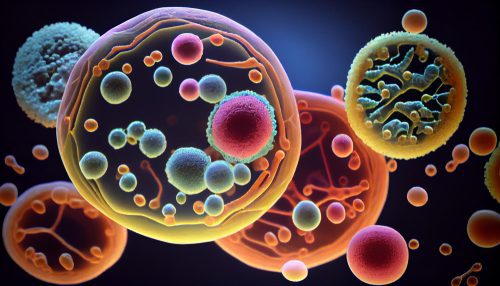
The journey of these versatile cells from laboratory curiosities to therapeutic powerhouses has been nothing short of remarkable. Advances in isolating, culturing, and differentiating various types of stem cells—embryonic, induced pluripotent (iPSCs), and adult stem cells—have opened unprecedented avenues in regenerative healing. This dynamic landscape is characterized by intense scientific inquiry globally, with both academic institutions and private industry vying to unravel their full potential. The sheer volume of scientific publications and clinical trials underscores the vibrancy of this biotech sector. Each new discovery, from a novel culture medium to a refined differentiation protocol, represents a significant investment of time, resources, and intellectual capital. Protecting these innovations through effective IP strategies, particularly through patent applications, becomes paramount to sustain this rapid pace of development and ensure a return on investment for the innovators.
In a field as competitive and capital-intensive as biotechnology, ip serves as a cornerstone for innovation and commercial viability. For stem cell technologies, patent rights provide exclusive control over inventions, preventing competitors from making, using, or selling the patented technology without permission. This exclusivity is vital for several reasons:
Patenting stem cell technologies presents unique challenges and considerations. The subject matter often involves complex biological processes and materials, requiring a nuanced understanding of ip law.
The advancement of stem cell technologies is inherently collaborative. Academic research institutions are often the birthplace of foundational discoveries, while the industry possesses the resources and expertise for large-scale development, manufacturing, and commercialization. Effective ip management is paramount in these partnerships. Universities typically hold the initial patent rights to discoveries made by their faculty and researchers. These rights are then often licensed exclusively or non-exclusively to biotechnology companies for further development. Agreements must clearly define ownership, licensing terms, royalties, and rights to future improvements. Initiatives like Deep Science Workshops and Deep Science Implementation play a crucial role in bridging the gap between cutting-edge academic research and practical industry application, fostering an environment where IP is understood, valued, and strategically leveraged for mutual benefit. These platforms emphasize the importance of understanding the patent landscape from the outset of any research project.
For scientists, entrepreneurs, and organizations involved in stem cell science and regenerative medicine, a proactive approach to ip is essential.
The future of stem cell ip is dynamic, shaped by scientific breakthroughs, evolving legal interpretations, and ethical considerations.
The journey of stem cells from basic research to transformative regenerative medicine therapies is deeply intertwined with the strategic management of ip. Patents are not just legal documents; they are powerful instruments that protect innovation, stimulate investment, and facilitate the complex journey of bringing cutting-edge biotechnology to patients. For anyone involved in this exciting field, from academic scientists to industry leaders, understanding and actively engaging with the IP landscape is not optional—it is fundamental to success. By fostering robust IP strategies, embracing collaborative models, and staying abreast of legal and scientific advancements, we can collectively unlock the full potential of stem cell technologies, ensuring that the promise of cell therapy translates into a healthier future for all. Engage with platforms like Deep Science Workshops and Deep Science Implementation to deepen your understanding and contribute to this vital field.
ip, particularly patents, is crucial in stem cell technology because it protects the significant investments made in research and development. It grants exclusive rights to innovators, fostering further innovation, attracting funding, and enabling commercialization of new therapies and products in regenerative medicine. Without robust ip, there would be little incentive for companies to undertake the high-risk, high-cost development cycles inherent in biotechnology.
A wide range of stem cell innovations can be patented, including novel stem cell lines, methods for isolating or culturing stem cells, specific differentiation protocols, therapeutic uses of stem cells (e.g., for treating specific diseases), gene-edited stem cells, and devices or compositions used in conjunction with cell therapy. The key is that the invention must be novel, non-obvious, and have utility.
Academic institutions and industry often collaborate through licensing agreements, joint ventures, and sponsored research agreements. Universities typically own the ip generated by their researchers, which they then license to industry partners for further development and commercialization. These collaborations are vital for translating basic stem cell research into clinical applications, with ip agreements defining ownership, rights, and revenue sharing. Deep Science Workshops and Deep Science Implementation are examples of initiatives that bridge this gap.
Challenges in patenting stem cell technologies include ethical considerations, the evolving legal landscape surrounding biological materials (e.g., patentability of naturally occurring substances), the broadness of early-stage claims, and the high cost and complexity of international patenting. Distinguishing between discovery and invention, and meeting the utility and non-obviousness criteria, can also be particularly difficult in this rapidly advancing field.
Individuals interested in learning more about stem cell ip can attend specialized conferences, workshops, and seminars focused on biotechnology law and ip. Resources from patent offices, legal firms specializing in life sciences, and academic courses on ip are also valuable. Deep Science Workshops, for instance, offers programs that delve into these complex areas, providing practical insights into the intersection of science and ip.