
Welcome to your comprehensive guide on stem cell therapy and its revolutionary role in regenerative medicine. This article aims to answer your frequently asked questions and provide essential patient information, shedding light on a field that promises to transform healthcare. From understanding what stem cells are to exploring their applications in cell therapy and the latest in biotechnology research, we cover the critical aspects you need to know. Whether you're a patient seeking information, a researcher interested in stem cell research, or simply curious about the future of medicine, this guide is for you.
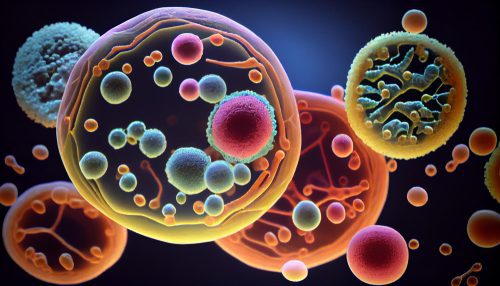
At the heart of regenerative medicine lies the fascinating world of stem cells. These are not just any cells; they are the body's raw materials, cells from which all other cells with specialized functions are generated. Under the right conditions in the body or a laboratory, stem cells divide to form more cells called daughter cells. These daughter cells either become new stem cells (self-renewal) or become specialized cells (differentiation) with a more specific function, like blood cells, brain cells, heart muscle cells, or bone cells. This unique ability makes them incredibly promising for repairing damaged tissues and treating diseases that were once considered incurable.
Regenerative medicine is an innovative field dedicated to developing methods to regrow, repair, or replace damaged or diseased cells, organs, or tissues. It's a multidisciplinary approach that combines biology, chemistry, computer science, engineering, genetics, medicine, and robotics. Cell therapy, a significant component of regenerative medicine, involves introducing new cells into a patient's body to treat a disease. This could mean replacing diseased cells with healthy ones or using cells to deliver therapeutic substances. The potential impact on conditions ranging from neurodegenerative diseases to chronic injuries is immense, driving extensive biotechnology research globally.
The applications of stem cell therapy are expanding rapidly. Initially recognized for their role in bone marrow transplants to treat blood cancers, stem cells are now being investigated for a multitude of conditions. In orthopedics, they are used to repair damaged cartilage, ligaments, and tendons, offering hope for patients with chronic joint pain. For neurological disorders like Parkinson's disease, Alzheimer's, and stroke, stem cell research aims to replace damaged neurons or promote neural regeneration. Cardiovascular diseases, diabetes, autoimmune disorders, and even spinal cord injuries are also areas where stem cell therapy shows considerable promise. Each application undergoes rigorous scrutiny through clinical trials to ensure safety and efficacy.
Behind every breakthrough in stem cell therapy is intensive biotechnology research. Scientists are continually exploring different types of stem cells, including embryonic stem cells (ESCs), adult stem cells (ASCs), and induced pluripotent stem cells (iPSCs). ESCs are pluripotent, meaning they can differentiate into any cell type. ASCs, found in various tissues like bone marrow and fat, are multipotent, capable of differentiating into a limited range of cell types. iPSCs are adult cells that have been genetically reprogrammed to an embryonic-like pluripotent state, offering a patient-specific and ethically less controversial source of pluripotent cells. This research often requires specialized lab supplies and cutting-edge equipment, pushing the boundaries of scientific discovery.
For patients and healthcare providers, understanding the landscape of clinical trials is crucial. These trials are essential for evaluating the safety and effectiveness of new stem cell therapies before they can be approved for widespread use. Regulatory bodies like the FDA in the United States or EMA in Europe play a vital role in overseeing these trials and ensuring that only safe and effective treatments reach the market. Patients considering stem cell therapy should always inquire if the treatment is part of a legitimate clinical trial or has received regulatory approval. Participating in approved trials can provide access to cutting-edge treatments while contributing to scientific knowledge.
One of the most common questions patients have is regarding the safety and efficacy of stem cell therapy. While the potential is vast, it's important to differentiate between proven, regulated therapies and unproven treatments offered by some clinics. Always consult with medical professionals and verify the legitimacy of any proposed treatment. Another significant concern is the stem cell therapy cost. Because many treatments are still experimental or not covered by standard insurance, the financial burden can be substantial. Costs vary widely depending on the condition, the type of cells, and the number of treatments required. Transparency about costs and expected outcomes is vital for patients seeking to find frequently asked questions and patient information on stem cell therapy.
The future of regenerative medicine is incredibly bright, with ongoing advancements in gene editing, biomaterials, and tissue engineering complementing stem cell research. As new discoveries emerge, the scope of treatable conditions will undoubtedly expand. This dynamic field also presents numerous opportunities for professionals. From roles in biotechnology research and development to positions in clinical trials management and manufacturing of lab supplies, the demand for skilled individuals is growing. Attending biotech conferences is an excellent way to stay abreast of the latest innovations and network with leaders in the field. For those looking to enter or advance in this exciting domain, programs like those offered by Deep Science Workshops and Deep Science Implementation provide invaluable training and insights into cutting-edge technologies.
To further assist you in understanding this complex field, here are answers to some frequently asked questions:
A: Stem cells are undifferentiated biological cells that can differentiate into specialized cells and can divide (through mitosis) to produce more stem cells. They are the body's internal repair system, capable of regenerating tissues and organs.
A: Regenerative medicine is a branch of medicine that develops methods to regrow, repair or replace damaged or diseased cells, organs or tissues. It aims to restore normal function to the body using various techniques, including stem cell therapy, tissue engineering, and gene therapy.
A: Stem cell therapy is being investigated for a broad spectrum of conditions, including orthopedic injuries, neurological disorders (e.g., Parkinson's, MS, stroke), autoimmune diseases, cardiovascular diseases, and diabetes. Many applications are still in the experimental phase or clinical trials.
A: The safety profile of stem cell therapy varies greatly. FDA-approved therapies are generally safe and effective for their intended use. However, unproven therapies carry risks, including infection, immune reactions, and tumor formation. Always seek treatment from reputable, regulated clinics or as part of approved clinical trials.
A: The stem cell therapy cost can range significantly, from a few thousand to tens of thousands of dollars, depending on the condition, the type of cells, and the number of treatments. Most unapproved treatments are not covered by insurance, making them an out-of-pocket expense.
A: Reliable information can be found from reputable medical institutions, government health agencies (like NIH, FDA), and established academic research centers. Be wary of clinics promising miracle cures without scientific backing. Always look for evidence-based information and consult with qualified healthcare professionals.
A: Absolutely! The field of regenerative medicine is rapidly growing, creating numerous regenerative medicine jobs in biotechnology research, development, manufacturing, clinical research, and regulatory affairs. Educational programs and workshops, such as those by Deep Science Workshops, can provide the necessary skills and knowledge.
For those passionate about delving deeper into the science of regenerative medicine and cell therapy, Deep Science Workshops offers specialized programs. These workshops provide hands-on experience and theoretical knowledge crucial for understanding advanced biotechnology research techniques and their practical applications. Through initiatives like Deep Science Implementation, we aim to bridge the gap between academic research and real-world solutions, fostering an environment where innovation thrives. Whether you are a student, a researcher, or a professional looking to upskill, our programs are designed to equip you with the expertise needed in this cutting-edge field.
The journey into understanding stem cells and their therapeutic potential is both exciting and complex. As biotechnology research continues to advance, so too will our ability to harness these remarkable cells for healing and regeneration. We hope this guide has helped you to find frequently asked questions and patient information on stem cell therapy, providing clarity and empowering you with knowledge.
Join Our Stem Cell Technologies and Regenerative Medicine Program Now!