
The field of stem cells and regenerative medicine stands at the forefront of modern biotechnology, promising revolutionary treatments for a myriad of diseases and injuries that were once considered incurable. From repairing damaged tissues to growing new organs, the potential of stem cell therapy is immense. However, like any frontier of scientific exploration, this domain is characterized by a complex interplay of significant challenges and unprecedented opportunities. This article delves into the intricate landscape of stem cell research and development, highlighting the hurdles that must be overcome and the groundbreaking advancements that continue to push the boundaries of medical science. We will explore how dedicated research and strategic development are paving the way for future therapies, impacting everything from tissue engineering to drug discovery and the rigorous journey through clinical trials.
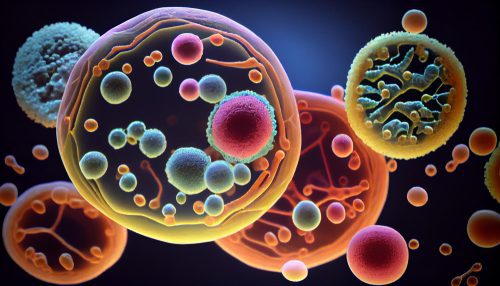
At its core, the promise of stem cells lies in their unique properties: self-renewal and multipotency. These remarkable cells can divide and produce more stem cells, or differentiate into specialized cells like heart muscle cells, blood cells, or nerve cells. This inherent flexibility makes them invaluable for understanding fundamental biological processes, modeling diseases, and, most importantly, developing novel therapies. The vision of regenerative medicine is to harness this power to repair, replace, or regenerate damaged tissues and organs, offering hope to millions suffering from chronic diseases and injuries. This transformative field leverages the body's own healing mechanisms to restore function and improve quality of life, moving beyond symptomatic treatment to address the root causes of disease. The potential applications span a wide spectrum of medical conditions, from neurodegenerative disorders to cardiovascular diseases and autoimmune conditions, making it one of the most exciting and rapidly evolving areas in modern medicine. The ability to cultivate and manipulate these cells in vitro has opened up unprecedented avenues for therapeutic intervention and fundamental biological discovery.
The opportunities in stem cell research and development are vast and continually expanding, driven by relentless scientific inquiry and technological innovation. One of the most significant areas is tissue engineering, where these cells are used as building blocks to grow functional tissues and even entire organs in the laboratory. This groundbreaking approach holds the potential to eliminate the critical shortage of donor organs and significantly reduce the risk of transplant rejection, as tissues can be engineered using a patient's own cells. Imagine a future where a failing heart can be replaced with a bio-engineered one, or damaged cartilage in joints can be regrown using a patient's own cells, restoring mobility and alleviating chronic pain. This frontier is actively being explored by advancements in biotechnology, which provides the tools and techniques necessary for cell culture, scaffold design, and bioreactor development, pushing the boundaries of what's medically possible and offering solutions to chronic organ shortages. The precision and control offered by current bioengineering techniques are rapidly improving, bringing these futuristic applications closer to reality.
Another critical opportunity lies in drug discovery and development. Stem cell-derived cells and tissues provide more physiologically relevant models for testing new drugs, offering a significant advantage over traditional cell lines or animal models. This leads to more accurate predictions of efficacy and toxicity, thereby reducing reliance on animal testing and accelerating the pipeline for bringing new medications to patients. Furthermore, these versatile cells are instrumental in understanding disease mechanisms at a cellular and molecular level. By deriving patient-specific stem cells and inducing them to differentiate into affected cell types (e.g., neurons for neurological diseases), scientists can observe disease progression in a dish, identify new therapeutic targets, and screen for compounds that can halt or reverse the disease process. This revolutionizes pharmaceutical research and enables the development of highly personalized treatment approaches, moving towards precision medicine.
Clinical trials involving stem cell therapy are already underway globally, targeting a diverse array of conditions such as spinal cord injuries, Parkinson's disease, diabetes, heart disease, macular degeneration, and various cancers. Early results, while often preliminary and requiring further validation, are highly encouraging, demonstrating the potential for significant improvements in patient quality of life and, in some cases, even complete cures or substantial remission. The continuous scientific investigation and rigorous product development in this area are crucial for translating laboratory successes into widespread clinical applications. The journey from bench to bedside requires meticulous planning, stringent safety protocols, extensive preclinical testing, and multiple phases of human trials, ensuring that these innovative treatments are both safe and effective for patients worldwide. The global collaborative effort in this domain is accelerating the pace of discovery and translation.
Despite the immense promise and exciting opportunities, the path of stem cell research and development is fraught with significant challenges. These hurdles span scientific, ethical, regulatory, and economic dimensions, requiring concerted effort from researchers, policymakers, and industry stakeholders to ensure responsible, equitable, and effective progress. Addressing these complexities is vital for the widespread adoption and successful integration of these groundbreaking therapies into mainstream medical practice.
One of the primary scientific challenges is controlling the differentiation of stem cells accurately and efficiently. Ensuring that these cells differentiate into the desired specific cell type without forming unwanted tissues (like tumors, a particular concern with pluripotent stem cells) is critical for both safety and therapeutic efficacy. This requires a deep understanding of complex cellular signaling pathways, epigenetic modifications, and precise control over culture conditions, often involving growth factors, small molecules, and mechanical cues. Scaling up production of clinical-grade stem cells and their derivatives is another major technical hurdle. For these advanced therapies to become widely accessible and affordable, robust and cost-effective manufacturing processes need to be established. This often requires advanced bioreactor technology, automation, and stringent quality control measures within the realm of biotechnology, ensuring consistency, purity, and potency of the cellular products. Furthermore, ensuring the long-term viability, engraftment, and functionality of transplanted cells within the complex in vivo environment remains an active area of investigation, alongside preventing immune rejection.
Ethical considerations, particularly concerning the derivation and use of embryonic stem cells, have historically been a significant point of contention and public debate. While induced pluripotent stem cells (iPSCs), which can be reprogrammed from adult somatic cells, offer an alternative that bypasses some of these specific concerns, rigorous ethical oversight remains paramount across all types of stem cell research. Public perception and acceptance are also heavily influenced by these ethical debates, necessitating transparent communication and public engagement. Alongside ethics, establishing clear, consistent, and adaptive regulatory frameworks is vital for guiding responsible research and ensuring patient safety. Different countries and regions have varying regulations regarding stem cell therapies, which can complicate international collaboration, clinical trial harmonization, and the global adoption of new treatments. Navigating these complex regulatory pathways, especially for novel cell therapy products, requires extensive scientific investigation, meticulous documentation, and careful adherence to evolving guidelines throughout the development phase and all clinical trials. Harmonization of global regulations would greatly facilitate the progress and accessibility of these life-changing treatments, fostering a more unified approach to their advancement.
The high cost of research and development, coupled with the lengthy and expensive process of conducting clinical trials, poses a significant financial challenge for both academic institutions and nascent biotech companies. Attracting sufficient and sustained funding from government agencies, private investors, and pharmaceutical companies is essential for sustaining progress and bringing these innovative therapies to market. The initial investment required for sophisticated laboratories, specialized equipment, highly skilled personnel, and preclinical studies is substantial, often running into millions of dollars. Furthermore, translating groundbreaking laboratory discoveries into viable commercial products requires bridging the gap between academic science and industrial application. This involves navigating complex intellectual property landscapes, ensuring manufacturing scalability to meet patient demand, and developing effective market access strategies, all of which are complex undertakings in the specialized field of biotechnology. Sustainable funding models, effective public-private partnerships, and innovative financing mechanisms are crucial for the long-term success of this innovative sector, ensuring that promising research does not stall due to financial constraints and that therapies reach those who need them most.
Despite the formidable challenges, rapid advancements continue to shape the future of stem cells, driven by relentless innovation and interdisciplinary collaboration. Breakthroughs in gene editing technologies like CRISPR-Cas9 have opened entirely new avenues for correcting genetic defects in stem cells, enhancing their therapeutic potential and expanding the range of diseases they can address, from inherited blood disorders to neurological conditions. This precision gene editing promises to make cell therapies even more effective and safer. Advances in biomaterials and scaffolding are revolutionizing tissue engineering, allowing for the creation of more complex and functional tissue constructs that closely mimic natural biological environments, providing better structural support, vascularization, and integration for transplanted cells.
The integration of artificial intelligence (AI) and machine learning (ML) is accelerating drug discovery and optimizing stem cell differentiation protocols. These computational tools can analyze vast datasets from genomic, proteomic, and imaging studies to predict optimal conditions for cell growth and differentiation, significantly speeding up the research process and reducing experimental costs. Personalized medicine, where therapies are tailored to an individual's unique genetic makeup and disease profile using their own induced pluripotent stem cells (iPSCs), represents a major future direction. This approach minimizes immune rejection, a common complication in transplantation, and maximizes therapeutic effectiveness, making stem cell therapy more precise and powerful, ushering in an era of highly customized treatments that are safer and more effective for each patient, moving away from a 'one-size-fits-all' approach.
Collaborative efforts between academic institutions, industry, and government bodies are crucial for overcoming shared challenges and maximizing opportunities. Initiatives focused on standardizing protocols, sharing data, and harmonizing regulations will accelerate the translation of promising research into tangible treatments, fostering a more efficient and globally integrated research ecosystem. The commitment to continuous innovation and strategic development is paramount for realizing the full potential of this field. As scientific understanding deepens and technological capabilities advance, the scope of what is achievable with these remarkable cells continues to expand, promising a healthier future for humanity and revolutionizing the landscape of modern medicine.
In conclusion, the journey of stem cell research and development is a testament to human ingenuity, scientific rigor, and unwavering perseverance. While significant challenges remain, the boundless opportunities for transforming healthcare through regenerative medicine, advanced cell therapies, and innovative applications in biotechnology are undeniable. From repairing damaged organs to discovering new drugs and understanding complex diseases, the impact of this field is profound and far-reaching. As scientists continue to unravel the mysteries of these remarkable cells, we move closer to a future where debilitating diseases are curable, and human health is profoundly enhanced. The ongoing commitment to rigorous scientific inquiry and strategic product development will undoubtedly lead to more breakthroughs, bringing tomorrow's cures within reach today. Deep Science Workshops and Deep Science Implementation are at the forefront of this exciting domain, fostering the next generation of innovators and driving forward the science that will shape our medical future, offering unparalleled educational and practical experience in this cutting-edge field.
Join Now: Explore Stem Cell Technologies and Regenerative Medicine with Deep Science Workshops