
In the rapidly evolving landscape of biotechnology, few areas hold as much promise and transformative potential as stem cell technologies. These remarkable cells, with their unique ability to self-renew and differentiate into various specialized cell types, are at the forefront of a revolution in medicine, research, and beyond. From repairing damaged tissues to revolutionizing drug discovery, the applications of these unique cells are vast and continually expanding. This article delves into the multifaceted world of stem cell advancements, exploring their profound impact across various industries and highlighting the cutting-edge developments that are shaping our future, including the critical roles of regenerative medicine, cell therapy, bioprinting, 3D bioprinting, tissue engineering, drug discovery, gene therapy, and CRISPR.
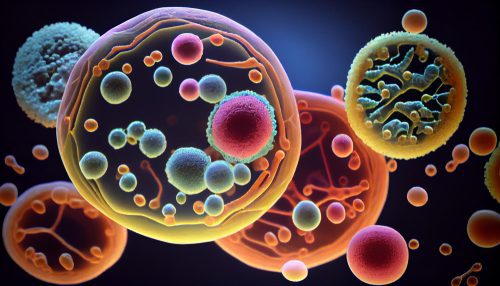
At their core, stem cells are the body's raw materials—cells from which all other cells with specialized functions are generated. Under the right conditions in the body or a laboratory, these cells divide to form more cells called daughter cells. These daughter cells either become new stem cells (self-renewal) or become specialized cells (differentiation) with a more specific function, such as blood cells, brain cells, heart muscle cells, or bone cells. This inherent plasticity makes them invaluable for therapeutic interventions and fundamental biological research. The ability to harness and direct this potential is what drives much of the innovation in modern biotechnology.
Perhaps the most widely recognized application of stem cell advancements lies within regenerative medicine. This field focuses on replacing or regenerating human cells, tissues, or organs to restore or establish normal function. Cell therapy, a subset of regenerative medicine, directly involves introducing new cells into a patient's body to treat a disease. Examples include using hematopoietic stem cells for bone marrow transplants to treat blood cancers, or exploring mesenchymal stem cells for their anti-inflammatory and immunomodulatory properties in conditions like arthritis or autoimmune disorders. The promise of repairing spinal cord injuries, regenerating damaged heart tissue after a heart attack, or even reversing neurodegenerative diseases like Parkinson's and Alzheimer's, positions these technologies as a beacon of hope for millions.
The advent of bioprinting, particularly 3D bioprinting, has dramatically advanced the field of tissue engineering. This innovative technology allows scientists to precisely arrange living cells and biomaterials layer by layer to create functional tissues and even rudimentary organs. Imagine printing a custom-fit heart valve or a patch of skin for burn victims. This is the reality that 3D bioprinting is rapidly bringing closer. Beyond direct transplantation, bioprinted tissues serve as invaluable models for studying disease progression, testing drug efficacy, and understanding complex biological interactions outside the human body. This capability significantly reduces the need for animal testing and accelerates the development of new medical treatments.
The pharmaceutical industry is also undergoing a significant transformation thanks to stem cell applications. Traditionally, drug discovery has relied on animal models or simplified cell lines, which often fail to accurately mimic human disease conditions. By differentiating human induced pluripotent stem cells (iPSCs) into specific cell types relevant to a disease—such as neurons for neurological disorders or cardiomyocytes for cardiac conditions—researchers can create more physiologically relevant disease models in vitro. This enables more accurate high-throughput screening of potential drug compounds, identifying effective therapies while simultaneously flagging toxic ones much earlier in the development pipeline. This personalized approach to drug testing is a game-changer for precision medicine and accelerates the pace of innovation in biotechnology.
The synergy between stem cells and gene-editing technologies like CRISPR (Clustered Regularly Interspaced Short palindromic Repeats) represents another frontier in medical science. Gene therapy aims to treat or prevent disease by correcting underlying genetic defects. When combined with stem cell technologies, this approach becomes even more powerful. For instance, a patient's own stem cells can be harvested, genetically corrected using CRISPR to fix a faulty gene, and then re-introduced into the body. This method minimizes immune rejection and offers a permanent solution for a range of genetic disorders, from sickle cell anemia to cystic fibrosis. The precision and efficiency of CRISPR have made it an indispensable tool in advancing both basic research and clinical applications in gene therapy and biotechnology.
While medical applications often dominate discussions about stem cell science, their utility extends into various other industries and research domains. In agriculture, these technologies are being explored for cultured meat production, offering a sustainable and ethical alternative to traditional livestock farming. In cosmetics, stem cell extracts are used for their regenerative and anti-aging properties. Furthermore, stem cells are fundamental tools in basic biological research, providing unparalleled insights into human development, disease mechanisms, and cellular differentiation. Understanding these processes is crucial for advancing not just medicine but also our broader understanding of life itself. The continuous innovation in this field is a testament to the dynamic nature of biotechnology.
Despite their immense potential, stem cell technologies face several challenges. Ethical considerations surrounding embryonic stem cells, though largely mitigated by the rise of iPSCs, remain a topic of discussion. Regulatory hurdles, ensuring the safety and efficacy of new therapies, are stringent and necessary. The cost of developing and implementing these advanced treatments is also a significant factor. However, ongoing research and the dedication of scientists worldwide are continuously addressing these obstacles. The future of stem cell advancements is bright, promising breakthroughs that will reshape healthcare and human well-being. Initiatives like Deep Science Workshops and Deep Science Implementation are crucial in training the next generation of scientists and engineers to navigate these complexities and drive innovation forward.
For those eager to delve deeper into this transformative field and contribute to its advancements, opportunities for specialized training are invaluable. Programs offered by institutions focusing on Deep Science Workshops and practical Deep Science Implementation provide the necessary knowledge and hands-on experience to master these complex technologies. These workshops are designed to bridge the gap between theoretical understanding and practical application, equipping participants with the skills needed to excel in the cutting-edge world of biotechnology, particularly in areas like regenerative medicine, cell therapy, bioprinting, 3D bioprinting, and advanced gene therapy techniques.
The journey through the diverse applications of stem cell innovations reveals a field brimming with innovation and hope. From revolutionizing regenerative medicine and cell therapy to transforming drug discovery and enabling precise gene therapy with tools like CRISPR, these technologies are undeniably at the heart of modern biotechnology. Their capacity to repair, regenerate, and revolutionize our understanding of life itself positions them as a cornerstone of future scientific and medical advancements. As research continues and new applications emerge, the impact of stem cell developments will only grow, promising a healthier, more sustainable future for all. Embrace the future of science and explore the profound possibilities with Deep Science Workshops and Deep Science Implementation.
Join Now