
Navigating the Future: Regulatory Compliance for Medical Devices in Stem Cell Technologies
The convergence of stem cells and medical device innovation presents a revolutionary frontier in healthcare. As regenerative medicine advances at an unprecedented pace, the development of sophisticated medical devices incorporating living cells promises to transform treatment paradigms for a myriad of debilitating conditions. From tissue engineering scaffolds seeded with patient-specific cells to advanced delivery systems for targeted cell therapy, the potential is immense. However, this groundbreaking progress is accompanied by a complex and evolving challenge: establishing robust regulatory frameworks. Ensuring the safety, efficacy, and quality of these novel products is paramount, not only for patient well-being but also for fostering sustainable innovation within the biotechnology sector. This article delves into the intricate world of regulatory compliance for medical devices leveraging stem cell technologies, offering a comprehensive guide for stakeholders navigating this critical landscape. We will explore the nuances of global regulations, the importance of rigorous research and development, the pathways for drug discovery, the intricacies of clinical trials, and the ethical considerations that underpin the future of stem cell research and gene therapy.
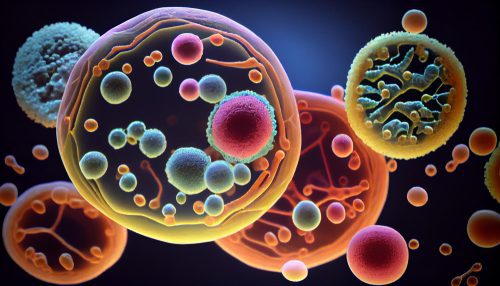
The Dawn of Regenerative Medicine and Stem Cell Technologies
Regenerative medicine stands as a beacon of hope, aiming to repair, replace, or regenerate damaged tissues and organs. At its core are stem cells, with their remarkable ability to self-renew and differentiate into various specialized cell types. This inherent plasticity makes them ideal candidates for developing advanced medical devices. Imagine a future where spinal cord injuries are healed by implanted neural stem cells, or failing hearts are bolstered by cardiac progenitor cells delivered via bioengineered patches. These aren't distant dreams but active areas of research and development. The integration of stem cells into devices, however, blurs traditional regulatory lines, often falling into categories that demand a hybrid approach, combining aspects of drug, biologic, and device regulations. This unique challenge necessitates a deep understanding of the regulatory landscape to ensure successful translation from laboratory to clinic.
Understanding Regulatory Compliance for Medical Devices Using Stem Cell Technologies
The journey from concept to market for a medical device incorporating stem cells is fraught with regulatory hurdles. Unlike conventional devices, these products often involve living components, requiring stringent controls over cell sourcing, manufacturing, quality, and long-term stability. Regulatory compliance for medical devices using stem cell technologies is not a one-size-fits-all endeavor; it varies significantly across different regions, with major bodies like the U.S. Food and Drug Administration (FDA) and the European Medicines Agency (EMA) leading the charge in establishing guidelines. Companies involved in biotechnology and cell therapy must meticulously navigate these frameworks to gain market authorization. This involves demonstrating not only the physical integrity and functionality of the device but also the safety and therapeutic efficacy of the cellular component. The process is iterative, requiring continuous engagement with regulatory authorities from the earliest stages of research and drug discovery through to post-market surveillance. Deep Science Workshops emphasize the importance of proactive regulatory strategy in this complex domain.
Key Regulatory Bodies and Frameworks Shaping the Future
Globally, several key regulatory bodies are grappling with the unique challenges posed by stem cell technologies. In the United States, the FDA regulates these products under various centers, depending on their primary mode of action. Products primarily acting through cellular or metabolic means might be regulated as biologics, while those achieving their primary intended purpose through physical means could fall under medical devices, often with a combination product designation. The European Union, through the EMA, classifies many stem cell-based products as Advanced Therapy Medicinal Products (ATMPs), which include gene therapy, somatic cell therapy, and tissue-engineered products. Other regions, such as Japan's PMDA and Canada's Health Canada, also have their own specific pathways. Understanding these diverse frameworks is critical for companies aiming for global market access. Harmonization efforts are ongoing, but significant differences remain, underscoring the need for specialized expertise in regulatory compliance for medical devices using stem cell technologies. Deep Science Implementation offers practical guidance on these intricate processes.
Navigating Pre-Clinical and Clinical Trials: A Rigorous Path
The path to market for stem cell-based medical devices is heavily reliant on robust pre-clinical and clinical trials. Pre-clinical studies must thoroughly characterize the stem cells, their purity, potency, and safety profile, including tumorigenicity and immunogenicity. These studies often involve complex in vitro and in vivo models that mimic the human physiological environment. Moving into human clinical trials, the challenges escalate. Phase I trials focus on safety, dose escalation, and preliminary efficacy. Phase II evaluates efficacy in a larger patient cohort, while Phase III confirms efficacy and monitors for adverse events in a diverse population. For stem cell products, long-term follow-up is often required due to the potential for delayed effects. The design of these trials must be meticulously planned to address the unique biological properties of living cells and their interaction with the device component. Ethical considerations are paramount, ensuring patient safety and informed consent throughout the entire trial process. This rigorous approach is essential for demonstrating the therapeutic benefit and safety of these innovative medical devices.
Quality Management Systems and Post-Market Surveillance
Beyond the initial approval, maintaining regulatory compliance for medical devices using stem cell technologies requires a robust quality management system (QMS) and ongoing post-market surveillance. A comprehensive QMS, often aligned with ISO 13485 standards, ensures that every stage of the product lifecycle—from raw material sourcing and manufacturing to distribution and post-market activities—adheres to strict quality controls. This is particularly vital for stem cell products, where variability in cell lines and manufacturing processes can significantly impact product consistency and safety. Post-market surveillance involves continuous monitoring of the device's performance and safety once it is on the market. This includes collecting data on adverse events, product complaints, and unexpected outcomes. Such data is crucial for identifying potential issues early, implementing corrective actions, and potentially updating product labeling or usage instructions. This continuous feedback loop is integral to ensuring long-term patient safety and maintaining public trust in regenerative medicine and cell therapy. Companies engaged in drug discovery and development must integrate these principles from the outset.
Ethical Considerations and Patient Safety in Stem Cell Research
The rapid advancements in stem cell research and gene therapy bring with them profound ethical considerations, especially when integrated into medical devices. Issues such as the source of stem cells (embryonic, adult, iPSCs), informed consent for novel therapies, equitable access to expensive treatments, and the potential for misuse or unproven therapies are at the forefront. Regulatory bodies worldwide are actively working to establish clear ethical guidelines that protect patient autonomy and well-being while fostering legitimate scientific progress. Patient safety remains the paramount concern. This includes not only the immediate safety during administration but also long-term safety, considering the potential for unintended cell differentiation, immune responses, or tumorigenesis. Transparency in research, clear communication of risks and benefits, and robust ethical review boards are indispensable components of responsible development in this field. The intersection of biotechnology, ethics, and regulation demands a thoughtful and collaborative approach from all stakeholders.
The Role of Biotechnology and Research in Advancing Compliance
Biotechnology is the engine driving innovation in stem cell technologies, and simultaneously, it plays a crucial role in enabling and streamlining regulatory compliance. Advances in analytical techniques, such as flow cytometry, genomics, and proteomics, allow for more precise characterization of stem cells and their derivatives, providing the robust data required for regulatory submissions. Furthermore, progress in manufacturing processes, including automation and closed systems, helps ensure product consistency and reduces contamination risks, directly addressing key regulatory concerns. Research into novel biomaterials and delivery systems also contributes to the development of safer and more effective medical devices. The continuous feedback loop between scientific discovery, technological innovation, and regulatory evolution is essential. As new insights emerge from stem cell research, regulatory frameworks must adapt to accommodate and facilitate the responsible translation of these discoveries into clinical practice. Deep Science Implementation offers practical guidance on these intricate processes.
Future Trends and Harmonization Efforts in Stem Cell Regulation
The regulatory landscape for medical devices incorporating stem cell technologies is dynamic and continues to evolve. Future trends point towards greater international harmonization, as regulatory agencies recognize the global nature of scientific innovation and the need for consistent standards. Furthermore, the increasing sophistication of gene therapy techniques integrated with stem cells will necessitate even more specialized regulatory pathways. The rise of personalized medicine, where therapies are tailored to individual patients, also presents unique regulatory challenges, particularly concerning manufacturing at scale and quality control. Staying abreast of these emerging trends and actively participating in discussions with regulatory bodies is vital for companies in biotechnology and regenerative medicine. The commitment to continuous learning and adaptation will define success in this transformative field.
Frequently Asked Questions about Stem Cell Technologies and Regulatory Compliance
Why is regulatory compliance crucial for stem cell-based medical devices?
Regulatory compliance is crucial to ensure the safety, efficacy, and quality of stem cell-based medical devices. Given the novel and complex nature of these technologies, strict oversight protects patients from potential harm, ensures products meet performance standards, and builds public trust in regenerative medicine.
What are the primary challenges in regulating stem cell technologies?
Challenges include the rapid pace of scientific advancement, the living nature of the products, difficulties in standardization, varying global regulatory frameworks, and the need to balance innovation with patient safety. Distinguishing between traditional medical devices and advanced therapy medicinal products (ATMPs) also adds complexity for biotechnology companies.
How do clinical trials for stem cell medical devices differ?
Clinical trials for stem cell medical devices often involve unique considerations such as long-term follow-up for cell persistence and potential tumorigenicity, specialized patient monitoring, and the need for robust manufacturing and quality control protocols. They typically require extensive pre-clinical data and phased human trials to demonstrate safety and effectiveness in cell therapy.
What role does biotechnology play in advancing stem cell medical devices?
Biotechnology is fundamental to the development of stem cell medical devices, providing the tools and techniques for cell isolation, expansion, differentiation, genetic modification, and scaffold engineering. It drives innovation in manufacturing processes, quality control, and the integration of stem cells into functional medical devices for therapeutic applications, impacting drug discovery and research.
Conclusion: Paving the Way for Transformative Healthcare
The journey of bringing medical devices utilizing stem cell technologies from the laboratory bench to the patient's bedside is undeniably challenging, yet immensely rewarding. Regulatory compliance for medical devices using stem cell technologies is not merely a bureaucratic hurdle but a fundamental pillar ensuring the safety, efficacy, and ethical integrity of these groundbreaking therapies. As regenerative medicine continues to evolve, driven by relentless research in biotechnology and advancements in cell therapy and gene therapy, a collaborative ecosystem involving scientists, industry, regulatory bodies, and policymakers is essential. By embracing rigorous development practices, navigating complex clinical trials, and committing to continuous quality improvement, we can unlock the full potential of stem cells to revolutionize healthcare. Deep Science Workshops and Deep Science Implementation are committed to empowering professionals with the knowledge and skills needed to excel in this transformative field, ensuring that innovation proceeds responsibly and effectively. The future of medicine is here, and it is deeply intertwined with our ability to understand and master the regulatory landscape of stem cell-based medical devices.