
The landscape of modern medicine is undergoing a profound transformation, largely driven by groundbreaking advancements in stem cell research. Once a distant concept, the therapeutic potential of stem cells is now at the forefront of medical innovation, promising cures for previously incurable diseases and revolutionizing how we approach health and healing. This article delves into the multifaceted impact of stem cell research on the healthcare industry, exploring its current applications, future prospects, and the exciting convergence with other cutting-edge fields like biotechnology, tissue engineering, gene therapy, and 3D bioprinting.
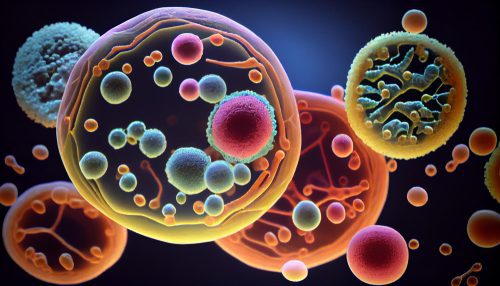
At the heart of stem cell research lies the promise of regenerative medicine. This revolutionary field aims to repair, replace, or regenerate damaged or diseased cells, tissues, and organs to restore normal function. Unlike traditional medicine, which often focuses on managing symptoms, regenerative medicine seeks to address the root cause of illness by harnessing the body's innate healing capabilities. Stem cells, with their unique ability to differentiate into various cell types and self-renew, are the primary tools in this endeavor. From repairing damaged heart muscle after a myocardial infarction to regenerating neural tissue in spinal cord injuries, the applications of stem cells in regenerative medicine are vast and continuously expanding. This fundamental shift in therapeutic approach is poised to redefine chronic disease management and acute injury recovery.
One of the most direct applications of stem cell research is cell therapy. This involves introducing new, healthy cells into a patient's body to replace diseased or dysfunctional ones. For instance, hematopoietic stem cell transplantation has been a cornerstone of cancer treatment for decades, restoring the immune system after chemotherapy. Beyond oncology, cell therapy is being explored for autoimmune diseases, neurological disorders like Parkinson's and Alzheimer's, and even diabetes. The ability to grow and manipulate specific cell types in laboratories, thanks to advances in biotechnology, allows for personalized and targeted treatments, minimizing side effects and maximizing efficacy. The precision offered by modern cell therapy is a testament to the meticulous progress in understanding cellular mechanisms.
The synergy between stem cell research and advanced manufacturing techniques has given rise to incredible innovations in tissue engineering and bioprinting. Imagine a future where organs for transplantation are not scarce but can be custom-made. This is the vision that 3D bioprinting is bringing to life. By using specialized printers to deposit layers of living cells and biocompatible materials, scientists can construct complex biological structures, from skin grafts and cartilage to vascularized tissues and even rudimentary organoids. This technology is not only crucial for creating transplantable organs but also for developing more accurate disease models for drug discovery and toxicology testing, significantly reducing the reliance on animal testing. The meticulous layering process in 3D bioprinting ensures structural integrity and cellular viability, pushing the boundaries of what's possible in reconstructive medicine.
Biotechnology serves as the foundational pillar supporting the rapid advancements in stem cell research. From developing sophisticated cell culture techniques and bioreactors to creating novel delivery systems for cell therapy, biotechnology provides the tools and methodologies necessary to translate scientific discoveries into clinical applications. Innovations in genetic engineering, particularly the advent of tools like CRISPR, are further amplifying the potential of stem cells. CRISPR allows for precise editing of genes within stem cells, enabling researchers to correct genetic defects before transplantation or to engineer cells with enhanced therapeutic properties, opening new avenues for treating genetic disorders at their source. This convergence of disciplines underscores the interdisciplinary nature of modern scientific breakthroughs.
While distinct, gene therapy and stem cell research often intersect, particularly with the powerful capabilities of CRISPR. Gene therapy aims to treat diseases by modifying or introducing genes into a patient's cells. When combined with stem cells, this approach becomes even more potent. For example, a patient's own stem cells can be harvested, genetically corrected using CRISPR to fix a disease-causing mutation, and then reintroduced into the body. This personalized approach minimizes immune rejection and offers a permanent solution for many inherited conditions. Diseases like sickle cell anemia, cystic fibrosis, and certain forms of blindness are now within the therapeutic reach of this combined strategy, showcasing the profound impact of stem cell research and development.
As with any transformative scientific field, stem cell research presents ethical considerations that require careful navigation. Debates surrounding embryonic stem cells have led to increased focus on induced pluripotent stem cells (iPSCs), which can be generated from adult cells, circumventing many ethical concerns. Regulatory frameworks are continuously evolving to ensure responsible research and safe clinical translation. Looking ahead, the future of stem cell research is incredibly bright. We can anticipate more sophisticated cell therapy protocols, the widespread adoption of 3D bioprinting for organ fabrication, and increasingly precise gene editing with CRISPR. The integration of artificial intelligence and machine learning will further accelerate discovery, enabling faster identification of therapeutic targets and optimization of treatment strategies. The continuous innovation in biotechnology promises a future where regenerative solutions are commonplace.
Understanding and contributing to these cutting-edge fields requires specialized knowledge and practical skills. This is where initiatives like Deep Science Workshops and Deep Science Implementation play a crucial role. By providing hands-on training and in-depth educational programs in areas such as stem cell technologies, regenerative medicine, bioprinting, and advanced biotechnology techniques, these programs are nurturing the next generation of scientists, researchers, and clinicians. They bridge the gap between theoretical knowledge and practical application, ensuring that the advancements in stem cell research continue to flourish and translate into tangible benefits for humanity. Engaging with such platforms is vital for anyone looking to make a significant impact in the evolving world of healthcare.
The impact of stem cell research on the healthcare industry is undeniable and continues to grow exponentially. From pioneering regenerative medicine to enabling advanced cell therapy and revolutionizing tissue engineering through 3D bioprinting, stem cells are at the vanguard of medical innovation. Coupled with the power of gene therapy and precise editing tools like CRISPR, and supported by the broader field of biotechnology, we are entering an era where debilitating diseases may become curable, and the boundaries of human health are being dramatically expanded. This journey of discovery and implementation is critical for shaping a healthier future for all.
Join Now