
The landscape of modern medicine is being reshaped by groundbreaking advancements in stem cell research and regenerative medicine. As we stand at the cusp of a new era in healthcare, understanding the financial currents that propel this innovation is crucial. This article delves into the intricate world of funding trends and offers predictions for the future of investment in this transformative field. From government grants to venture capital, the flow of resources dictates the pace of discovery and the translation of laboratory breakthroughs into clinical realities. We will explore how these financial dynamics are influencing the development of novel cell therapy approaches, the rise of bioprinting, and the potential for revolutionary treatments in tissue engineering and drug discovery.
The promise of stem cells to repair, replace, and regenerate damaged tissues and organs has captivated scientists, clinicians, and investors alike. This inherent potential has fueled a robust ecosystem of research and development, making biotechnology a vibrant and rapidly evolving domain. As we navigate the complexities of scientific innovation and market demands, a clear understanding of funding patterns becomes indispensable for researchers, entrepreneurs, and policymakers aiming to harness the full power of regenerative medicine.
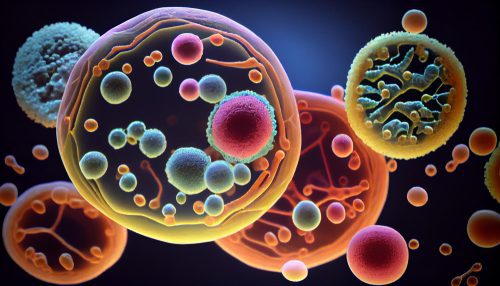
The past decade has witnessed a significant surge in investment in stem cell research and development. This growth is multifaceted, stemming from various sources including public funding bodies, private venture capital firms, pharmaceutical companies, and philanthropic organizations. Governments worldwide recognize the strategic importance of this field for public health and economic growth, allocating substantial grants to academic institutions and research centers. For instance, national institutes of health and medical research councils are primary drivers of foundational research, supporting early-stage discoveries in stem cells and their applications.
Private investment, particularly from venture capital, has become increasingly prominent. These firms are drawn to the high-growth potential of companies developing advanced cell therapy products and innovative platforms. The promise of significant returns from successful clinical trials and market approvals incentivizes substantial capital injection into promising startups. Furthermore, established pharmaceutical and biotechnology companies are actively investing in or acquiring smaller firms specializing in regenerative medicine, integrating these cutting-edge technologies into their pipelines for drug discovery and therapeutic development. This strategic consolidation indicates a maturing market and a strong belief in the long-term viability of stem cell-based treatments.
Several factors are propelling the sustained interest and investment in regenerative medicine. Firstly, the aging global population presents an escalating demand for treatments addressing age-related degenerative diseases, chronic conditions, and organ failure. Stem cells offer a unique biological solution to these challenges, promising not just symptom management but actual tissue repair and regeneration. Secondly, breakthroughs in gene editing technologies, such as CRISPR, have revolutionized the precision with which scientists can manipulate stem cells, making them more effective and safer for therapeutic use. This synergy between gene therapy and stem cell technologies is opening new avenues for treating genetic disorders and complex diseases.
Thirdly, the increasing sophistication of preclinical models and the growing success rates in early-phase clinical trials are building confidence among investors. As more therapies demonstrate safety and efficacy, the pathway to market becomes clearer, reducing perceived risks. Lastly, the rise of personalized medicine, where treatments are tailored to an individual's genetic makeup and disease profile, aligns perfectly with the capabilities of stem cells. Autologous cell therapies, derived from a patient's own cells, exemplify this personalized approach, attracting significant investment due to their potential for higher efficacy and reduced immune rejection.
The field of stem cell research is constantly evolving, with new technologies emerging that attract significant funding. Among these, bioprinting stands out as a particularly exciting area. 3D bioprinting, in particular, is revolutionizing tissue engineering by enabling the precise fabrication of complex biological structures, from miniature organs (organoids) for drug discovery to potential implantable tissues. This technology holds immense promise for creating functional tissues and organs for transplantation, thereby addressing the critical shortage of donor organs and providing more accurate models for disease research.
Beyond bioprinting, other innovations are also drawing substantial investment. Advanced bioreactor systems for scalable cell manufacturing, novel biomaterials that enhance stem cell differentiation and integration, and sophisticated imaging techniques for tracking cell fate in vivo are all critical components of the regenerative medicine ecosystem. The integration of artificial intelligence (AI) and machine learning (ML) in analyzing vast datasets from stem cell experiments is accelerating discovery and optimizing therapeutic strategies, making these areas highly attractive for technology-focused investors. Furthermore, the convergence of biotechnology with nanotechnology and materials science is leading to hybrid solutions that promise enhanced therapeutic outcomes, further diversifying the investment landscape.
Looking ahead, several trends are likely to shape the future of funding in stem cell research and development. We anticipate continued growth in private sector investment, especially from venture capital and corporate venture arms of large pharmaceutical companies. As more cell therapy products gain regulatory approval and enter the market, investor confidence will solidify, leading to larger funding rounds and more robust M&A activity. The focus will likely shift towards scalable manufacturing solutions, cost-effective delivery methods, and therapies targeting broader patient populations.
Government funding will continue to play a crucial role, particularly in supporting translational research that bridges the gap between basic science and clinical application. International collaborations and public-private partnerships are also expected to increase, pooling resources and expertise to tackle complex challenges in regenerative medicine. Furthermore, impact investing, where investors seek both financial returns and positive social impact, will likely grow as the ethical and societal benefits of stem cells become more widely recognized. The integration of gene therapy with stem cell approaches will also see a surge in funding, particularly for inherited diseases and cancers, leveraging the precision of gene editing within the regenerative capacity of stem cells.
Despite the optimistic outlook, the field of stem cell research faces several funding challenges. The high cost of research and development, lengthy clinical trial processes, and complex regulatory hurdles can deter some investors. Ethical considerations surrounding certain types of stem cells also continue to influence public perception and policy, potentially impacting funding streams. However, these challenges also present opportunities. Innovations in clinical trial design, the development of more efficient manufacturing processes, and clear regulatory pathways are all areas ripe for investment and technological advancement.
Moreover, the increasing global demand for advanced healthcare solutions provides a strong market pull for successful regenerative medicine products. Companies that can navigate the regulatory landscape, demonstrate clear efficacy, and develop scalable solutions will be well-positioned to attract significant investment. The ongoing dialogue between scientists, regulators, and industry stakeholders is crucial for creating an environment conducive to continued innovation and investment in this vital area of biotechnology.
The rapid evolution of stem cell technologies and regenerative medicine necessitates continuous learning and practical skill development. This is where initiatives like Deep Science Workshops and Deep Science Implementation play a pivotal role. These programs are designed to equip researchers, clinicians, and industry professionals with the cutting-edge knowledge and hands-on expertise required to push the boundaries of stem cell research and development. By providing immersive training in areas such as advanced cell therapy techniques, bioprinting protocols, and ethical considerations, they foster a new generation of innovators capable of translating scientific discoveries into tangible therapeutic solutions.
Participation in such specialized workshops not only enhances individual capabilities but also strengthens the overall ecosystem of biotechnology innovation. They facilitate networking, encourage collaborative projects, and ensure that the latest scientific advancements are effectively disseminated and applied. This commitment to practical education and implementation is crucial for accelerating the pace of discovery, attracting further investment, and ultimately, bringing life-changing regenerative medicine therapies to patients worldwide. These platforms are instrumental in driving the practical application of complex scientific principles, ensuring that the funding poured into research translates into real-world impact.
The future of stem cell research and development is undeniably bright, propelled by a confluence of scientific breakthroughs, increasing therapeutic demand, and robust financial investment. The trends indicate a sustained and growing interest in stem cells, regenerative medicine, and related fields such as cell therapy, bioprinting, and gene therapy. As these technologies mature, we can expect to see more transformative treatments emerge, addressing a wide spectrum of diseases and improving human health globally. The continued commitment from both public and private sectors, coupled with the vital role of educational initiatives like Deep Science Workshops, will ensure that the promise of regenerative medicine is fully realized. Investing in this field is not just about financial returns; it's about investing in a healthier, more hopeful future for all.
Join Now: Explore Stem Cell Technologies and Regenerative MedicinePrimary drivers include the immense therapeutic potential for chronic diseases, advancements in gene editing technologies, the rise of personalized medicine, and the growing interest in regenerative medicine applications such as tissue engineering and cell therapy. Significant investments also come from government grants, venture capital, and pharmaceutical companies looking for novel drug discovery platforms.
Bioprinting, especially 3D bioprinting, is a major area of interest because it enables the creation of complex tissues and organs, which are crucial for drug testing, disease modeling, and eventually, transplantation. This capability attracts substantial funding from both public and private sectors eager to accelerate breakthroughs in tissue engineering and regenerative medicine.
Deep Science Workshops and Deep Science Implementation initiatives are vital for fostering innovation and practical application in stem cell technologies and regenerative medicine. They provide platforms for knowledge exchange, skill development, and collaborative research, helping to bridge the gap between fundamental research and clinical translation, thereby attracting further investment and talent into the field.
Future predictions indicate continued robust growth in stem cell research funding, driven by successful clinical trials, regulatory advancements, and increasing public awareness. Expect more cross-sector collaborations, significant investment in AI-driven drug discovery, and a focus on scalable manufacturing processes for cell therapies. Gene therapy integration with stem cells will also be a key area of investment.
Individuals interested in this cutting-edge field can pursue specialized education, participate in research programs, or join advanced workshops like those offered by Deep Science Workshops. These programs provide foundational knowledge and practical skills in areas such as stem cells, cell therapy, tissue engineering, and biotechnology, preparing participants for impactful careers in regenerative medicine and related fields.