
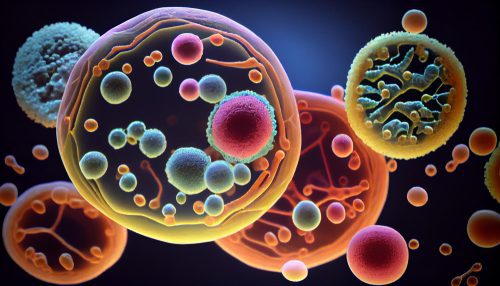
Understanding Stem Cell Therapy
At its core, stem cell therapy leverages the unique ability of stem cells to differentiate into various specialized cell types and self-renew. These remarkable cells hold the key to repairing damaged tissues, modulating immune responses, and combating inflammation. The promise of regenerative medicine lies in harnessing these inherent biological capabilities to restore function and improve quality of life. From embryonic to adult and induced pluripotent stem cells, each type presents distinct therapeutic advantages and considerations, driving extensive research and development.
The Critical Role of Patient Selection
Effective patient selection is the cornerstone of successful stem cell therapy. It's not a one-size-fits-all solution; careful evaluation ensures that the therapy is appropriate and offers the best chance of benefit while minimizing risks.
Eligibility Criteria
This involves a thorough assessment of the patient's medical history, current health status, and the specific condition being targeted. Factors such as disease severity, progression, previous treatments, and overall physiological resilience play a vital role. For instance, patients with certain autoimmune conditions or active infections might be deemed unsuitable.
Pre-treatment Evaluations
Comprehensive diagnostic tests, including advanced imaging, blood work, and genetic screening, are often required. These evaluations help confirm the diagnosis, assess the extent of tissue damage, and identify any contraindications. Understanding the patient's biological profile is essential for tailoring the cell therapy approach.
Ethical Considerations
Beyond medical suitability, ethical guidelines govern the application of stem cell therapy. Informed consent, realistic expectations, and transparent communication about potential benefits and limitations are paramount. Reputable clinics and research institutions adhere to strict ethical frameworks to protect patient welfare.
Developing Robust Treatment Protocols
Once a patient is deemed suitable, the development and adherence to precise treatment protocols for stem cell therapy become critical. These protocols dictate every step of the therapeutic process, from cell sourcing to post-treatment follow-up.
Source of Stem Cells
The choice between autologous (patient's own cells) and allogeneic (donor cells) stem cells significantly impacts the protocol. Autologous approaches minimize immune rejection but require sufficient healthy cells from the patient. Allogeneic therapies offer off-the-shelf availability but necessitate careful immune matching.
Cell Processing and Quality Control
Rigorous laboratory procedures are essential for isolating, expanding, and preparing stem cells for therapeutic use. This includes strict adherence to Good Manufacturing Practices (GMP) to ensure cell viability, purity, and safety. Quality control measures are vital to prevent contamination and ensure consistent cell product quality, a key area of focus in modern biotechnology.
Administration Methods
The route of administration depends on the target tissue or organ. Common methods include intravenous (IV) infusion for systemic effects, direct injection into affected joints or organs, or localized delivery via catheters. Each method has specific requirements and considerations within the treatment protocols.
Dosage and Frequency
Determining the optimal cell dosage and the frequency of administration is often based on preclinical research and data from ongoing clinical trials. These parameters are crucial for achieving the desired therapeutic effect without overburdening the patient or causing adverse reactions.
Post-treatment Care and Monitoring
Comprehensive follow-up care is integral to assessing treatment efficacy and managing any potential side effects. This involves regular clinical evaluations, imaging studies, and biomarker analysis. Long-term monitoring helps gather valuable data for refining future stem cell research and protocols.
Current Applications and Clinical Trials
The field of regenerative medicine is rapidly expanding, with stem cell therapy showing promise across a spectrum of conditions.
Orthopedic Conditions
From osteoarthritis to spinal cord injuries, stem cells are being explored for their ability to repair cartilage, bone, and nerve tissue.
Neurological Disorders
Conditions like Parkinson's disease, Alzheimer's, and stroke are targets for stem cell research aiming to replace damaged neurons or provide neuroprotective support.
Autoimmune Diseases
The immunomodulatory properties of certain stem cells make them candidates for treating conditions like Crohn's disease and multiple sclerosis.
Cardiovascular Diseases
Repairing heart muscle damage after a heart attack is another significant area of research.
Ongoing clinical trials worldwide are systematically evaluating the safety and efficacy of these therapies, moving them closer to widespread clinical adoption. The rigorous scientific approach in these trials is a testament to the commitment of the biotechnology community to evidence-based medicine.
Challenges and Future Directions in Stem Cell Research
Despite the immense progress, the field faces challenges. Regulatory frameworks are continually evolving to keep pace with scientific advancements. Standardizing treatment protocols across different clinics and countries remains a key objective to ensure consistent quality and outcomes.
The future of stem cell research is incredibly bright, driven by innovations in related fields.
Tissue Engineering
Combining stem cells with biomaterials to create functional tissues and organs for transplantation is a burgeoning area. This involves complex 3D scaffolding and bioreactor technologies.
Gene Therapy
Integrating gene therapy techniques with stem cell therapy allows for genetic modification of cells to enhance their therapeutic properties or correct underlying genetic defects, opening new avenues for treating inherited diseases.
Drug Discovery
Stem cells are also invaluable tools in drug discovery, providing physiologically relevant models for testing new compounds and understanding disease mechanisms, accelerating the development of novel therapeutics.
These interdisciplinary approaches, fueled by continuous research, promise to unlock even greater potential for regenerative medicine.
Deep Science Workshops and Implementation
To truly harness the power of stem cell therapy and regenerative medicine, a skilled workforce is essential. Programs like Deep Science Workshops and Deep Science Implementation are vital for educating and training the next generation of scientists, clinicians, and technicians. These initiatives provide hands-on experience and in-depth knowledge of advanced biotechnology techniques, from cell culture and processing to understanding complex treatment protocols and navigating regulatory landscapes. Such specialized training ensures that the advancements in stem cell research translate effectively from the lab to patient care, fostering responsible and innovative practices in this rapidly evolving domain.
Conclusion
The journey of stem cell therapy from laboratory discovery to clinical application is a testament to the power of scientific innovation. The meticulous attention to patient selection and treatment protocols for stem cell therapy is not merely a procedural requirement but a fundamental commitment to patient safety and therapeutic success. As regenerative medicine continues to mature, propelled by ongoing research and groundbreaking clinical trials, it holds the promise of transforming countless lives. By prioritizing rigorous science, ethical practice, and comprehensive training through initiatives like Deep Science Workshops, we can ensure that the full potential of stem cells is realized for the benefit of humanity.