
The journey from a groundbreaking scientific discovery to a life-saving oncology drug reaching patients is fraught with challenges, none more significant than navigating the intricate web of regulatory pathways for oncology drugs and therapies. For professionals and aspiring experts in biotechnology, cancer research, and the broader biopharma industry, understanding these pathways is not just beneficial—it's absolutely critical. This comprehensive guide delves into the rigorous processes governing the approval of oncology drugs and therapies, highlighting the pivotal role of regulatory bodies in ensuring safety, efficacy, and quality in cancer treatment.
The development of new therapies, especially in complex fields like oncology, demands meticulous adherence to regulatory guidelines. These guidelines are designed to protect public health by ensuring that only safe and effective treatments are made available. From initial drug discovery to post-market surveillance, every step is scrutinized, making expertise in regulatory affairs in oncology course invaluable for anyone looking to make a significant impact in this vital sector.
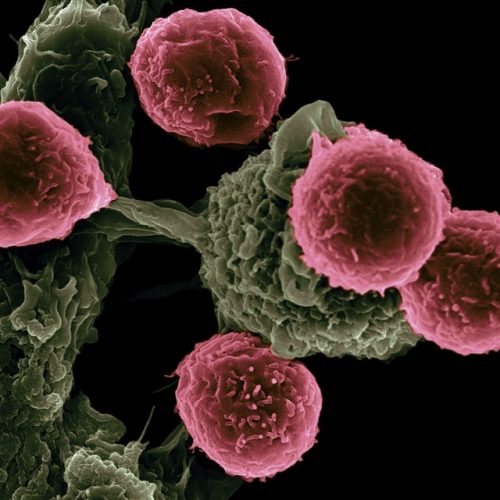
Before any new compound can be tested in humans, it undergoes extensive pre-clinical development. This phase is rooted deeply in cancer research and molecular biology, where scientists identify potential therapeutic targets and screen vast libraries of compounds. Initial studies involve in-vitro (cell culture) and in-vivo (animal) experiments to assess the drug's mechanism of action, toxicity, and preliminary efficacy. The goal is to gather enough data to justify human trials, culminating in the submission of an Investigational New Drug (IND) application to regulatory authorities. This application is a critical gateway, demonstrating that the potential benefits outweigh the risks for early human exposure.
Once an IND is approved, the drug enters the most scrutinized phase: clinical trials. These trials are meticulously designed to evaluate the safety and efficacy of the new oncology drugs in human subjects, progressing through several phases:
The rigor of these trials ensures that only compounds demonstrating clear benefits and acceptable safety profiles can advance, reflecting the immense responsibility in developing effective cancer treatment.
Upon successful completion of clinical trials, the pharmaceutical company submits a comprehensive application—such as a Biologics License Application (BLA) for biologics or a New Drug Application (NDA) for small molecules—to regulatory bodies like the U.S. Food and Drug Administration (FDA) or the European Medicines Agency (EMA). This application includes all data collected throughout the drug discovery and development process, often comprising tens of thousands of pages.
Regulatory agencies then conduct an exhaustive review, assessing the drug's safety, efficacy, and manufacturing quality. This often involves expert advisory committees, site inspections of manufacturing facilities, and detailed statistical analysis of trial data. For promising oncology drugs, especially those addressing unmet medical needs, regulatory bodies may offer expedited programs like Fast Track, Breakthrough Therapy, Accelerated Approval, or Priority Review to hasten their availability to patients. This balance between speed and thoroughness is a hallmark of effective regulatory pathways for oncology drugs and therapies.
The advent of advanced biotechnology, particularly in areas like gene therapy and immunotherapy, has introduced new complexities into the regulatory landscape. These innovative treatments, which often involve living cells or genetic material, present unique challenges regarding manufacturing, quality control, and long-term safety monitoring. Regulatory agencies have developed specialized guidelines and review processes to accommodate these cutting-edge therapies, ensuring their safe and effective integration into cancer treatment paradigms. Understanding these nuanced pathways is paramount for professionals in the biopharma sector.
Approval is not the end of the regulatory journey. Once an oncology drug is on the market, it enters the post-market surveillance phase (often referred to as Phase IV studies). This involves continuous monitoring for long-term safety, rare side effects that may not have appeared in clinical trials, and new indications. Pharmacovigilance programs collect and analyze adverse event reports, allowing regulatory bodies to take action if new safety concerns emerge. This ongoing oversight ensures the continued safety and benefit-risk profile of approved cancer treatment options, reflecting a commitment to patient well-being throughout the drug's lifecycle.
The regulatory landscape for oncology drugs is constantly evolving. Challenges include the increasing complexity of new therapies, the need for international harmonization of guidelines, and the rapid pace of scientific advancement. Future trends point towards personalized medicine, where treatments are tailored to an individual's genetic makeup, and the integration of artificial intelligence and machine learning in drug discovery and clinical trial design. These advancements will necessitate adaptive regulatory frameworks capable of evaluating novel data types and accelerating the delivery of truly transformative cancer treatment.
Given the intricate and dynamic nature of regulatory pathways for oncology drugs and therapies, there is a significant demand for professionals equipped with specialized knowledge. A comprehensive program, such as the 'Molecular Basis of Cancer Therapeutics and Targets' offered by Deep Science Workshops and Deep Science Implementation, provides invaluable insights into this domain. This course is specifically designed for those seeking to master the complexities of drug discovery, clinical trials, and the regulatory processes essential for bringing life-saving oncology drugs to market. It covers everything from foundational molecular biology to advanced concepts in gene therapy and immunotherapy, preparing you for a successful career in the biopharma industry.
Enrolling in a dedicated regulatory affairs in oncology course empowers you with the expertise to navigate these critical stages, ensuring compliance and accelerating the availability of innovative cancer treatment. It’s an investment in your career and a contribution to advancing global health.
Join NowWhat are the primary stages in the regulatory approval of oncology drugs?
The primary stages include pre-clinical development (laboratory and animal testing), clinical trials (Phase I, II, III in humans), and regulatory review and approval by agencies like the FDA or EMA, followed by post-market surveillance.
Why are clinical trials so crucial for oncology drug approval?
Clinical trials are essential to demonstrate the safety and efficacy of new oncology drugs in human subjects. They provide critical data on dosage, side effects, and therapeutic benefits, ensuring that only safe and effective treatments reach patients.
How do regulatory pathways differ for advanced therapies like gene therapy and immunotherapy?
Advanced therapies like gene therapy and immunotherapy often have specialized regulatory pathways due to their unique mechanisms of action and potential risks. These may involve specific guidelines for manufacturing, quality control, and long-term follow-up studies, requiring deep expertise in biotechnology and molecular biology.
What role does molecular biology play in drug discovery for cancer treatment?
Molecular biology is fundamental to drug discovery in cancer treatment. It helps identify specific molecular targets, understand disease mechanisms, and design targeted therapies, leading to more effective and personalized oncology drugs.
Where can I learn more about regulatory affairs in oncology?
To gain in-depth knowledge and practical skills in this complex field, consider enrolling in a specialized program like the 'Molecular Basis of Cancer Therapeutics and Targets' course offered by Deep Science Workshops. This program provides comprehensive insights into the regulatory landscape, drug discovery, and clinical trials in oncology.