
Cancer, a multifaceted disease characterized by uncontrolled cell growth, remains a formidable challenge in global health. Understanding its fundamental mechanisms is paramount to developing effective therapies. At the heart of this challenge lies the intricate interplay between two critical classes of genes: oncogenes and tumor suppressors. These genetic elements act as the accelerators and brakes of cell division, respectively, and their dysregulation is a hallmark of cancer development. This article delves deep into the fascinating world of cancer genetics, exploring how these genes contribute to tumorigenesis and how their study is revolutionizing cancer research, paving the way for targeted cancer therapy and innovative drug discovery within the vibrant field of biotechnology research.
The journey from a healthy cell to a cancerous one is a complex process, often involving a series of genetic alterations that accumulate over time. These alterations can activate growth-promoting pathways or disable growth-inhibiting mechanisms, tipping the delicate cellular balance towards uncontrolled proliferation. Identifying and characterizing these genetic drivers is a central focus of modern molecular biology and a key to unlocking new therapeutic strategies.
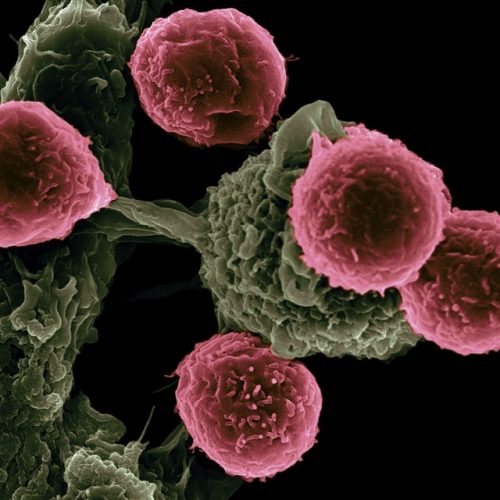
At its core, cancer is a disease of the genome. Normal cells meticulously regulate their growth, division, and death to maintain tissue homeostasis. This regulation is orchestrated by a vast network of genes. When these genes acquire mutations, they can lose their normal function or gain new, detrimental ones, leading to the hallmarks of cancer: sustained proliferative signaling, evasion of growth suppressors, resistance to cell death, limitless replicative potential, angiogenesis, and metastasis. The two primary categories of genes implicated in this process are oncogenes and tumor suppressors.
Initially, scientists identified genes called proto-oncogenes, which play crucial roles in normal cell growth and differentiation. However, when proto-oncogenes undergo specific mutations, amplifications, or chromosomal translocations, they transform into oncogenes. These activated genes then promote uncontrolled cell proliferation, akin to a car's accelerator being jammed. This transformation is a critical step in tumorigenesis and a major area of cancer research.
Classic examples of oncogenes include:
The study of oncogenes is a vibrant part of biotechnology research, leading to the identification of specific targets for therapeutic intervention. Understanding the precise molecular mechanisms by which these genes drive cancer is essential for designing effective inhibitors and developing personalized medicine approaches.
In stark contrast to oncogenes, tumor suppressors act as the "brakes" on cell growth and division. They are essential for maintaining genomic stability, regulating the cell cycle, initiating programmed cell death (apoptosis) in response to damage, and repairing DNA. When tumor suppressors are inactivated or lost, cells lose their ability to control growth and accumulate further genetic damage, significantly increasing the risk of cancer. This concept is famously encapsulated in the "Two-Hit Hypothesis" proposed by Alfred Knudson, which posits that both copies of a tumor suppressor gene must be inactivated for cancer to develop.
Key examples of tumor suppressors include:
Research into tumor suppressors is a cornerstone of cancer genetics, providing insights into inherited cancer syndromes and the fundamental processes that prevent cancer development. Efforts in biotechnology research are exploring ways to restore or mimic the function of these vital genes, offering new avenues for cancer therapy.
Cancer development is rarely due to a single genetic event. Instead, it typically involves the accumulation of multiple mutations that simultaneously activate oncogenes and inactivate tumor suppressors. This creates a synergistic effect, where the loss of growth control and the gain of proliferative signals drive aggressive tumor progression. The balance between these two classes of genes is critical for maintaining cellular health. Disrupting this balance, often through environmental factors, lifestyle choices, or inherited predispositions, can set the stage for disease.
Understanding this intricate dance between cellular accelerators and brakes is transforming cancer research. Scientists are increasingly focusing on the entire network of genetic interactions rather than isolated mutations, leading to more comprehensive models of cancer progression and more sophisticated therapeutic strategies.
The profound insights gained from studying oncogenes and tumor suppressors have revolutionized cancer therapy. The shift from broad-spectrum chemotherapy to targeted therapies is a direct consequence of identifying specific oncogenic drivers. For instance, drugs like imatinib, which targets the BCR-ABL fusion protein in chronic myeloid leukemia, or gefitinib, which targets EGFR mutations in lung cancer, are prime examples of successful drug discovery efforts focused on inhibiting oncogenic activity.
Furthermore, the field of gene therapy is exploring innovative ways to restore the function of inactivated tumor suppressors or to introduce genes that can selectively kill cancer cells. Advances in molecular biology and genetic engineering, including CRISPR-Cas9 technology, hold immense promise for precise genetic interventions in cancer. The burgeoning field of biotech is at the forefront of these developments, translating fundamental scientific discoveries into clinical applications.
The future of cancer therapy lies in personalized medicine, where treatments are tailored to the specific genetic profile of a patient's tumor. This approach, heavily reliant on advanced biotechnology research, promises to improve efficacy and reduce side effects, ultimately leading to better patient outcomes.
The complex challenges of cancer research, drug discovery, and the development of novel cancer therapy demand a highly skilled and knowledgeable workforce. This is where initiatives like Deep Science Workshops and Deep Science Implementation play a crucial role. By providing cutting-edge training and practical experience in areas like molecular biology, cancer genetics, and advanced biotechnological techniques, these programs empower the next generation of scientists and researchers.
Through hands-on learning and exposure to real-world research methodologies, participants gain the expertise necessary to contribute meaningfully to the fight against cancer. Whether it's developing new diagnostic tools, identifying novel drug targets, or refining gene therapy approaches, the practical application of scientific knowledge is paramount. Deep Science Workshops bridge the gap between theoretical understanding and practical innovation, fostering an environment where groundbreaking discoveries can flourish and be translated into tangible solutions for patients.
The intricate dance between oncogenes and tumor suppressors forms the very foundation of cancer biology. Their discovery and ongoing study have not only illuminated the fundamental mechanisms of cancer development but have also paved the way for revolutionary advances in cancer therapy and drug discovery. As biotechnology research continues to evolve, driven by relentless cancer research and innovations in molecular biology and gene therapy, our ability to precisely target the genetic vulnerabilities of cancer cells will only grow stronger.
The journey to conquer cancer is long and arduous, but with each new discovery about these critical genes, we move closer to a future where cancer is not just treated, but truly overcome. Engage with the latest advancements and deepen your understanding of these vital topics.
Join NowWhat is the primary difference between oncogenes and tumor suppressors?
Oncogenes are mutated versions of proto-oncogenes that promote cell growth and division, acting like an accelerator stuck in the 'on' position. In contrast, tumor suppressors are genes that regulate cell growth and division, initiate apoptosis, and repair DNA, acting like the brakes of a cell. When tumor suppressors are inactivated, cells can grow uncontrollably.
Can mutations in oncogenes or tumor suppressors be inherited?
Yes, mutations in both oncogenes and tumor suppressors can be inherited. Inherited mutations in tumor suppressor genes like BRCA1/2 (associated with breast and ovarian cancer) or TP53 (Li-Fraumeni syndrome) significantly increase an individual's lifetime risk of developing cancer. While less common, some inherited predispositions can involve proto-oncogenes.
How does the "Two-Hit Hypothesis" relate to tumor suppressor genes?
The "Two-Hit Hypothesis," proposed by Alfred Knudson, states that for a cell to become cancerous due to the inactivation of a tumor suppressor gene, both copies of the gene (one from each parent) must be inactivated. In inherited cases, the first 'hit' is inherited, making the individual more susceptible, as only one more 'hit' (mutation) is needed in their lifetime. In sporadic cases, both hits must occur somatically.
What are some common examples of oncogenes and tumor suppressors?
Common oncogenes include RAS, MYC, and HER2, which are frequently mutated or amplified in various cancers. Prominent tumor suppressors include TP53 (often called the 'guardian of the genome'), RB1 (retinoblastoma protein), and BRCA1/2, crucial for DNA repair and preventing uncontrolled cell proliferation.
How is understanding these genes helping in developing new cancer therapies?
Understanding the roles of oncogenes and tumor suppressors is fundamental to modern cancer therapy. This knowledge drives the development of targeted therapies that specifically inhibit oncogenic proteins (e.g., kinase inhibitors) or restore the function of tumor suppressors. This precision medicine approach, a cornerstone of biotechnology research and drug discovery, offers more effective treatments with fewer side effects, revolutionizing cancer research and patient outcomes.