The fight against cancer is one of humanity's most critical endeavors, driven by relentless innovation and profound scientific understanding. For dedicated professionals in the field, staying at the forefront of discovery is not just an advantage—it's a necessity. The landscape of cancer research is evolving at an unprecedented pace, with breakthroughs in genomics, proteomics, and immunology reshaping our approach to diagnosis and treatment. This dynamic environment demands continuous learning and specialized training to translate complex scientific insights into tangible therapeutic solutions. Whether you're an aspiring scientist, a seasoned researcher, or a clinician, the journey of professional growth in oncology is ongoing and vital.
This article delves into the critical importance of specialized professional development for those committed to advancing cancer therapy. We will explore how targeted educational programs can equip you with the latest knowledge and practical skills, from understanding the intricate molecular biology of cancer to mastering advanced laboratory techniques. Discover how to navigate the complex world of research grants, leverage cutting-edge lab equipment, and connect with peers at influential biotech conferences. Ultimately, we aim to illuminate pathways for you to enhance your expertise, contribute meaningfully to life-saving discoveries, and forge a successful career in the vibrant domain of biotechnology.
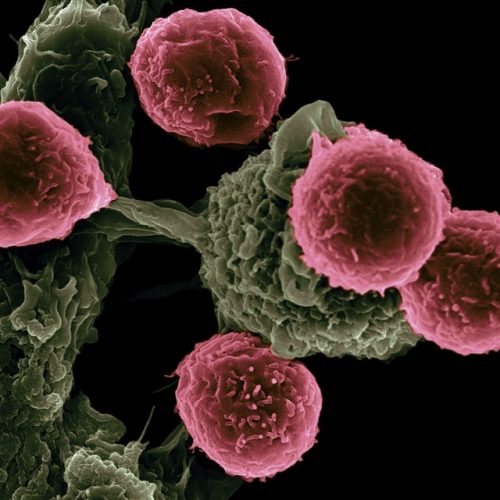
The field of cancer research is a testament to human ingenuity, constantly pushing the boundaries of what's possible. From the initial understanding of uncontrolled cell growth to the sophisticated insights into specific genetic mutations and signaling pathways, every decade brings revolutionary advancements. Today, researchers are not just studying cancer; they are dissecting its very essence at a molecular level, identifying vulnerabilities that were once unimaginable. This rapid progression means that knowledge acquired even a few years ago can quickly become outdated. Therefore, continuous professional development is not merely beneficial; it is absolutely essential for anyone serious about making a significant impact in this field.
Embracing new methodologies, understanding emerging technologies, and adapting to novel therapeutic paradigms are hallmarks of a successful cancer researcher. This includes staying informed about the latest developments in cancer genetics, which underpins many targeted therapies, and understanding how these genetic insights translate into personalized medicine. The interdisciplinary nature of modern cancer research also necessitates a broad skill set, often blending molecular biology, bioinformatics, pharmacology, and clinical science. Professional development resources provide the structured learning environments needed to bridge knowledge gaps and acquire these diverse competencies, ensuring researchers remain agile and effective in this fast-paced domain.
At the heart of effective cancer therapy lies a profound understanding of the disease's molecular underpinnings. Cancer is fundamentally a disease of the genome, driven by a complex interplay of genetic mutations, epigenetic alterations, and dysfunctional cellular pathways. Delving into the molecular biology of cancer involves exploring oncogenes, tumor suppressor genes, DNA repair mechanisms, and cell cycle regulation. Advanced professional development programs offer in-depth modules on these critical areas, providing researchers with the foundational knowledge to identify novel therapeutic targets and design innovative treatment strategies. This deep understanding is crucial for developing therapies that are not only effective but also highly specific, minimizing collateral damage to healthy cells.
Understanding the intricate signaling networks that drive cancer cell proliferation, survival, and metastasis is paramount. Pathways like EGFR, PI3K/Akt/mTOR, and RAS/MAPK are frequently dysregulated in various cancers, presenting prime opportunities for targeted interventions. Furthermore, the role of the tumor microenvironment and immune system in cancer progression and response to therapy has become a central focus of modern cancer research. Specialized workshops and courses provide comprehensive insights into these complex interactions, enabling researchers to contribute to the next generation of immunotherapies and combination treatments. The ability to translate these molecular insights into practical applications is what truly accelerates drug discovery.
A successful career in cancer research extends beyond theoretical knowledge; it demands practical proficiency and strategic acumen. Mastering the use of cutting-edge lab equipment is fundamental for generating reliable data and conducting groundbreaking experiments. This includes advanced imaging systems, high-throughput sequencing platforms, mass spectrometers, and cell culture technologies. Professional development resources often provide hands-on training, allowing researchers to gain practical experience with these sophisticated tools, thereby enhancing their research capabilities and efficiency. Proficiency in these areas is highly valued in academic institutions and biotechnology jobs alike.
Equally important is the ability to secure funding, a cornerstone of sustained research efforts. Navigating the competitive landscape of research grants requires a specific skill set, including grant writing, proposal development, and understanding funding agency priorities. Workshops focused on grantmanship can significantly improve a researcher's chances of securing the financial support needed to pursue their innovative ideas. Furthermore, attending biotech conferences offers unparalleled opportunities for networking, presenting research findings, and learning about new funding opportunities. These gatherings are also vital for staying updated on the latest trends in drug discovery and forming collaborations that can propel research forward.
The demand for skilled professionals in cancer research and oncology is consistently high, creating diverse and rewarding career pathways. From academic research positions and clinical roles to industry-based biotechnology roles, the opportunities are vast. A strong foundation in molecular biology and cancer genetics, coupled with continuous professional development, can open doors to roles in pharmaceutical companies, biotech startups, government agencies, and non-profit organizations dedicated to cancer eradication. These roles often involve everything from basic science discovery and preclinical development to clinical trials and regulatory affairs.
Beyond traditional research, there's a growing need for experts in data science, bioinformatics, and precision medicine, all of which heavily rely on advanced understanding of cancer's molecular landscape. Professionals who can analyze large datasets, interpret complex genetic information, and contribute to personalized cancer therapy strategies are particularly sought after. Investing in specialized training allows individuals to not only fill these critical roles but also to innovate within them, driving the next wave of therapeutic advancements. This continuous learning ensures that professionals are well-equipped for the evolving demands of the biotechnology sector and can pursue fulfilling careers dedicated to improving patient outcomes.
Recognizing the critical need for specialized training, platforms like Deep Science Workshops and Deep Science Implementation offer unparalleled opportunities for professional development. These programs are meticulously designed to provide comprehensive, up-to-date knowledge and practical skills essential for excelling in modern cancer research. Whether your interest lies in advanced molecular biology techniques, cutting-edge cancer therapy approaches, or navigating the complexities of drug discovery, these workshops provide a structured and supportive learning environment. They bring together leading experts and foster a collaborative atmosphere, enabling participants to engage deeply with complex topics and apply theoretical knowledge to real-world challenges.
By enrolling in these specialized resources, you gain access to insights that are directly applicable to your career. You'll learn how to effectively utilize sophisticated lab equipment, understand the nuances of securing competitive research grants, and prepare for impactful presentations at major biotech conferences. The focus is on empowering you to become a more effective and innovative researcher, ready to tackle the most pressing questions in oncology. This commitment to high-quality, relevant education ensures that participants are not just learning, but actively building a stronger foundation for their future contributions to science and medicine.
Professional development is crucial for cancer researchers to stay abreast of rapid advancements, master new technologies, understand evolving therapeutic strategies, and enhance their career prospects in biotechnology jobs. It ensures they remain competitive and contribute effectively to the fight against cancer.
Advanced programs typically cover the molecular biology of cancer, cancer genetics, signaling pathways, novel cancer therapy approaches like targeted therapies and immunotherapies, drug discovery processes, and the application of advanced lab equipment. They also often touch upon securing research grants and preparing for biotech conferences.
Relevant biotech conferences and workshops can be found through professional organizations, university departments, industry publications, and dedicated platforms like Deep Science Workshops. These events are vital for networking, learning about the latest drug discovery trends, and exploring new opportunities in oncology.