
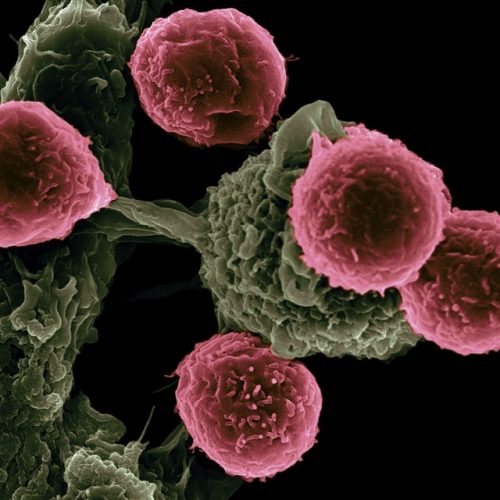
Understanding Cancer at the Molecular Level
At its core, cancer is a disease of uncontrolled cell growth, driven by genetic mutations that disrupt normal cellular processes. Advances in molecular biology have enabled scientists to unravel the complex signaling pathways and genetic alterations unique to cancer cells. This deep understanding is the bedrock upon which targeted therapy approaches for cancer treatment are built. Instead of broadly attacking rapidly dividing cells, these therapies are designed to interfere with specific molecules involved in tumor growth, progression, and spread. Identifying these molecular targets, often through sophisticated genomic analysis, is crucial for effective cancer treatment.
The Dawn of Targeted Therapy: A Precision Revolution
Unlike traditional chemotherapy, which acts like a blunt instrument, targeted therapy acts like a precision missile. It specifically aims at proteins or genes that are abnormal in cancer cells but largely normal in healthy cells. This precision leads to fewer side effects and often more effective outcomes. The development of these therapies is a testament to the power of modern biotechnology and meticulous drug discovery processes, moving us closer to truly personalized medicine in oncology.
Key Approaches in Targeted Therapy
Small Molecule Inhibitors
These are drugs designed to block specific enzymes or proteins that promote cancer cell growth. A prime example is kinase inhibitors, which block the activity of kinases – enzymes that play crucial roles in cell signaling pathways. By inhibiting these specific targets, small molecule drugs can halt or slow tumor progression. This area of drug development is rapidly expanding, offering new avenues for cancer treatment.
Monoclonal Antibodies
Monoclonal antibodies are laboratory-produced molecules engineered to mimic the immune system's ability to fight off harmful pathogens. In cancer treatment, they can be designed to bind to specific proteins on the surface of cancer cells, either blocking signals that promote growth, marking the cells for destruction by the immune system, or delivering toxic substances directly to the tumor. This form of immunotherapy is revolutionizing treatment for various cancers, leveraging the body's own defenses.
Gene Therapy and Cell Therapy
The frontiers of biotechnology are pushing the boundaries further with gene therapy and cell therapy. Gene therapy aims to correct genetic defects or introduce new genes into cancer cells to make them more susceptible to treatment or to enhance the body's immune response. A groundbreaking example of cell therapy is CAR T-cell therapy, where a patient's own T-cells are genetically engineered to recognize and attack cancer cells. These advanced approaches represent a significant leap in cancer research and offer profound hope, especially for hematological malignancies.
The Pivotal Role of Biomarkers in Precision Oncology
The success of targeted therapy approaches for cancer treatment heavily relies on the identification and validation of biomarkers. These are measurable indicators of a biological state, such as the presence of specific genes, proteins, or other molecules. For instance, a particular genetic mutation in a tumor might indicate that a specific targeted drug will be effective. Comprehensive molecular profiling of tumors allows oncology specialists to select the most appropriate targeted therapy, moving away from a 'one-size-fits-all' approach to highly individualized treatment plans. This precision medicine approach is a cornerstone of modern cancer treatment.
Challenges and Future Directions in Targeted Therapy
Despite their remarkable success, targeted therapies face challenges, including the development of drug resistance and the need for combination therapies to overcome tumor heterogeneity. Ongoing cancer research is focused on understanding resistance mechanisms, identifying new targets, and developing novel drug combinations. The future of oncology will likely see an integration of various targeted approaches with traditional therapies and emerging modalities like AI-driven drug discovery, leading to more durable responses and improved patient outcomes. The synergy between molecular biology and clinical practice is continuously evolving.
Advance Your Expertise with Deep Science Workshops
Understanding the molecular intricacies of cancer and the mechanisms of modern therapies is vital for anyone pursuing a career in biotechnology, cancer research, or oncology. For those eager to delve deeper into these cutting-edge fields, Deep Science Workshops offer unparalleled educational opportunities. Our programs, including specialized modules on the molecular basis of cancer therapeutics, provide comprehensive insights into drug discovery, gene therapy, immunotherapy, and the role of biomarkers. Through practical insights and theoretical knowledge, you can gain a competitive edge in this rapidly evolving domain. Explore Deep Science Implementation of advanced concepts in real-world scenarios.
Join NowConclusion
Targeted therapy approaches for cancer treatment represent a monumental leap forward in oncology. By leveraging our growing understanding of molecular biology and the power of biotechnology, these therapies offer more effective and less toxic options for patients. As cancer research continues to uncover new targets and develop innovative strategies, the promise of eradicating cancer or transforming it into a manageable chronic disease becomes increasingly tangible. The journey from fundamental science to life-saving treatments is a testament to human ingenuity and dedication in the pursuit of health.