
Cancer remains one of humanity's most formidable health challenges, demanding relentless innovation in its treatment. For decades, conventional approaches like chemotherapy, radiation, and surgery have been the cornerstones of cancer therapy. However, the dawn of the 21st century has ushered in a revolutionary era, with gene therapy emerging as a beacon of hope. This cutting-edge field promises to redefine how we approach cancer, moving beyond broad-spectrum attacks to highly targeted, personalized interventions. By manipulating the very blueprint of life – our genes – scientists are developing novel strategies to combat this complex disease. This article delves deep into the transformative role of gene therapy in cancer treatment, exploring its mechanisms, current applications, and the exciting future it holds for oncology.
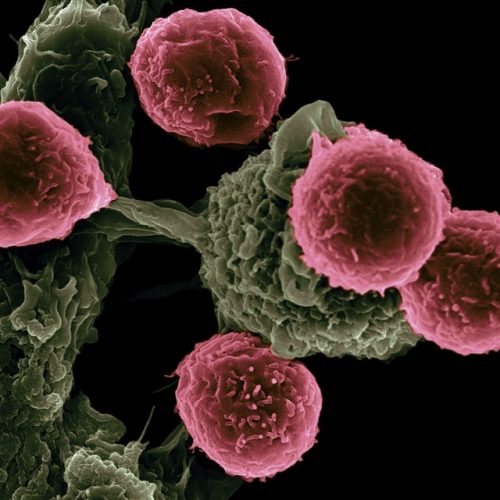
At its core, gene therapy involves introducing, removing, or modifying genetic material (DNA or RNA) into a patient's cells to treat or prevent disease. In the context of cancer, this typically means delivering therapeutic genes into cancer cells or immune cells to either directly kill the tumor, make it more susceptible to other treatments, or boost the body's own immune response against it. This intricate process leverages principles of molecular biology to precisely target the genetic aberrations that drive cancer growth. Early biotechnology research laid the groundwork, paving the way for sophisticated gene delivery systems.
The success of gene therapy hinges on efficient and safe delivery of genetic material to target cells. Vectors, often modified viruses, act as the vehicles. Adenoviruses, retroviruses, lentiviruses, and adeno-associated viruses (AAVs) are commonly engineered to carry therapeutic genes, stripped of their disease-causing properties. Non-viral methods, such as lipid nanoparticles and electroporation, are also gaining traction, offering alternative routes for gene transfer. The choice of vector is critical, influencing the specificity, duration, and safety of the gene delivery, a key area of ongoing cancer research.
One of the most groundbreaking advancements in cancer therapy is the synergy between gene therapy and immunotherapy. Chimeric Antigen Receptor (CAR) T-cell therapy exemplifies this powerful alliance. Here, a patient's own T-cells are extracted, genetically modified using viral vectors to express a CAR that enables them to recognize and attack specific proteins on cancer cells, and then re-infused. This personalized approach has shown remarkable success in certain blood cancers, transforming the landscape of oncology. Beyond CAR T-cells, gene therapy is also being explored to enhance tumor-infiltrating lymphocytes (TILs) or to deliver genes that stimulate immune responses directly within the tumor microenvironment.
Cancer is a disease of genetic mutations. Gene therapy offers the unprecedented ability to target these specific molecular defects. This precision medicine approach involves identifying unique genetic signatures or overexpressed proteins in cancer cells, often through advanced biomarker discovery. For instance, gene editing tools like CRISPR-Cas9 are being investigated to correct oncogenic mutations or to disrupt genes essential for tumor survival. Understanding the molecular biology of cancer is paramount to designing these highly specific gene-based interventions, leading to more effective and less toxic treatments.
The field of drug discovery is increasingly intertwined with gene therapy. Many novel therapeutic strategies involve using gene therapy to deliver genes that encode for anti-cancer proteins, enzymes that activate prodrugs within the tumor, or even genes that make cancer cells more sensitive to conventional chemotherapy. Conversely, insights from gene therapy research can inform the development of small molecule drugs that target specific genetic pathways. This synergistic relationship accelerates the pace of innovation in cancer research, offering multi-pronged attacks against the disease.
Stem cell research holds immense promise in cancer therapy, particularly when combined with gene therapy. Hematopoietic stem cell transplantation (HSCT) is a well-established treatment for certain blood cancers. Gene therapy can enhance HSCT by genetically modifying donor or patient stem cells to make them resistant to chemotherapy, or to express genes that improve engraftment or reduce graft-versus-host disease. Furthermore, induced pluripotent stem cells (iPSCs) are being explored as a source for generating immune cells (like CAR T-cells or NK cells) that can be genetically engineered for cancer targeting, opening new avenues in regenerative medicine and oncology.
Despite its immense promise, gene therapy faces challenges, including ensuring precise gene delivery, managing potential off-target effects, overcoming immune responses to viral vectors, and scaling up production for widespread clinical use. The cost of these highly personalized therapies also remains a significant barrier. However, continuous biotechnology research and development are rapidly addressing these hurdles. Advances in vector design, gene editing technologies, and manufacturing processes are making gene therapy safer, more effective, and increasingly accessible. The future of cancer treatment looks increasingly personalized and gene-centric.
To truly grasp the intricacies of these groundbreaking advancements and contribute to the next wave of scientific discovery, specialized knowledge is key. At Deep Science Workshops and through Deep Science Implementation, we provide unparalleled educational experiences that bridge theoretical understanding with practical application in the realm of molecular oncology and gene therapeutics. Our programs are designed to equip you with the skills and insights needed to navigate this rapidly evolving field.
Join Now: Master Molecular Basis of Cancer Therapeutics and TargetsWhat is gene therapy in the context of cancer treatment?
Gene therapy in cancer treatment involves modifying a patient's genes or introducing new genes to fight cancer. This can include making cancer cells more susceptible to drugs, enhancing the immune system's ability to target cancer, or correcting genetic defects that contribute to cancer growth. It's a highly targeted approach rooted in molecular biology.
How do CAR T-cells utilize gene therapy?
CAR T-cell therapy is a revolutionary form of immunotherapy that uses gene therapy. A patient's T-cells are extracted, genetically engineered in the lab to produce chimeric antigen receptors (CARs) that allow them to recognize and attach to specific proteins on cancer cells, and then infused back into the patient to destroy the cancer. This is a prime example of advanced cancer therapy.
What are the main challenges facing gene therapy for cancer?
Key challenges include ensuring safe and efficient delivery of genes to target cells, managing potential off-target effects, overcoming immune responses to viral vectors, and reducing treatment costs to make therapies more accessible. Extensive biotechnology research is continuously addressing these hurdles to improve outcomes in oncology.
Is gene therapy a standalone cancer treatment or used in combination?
Gene therapy can be used as a standalone cancer treatment, but often, it is explored in combination with traditional cancer therapies like chemotherapy, radiation, or other immunotherapies. This combinatorial approach aims to achieve synergistic effects, improving overall treatment efficacy and patient outcomes, often informed by biomarker analysis and drug discovery insights.