Empowering Cancer Research: A Guide to Key Online Resources and Advanced Training
In the relentless pursuit of a cure for cancer, researchers stand at the forefront of scientific discovery. The landscape of cancer research is dynamic, continually reshaped by groundbreaking advancements in biotechnology, molecular biology, and innovative therapeutic strategies. For professionals and aspiring scientists alike, staying abreast of the latest developments is not merely an advantage but a necessity. This article serves as a comprehensive guide, unveiling essential online resources for cancer researchers designed to foster continuous learning, facilitate collaboration, and accelerate the pace of discovery in this critical domain.
The global fight against cancer demands an informed and highly skilled workforce. From understanding the intricate mechanisms of disease progression to developing novel interventions, every facet of oncology requires deep expertise. As the complexities of cancer unfold, so too do the opportunities for targeted interventions, whether through precision gene therapy, revolutionary immunotherapy, or the identification of novel biomarkers. Access to high-quality, up-to-date information and specialized training programs is paramount for anyone dedicated to making a tangible impact in cancer therapy and beyond.
The Evolving Frontier of Cancer Research: A Landscape of Innovation
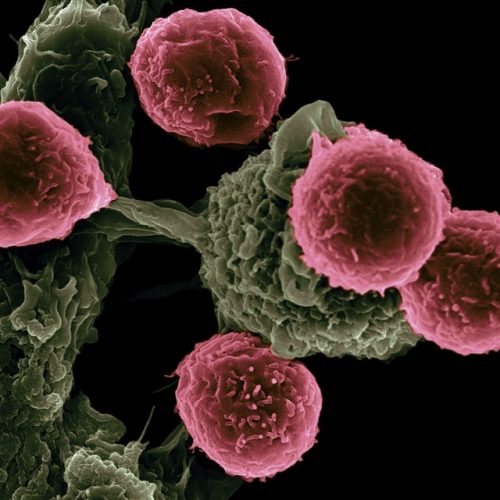
The past few decades have witnessed an unprecedented acceleration in cancer research. What was once a broad, often non-specific approach to treatment has evolved into a highly nuanced field, driven by a deeper understanding of cancer at the molecular biology level. This evolution is largely thanks to significant strides in biotechnology, which provides the tools and techniques necessary for detailed cellular and genetic analysis. Researchers are now able to pinpoint specific genetic mutations, understand cellular signaling pathways, and identify unique characteristics of cancer cells, paving the way for more effective and less toxic therapies.
Emerging disciplines like gene therapy and advanced immunotherapy are transforming the paradigm of cancer therapy. Gene therapy, which involves modifying a patient's genes to fight cancer, holds immense promise for treating previously intractable malignancies. Similarly, immunotherapy, harnessing the body's own immune system to recognize and destroy cancer cells, has delivered remarkable successes in various cancer types. These advancements underscore the importance of specialized knowledge and continuous learning for anyone involved in oncology.
Navigating the Digital Landscape: Essential Online Resources for Cancer Researchers
For researchers, clinicians, and students, a wealth of online resources for cancer researchers are available, offering everything from foundational knowledge to cutting-edge research findings. Leveraging these resources effectively can significantly enhance one's understanding and contribute to impactful work in the field.
1. Academic Databases and Journals
- PubMed/PMC: Indispensable for accessing biomedical literature, including millions of abstracts and full-text articles on cancer research, molecular biology, and drug discovery.
- ScienceDirect/SpringerLink: Platforms offering access to a vast collection of scientific journals, books, and articles, crucial for in-depth exploration of specific topics in oncology and biotechnology.
- ClinicalTrials.gov: A registry of clinical trials conducted around the world, providing vital information on ongoing and completed studies related to new cancer therapy approaches and drug efficacy.
2. Specialized Online Courses and Workshops
While journals provide breadth, structured online courses offer depth and practical application. Programs like those offered by Deep Science Workshops are specifically designed to bridge the gap between theoretical knowledge and practical implementation. For instance, their "Molecular Basis of Cancer Therapeutics and Targets" course delves into the core principles of cancer therapy, covering topics such as:
- The molecular mechanisms of cancer development and progression.
- Strategies for drug discovery and development, including small molecules and biologics.
- The role of biomarkers in diagnosis, prognosis, and therapeutic response prediction.
- Advanced concepts in gene therapy and modern immunotherapy approaches.
- Insights into the potential of stem cell research in regenerative medicine and cancer treatment.
Such specialized training is invaluable for developing a comprehensive understanding of the field and acquiring the skills necessary to contribute to innovative solutions in oncology. These workshops are a prime example of high-quality online resources for cancer researchers.
Join Now3. Research Consortia and Data Repositories
- The Cancer Genome Atlas (TCGA): A landmark project that has cataloged genomic changes in over 30 types of cancer, providing a rich dataset for researchers studying molecular biology and biomarker discovery.
- International Cancer Genome Consortium (ICGC): A collaborative effort to identify genomic abnormalities in 50 different tumor types, offering invaluable data for global cancer research efforts.
4. Professional Organizations and Societies
Organizations like the American Association for Cancer Research (AACR), American Society of Clinical Oncology (ASCO), and European Society for Medical Oncology (ESMO) provide access to conferences, webinars, guidelines, and networking opportunities. These are crucial online resources for cancer researchers for staying connected and informed about the latest trends in oncology and cancer therapy.
Deep Dive: The Molecular Basis of Cancer Therapeutics and Targets
Understanding cancer at its most fundamental level – the molecular basis – is the cornerstone of effective cancer therapy. This involves dissecting the genetic and cellular alterations that drive uncontrolled cell growth and metastasis. A strong grasp of molecular biology principles allows researchers to identify specific molecular targets that can be exploited for therapeutic intervention. This is where the true power of targeted therapies, precision medicine, and advanced drug discovery lies.
The "Molecular Basis of Cancer Therapeutics and Targets" course, offered by Deep Science Workshops, exemplifies the kind of specialized training that empowers researchers. It covers the intricate signaling pathways, cell cycle regulation, and DNA repair mechanisms that are often dysregulated in cancer. Participants learn about the latest methodologies in identifying novel biomarkers, which are crucial for early detection, monitoring disease progression, and predicting response to specific treatments. Furthermore, the course delves into the mechanisms of action of various anti-cancer drugs, from traditional chemotherapies to cutting-edge biologicals, providing a holistic view of modern cancer therapy.
The integration of concepts from gene therapy and immunotherapy within such a curriculum is vital. Researchers gain insights into how gene editing technologies can be employed to correct disease-causing mutations or enhance anti-tumor immunity. They also explore the nuances of checkpoint inhibitors, CAR T-cell therapy, and other immunotherapeutic strategies that have revolutionized oncology treatment. This comprehensive approach ensures that learners are well-equipped to tackle the multifaceted challenges of cancer research and contribute meaningfully to the development of next-generation therapies.
The Role of Emerging Technologies and Future Directions
The future of cancer research is being shaped by several innovative technologies. The potential of stem cell research, for instance, extends beyond regenerative medicine to understanding cancer initiation and resistance mechanisms, as well as developing new drug screening platforms. Advances in CRISPR-Cas9 gene editing technology are opening new avenues for precise genetic manipulation, offering unprecedented opportunities for both fundamental research and therapeutic applications in gene therapy.
Artificial intelligence and machine learning are rapidly transforming drug discovery, enabling faster identification of potential drug candidates and predicting their efficacy and toxicity. These computational approaches, combined with high-throughput screening, are accelerating the pace at which new compounds can be moved from the lab to clinical trials, ultimately benefiting patients undergoing cancer therapy.
Personalized medicine, driven by genomic sequencing and biomarker analysis, is becoming the standard of care in many areas of oncology. Tailoring treatments to an individual's unique genetic makeup and tumor characteristics promises to improve outcomes and reduce adverse effects. The continuous evolution of these technologies underscores the need for researchers to constantly update their skill sets and knowledge base through dedicated online resources for cancer researchers.
Conclusion: Empowering the Next Generation of Cancer Researchers
The journey to conquer cancer is long and arduous, but with each scientific breakthrough and every dedicated researcher, we move closer to a world free from this devastating disease. The availability of robust online resources for cancer researchers, coupled with specialized training programs like those offered by Deep Science Workshops, is instrumental in empowering the next generation of scientists.
By immersing themselves in the latest advancements in biotechnology, mastering the intricacies of molecular biology, and understanding the nuances of modern cancer therapy, researchers can drive forward the fields of drug discovery, gene therapy, immunotherapy, and biomarker identification. Continuous learning and access to these vital resources are not just about personal career growth; they are about accelerating the collective effort to save lives and improve patient outcomes in oncology.
Take the next step in your professional development. Explore the "Molecular Basis of Cancer Therapeutics and Targets" course and become a part of the solution in the fight against cancer.
Join Now