
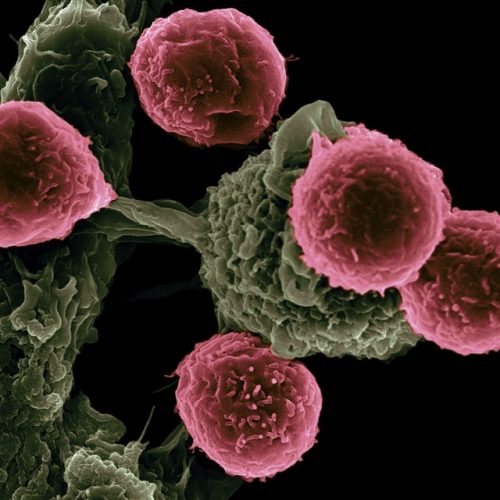
The Dawn of Precision: Molecular Biology and Genomics
At the heart of modern cancer research lies an ever-deepening understanding of cancer at the molecular level. Advances in molecular biology have revolutionized our ability to dissect the genetic and epigenetic alterations that drive tumor formation and progression. Techniques such as next-generation sequencing (NGS) allow researchers to rapidly map the entire genome or exome of cancer cells, identifying specific mutations, gene fusions, and copy number variations. This genomic profiling is crucial for understanding tumor heterogeneity and identifying actionable targets for therapy. Furthermore, transcriptomics and proteomics provide insights into gene expression patterns and protein profiles, respectively, offering a comprehensive view of the cellular machinery gone awry in cancer. The integration of these 'omics' data sets through bioinformatics is paving the way for truly personalized cancer therapy, tailoring treatments to an individual's unique genetic makeup. This meticulous analysis is a cornerstone for the development of highly specific interventions.
Revolutionizing Treatment: Gene Therapy and Immunotherapy
Two of the most exciting and rapidly evolving fields in cancer therapy are gene therapy and immunotherapy. Gene therapy, once a futuristic concept, is now a tangible reality, offering the potential to correct genetic defects or introduce new genes that can fight cancer. Approaches include using viral vectors to deliver tumor-suppressor genes, 'suicide genes' that make cancer cells vulnerable to drugs, or genes that enhance the immune system's response. CRISPR-Cas9 technology, a powerful gene-editing tool, has opened new avenues for precisely modifying genes in cancer cells or immune cells to bolster anti-tumor activity. The precision offered by these advanced techniques in cancer research is unprecedented.
Immunotherapy, on the other hand, harnesses the body's own immune system to recognize and destroy cancer cells. This paradigm shift in oncology has led to remarkable successes, particularly with checkpoint inhibitors that release the brakes on immune cells, allowing them to mount a robust attack against tumors. CAR T-cell therapy, where a patient's T-cells are genetically engineered to express chimeric antigen receptors (CARs) that specifically target cancer cells, represents another monumental leap. These living drugs have shown incredible efficacy in certain blood cancers and are being actively explored for solid tumors. The synergy between gene therapy and immunotherapy holds immense promise for developing durable responses in patients who previously had limited options.
Targeted Drug Discovery and the Role of Biomarkers
The era of 'one-size-fits-all' chemotherapy is gradually giving way to precision medicine, driven by sophisticated drug discovery methods and the critical role of biomarkers. Targeted therapies are designed to specifically interfere with molecular pathways that are crucial for cancer cell growth and survival, while sparing healthy cells. This approach significantly reduces side effects and improves efficacy. The identification of these targets relies heavily on the aforementioned genomic and proteomic analyses. High-throughput screening, computational drug design, and advanced cell culture models are accelerating the pace of discovering new small molecules and biologics.
Biomarkers are indispensable in this process. They are measurable indicators of a biological state, crucial for early detection, diagnosis, prognosis, and predicting response to specific therapies. For instance, the presence of certain gene mutations can indicate that a patient will respond well to a particular targeted drug. Liquid biopsies, which involve analyzing circulating tumor DNA (ctDNA) or circulating tumor cells (CTCs) from a simple blood sample, are emerging as powerful non-invasive tools for monitoring disease progression, detecting minimal residual disease, and identifying resistance mechanisms in real-time. This dynamic interplay between drug discovery and biomarker identification is central to delivering personalized cancer therapy.
The Indispensable Role of Lab Equipment and Technology
None of these groundbreaking advanced techniques in cancer research would be possible without state-of-the-art lab equipment and technological innovation. From high-resolution microscopes and flow cytometers that allow for detailed cellular analysis, to advanced PCR machines and next-generation sequencers that unravel genetic codes, the tools of the trade are constantly evolving. Automated liquid handling systems, mass spectrometers, and sophisticated imaging technologies (like PET, MRI, and advanced microscopy) provide the precision and throughput necessary for large-scale experiments and clinical diagnostics. The development of organ-on-a-chip models and 3D bioprinting is also revolutionizing drug testing by providing more physiologically relevant systems than traditional 2D cell cultures. Investment in cutting-edge lab equipment is paramount for accelerating the pace of discovery and translating research findings into clinical applications in oncology.
Deep Science Workshops: Empowering the Next Generation of Researchers
The rapid advancements in cancer research necessitate continuous learning and skill development for aspiring and current scientists. Organizations like Deep Science Workshops and Deep Science Implementation play a pivotal role in bridging the gap between theoretical knowledge and practical application. They offer specialized programs and hands-on training that equip researchers with the expertise required to navigate the complexities of modern biotechnology and molecular biology in the context of cancer. By providing access to cutting-edge methodologies and fostering a deep understanding of the molecular basis of cancer, these workshops are instrumental in preparing the next generation to contribute meaningfully to breakthroughs in cancer therapy and drug discovery. Engaging with such initiatives is vital for anyone passionate about making a tangible impact in the fight against cancer.
The Future of Cancer Research: A Collaborative Endeavor
The trajectory of cancer research is undeniably promising. The convergence of diverse scientific disciplines – from biotechnology and molecular biology to artificial intelligence and nanotechnology – is accelerating the pace of discovery. Future directions include even more refined gene-editing tools, advanced computational models for predicting drug response, novel delivery systems for targeted therapies, and the integration of multi-omics data with clinical information for truly holistic patient care. The emphasis will increasingly be on prevention, early detection through highly sensitive biomarkers, and personalized treatment strategies that minimize toxicity while maximizing efficacy. This ambitious future demands global collaboration, interdisciplinary approaches, and sustained investment in both fundamental and translational research. With continued dedication and the application of these advanced techniques in cancer research, the vision of a world where cancer is a manageable, or even curable, disease moves closer to reality.
Join Now