
The human brain, an intricate marvel of biological engineering, is the seat of our thoughts, emotions, and consciousness. Yet, this incredibly complex organ is vulnerable to a range of debilitating conditions known as neurodegenerative diseases. These progressive disorders, including Alzheimer's, Parkinson's, and Huntington's disease, slowly erode the brain's functionality, leading to devastating consequences for individuals and their families. Understanding these conditions requires a deep dive into neuroscience – the scientific study of the nervous system. This article explores the critical role of neuroscience in unraveling the mysteries of neurodegenerative diseases, highlighting how cutting-edge brain research and advancements in biotechnology are paving the way for new diagnostics and therapies. Join us as we journey from the fundamental principles of neural function to the complex pathology of these challenging disorders, with insights from Deep Science Workshops.
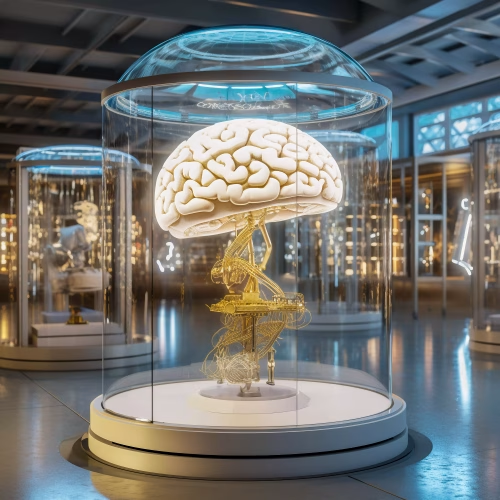
At the heart of our understanding of the brain lies the field of neuroscience. This vast discipline encompasses everything from the molecular mechanisms within individual neurons to the complex interactions of entire neural networks. The fundamental unit of brain communication is the synapse, where electrical and chemical signals are transmitted between neurons. A healthy brain relies on billions of these intricate connections functioning seamlessly. Groundbreaking brain research continually reveals new insights into how these systems operate, providing a baseline against which we can measure the deviations seen in disease states. Understanding these fundamental principles is the first step in comprehending what goes wrong in conditions like Alzheimer's or Parkinson's, and it forms the bedrock for advanced studies in neurology and cognitive function.
Neurodegenerative diseases represent a significant challenge to global health. These conditions are characterized by the progressive loss of structure or function of neurons, including neuronal death. While each disorder has its unique pathology – be it amyloid plaques and tau tangles in Alzheimer’s, or Lewy bodies in Parkinson’s – the common thread is the gradual deterioration of the nervous system. From a clinical perspective, researchers meticulously study patient symptoms, disease progression, and genetic predispositions. The goal of intensive brain research in this area is not only to identify the causes but also to develop effective interventions that can halt or even reverse the damage. This requires a multidisciplinary approach, integrating insights from cellular biology, genetics, and advanced brain imaging techniques. The complexity of these conditions underscores the urgent need for continued scientific inquiry and collaborative efforts across various scientific disciplines.
The advent of modern biotechnology has revolutionized the study and treatment of neurodegenerative diseases. Biotechnological tools enable scientists to probe the brain at unprecedented levels of detail. For instance, advanced brain imaging techniques like fMRI and PET scans allow researchers to visualize brain activity and detect pathological changes early on, offering crucial diagnostic insights. Genetic sequencing and gene editing technologies, such as CRISPR, offer promising avenues for identifying genetic risk factors and potentially correcting disease-causing mutations, opening doors for precision medicine. Furthermore, the development of novel drug delivery systems and targeted therapies, often informed by understanding how specific proteins interact within neural networks and at the synapse, are direct outcomes of innovative biotechnology. These advancements are frequently discussed and showcased at leading neuroscience conferences, fostering collaboration and accelerating discovery of new treatments and preventative measures.
The synergy between biotechnology and neuroscience is particularly evident in the development of sophisticated models, from organoids to computational simulations, that mimic human brain conditions. These models allow for high-throughput screening of potential therapeutic compounds, significantly speeding up the drug discovery process. This integration of diverse scientific fields is a testament to the power of interdisciplinary approaches in tackling complex health challenges.
Beyond the biological mechanisms, cognitive science plays a vital role in understanding the functional impact of neurodegenerative diseases. This field explores how cognitive processes like memory, attention, and problem-solving are affected by neuronal degeneration. By integrating findings from psychology, linguistics, computer science, and neuroscience, cognitive scientists help to characterize the symptoms and progression of these diseases, and design interventions to improve quality of life. The future of brain research in this domain looks incredibly promising. New frontiers include the development of sophisticated computational models of neural networks, personalized medicine approaches based on an individual's genetic makeup, and the exploration of neuroprotective strategies. Initiatives like Deep Science Implementation are crucial for translating laboratory discoveries into practical applications and therapies, bridging the gap between fundamental research and clinical impact and ensuring that scientific breakthroughs reach those who need them most.
The fight against neurodegenerative diseases requires continuous innovation and a dedicated workforce of skilled professionals. Programs like those offered by Deep Science Workshops are instrumental in training the next generation of scientists, researchers, and clinicians. These workshops provide comprehensive training, from the fundamental principles to computational synapses, equipping participants with the knowledge and practical skills needed to contribute meaningfully to brain research and biotechnology. Whether you are interested in the intricacies of the synapse, the broad scope of neurology, or the cutting-edge techniques in brain imaging, these specialized programs offer an unparalleled opportunity to deepen your expertise. Participating in such initiatives is not just about learning; it's about becoming part of a vibrant community committed to advancing our understanding and treatment of complex neurological disorders, often connecting with experts from various neuroscience conferences and contributing to the global scientific dialogue. This hands-on experience is invaluable for anyone aspiring to make a real difference in the field.
In conclusion, the journey to conquer neurodegenerative diseases is a complex but hopeful one, driven by relentless advancements in neuroscience and biotechnology. From deciphering the delicate balance of neural networks and the function of every synapse, to pioneering new diagnostic tools through advanced brain imaging, the scientific community is making significant strides. The collaborative spirit fostered at neuroscience conferences and the practical training provided by initiatives like Deep Science Workshops are accelerating the pace of discovery. By continuing to invest in rigorous brain research and fostering interdisciplinary approaches, we move closer to a future where these debilitating conditions can be effectively prevented, treated, or even cured. Embrace the opportunity to be at the forefront of this vital scientific endeavor and contribute to a healthier future for all.
Join Now