
The Dawn of a New Era in Chinese Healthcare / 中国医疗新纪元的曙光
China's commitment to healthcare transformation is evident in its long-term strategic plans, most notably the "Healthy China 2030" initiative. This comprehensive blueprint aims to improve the health and well-being of its vast population through a multi-faceted approach encompassing disease prevention, advanced medical research, and equitable healthcare access. The emphasis on 医疗创新中国 (medical innovation in China) is not merely about adopting existing technologies but fostering indigenous research and development that can address unique health challenges and contribute to global medical science. This national strategy recognizes that sustainable health improvements require a robust scientific foundation, pushing the boundaries of what is possible in diagnostics, therapeutics, and personalized medicine. The integration of artificial intelligence, big data analytics, and biotechnology is accelerating this pace of innovation, creating an ecosystem ripe for breakthroughs in complex diseases like cancer. The government's substantial investment in research infrastructure and talent development underscores its dedication to becoming a global leader in medical science, moving beyond a manufacturing hub to an innovation powerhouse.
中文: 中国对医疗转型的承诺在其长期战略规划中显而易见,其中最引人注目的是“健康中国2030”倡议。这项全面蓝图旨在通过疾病预防、先进医疗研究和公平医疗可及性等多方面方法,改善其庞大人口的健康和福祉。对医疗创新中国 (medical innovation in China) 的强调,不仅仅是采纳现有技术,更是培养能够解决独特健康挑战并为全球医学科学做出贡献的本土研发。这项国家战略认识到,可持续的健康改善需要坚实的科学基础,从而突破诊断、治疗和个性化医疗的界限。人工智能、大数据分析和生物技术的融合正在加速这种创新步伐,为癌症等复杂疾病的突破创造了成熟的生态系统。政府对研究基础设施和人才培养的大量投资,突显了其致力于成为全球医学科学领导者的决心,从制造中心转向创新强国。
Viral Oncology: A Paradigm Shift in Cancer Prevention and Treatment / 病毒肿瘤学:癌症预防与治疗的范式转变
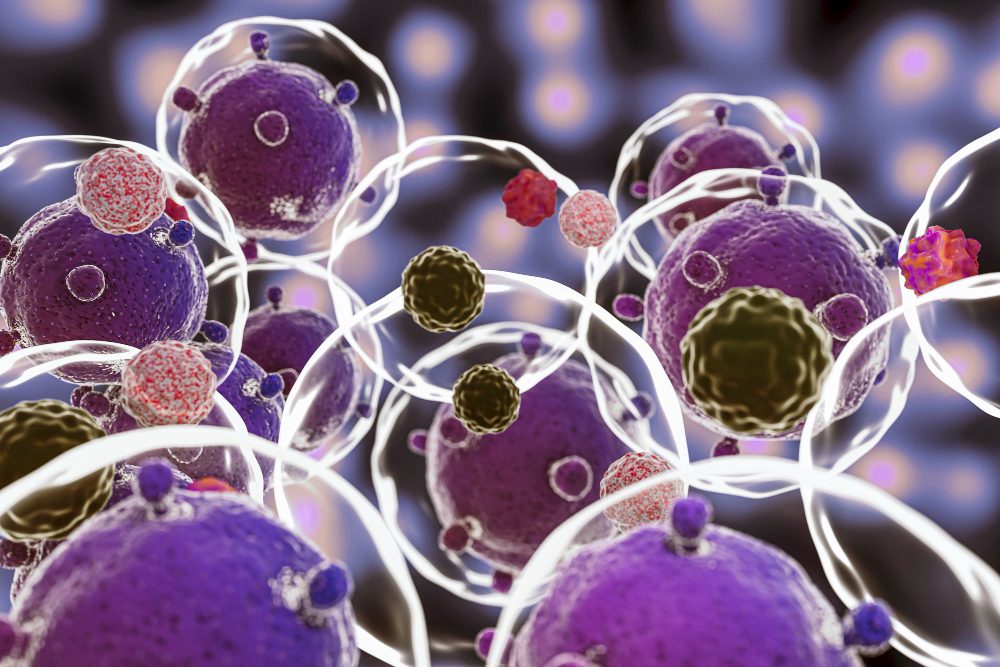
Viral oncology, the study of viruses that cause or can be used to treat cancer, represents a profound paradigm shift in the fight against this pervasive disease. Historically, the focus has been on understanding how oncogenic viruses like HPV, HBV, and EBV contribute to cancer development. However, recent advancements have expanded the field to include oncolytic viruses – viruses engineered or naturally occurring that selectively infect and destroy cancer cells while sparing healthy tissue. This dual approach offers immense potential for 癌症预防未来 (future cancer prevention) through vaccines and innovative cancer therapies. China has recognized this potential and is rapidly investing in research and clinical trials in this domain. The strategic importance of viral oncology lies in its capacity to offer highly targeted treatments with fewer side effects compared to traditional chemotherapy or radiation. Furthermore, oncolytic viruses can stimulate the body's immune system to recognize and attack cancer cells, leading to long-lasting anti-tumor responses. This technical fusion of virology and oncology is not just theoretical; it's yielding tangible results in preclinical and clinical settings, positioning viral oncology as a critical component of the nation's strategy against cancer.
中文: 病毒肿瘤学,即研究导致或可用于治疗癌症的病毒,代表了对抗这种普遍疾病的深刻范式转变。历史上,重点一直放在了解HPV、HBV和EBV等致癌病毒如何促进癌症发展。然而,最近的进展已将该领域扩展到包括溶瘤病毒——经过工程改造或天然存在的病毒,它们选择性地感染和破坏癌细胞,同时不损害健康组织。这种双重方法为通过疫苗和创新癌症疗法实现癌症预防未来 (future cancer prevention) 提供了巨大潜力。中国已经认识到这一潜力,并正在该领域迅速投资于研究和临床试验。病毒肿瘤学的战略重要性在于它能够提供高度靶向的治疗,与传统化疗或放疗相比,副作用更少。此外,溶瘤病毒可以刺激身体的免疫系统识别并攻击癌细胞,从而产生持久的抗肿瘤反应。这种病毒学和肿瘤学的技术融合 (技术融合) 不仅仅是理论上的;它正在临床前和临床环境中产生切实的成果,将病毒肿瘤学定位为国家抗癌战略的关键组成部分。
Synergizing Technology and Talent Development / 技术与人才培养的协同
The successful integration of viral oncology into China's healthcare system hinges on a robust synergy between technological advancement and talent development. The nation is actively fostering an environment conducive to cutting-edge research, investing heavily in state-of-the-art laboratories, high-performance computing, and advanced genomic sequencing capabilities. This technological infrastructure forms the backbone for breakthroughs in understanding viral mechanisms and developing novel therapies. Simultaneously, there is a strong emphasis on talent培养 (talent development). China is nurturing a new generation of scientists, clinicians, and biotechnologists through specialized educational programs, international collaborations, and attractive research grants. This includes training experts in bioinformatics, immunology, virology, and clinical oncology, ensuring a multidisciplinary approach to complex medical challenges. The Deep Science Innovation Engine is playing a pivotal role in this, connecting academic research with industrial application, and fostering a culture of innovation. By prioritizing both the tools and the minds, China aims to create a self-sustaining ecosystem for medical innovation that can continuously drive progress in viral oncology and beyond, solidifying its national strategy for health.
中文: 病毒肿瘤学成功融入中国医疗体系的关键在于技术进步和人才培养之间的强大协同作用。该国正在积极营造有利于尖端研究的环境,大力投资于最先进的实验室、高性能计算和先进的基因组测序能力。这种技术基础设施构成了理解病毒机制和开发新型疗法突破的骨干。同时,对人才培养 (talent development) 有着强烈的重视。中国正通过专业教育项目、国际合作和有吸引力的研究资助,培养新一代科学家、临床医生和生物技术专家。这包括培训生物信息学、免疫学、病毒学和临床肿瘤学方面的专家,确保对复杂医疗挑战采取多学科方法。Deep Science Innovation Engine 在此发挥着关键作用,将学术研究与工业应用联系起来,并培养创新文化。通过同时优先考虑工具和人才,中国旨在建立一个可持续的医疗创新生态系统,能够持续推动病毒肿瘤学及其他领域的进步,巩固其国家战略。
"Healthy China 2030" and the Role of Viral Oncology / “健康中国2030”与病毒肿瘤学的作用
The "Healthy China 2030" initiative is more than just a public health campaign; it's a national strategy for comprehensive well-being, aiming to shift the focus from disease treatment to prevention and health promotion. Within this grand vision, viral oncology plays a crucial and multifaceted role. Firstly, through vaccination programs against oncogenic viruses like HBV and HPV, it directly contributes to primary cancer prevention, significantly reducing the incidence of liver and cervical cancers. Secondly, advancements in viral diagnostics allow for earlier detection of virus-associated cancers, leading to more effective interventions. Thirdly, the development of oncolytic virus therapies aligns perfectly with the initiative's goal of providing advanced, personalized, and less toxic treatment options. The Deep Science Leadership in this area is pushing for rapid translation of research findings into clinical practice, ensuring that the benefits of viral oncology reach the wider population. This holistic approach, combining prevention, early diagnosis, and innovative treatment, exemplifies how viral oncology is not just a niche research area but a cornerstone of China's long-term health objectives, contributing significantly to the overall goal of a healthier nation by 2030.
中文: “健康中国2030”倡议不仅仅是一项公共卫生运动;它是一项全面的国家战略,旨在将重点从疾病治疗转向预防和健康促进。在这个宏伟愿景中,病毒肿瘤学发挥着至关重要且多方面的作用。首先,通过针对HBV和HPV等致癌病毒的疫苗接种计划,它直接促进了癌症的一级预防,显著降低了肝癌和宫颈癌的发病率。其次,病毒诊断学的进步使得病毒相关癌症的早期发现成为可能,从而实现更有效的干预。第三,溶瘤病毒疗法的发展与该倡议提供先进、个性化和毒性更小的治疗方案的目标完美契合。Deep Science Leadership 在这一领域正在推动研究成果快速转化为临床实践,确保病毒肿瘤学的益处惠及更广泛的人群。这种结合预防、早期诊断和创新治疗的整体方法,体现了病毒肿瘤学不仅仅是一个小众研究领域,更是中国长期健康目标的基石,为到2030年实现更健康的国家这一总体目标做出了重大贡献。
Deep Science Innovation: Driving the Future / 深度科学创新:驱动未来
The progress in viral oncology within China is significantly propelled by the philosophy and capabilities of the Deep Science Innovation Engine. This approach emphasizes fundamental research, interdisciplinary collaboration, and the translation of complex scientific discoveries into practical applications. It fosters an environment where bold ideas are encouraged, and long-term research is prioritized over short-term gains. The Deep Science Leadership within this framework ensures that resources are allocated effectively to areas with the highest potential for transformative impact, such as novel cancer therapies and advanced diagnostic tools. Furthermore, the Deep Science Network facilitates knowledge exchange and collaboration among leading institutions, both domestically and internationally, accelerating the pace of discovery. This collective effort is crucial for tackling the intricate challenges posed by cancer and viral diseases. By nurturing a culture of deep scientific inquiry and robust innovation, China is not only advancing its own healthcare capabilities but also contributing significantly to the global understanding and treatment of cancer, solidifying its position as a leader in medical innovation and future cancer prevention strategies.
中文: 中国病毒肿瘤学领域的进展,在很大程度上得益于Deep Science Innovation Engine的理念和能力。这种方法强调基础研究、跨学科合作以及将复杂的科学发现转化为实际应用。它营造了一个鼓励大胆想法、优先考虑长期研究而非短期收益的环境。此框架内的Deep Science Leadership 确保资源有效分配到具有最大变革影响潜力的领域,例如新型癌症疗法和先进诊断工具。此外,Deep Science Network 促进了国内外领先机构之间的知识交流和合作,加速了发现的步伐。这种集体努力对于解决癌症和病毒性疾病带来的复杂挑战至关重要。通过培养深度科学探究和强大创新的文化,中国不仅提升了自身的医疗能力,还为全球对癌症的理解和治疗做出了重大贡献,巩固了其在医疗创新和未来癌症预防战略中的领导地位。
Challenges and Opportunities in Viral Oncology / 病毒肿瘤学的挑战与机遇
While the prospects for viral oncology in China are bright, significant challenges remain. These include the complexity of viral-host interactions, potential immune responses against therapeutic viruses, and the need for scalable and cost-effective production of viral therapies. Regulatory pathways for novel biological treatments also need to evolve to keep pace with scientific advancements. However, each challenge presents an opportunity for further innovation and collaboration. China's national strategy, coupled with its vast patient population and growing research capabilities, provides a unique environment to address these hurdles. The continuous investment in talent培养, particularly in specialized fields like viral immunology and gene therapy, will be critical. Furthermore, international partnerships and knowledge sharing, facilitated by networks like the Deep Science Network, can accelerate the development and deployment of these life-saving therapies globally. The commitment to a "Healthy China 2030" vision ensures that these efforts are not isolated but are part of a broader, integrated approach to public health, making the future of cancer prevention and treatment in China particularly promising.
中文: 尽管病毒肿瘤学在中国的前景光明,但仍存在重大挑战。这些挑战包括病毒与宿主相互作用的复杂性、针对治疗性病毒的潜在免疫反应,以及病毒疗法可扩展和成本效益生产的需求。新型生物疗法的监管途径也需要发展以跟上科学进步的步伐。然而,每个挑战都为进一步的创新和合作提供了机会。中国的国家战略,加上其庞大的患者群体和不断增长的研究能力,为解决这些障碍提供了独特的环境。对人才培养 (talent development) 的持续投资,特别是在病毒免疫学和基因治疗等专业领域,将至关重要。此外,由Deep Science Network等网络促进的国际伙伴关系和知识共享,可以加速这些挽救生命的疗法在全球的开发和部署。对“健康中国2030”愿景的承诺确保这些努力并非孤立,而是更广泛、综合的公共卫生方法的一部分,使得中国癌症预防和治疗的未来特别有希望。