
The Foundation: Understanding Bioinks and Scaffolds / नींव: बायोइंक और स्कैफोल्ड को समझना
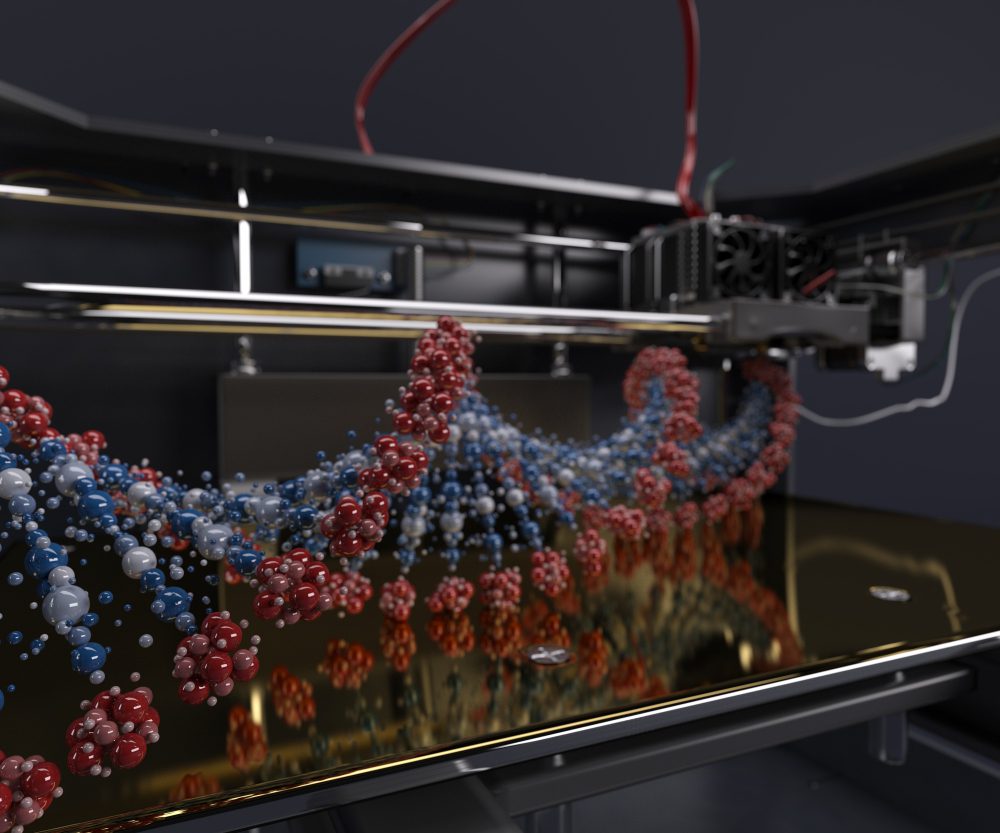
At the heart of bioprinting lie two critical components: bioinks and scaffolds. Bioinks are biomaterial formulations, often hydrogels, that are laden with living cells and can be extruded or deposited layer-by-layer to form 3D structures. Their properties—biocompatibility, printability, mechanical stability, and biodegradability—are paramount for successful tissue fabrication. Scaffolds, on the other hand, provide the structural support for cells to grow, proliferate, and differentiate, mimicking the extracellular matrix (ECM) of native tissues. The innovation in Bioinks and Scaffolds Development is crucial for creating viable and functional biological constructs.
हिन्दी में: बायोप्रिंटिंग के केंद्र में दो महत्वपूर्ण घटक हैं: बायोइंक और स्कैफोल्ड। बायोइंक बायोमटेरियल फॉर्मूलेशन होते हैं, अक्सर हाइड्रोजेल, जिनमें जीवित कोशिकाएं भरी होती हैं और इन्हें 3डी संरचनाएं बनाने के लिए परत-दर-परत निकाला या जमा किया जा सकता है। उनके गुण—जैव-संगतता, प्रिंट करने की क्षमता, यांत्रिक स्थिरता और जैव-अवक्रमणशीलता—सफल ऊतक निर्माण के लिए सर्वोपरि हैं। दूसरी ओर, स्कैफोल्ड कोशिकाओं को बढ़ने, बढ़ने और विभेदित करने के लिए संरचनात्मक सहायता प्रदान करते हैं, जो मूल ऊतकों के बाह्यकोशिकीय मैट्रिक्स (ईसीएम) की नकल करते हैं। व्यवहार्य और कार्यात्मक जैविक संरचनाओं के निर्माण के लिए बायोइंक और स्कैफोल्ड विकास में नवाचार महत्वपूर्ण है।
Switzerland's Unique Ecosystem for Bioprinting Innovation / बायोप्रिंटिंग नवाचार के लिए स्विट्जरलैंड का अनूठा पारिस्थितिकी तंत्र
Switzerland's prowess in bioprinting is not accidental; it's a result of a meticulously cultivated ecosystem. Leading institutions like ETH Zurich, EPFL, and the Universities of Basel and Geneva are at the forefront of research, pushing the boundaries of what's possible in Bioprinting Materials Switzerland. These academic powerhouses are complemented by robust government funding and a vibrant startup scene, fostering an environment ripe for innovation. The collaborative spirit between academia, industry, and specialized research centers, often driven by principles of Deep Science Technology, accelerates the translation of laboratory discoveries into real-world applications. This synergy is a hallmark of the Swiss approach to advanced scientific endeavors.
हिन्दी में: बायोप्रिंटिंग में स्विट्जरलैंड की दक्षता आकस्मिक नहीं है; यह एक सावधानीपूर्वक विकसित पारिस्थितिकी तंत्र का परिणाम है। ईटीएच ज्यूरिख, ईपीएलएफ और बेसल और जिनेवा विश्वविद्यालयों जैसे प्रमुख संस्थान अनुसंधान में सबसे आगे हैं, जो बायोप्रिंटिंग सामग्री स्विट्जरलैंड में संभव की सीमाओं को आगे बढ़ा रहे हैं। इन अकादमिक शक्ति केंद्रों को मजबूत सरकारी फंडिंग और एक जीवंत स्टार्टअप दृश्य द्वारा पूरक किया जाता है, जो नवाचार के लिए एक अनुकूल वातावरण को बढ़ावा देता है। अकादमिक, उद्योग और विशेष अनुसंधान केंद्रों के बीच सहयोगात्मक भावना, अक्सर डीप साइंस टेक्नोलॉजी के सिद्धांतों द्वारा संचालित, प्रयोगशाला खोजों को वास्तविक दुनिया के अनुप्रयोगों में बदलने में तेजी लाती है। यह तालमेल उन्नत वैज्ञानिक प्रयासों के लिए स्विस दृष्टिकोण की एक पहचान है।
Cutting-Edge Bioinks from Swiss Research / स्विस अनुसंधान से अत्याधुनिक बायोइंक
Swiss researchers are pioneering the development of novel bioinks tailored for specific tissue engineering applications. From highly tunable hydrogels derived from natural polymers like alginate and gelatin to sophisticated synthetic polymers designed for precise control over mechanical properties, the diversity in Bioinks and Scaffolds Development is impressive. For instance, some Swiss Deep Science Labs are focusing on developing bioinks that can mimic the complex extracellular matrix of organs, enabling the creation of more physiologically relevant organoids for drug screening and disease modeling. Others are exploring stimuli-responsive bioinks that can change their properties in response to light, temperature, or pH, offering unprecedented control over the bioprinting process and post-printing maturation. These innovations are critical for advancing the precision and functionality of bioprinted tissues.
हिन्दी में: स्विस शोधकर्ता विशिष्ट ऊतक इंजीनियरिंग अनुप्रयोगों के लिए तैयार किए गए नए बायोइंक के विकास में अग्रणी हैं। एल्गिनेट और जिलेटिन जैसे प्राकृतिक पॉलिमर से प्राप्त अत्यधिक ट्यून करने योग्य हाइड्रोजेल से लेकर यांत्रिक गुणों पर सटीक नियंत्रण के लिए डिज़ाइन किए गए परिष्कृत सिंथेटिक पॉलिमर तक, बायोइंक और स्कैफोल्ड विकास में विविधता प्रभावशाली है। उदाहरण के लिए, कुछ स्विस डीप साइंस लैब्स अंगों के जटिल बाह्यकोशिकीय मैट्रिक्स की नकल करने वाले बायोइंक विकसित करने पर ध्यान केंद्रित कर रहे हैं, जिससे दवा स्क्रीनिंग और रोग मॉडलिंग के लिए अधिक शारीरिक रूप से प्रासंगिक ऑर्गेनोइड्स का निर्माण संभव हो रहा है। अन्य उत्तेजना-प्रतिक्रियाशील बायोइंक की खोज कर रहे हैं जो प्रकाश, तापमान या पीएच के जवाब में अपने गुणों को बदल सकते हैं, बायोप्रिंटिंग प्रक्रिया और पोस्ट-प्रिंटिंग परिपक्वता पर अभूतपूर्व नियंत्रण प्रदान करते हैं। ये नवाचार बायोप्रिंटेड ऊतकों की सटीकता और कार्यक्षमता को आगे बढ़ाने के लिए महत्वपूर्ण हैं।
Advanced Scaffolds for Complex Tissue Structures / जटिल ऊतक संरचनाओं के लिए उन्नत स्कैफोल्ड
Beyond bioinks, Switzerland is also a hotbed for innovation in scaffold design and fabrication. Researchers are pushing the boundaries of scaffold architecture, creating structures with precisely controlled porosity, pore size, and interconnectivity to facilitate nutrient transport and waste removal, essential for cell survival and tissue integration. Techniques like melt electrowriting, stereolithography, and advanced extrusion-based methods are being refined to produce scaffolds that can support the growth of complex tissues, from bone and cartilage to vascular networks and even parts of organs. The focus is on developing scaffolds that not only provide mechanical support but also actively guide cell behavior, promoting tissue regeneration. This holistic approach to Bioinks and Scaffolds Development is what sets Swiss research apart, often involving intricate Deep Science Experimentation to optimize material properties and structural integrity.
हिन्दी में: बायोइंक के अलावा, स्विट्जरलैंड स्कैफोल्ड डिजाइन और निर्माण में नवाचार का एक केंद्र भी है। शोधकर्ता स्कैफोल्ड वास्तुकला की सीमाओं को आगे बढ़ा रहे हैं, कोशिकाओं के अस्तित्व और ऊतक एकीकरण के लिए आवश्यक पोषक तत्वों के परिवहन और अपशिष्ट हटाने की सुविधा के लिए सटीक रूप से नियंत्रित सरंध्रता, छिद्र आकार और अंतर-कनेक्टिविटी के साथ संरचनाएं बना रहे हैं। मेल्ट इलेक्ट्रोराइटिंग, स्टीरियोलिथोग्राफी और उन्नत एक्सट्रूज़न-आधारित विधियों जैसी तकनीकों को हड्डी और उपास्थि से लेकर संवहनी नेटवर्क और यहां तक कि अंगों के कुछ हिस्सों तक जटिल ऊतकों के विकास का समर्थन करने वाले स्कैफोल्ड का उत्पादन करने के लिए परिष्कृत किया जा रहा है। ध्यान ऐसे स्कैफोल्ड विकसित करने पर है जो न केवल यांत्रिक सहायता प्रदान करते हैं बल्कि सक्रिय रूप से कोशिका व्यवहार का मार्गदर्शन भी करते हैं, ऊतक पुनर्जनन को बढ़ावा देते हैं। बायोइंक और स्कैफोल्ड विकास के लिए यह समग्र दृष्टिकोण ही स्विस अनुसंधान को अलग करता है, जिसमें अक्सर सामग्री गुणों और संरचनात्मक अखंडता को अनुकूलित करने के लिए जटिल डीप साइंस एक्सपेरिमेंटेशन शामिल होता है।
Challenges and Future Directions in Swiss Bioprinting / स्विस बायोप्रिंटिंग में चुनौतियां और भविष्य की दिशाएं
Despite the remarkable progress, challenges remain in the field of Bioprinting Materials Switzerland. Vascularization, ensuring a sufficient blood supply to larger bioprinted constructs, is a significant hurdle. Long-term stability and functionality of engineered tissues, as well as regulatory complexities, also require ongoing research and development. However, Swiss institutions are actively addressing these challenges through interdisciplinary collaboration and innovative approaches. The future of bioprinting in Switzerland looks promising, with increasing focus on personalized medicine, integrating artificial intelligence and machine learning into bioprinting workflows, and developing multi-material printing techniques to create even more complex and functional biological structures. The commitment to Deep Science Technology ensures that Switzerland will continue to be at the forefront of these advancements.
हिन्दी में: उल्लेखनीय प्रगति के बावजूद, बायोप्रिंटिंग सामग्री स्विट्जरलैंड के क्षेत्र में चुनौतियां बनी हुई हैं। संवहनीकरण, बड़े बायोप्रिंटेड संरचनाओं को पर्याप्त रक्त आपूर्ति सुनिश्चित करना, एक महत्वपूर्ण बाधा है। इंजीनियर किए गए ऊतकों की दीर्घकालिक स्थिरता और कार्यक्षमता, साथ ही नियामक जटिलताएं, भी चल रहे अनुसंधान और विकास की मांग करती हैं। हालांकि, स्विस संस्थान अंतर-अनुशासनात्मक सहयोग और अभिनव दृष्टिकोणों के माध्यम से इन चुनौतियों का सक्रिय रूप से समाधान कर रहे हैं। स्विट्जरलैंड में बायोप्रिंटिंग का भविष्य आशाजनक दिख रहा है, जिसमें व्यक्तिगत चिकित्सा पर बढ़ता ध्यान, बायोप्रिंटिंग वर्कफ़्लो में कृत्रिम बुद्धिमत्ता और मशीन लर्निंग को एकीकृत करना, और अधिक जटिल और कार्यात्मक जैविक संरचनाओं को बनाने के लिए बहु-सामग्री मुद्रण तकनीकों का विकास करना शामिल है। डीप साइंस टेक्नोलॉजी के प्रति प्रतिबद्धता यह सुनिश्चित करती है कि स्विट्जरलैंड इन प्रगतियों में सबसे आगे रहेगा।
Impact of Swiss Innovations on Global Bioprinting / वैश्विक बायोप्रिंटिंग पर स्विस नवाचारों का प्रभाव
The innovations originating from Bioprinting Materials Switzerland have a profound impact extending far beyond its borders. Swiss research in Bioinks and Scaffolds Development is setting new benchmarks for the entire bioprinting community. By developing superior materials and refined printing techniques, Swiss scientists are contributing significantly to the global effort to create functional tissues and organs for transplantation, drug discovery, and disease modeling. The expertise cultivated in Swiss Deep Science Labs is often shared through international collaborations, publications, and conferences, accelerating the pace of discovery worldwide. This leadership position underscores Switzerland's role as a critical hub for advanced biotechnological research and its commitment to improving human health through groundbreaking scientific endeavors.
हिन्दी में: बायोप्रिंटिंग सामग्री स्विट्जरलैंड से उत्पन्न होने वाले नवाचारों का इसके सीमाओं से कहीं अधिक गहरा प्रभाव पड़ता है। बायोइंक और स्कैफोल्ड विकास में स्विस अनुसंधान पूरे बायोप्रिंटिंग समुदाय के लिए नए मानदंड स्थापित कर रहा है। बेहतर सामग्री और परिष्कृत मुद्रण तकनीकों को विकसित करके, स्विस वैज्ञानिक प्रत्यारोपण, दवा खोज और रोग मॉडलिंग के लिए कार्यात्मक ऊतकों और अंगों को बनाने के वैश्विक प्रयास में महत्वपूर्ण योगदान दे रहे हैं। स्विस डीप साइंस लैब्स में विकसित विशेषज्ञता अक्सर अंतरराष्ट्रीय सहयोग, प्रकाशनों और सम्मेलनों के माध्यम से साझा की जाती है, जिससे दुनिया भर में खोज की गति तेज होती है। यह नेतृत्व की स्थिति उन्नत जैव प्रौद्योगिकी अनुसंधान के लिए एक महत्वपूर्ण केंद्र के रूप में स्विट्जरलैंड की भूमिका और अभूतपूर्व वैज्ञानिक प्रयासों के माध्यम से मानव स्वास्थ्य में सुधार के प्रति उसकी प्रतिबद्धता को रेखांकित करती है।
Conclusion / निष्कर्ष
Switzerland's contributions to the field of bioprinting materials are undeniably significant. Through relentless innovation in Bioinks and Scaffolds Development, supported by a robust ecosystem of academic excellence, industrial collaboration, and strategic funding, the nation is shaping the future of regenerative medicine. The ongoing research and Deep Science Experimentation in Switzerland promise to unlock new possibilities for treating complex diseases, replacing damaged tissues, and ultimately, improving the quality of human life. As the field continues to advance, Bioprinting Materials Switzerland will remain a beacon of innovation, driving progress towards a healthier tomorrow.
हिन्दी में: बायोप्रिंटिंग सामग्री के क्षेत्र में स्विट्जरलैंड का योगदान निर्विवाद रूप से महत्वपूर्ण है। अकादमिक उत्कृष्टता, औद्योगिक सहयोग और रणनीतिक फंडिंग के एक मजबूत पारिस्थितिकी तंत्र द्वारा समर्थित बायोइंक और स्कैफोल्ड विकास में अथक नवाचार के माध्यम से, राष्ट्र रीजनरेटिव मेडिसिन के भविष्य को आकार दे रहा है। स्विट्जरलैंड में चल रहा अनुसंधान और डीप साइंस एक्सपेरिमेंटेशन जटिल बीमारियों के इलाज, क्षतिग्रस्त ऊतकों को बदलने और अंततः मानव जीवन की गुणवत्ता में सुधार के लिए नई संभावनाओं को खोलने का वादा करता है। जैसे-जैसे यह क्षेत्र आगे बढ़ता रहेगा, बायोप्रिंटिंग सामग्री स्विट्जरलैंड नवाचार का एक प्रकाशस्तंभ बना रहेगा, जो एक स्वस्थ कल की दिशा में प्रगति को बढ़ावा देगा।