
Bioprinting, a revolutionary intersection of biology and engineering, holds immense promise for regenerative medicine, drug discovery, and tissue engineering. As this cutting-edge technology rapidly advances globally, China has emerged as a significant player, investing heavily in research and development. However, with great scientific leaps come profound ethical responsibilities. This article delves into the complex ethical considerations surrounding bioprinting practices in China, exploring the unique challenges and opportunities within its biomedical framework. Understanding the nuances of these ethical dilemmas is crucial for fostering responsible innovation and ensuring the technology serves humanity's best interests.
हिन्दी में: बायोप्रिंटिंग, जीव विज्ञान और इंजीनियरिंग का एक क्रांतिकारी संगम, पुनर्योजी चिकित्सा, दवा खोज और ऊतक इंजीनियरिंग के लिए अपार संभावनाएं रखता है। जैसे-जैसे यह अत्याधुनिक तकनीक विश्व स्तर पर तेजी से आगे बढ़ रही है, चीन अनुसंधान और विकास में भारी निवेश के साथ एक महत्वपूर्ण खिलाड़ी के रूप में उभरा है। हालांकि, महान वैज्ञानिक छलांगों के साथ गहन नैतिक जिम्मेदारियां भी आती हैं। यह लेख चीन में बायोप्रिंटिंग प्रथाओं से संबंधित जटिल नैतिक विचारों की पड़ताल करता है, इसके बायोमेडिकल ढांचे के भीतर अद्वितीय चुनौतियों और अवसरों की खोज करता है। जिम्मेदार नवाचार को बढ़ावा देने और यह सुनिश्चित करने के लिए कि प्रौद्योगिकी मानवता के सर्वोत्तम हितों की सेवा करे, इन नैतिक दुविधाओं की बारीकियों को समझना महत्वपूर्ण है।
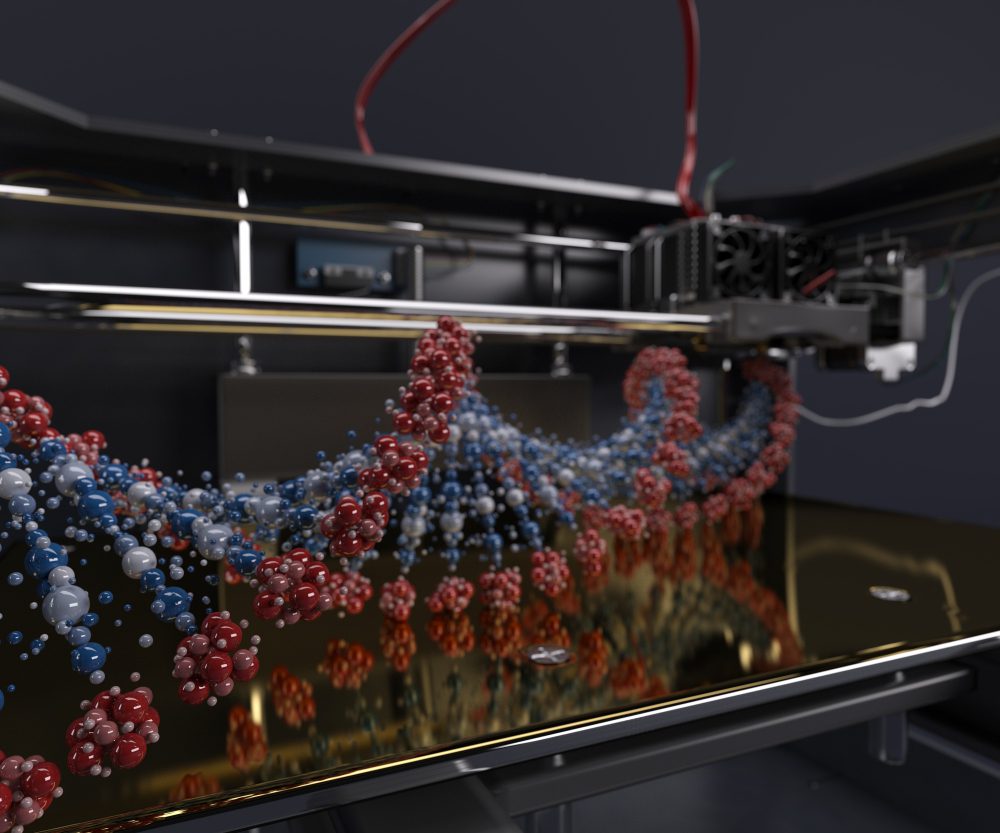
China has rapidly positioned itself at the forefront of global bioprinting research and development. Driven by significant government investment and a vast patient population, the nation has seen an explosion of innovation in this field. From developing sophisticated 3D bioprinters to pioneering complex tissue constructs, Chinese scientists are pushing the boundaries of what's possible. This rapid advancement, however, necessitates a robust discussion on Bioprinting Ethics China, ensuring that technological progress is balanced with moral considerations. The focus on Deep Science Innovation within the Chinese scientific community has led to breakthroughs that could revolutionize healthcare, but also introduce novel ethical challenges.
हिन्दी में: चीन ने खुद को वैश्विक बायोप्रिंटिंग अनुसंधान और विकास में सबसे आगे रखा है। महत्वपूर्ण सरकारी निवेश और एक विशाल रोगी आबादी से प्रेरित होकर, देश ने इस क्षेत्र में नवाचार का विस्फोट देखा है। परिष्कृत 3डी बायोप्रिंटर विकसित करने से लेकर जटिल ऊतक संरचनाओं का अग्रणी काम करने तक, चीनी वैज्ञानिक जो संभव है उसकी सीमाओं को आगे बढ़ा रहे हैं। हालांकि, यह तीव्र प्रगति चीन में बायोप्रिंटिंग नैतिकता पर एक मजबूत चर्चा की आवश्यकता है, यह सुनिश्चित करते हुए कि तकनीकी प्रगति नैतिक विचारों के साथ संतुलित हो। चीनी वैज्ञानिक समुदाय के भीतर गहरे विज्ञान नवाचार पर ध्यान केंद्रित करने से ऐसी सफलताएं मिली हैं जो स्वास्थ्य सेवा में क्रांति ला सकती हैं, लेकिन नए नैतिक चुनौतियां भी पेश करती हैं।
The strategic emphasis on biotechnology and regenerative medicine within China's national science plans underscores the country's ambition. Numerous research institutions and companies are actively engaged in projects ranging from printing skin grafts and cartilage to more complex organs like hearts and kidneys. This aggressive pursuit of Deep Science Research Hub capabilities aims to address pressing healthcare needs, but also raises questions about the speed of development versus the thoroughness of ethical review. The sheer scale of ongoing projects means that understanding Biomedical Regulations in this context is paramount.
हिन्दी में: चीन की राष्ट्रीय विज्ञान योजनाओं के भीतर जैव प्रौद्योगिकी और पुनर्योजी चिकित्सा पर रणनीतिक जोर देश की महत्वाकांक्षा को रेखांकित करता है। कई शोध संस्थान और कंपनियां त्वचा ग्राफ्ट और उपास्थि से लेकर दिल और गुर्दे जैसे अधिक जटिल अंगों को प्रिंट करने तक की परियोजनाओं में सक्रिय रूप से लगी हुई हैं। गहरे विज्ञान अनुसंधान केंद्र क्षमताओं की यह आक्रामक खोज स्वास्थ्य देखभाल की तत्काल जरूरतों को पूरा करने का लक्ष्य रखती है, लेकिन विकास की गति बनाम नैतिक समीक्षा की पूर्णता के बारे में भी सवाल उठाती है। चल रही परियोजनाओं का पैमाना यह दर्शाता है कि इस संदर्भ में बायोमेडिकल विनियमों को समझना सर्वोपरि है।
The ethical landscape of bioprinting is multifaceted, presenting challenges that span from the source of biomaterials to the potential for human enhancement. One primary concern revolves around the use of human cells, particularly embryonic stem cells or induced pluripotent stem cells (iPSCs). While these cells offer unparalleled potential for tissue regeneration, their derivation and manipulation raise questions about the moral status of nascent life and the potential for commercial exploitation. Adhering to stringent 3D Printing Guidelines is essential to navigate these complex issues responsibly, ensuring that research prioritizes ethical sourcing and consent.
हिन्दी में: बायोप्रिंटिंग का नैतिक परिदृश्य बहुआयामी है, जो बायोमटेरियल्स के स्रोत से लेकर मानव वृद्धि की संभावना तक की चुनौतियां पेश करता है। एक प्राथमिक चिंता मानव कोशिकाओं, विशेष रूप से भ्रूण स्टेम कोशिकाओं या प्रेरित प्लुरिपोटेंट स्टेम कोशिकाओं (आईपीएससी) के उपयोग के इर्द-गिर्द घूमती है। जबकि ये कोशिकाएं ऊतक पुनर्जनन के लिए अद्वितीय क्षमता प्रदान करती हैं, उनकी व्युत्पत्ति और हेरफेर नवजात जीवन की नैतिक स्थिति और व्यावसायिक शोषण की संभावना के बारे में सवाल उठाते हैं। इन जटिल मुद्दों को जिम्मेदारी से नेविगेट करने के लिए कठोर 3डी प्रिंटिंग दिशानिर्देशों का पालन करना आवश्यक है, यह सुनिश्चित करते हुए कि अनुसंधान नैतिक सोर्सिंग और सहमति को प्राथमिकता देता है।
Another significant ethical dilemma concerns the creation of "humanized" organs or tissues for research purposes. While these models can significantly reduce the need for animal testing and accelerate drug development, they blur the lines between human and artificial. The potential for creating constructs with neurological activity, for instance, raises profound questions about consciousness and moral status. This area requires careful consideration within Bioprinting Ethics China discussions, emphasizing the need for clear boundaries and robust oversight to prevent unintended consequences. The rapid pace of Deep Science Innovation in this domain demands proactive ethical frameworks.
हिन्दी में: एक और महत्वपूर्ण नैतिक दुविधा अनुसंधान उद्देश्यों के लिए "मानवीकृत" अंगों या ऊतकों के निर्माण से संबंधित है। जबकि ये मॉडल पशु परीक्षण की आवश्यकता को काफी कम कर सकते हैं और दवा विकास को गति दे सकते हैं, वे मानव और कृत्रिम के बीच की रेखाओं को धुंधला करते हैं। उदाहरण के लिए, तंत्रिका संबंधी गतिविधि के साथ संरचनाएं बनाने की क्षमता, चेतना और नैतिक स्थिति के बारे में गहन प्रश्न उठाती है। इस क्षेत्र में चीन में बायोप्रिंटिंग नैतिकता चर्चाओं के भीतर सावधानीपूर्वक विचार करने की आवश्यकता है, अनपेक्षित परिणामों को रोकने के लिए स्पष्ट सीमाओं और मजबूत निरीक्षण की आवश्यकता पर जोर दिया गया है। इस क्षेत्र में गहरे विज्ञान नवाचार की तीव्र गति सक्रिय नैतिक ढांचे की मांग करती है।
Furthermore, the long-term implications of bioprinted organs for recipients pose unique ethical challenges. What are the unknown risks associated with integrating bio-printed tissues into the human body over decades? How will these organs age, and what happens if they fail? These questions are particularly pertinent given the nascent stage of the technology and the limited long-term clinical data. Establishing comprehensive Biomedical Regulations that address these future uncertainties is critical for patient safety and public trust. The commitment to Deep Science Ethics requires anticipating and mitigating these long-term risks.
हिन्दी में: इसके अलावा, प्राप्तकर्ताओं के लिए बायोप्रिंटेड अंगों के दीर्घकालिक निहितार्थ अद्वितीय नैतिक चुनौतियां पेश करते हैं। दशकों से मानव शरीर में बायो-प्रिंटेड ऊतकों को एकीकृत करने से जुड़े अज्ञात जोखिम क्या हैं? ये अंग कैसे उम्र लेंगे, और यदि वे विफल हो जाते हैं तो क्या होगा? ये प्रश्न विशेष रूप से प्रौद्योगिकी के प्रारंभिक चरण और सीमित दीर्घकालिक नैदानिक डेटा को देखते हुए प्रासंगिक हैं। रोगी सुरक्षा और सार्वजनिक विश्वास के लिए इन भविष्य की अनिश्चितताओं को संबोधित करने वाले व्यापक बायोमेडिकल विनियमों की स्थापना महत्वपूर्ण है। गहरे विज्ञान नैतिकता के प्रति प्रतिबद्धता इन दीर्घकालिक जोखिमों का अनुमान लगाने और उन्हें कम करने की मांग करती है।
China's regulatory framework for bioprinting is evolving, reflecting the rapid pace of scientific advancement. The National Medical Products Administration (NMPA) plays a crucial role in overseeing the approval and use of bioprinted medical devices and tissues. However, the unique nature of bioprinted products, which combine living cells with engineered scaffolds, often blurs the lines between traditional medical devices, drugs, and biological products, posing significant challenges for classification and regulation. This complexity underscores the need for clear and adaptable Biomedical Regulations that can keep pace with Deep Science Innovation.
हिन्दी में: बायोप्रिंटिंग के लिए चीन का नियामक ढांचा विकसित हो रहा है, जो वैज्ञानिक प्रगति की तीव्र गति को दर्शाता है। राष्ट्रीय चिकित्सा उत्पाद प्रशासन (एनएमपीए) बायोप्रिंटेड चिकित्सा उपकरणों और ऊतकों के अनुमोदन और उपयोग की देखरेख में महत्वपूर्ण भूमिका निभाता है। हालांकि, बायोप्रिंटेड उत्पादों की अनूठी प्रकृति, जो जीवित कोशिकाओं को इंजीनियर किए गए मचानों के साथ जोड़ती है, अक्सर पारंपरिक चिकित्सा उपकरणों, दवाओं और जैविक उत्पादों के बीच की रेखाओं को धुंधला करती है, जिससे वर्गीकरण और विनियमन के लिए महत्वपूर्ण चुनौतियां पैदा होती हैं। यह जटिलता स्पष्ट और अनुकूलनीय बायोमेडिकल विनियमों की आवश्यकता को रेखांकित करती है जो गहरे विज्ञान नवाचार के साथ तालमेल बिठा सके।
One of the primary challenges is developing specific 3D Printing Guidelines that address the unique safety and efficacy concerns of bioprinted products. Unlike conventional medical devices, bioprinted tissues are dynamic and can continue to grow, differentiate, and interact with the host environment in unpredictable ways. This necessitates novel approaches to preclinical testing, clinical trials, and post-market surveillance. The Chinese government is actively working on refining these guidelines, often drawing lessons from international best practices while tailoring them to the local context. The ethical implications of these regulatory gaps are a key aspect of Bioprinting Ethics China discussions.
हिन्दी में: प्राथमिक चुनौतियों में से एक विशिष्ट 3डी प्रिंटिंग दिशानिर्देशों का विकास करना है जो बायोप्रिंटेड उत्पादों की अद्वितीय सुरक्षा और प्रभावकारिता चिंताओं को संबोधित करते हैं। पारंपरिक चिकित्सा उपकरणों के विपरीत, बायोप्रिंटेड ऊतक गतिशील होते हैं और अप्रत्याशित तरीकों से मेजबान वातावरण के साथ विकसित, अंतर कर सकते हैं और बातचीत कर सकते हैं। इसके लिए प्रीक्लिनिकल परीक्षण, नैदानिक परीक्षणों और पोस्ट-मार्केट निगरानी के लिए नए दृष्टिकोणों की आवश्यकता है। चीनी सरकार सक्रिय रूप से इन दिशानिर्देशों को परिष्कृत करने पर काम कर रही है, अक्सर अंतरराष्ट्रीय सर्वोत्तम प्रथाओं से सबक ले रही है और उन्हें स्थानीय संदर्भ के अनुरूप बना रही है। इन नियामक अंतरालों के नैतिक निहितार्थ चीन में बायोप्रिंटिंग नैतिकता चर्चाओं का एक प्रमुख पहलू हैं।
Furthermore, the enforcement and oversight mechanisms need to be robust to prevent unethical practices. Given the rapid expansion of Deep Science Research Hub activities in bioprinting, ensuring compliance across numerous research institutions and private companies is a monumental task. Transparency in research, data sharing, and public engagement are vital components of a healthy regulatory environment. Without clear and enforceable Biomedical Regulations, there is a risk of ethical breaches and potential harm to patients. This calls for a strong commitment to Deep Science Ethics at all levels of research and development.
हिन्दी में: इसके अलावा, अनैतिक प्रथाओं को रोकने के लिए प्रवर्तन और निरीक्षण तंत्र मजबूत होने चाहिए। बायोप्रिंटिंग में गहरे विज्ञान अनुसंधान केंद्र गतिविधियों के तेजी से विस्तार को देखते हुए, कई शोध संस्थानों और निजी कंपनियों में अनुपालन सुनिश्चित करना एक बहुत बड़ा काम है। अनुसंधान में पारदर्शिता, डेटा साझाकरण और सार्वजनिक जुड़ाव एक स्वस्थ नियामक वातावरण के महत्वपूर्ण घटक हैं। स्पष्ट और लागू करने योग्य बायोमेडिकल विनियमों के बिना, नैतिक उल्लंघनों और रोगियों को संभावित नुकसान का जोखिम होता है। यह अनुसंधान और विकास के सभी स्तरों पर गहरे विज्ञान नैतिकता के प्रति एक मजबूत प्रतिबद्धता की मांग करता है।
Central to Bioprinting Ethics China, as in any medical innovation, is the principle of patient autonomy and informed consent. When dealing with experimental bioprinted therapies, ensuring that patients fully understand the risks, benefits, and uncertainties is paramount. This includes explaining the experimental nature of the treatment, potential long-term effects, and alternative options. The complexity of the technology can make it challenging to convey all necessary information in an easily digestible manner, requiring innovative approaches to patient education and counseling. Adherence to strict 3D Printing Guidelines for clinical trials is crucial here.
हिन्दी में: किसी भी चिकित्सा नवाचार की तरह, चीन में बायोप्रिंटिंग नैतिकता के केंद्र में रोगी स्वायत्तता और सूचित सहमति का सिद्धांत है। प्रायोगिक बायोप्रिंटेड उपचारों से निपटने के दौरान, यह सुनिश्चित करना कि रोगी जोखिमों, लाभों और अनिश्चितताओं को पूरी तरह से समझें, सर्वोपरि है। इसमें उपचार की प्रायोगिक प्रकृति, संभावित दीर्घकालिक प्रभावों और वैकल्पिक विकल्पों की व्याख्या करना शामिल है। प्रौद्योगिकी की जटिलता सभी आवश्यक जानकारी को आसानी से समझने योग्य तरीके से संप्रेषित करना चुनौतीपूर्ण बना सकती है, जिसके लिए रोगी शिक्षा और परामर्श के लिए नवीन दृष्टिकोणों की आवश्यकता होती है। नैदानिक परीक्षणों के लिए सख्त 3डी प्रिंटिंग दिशानिर्देशों का पालन यहां महत्वपूर्ण है।
Cultural nuances in China may also influence how informed consent is obtained and perceived. While Western bioethics often emphasizes individual autonomy, collectivist cultural values might place more emphasis on family decision-making or trust in medical authority. Researchers and clinicians must navigate these cultural sensitivities while upholding the fundamental ethical requirement of voluntary and informed participation. This requires a deep understanding of local customs and the development of consent processes that are both ethically sound and culturally appropriate, reflecting the commitment of a Deep Science Research Hub to global standards.
हिन्दी में: चीन में सांस्कृतिक बारीकियां भी प्रभावित कर सकती हैं कि सूचित सहमति कैसे प्राप्त की जाती है और कैसे समझी जाती है। जबकि पश्चिमी जैव नैतिकता अक्सर व्यक्तिगत स्वायत्तता पर जोर देती है, सामूहिक सांस्कृतिक मूल्य परिवार के निर्णय लेने या चिकित्सा प्राधिकरण में विश्वास पर अधिक जोर दे सकते हैं। शोधकर्ताओं और चिकित्सकों को स्वैच्छिक और सूचित भागीदारी की मौलिक नैतिक आवश्यकता को बनाए रखते हुए इन सांस्कृतिक संवेदनशीलता को नेविगेट करना चाहिए। इसके लिए स्थानीय रीति-रिवाजों की गहरी समझ और सहमति प्रक्रियाओं के विकास की आवश्यकता है जो नैतिक रूप से सुदृढ़ और सांस्कृतिक रूप से उपयुक्त दोनों हों, जो वैश्विक मानकों के प्रति गहरे विज्ञान अनुसंधान केंद्र की प्रतिबद्धता को दर्शाते हैं।
Furthermore, the potential for commercial interests to influence the informed consent process is a concern. As Deep Science Innovation in bioprinting attracts significant investment, there is a risk that the drive for commercialization could overshadow ethical considerations. Robust oversight and independent ethics committees are essential to ensure that patient welfare remains the primary concern, free from undue commercial pressures. Transparent Biomedical Regulations are key to safeguarding patient rights and promoting Deep Science Ethics in this rapidly advancing field.
हिन्दी में: इसके अलावा, सूचित सहमति प्रक्रिया को प्रभावित करने वाले व्यावसायिक हितों की संभावना एक चिंता का विषय है। चूंकि बायोप्रिंटिंग में गहरे विज्ञान नवाचार महत्वपूर्ण निवेश को आकर्षित करता है, इसलिए यह जोखिम है कि व्यावसायीकरण की इच्छा नैतिक विचारों को overshadowed कर सकती है। रोगी कल्याण प्राथमिक चिंता का विषय बना रहे, अनुचित व्यावसायिक दबावों से मुक्त रहे, यह सुनिश्चित करने के लिए मजबूत निरीक्षण और स्वतंत्र नैतिकता समितियां आवश्यक हैं। इस तेजी से बढ़ते क्षेत्र में रोगी अधिकारों की रक्षा और गहरे विज्ञान नैतिकता को बढ़ावा देने के लिए पारदर्शी बायोमेडिकल विनियम महत्वपूर्ण हैं।
As bioprinting technologies mature and potentially become viable clinical treatments, questions of equity and access will become increasingly prominent. Given the high costs associated with advanced biomedical therapies, there is a risk that bioprinted organs and tissues could become exclusive to the wealthy, exacerbating existing health disparities. Addressing this challenge requires proactive policy-making and a commitment to ensuring that the benefits of Deep Science Innovation are broadly accessible. Discussions around Bioprinting Ethics China must include strategies for equitable distribution and affordability.
हिन्दी में: जैसे-जैसे बायोप्रिंटिंग प्रौद्योगिकियां परिपक्व होती हैं और संभावित रूप से व्यवहार्य नैदानिक उपचार बन जाती हैं, समानता और पहुंच के प्रश्न तेजी से प्रमुख हो जाएंगे। उन्नत बायोमेडिकल उपचारों से जुड़ी उच्च लागत को देखते हुए, यह जोखिम है कि बायोप्रिंटेड अंग और ऊतक अमीरों के लिए विशेष हो सकते हैं, जिससे मौजूदा स्वास्थ्य असमानताएं बढ़ सकती हैं। इस चुनौती को संबोधित करने के लिए सक्रिय नीति-निर्माण और यह सुनिश्चित करने की प्रतिबद्धता की आवश्यकता है कि गहरे विज्ञान नवाचार के लाभ व्यापक रूप से सुलभ हों। चीन में बायोप्रिंटिंग नैतिकता के बारे में चर्चा में समान वितरण और सामर्थ्य के लिए रणनीतियां शामिल होनी चाहिए।
The concept of distributive justice is crucial here. How can China, with its vast and diverse population, ensure that bioprinting innovations benefit all citizens, not just a select few? This involves exploring models for public funding, subsidies, and potentially universal healthcare coverage that incorporates these advanced therapies. Furthermore, ethical considerations extend to the global stage, as China's advancements in bioprinting could influence international access and research collaborations. Establishing fair Biomedical Regulations that promote global health equity is a long-term goal.
हिन्दी में: यहां वितरणात्मक न्याय की अवधारणा महत्वपूर्ण है। चीन, अपनी विशाल और विविध आबादी के साथ, यह कैसे सुनिश्चित कर सकता है कि बायोप्रिंटिंग नवाचारों से सभी नागरिकों को लाभ हो, न कि केवल कुछ चुनिंदा लोगों को? इसमें सार्वजनिक वित्त पोषण, सब्सिडी और संभावित रूप से सार्वभौमिक स्वास्थ्य सेवा कवरेज के मॉडल की खोज करना शामिल है जिसमें इन उन्नत उपचारों को शामिल किया गया है। इसके अलावा, नैतिक विचार वैश्विक मंच तक फैले हुए हैं, क्योंकि बायोप्रिंटिंग में चीन की प्रगति अंतरराष्ट्रीय पहुंच और अनुसंधान सहयोग को प्रभावित कर सकती है। वैश्विक स्वास्थ्य इक्विटी को बढ़ावा देने वाले निष्पक्ष बायोमेडिकल विनियमों की स्थापना एक दीर्घकालिक लक्ष्य है।
Moreover, the ethical implications of using bioprinting for non-medical applications, such as cosmetic enhancements or performance augmentation, also warrant attention. While these applications might seem less critical than life-saving therapies, they raise concerns about societal values, body image, and the potential for a "designer human" future. Clear 3D Printing Guidelines are needed to delineate acceptable and unacceptable uses of the technology, guided by principles of Deep Science Ethics. This proactive approach is vital for any Deep Science Research Hub committed to responsible innovation.
हिन्दी में: इसके अलावा, गैर-चिकित्सा अनुप्रयोगों, जैसे कॉस्मेटिक संवर्द्धन या प्रदर्शन वृद्धि के लिए बायोप्रिंटिंग का उपयोग करने के नैतिक निहितार्थों पर भी ध्यान देने की आवश्यकता है। जबकि ये अनुप्रयोग जीवन-रक्षक उपचारों की तुलना में कम महत्वपूर्ण लग सकते हैं, वे सामाजिक मूल्यों, शरीर की छवि और "डिजाइनर मानव" भविष्य की संभावना के बारे में चिंताएं बढ़ाते हैं। प्रौद्योगिकी के स्वीकार्य और अस्वीकार्य उपयोगों को चित्रित करने के लिए स्पष्ट 3डी प्रिंटिंग दिशानिर्देशों की आवश्यकता है, जो गहरे विज्ञान नैतिकता के सिद्धांतों द्वारा निर्देशित हों। यह सक्रिय दृष्टिकोण जिम्मेदार नवाचार के लिए प्रतिबद्ध किसी भी गहरे विज्ञान अनुसंधान केंद्र के लिए महत्वपूर्ण है।
Beyond the immediate ethical concerns related to patients and research subjects, bioprinting also carries broader environmental and societal implications. The production of biomaterials, the energy consumption of bioprinters, and the disposal of waste products all contribute to the ecological footprint of this technology. As Deep Science Innovation scales up, it is crucial to develop sustainable practices and ensure that the environmental impact is minimized. This forms a part of the broader Bioprinting Ethics China discussion, advocating for eco-conscious development.
हिन्दी में: रोगियों और शोध विषयों से संबंधित तात्कालिक नैतिक चिंताओं से परे, बायोप्रिंटिंग के व्यापक पर्यावरणीय और सामाजिक निहितार्थ भी हैं। बायोमटेरियल्स का उत्पादन, बायोप्रिंटर की ऊर्जा खपत, और अपशिष्ट उत्पादों का निपटान सभी इस प्रौद्योगिकी के पारिस्थितिक पदचिह्न में योगदान करते हैं। जैसे-जैसे गहरे विज्ञान नवाचार का विस्तार होता है, स्थायी प्रथाओं को विकसित करना और यह सुनिश्चित करना महत्वपूर्ण है कि पर्यावरणीय प्रभाव कम से कम हो। यह व्यापक चीन में बायोप्रिंटिंग नैतिकता चर्चा का एक हिस्सा है, जो पर्यावरण-जागरूक विकास की वकालत करता है।
Societally, the widespread adoption of bioprinting could transform healthcare systems, potentially leading to a paradigm shift from organ donation to on-demand organ fabrication. While this offers immense benefits, it also raises questions about the future of organ donation programs, the economic impact on existing medical industries, and the psychological effects on individuals receiving bioprinted organs. Comprehensive Biomedical Regulations and public discourse are needed to prepare society for these profound changes. The role of a Deep Science Research Hub is to not only innovate but also to guide societal adaptation.
हिन्दी में: सामाजिक रूप से, बायोप्रिंटिंग को व्यापक रूप से अपनाने से स्वास्थ्य सेवा प्रणालियों में बदलाव आ सकता है, जिससे संभावित रूप से अंग दान से ऑन-डिमांड अंग निर्माण की ओर एक प्रतिमान बदलाव हो सकता है। जबकि यह अपार लाभ प्रदान करता है, यह अंग दान कार्यक्रमों के भविष्य, मौजूदा चिकित्सा उद्योगों पर आर्थिक प्रभाव, और बायोप्रिंटेड अंग प्राप्त करने वाले व्यक्तियों पर मनोवैज्ञानिक प्रभावों के बारे में भी सवाल उठाता है। इन गहन परिवर्तनों के लिए समाज को तैयार करने के लिए व्यापक बायोमेडिकल विनियमों और सार्वजनिक विमर्श की आवश्यकता है। एक गहरे विज्ञान अनुसंधान केंद्र की भूमिका केवल नवाचार करना नहीं है, बल्कि सामाजिक अनुकूलन का मार्गदर्शन करना भी है।
The potential for dual-use applications, where bioprinting technology could be misused for harmful purposes, also presents a serious ethical challenge. Robust 3D Printing Guidelines and international cooperation are essential to prevent the development of bioweapons or other malicious uses. This requires a strong commitment to Deep Science Ethics and a global framework for responsible governance of emerging technologies. China, as a leading nation in bioprinting, has a critical role to play in advocating for and implementing these safeguards.
हिन्दी में: दोहरे उपयोग वाले अनुप्रयोगों की संभावना, जहां बायोप्रिंटिंग प्रौद्योगिकी का हानिकारक उद्देश्यों के लिए दुरुपयोग किया जा सकता है, भी एक गंभीर नैतिक चुनौती पेश करती है। जैव-हथियारों या अन्य दुर्भावनापूर्ण उपयोगों के विकास को रोकने के लिए मजबूत 3डी प्रिंटिंग दिशानिर्देशों और अंतरराष्ट्रीय सहयोग आवश्यक हैं। इसके लिए गहरे विज्ञान नैतिकता के प्रति एक मजबूत प्रतिबद्धता और उभरती प्रौद्योगिकियों के जिम्मेदार शासन के लिए एक वैश्विक ढांचे की आवश्यकता है। चीन, बायोप्रिंटिंग में एक अग्रणी राष्ट्र के रूप में, इन सुरक्षा उपायों की वकालत करने और उन्हें लागू करने में एक महत्वपूर्ण भूमिका निभाता है।
The future of bioprinting in China is undoubtedly bright, with continuous advancements promising to transform healthcare. However, realizing this potential responsibly hinges on a proactive and comprehensive approach to Bioprinting Ethics China. This includes fostering open dialogue among scientists, ethicists, policymakers, and the public to shape a shared understanding of the technology's implications. Continued investment in Deep Science Research Hub initiatives should be coupled with robust ethical oversight mechanisms.
हिन्दी में: चीन में बायोप्रिंटिंग का भविष्य निस्संदेह उज्ज्वल है, निरंतर प्रगति स्वास्थ्य सेवा को बदलने का वादा करती है। हालांकि, इस क्षमता को जिम्मेदारी से साकार करना चीन में बायोप्रिंटिंग नैतिकता के लिए एक सक्रिय और व्यापक दृष्टिकोण पर निर्भर करता है। इसमें वैज्ञानिकों, नैतिकतावादियों, नीति निर्माताओं और जनता के बीच खुले संवाद को बढ़ावा देना शामिल है ताकि प्रौद्योगिकी के निहितार्थों की एक साझा समझ बन सके। गहरे विज्ञान अनुसंधान केंद्र पहलों में निरंतर निवेश को मजबूत नैतिक निरीक्षण तंत्र के साथ जोड़ा जाना चाहिए।
Key recommendations include: strengthening and harmonizing Biomedical Regulations specific to bioprinted products, ensuring they are flexible enough to adapt to new discoveries; developing clear and accessible 3D Printing Guidelines for research and clinical applications; establishing independent ethics review boards with diverse expertise; and promoting public education and engagement to build trust and address societal concerns. Furthermore, fostering international collaboration on ethical frameworks can help establish global best practices and prevent regulatory arbitrage.
हिन्दी में: प्रमुख सिफारिशों में शामिल हैं: बायोप्रिंटेड उत्पादों के लिए विशिष्ट बायोमेडिकल विनियमों को मजबूत करना और सामंजस्य स्थापित करना, यह सुनिश्चित करना कि वे नई खोजों के अनुकूल होने के लिए पर्याप्त लचीले हों; अनुसंधान और नैदानिक अनुप्रयोगों के लिए स्पष्ट और सुलभ 3डी प्रिंटिंग दिशानिर्देशों का विकास करना; विविध विशेषज्ञता वाले स्वतंत्र नैतिकता समीक्षा बोर्डों की स्थापना करना; और विश्वास बनाने और सामाजिक चिंताओं को दूर करने के लिए सार्वजनिक शिक्षा और जुड़ाव को बढ़ावा देना। इसके अलावा, नैतिक ढांचे पर अंतरराष्ट्रीय सहयोग को बढ़ावा देना वैश्विक सर्वोत्तम प्रथाओं को स्थापित करने और नियामक मध्यस्थता को रोकने में मदद कर सकता है।
Ultimately, the goal is to harness the transformative power of bioprinting for human well-being while upholding fundamental ethical principles. China's journey in this field will not only shape its own healthcare future but also contribute significantly to the global discourse on responsible innovation in biotechnology. By prioritizing Deep Science Ethics, China can lead the way in ensuring that bioprinting remains a force for good, pushing the boundaries of Deep Science Innovation with integrity and foresight.
हिन्दी में: अंततः, लक्ष्य बायोप्रिंटिंग की परिवर्तनकारी शक्ति का मानव कल्याण के लिए उपयोग करना है, जबकि मौलिक नैतिक सिद्धांतों को बनाए रखना है। इस क्षेत्र में चीन की यात्रा न केवल अपने स्वयं के स्वास्थ्य सेवा भविष्य को आकार देगी, बल्कि जैव प्रौद्योगिकी में वैश्विक विमर्श में भी महत्वपूर्ण योगदान देगी। गहरे विज्ञान नैतिकता को प्राथमिकता देकर, चीन यह सुनिश्चित करने में अग्रणी भूमिका निभा सकता है कि बायोप्रिंटिंग एक अच्छी शक्ति बनी रहे, अखंडता और दूरदर्शिता के साथ गहरे विज्ञान नवाचार की सीमाओं को आगे बढ़ाए।
Bioprinting is an additive manufacturing technique that uses cells and biomaterials, known as bioinks, to create living structures layer by layer. In China, it is extensively used in regenerative medicine research for creating tissues and organs, drug testing, and developing disease models. The country is a leading Deep Science Research Hub in this field.
हिन्दी में: बायोप्रिंटिंग एक एडिटिव मैन्युफैक्चरिंग तकनीक है जो कोशिकाओं और बायोमटेरियल्स, जिन्हें बायोइंक के रूप में जाना जाता है, का उपयोग करके परत दर परत जीवित संरचनाएं बनाती है। चीन में, इसका व्यापक रूप से पुनर्योजी चिकित्सा अनुसंधान में ऊतकों और अंगों के निर्माण, दवा परीक्षण और रोग मॉडल विकसित करने के लिए उपयोग किया जाता है। यह देश इस क्षेत्र में एक अग्रणी गहरे विज्ञान अनुसंधान केंद्र है।
The primary ethical concerns in Bioprinting Ethics China include the source and use of human cells (especially embryonic stem cells), the potential for human enhancement, patient autonomy and informed consent for experimental therapies, and issues of equitable access to these advanced treatments. Balancing Deep Science Innovation with moral responsibility is key.
हिन्दी में: चीन में बायोप्रिंटिंग नैतिकता में प्राथमिक नैतिक चिंताओं में मानव कोशिकाओं (विशेष रूप से भ्रूण स्टेम कोशिकाओं) का स्रोत और उपयोग, मानव वृद्धि की संभावना, प्रायोगिक उपचारों के लिए रोगी स्वायत्तता और सूचित सहमति, और इन उन्नत उपचारों तक समान पहुंच के मुद्दे शामिल हैं। नैतिक जिम्मेदारी के साथ गहरे विज्ञान नवाचार को संतुलित करना महत्वपूर्ण है।
Bioprinting practices in China are primarily regulated by the National Medical Products Administration (NMPA) through evolving Biomedical Regulations. These regulations aim to address the unique challenges of bioprinted products, which combine biological and engineered components. Efforts are ongoing to develop specific 3D Printing Guidelines and ensure robust oversight for safety and efficacy.
हिन्दी में: चीन में बायोप्रिंटिंग प्रथाओं को मुख्य रूप से राष्ट्रीय चिकित्सा उत्पाद प्रशासन (एनएमपीए) द्वारा विकसित हो रहे बायोमेडिकल विनियमों के माध्यम से विनियमित किया जाता है। इन विनियमों का उद्देश्य बायोप्रिंटेड उत्पादों की अनूठी चुनौतियों का समाधान करना है, जो जैविक और इंजीनियर घटकों को जोड़ते हैं। सुरक्षा और प्रभावकारिता के लिए विशिष्ट 3डी प्रिंटिंग दिशानिर्देशों को विकसित करने और मजबूत निरीक्षण सुनिश्चित करने के प्रयास जारी हैं।
Deep Science Ethics plays a crucial role in guiding responsible development and application of bioprinting technology. It ensures that scientific advancements consider societal values, patient welfare, and long-term implications. This involves anticipating ethical dilemmas, establishing clear guidelines, and fostering public trust in Deep Science Innovation.
हिन्दी में: गहरे विज्ञान नैतिकता बायोप्रिंटिंग प्रौद्योगिकी के जिम्मेदार विकास और अनुप्रयोग का मार्गदर्शन करने में महत्वपूर्ण भूमिका निभाती है। यह सुनिश्चित करती है कि वैज्ञानिक प्रगति सामाजिक मूल्यों, रोगी कल्याण और दीर्घकालिक निहितार्थों पर विचार करे। इसमें नैतिक दुविधाओं का अनुमान लगाना, स्पष्ट दिशानिर्देश स्थापित करना और गहरे विज्ञान नवाचार में सार्वजनिक विश्वास को बढ़ावा देना शामिल है।