Viral oncology represents a groundbreaking frontier in cancer treatment, harnessing the power of viruses to selectively target and destroy cancer cells. As this innovative field progresses, clinical trials are crucial for translating laboratory discoveries into effective therapies. However, the unique nature of viral therapies introduces complex ethical considerations that demand meticulous attention. Ensuring patient safety, informed consent, and equitable access while navigating the complexities of novel biological agents is paramount. This article delves into the critical ethical frameworks and practical considerations essential for conducting viral oncology clinical trials, particularly within the South Korean context, emphasizing the role of robust ethical governance and researcher integrity.
한국어: 바이러스 종양학은 암 치료의 획기적인 분야로, 바이러스의 힘을 활용하여 암세포를 선택적으로 표적하고 파괴합니다. 이 혁신적인 분야가 발전함에 따라, 임상시험은 실험실 발견을 효과적인 치료법으로 전환하는 데 중요합니다. 그러나 바이러스 치료법의 독특한 특성은 세심한 주의가 필요한 복잡한 윤리적 고려사항을 야기합니다. 새로운 생물학적 제제의 복잡성을 탐색하면서 환자 안전, 정보에 입각한 동의, 공평한 접근을 보장하는 것이 가장 중요합니다. 이 글은 특히 한국의 맥락에서 바이러스 종양학 임상시험을 수행하는 데 필수적인 중요한 윤리적 틀과 실제적인 고려사항을 심층적으로 다루며, 강력한 윤리적 거버넌스와 연구자 윤리의 중요성을 강조합니다.
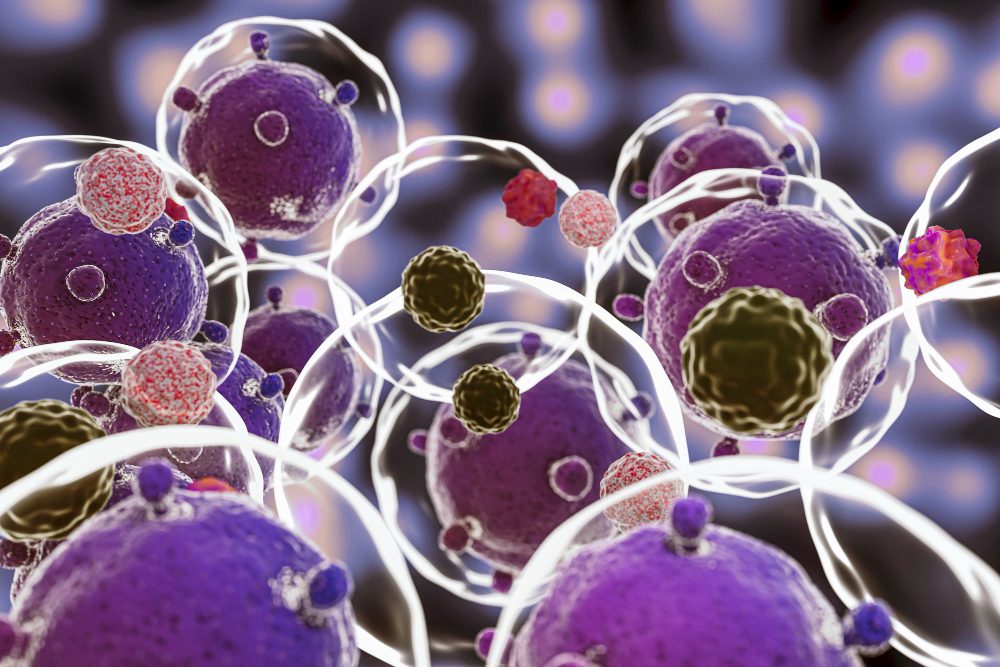
Viral oncology, often referred to as oncolytic virotherapy, represents a paradigm shift in cancer treatment. Unlike traditional chemotherapy or radiation, which can harm healthy cells alongside cancerous ones, oncolytic viruses are engineered or naturally occurring viruses that selectively replicate in and kill cancer cells, while leaving normal cells unharmed. This targeted approach offers immense potential for improved efficacy and reduced side effects. However, the very nature of using live viruses in patients introduces unique challenges, necessitating stringent 임상시험 윤리 (clinical trial ethics) protocols. Researchers must balance the promise of innovative therapies with the imperative to protect human subjects from undue risk. The rapid evolution of this field demands continuous vigilance and adaptation of ethical guidelines to ensure responsible scientific advancement.
한국어: 종양 용해성 바이러스 치료법이라고도 불리는 바이러스 종양학은 암 치료의 패러다임을 바꿀 수 있습니다. 암세포와 함께 건강한 세포를 손상시킬 수 있는 기존의 화학 요법이나 방사선과는 달리, 종양 용해성 바이러스는 암세포에서 선택적으로 복제하고 사멸시키며 정상 세포는 손상시키지 않도록 조작되거나 자연적으로 발생하는 바이러스입니다. 이러한 표적 접근 방식은 효능 향상 및 부작용 감소에 엄청난 잠재력을 제공합니다. 그러나 환자에게 살아있는 바이러스를 사용하는 본질적인 특성은 고유한 도전을 야기하며, 엄격한 임상시험 윤리 프로토콜이 필요합니다. 연구자들은 혁신적인 치료법의 약속과 피험자를 부당한 위험으로부터 보호해야 하는 의무 사이에서 균형을 찾아야 합니다. 이 분야의 빠른 발전은 책임감 있는 과학적 진보를 보장하기 위해 윤리적 지침의 지속적인 경계와 적응을 요구합니다.
The novelty of viral oncology therapies means that long-term effects and unforeseen interactions are not yet fully understood. This uncertainty places a higher burden on researchers and ethics committees to anticipate potential risks and implement robust safety measures. The ethical framework for such trials must be dynamic, allowing for adjustments as new data emerges. This is particularly relevant in the context of 의료 윤리 한국 (medical ethics Korea), where a strong emphasis on patient welfare and public trust is foundational. Ensuring transparency about the experimental nature of these treatments and the potential for unknown risks is crucial for maintaining public confidence and fostering a responsible research environment. The principles of beneficence and non-maleficence are tested as researchers push the boundaries of medical science.
한국어: 바이러스 종양학 치료법의 참신함은 장기적인 영향과 예상치 못한 상호 작용이 아직 완전히 이해되지 않았음을 의미합니다. 이러한 불확실성은 연구자와 윤리 위원회에 잠재적 위험을 예측하고 강력한 안전 조치를 구현해야 하는 더 큰 부담을 줍니다. 이러한 임상시험에 대한 윤리적 틀은 새로운 데이터가 나타남에 따라 조정이 가능하도록 역동적이어야 합니다. 이는 환자 복지와 대중의 신뢰에 대한 강한 강조가 기본이 되는 의료 윤리 한국의 맥락에서 특히 중요합니다. 이러한 치료법의 실험적 특성과 알려지지 않은 위험의 가능성에 대한 투명성을 보장하는 것은 대중의 신뢰를 유지하고 책임감 있는 연구 환경을 조성하는 데 중요합니다. 연구자들이 의학 과학의 경계를 확장함에 따라 선행과 비악행의 원칙이 시험대에 오릅니다.
At the heart of all clinical research lies a set of fundamental ethical principles designed to protect human participants. These include respect for persons, beneficence, and justice. Respect for persons mandates that individuals be treated as autonomous agents, capable of making their own decisions. This translates directly into the requirement for comprehensive 동의 절차 (consent procedures). Beneficence obliges researchers to maximize potential benefits and minimize possible harms, a particularly challenging task in cutting-edge fields like viral oncology. Justice requires that the benefits and burdens of research be distributed fairly, ensuring that vulnerable populations are not exploited and that access to promising therapies is equitable. Adherence to these principles forms the bedrock of ethical 암 연구 기준 (cancer research standards) globally and in South Korea.
한국어: 모든 임상 연구의 핵심에는 인간 참여자를 보호하기 위해 고안된 일련의 근본적인 윤리 원칙이 있습니다. 여기에는 사람에 대한 존중, 선행, 정의가 포함됩니다. 사람에 대한 존중은 개인이 자율적인 주체로 대우받고 스스로 결정을 내릴 수 있도록 요구합니다. 이는 포괄적인 동의 절차에 대한 요구 사항으로 직접적으로 이어집니다. 선행은 연구자가 잠재적 이점을 극대화하고 가능한 해를 최소화하도록 의무화하며, 이는 바이러스 종양학과 같은 최첨단 분야에서 특히 어려운 과제입니다. 정의는 연구의 이점과 부담이 공정하게 분배되어 취약 계층이 착취당하지 않고 유망한 치료법에 대한 접근이 공평하도록 보장합니다. 이러한 원칙을 준수하는 것은 전 세계적으로 그리고 한국에서 윤리적인 암 연구 기준의 기반을 형성합니다.
Informed consent is not merely a legal formality but an ongoing process of communication and understanding between the researcher and the participant. For viral oncology trials, this process is even more critical due to the complex scientific concepts involved. Participants must fully grasp the experimental nature of the therapy, the potential for severe side effects, the possibility of the virus spreading, and the alternatives available to them. This requires clear, jargon-free explanations, ample time for questions, and a supportive environment. Special considerations are needed for patients with compromised cognitive function or those under duress. The quality of the 동의 절차 directly impacts the ethical integrity of the entire study, ensuring that participation is truly voluntary and well-informed.
한국어: 정보에 입각한 동의는 단순한 법적 형식주의가 아니라 연구자와 참여자 간의 지속적인 의사소통 및 이해 과정입니다. 바이러스 종양학 임상시험의 경우, 관련된 복잡한 과학적 개념으로 인해 이 과정이 더욱 중요합니다. 참여자는 치료의 실험적 특성, 심각한 부작용의 가능성, 바이러스 확산 가능성, 그리고 이용 가능한 대안을 완전히 이해해야 합니다. 이를 위해서는 명확하고 전문 용어가 없는 설명, 질문을 위한 충분한 시간, 그리고 지지적인 환경이 필요합니다. 인지 기능이 손상되었거나 강압적인 상황에 있는 환자의 경우 특별한 고려가 필요합니다. 동의 절차의 질은 연구의 윤리적 무결성에 직접적인 영향을 미치며, 참여가 진정으로 자발적이고 충분한 정보를 바탕으로 이루어지도록 보장합니다.
Every clinical trial involves a degree of risk, but in viral oncology, the potential for both significant benefit and unforeseen harm is particularly pronounced. Researchers must conduct a rigorous risk-benefit assessment, ensuring that the potential benefits to the individual participant and to society outweigh the foreseeable risks. This assessment is dynamic and should be continuously re-evaluated throughout the trial. For patients with advanced cancer, who may have limited treatment options, the threshold for acceptable risk might be higher, but this does not negate the responsibility to minimize harm. Independent review by an IRB 승인 (IRB approval) committee is essential to objectively scrutinize this balance, ensuring that the study design is ethically sound and scientifically justifiable. This rigorous process is a cornerstone of responsible 암 연구 기준.
한국어: 모든 임상시험에는 어느 정도의 위험이 따르지만, 바이러스 종양학에서는 상당한 이점과 예상치 못한 해로움의 가능성이 특히 두드러집니다. 연구자는 엄격한 위험-이점 평가를 수행하여 개별 참여자와 사회에 대한 잠재적 이점이 예측 가능한 위험보다 크도록 보장해야 합니다. 이 평가는 역동적이며 임상시험 전반에 걸쳐 지속적으로 재평가되어야 합니다. 치료 옵션이 제한적일 수 있는 진행성 암 환자의 경우 허용 가능한 위험의 임계값이 더 높을 수 있지만, 이는 해를 최소화할 책임이 없다는 것을 의미하지 않습니다. IRB 승인 위원회의 독립적인 검토는 이러한 균형을 객관적으로 면밀히 조사하여 연구 설계가 윤리적으로 건전하고 과학적으로 정당한지 확인하는 데 필수적입니다. 이 엄격한 과정은 책임감 있는 암 연구 기준의 초석입니다.
Effective ethical oversight is crucial for the integrity of viral oncology clinical trials. Institutional Review Boards (IRBs) or Ethics Committees play a pivotal role in reviewing, approving, and monitoring research involving human subjects. Their primary function is to protect the rights and welfare of research participants. For complex and high-risk trials like those in viral oncology, the expertise of the IRB members is paramount. They must possess a deep understanding of the scientific intricacies, potential risks, and the specific ethical challenges associated with live viral agents. The process of obtaining IRB 승인 is rigorous and serves as a critical checkpoint, ensuring that all aspects of the study adhere to national and international ethical guidelines and 의료 윤리 한국 principles.
한국어: 효과적인 윤리적 감독은 바이러스 종양학 임상시험의 무결성에 매우 중요합니다. 기관 심사 위원회(IRB) 또는 윤리 위원회는 인간을 대상으로 하는 연구를 검토, 승인 및 모니터링하는 데 중추적인 역할을 합니다. 이들의 주요 기능은 연구 참여자의 권리와 복지를 보호하는 것입니다. 바이러스 종양학과 같은 복잡하고 위험도가 높은 임상시험의 경우, IRB 위원들의 전문 지식이 가장 중요합니다. 그들은 과학적 복잡성, 잠재적 위험, 살아있는 바이러스 제제와 관련된 특정 윤리적 문제에 대한 깊은 이해를 가지고 있어야 합니다. IRB 승인을 얻는 과정은 엄격하며, 연구의 모든 측면이 국내 및 국제 윤리 지침과 의료 윤리 한국 원칙을 준수하는지 확인하는 중요한 검사점 역할을 합니다.
The ethical conduct of clinical trials ultimately rests on the integrity and competence of the researchers themselves. 연구자 윤리 교육 (researcher ethics training) is not a one-time event but an ongoing requirement, particularly in rapidly evolving fields. Researchers must be thoroughly trained in Good Clinical Practice (GCP), human subjects protection, data management, and conflict of interest management. They must also be equipped to handle unexpected adverse events and to communicate effectively and empathetically with participants. Promoting a culture of integrity, transparency, and accountability within research institutions is vital. This commitment to ethical conduct is a hallmark of responsible 암 연구 기준 and ensures that scientific progress is pursued with the highest moral standards. Organizations like Deep Science Ethics provide crucial training in this domain.
한국어: 임상시험의 윤리적 수행은 궁극적으로 연구자 자신의 성실성과 역량에 달려 있습니다. 연구자 윤리 교육은 일회성 행사가 아니라 특히 빠르게 발전하는 분야에서 지속적인 요구 사항입니다. 연구자는 우수 임상 실습(GCP), 인간 대상 보호, 데이터 관리 및 이해 상충 관리에 대해 철저히 교육받아야 합니다. 또한 예상치 못한 부작용을 처리하고 참여자와 효과적이고 공감적으로 소통할 수 있는 능력을 갖춰야 합니다. 연구 기관 내에서 성실성, 투명성 및 책임의 문화를 조성하는 것이 중요합니다. 윤리적 행동에 대한 이러한 헌신은 책임감 있는 암 연구 기준의 특징이며, 과학적 진보가 최고 수준의 도덕적 기준으로 추구되도록 보장합니다. Deep Science Ethics와 같은 기관은 이 분야에서 중요한 교육을 제공합니다.
Protecting the privacy and confidentiality of participant data is a non-negotiable ethical imperative in all clinical trials, and particularly so in sensitive areas like cancer research involving novel therapies. Robust data security measures, anonymization protocols, and strict access controls are essential. Participants must be fully informed about how their data will be collected, stored, used, and shared, and their consent for data handling must be explicitly obtained. Breaches of confidentiality can have severe consequences for individuals and erode public trust in research. Adherence to national data protection laws and international best practices is crucial for maintaining the ethical integrity of viral oncology trials. This commitment reflects the core principles of Deep Science Governance.
한국어: 참여자 데이터의 프라이버시와 기밀성을 보호하는 것은 모든 임상시험에서, 특히 새로운 치료법과 관련된 암 연구와 같은 민감한 분야에서 협상 불가능한 윤리적 의무입니다. 강력한 데이터 보안 조치, 익명화 프로토콜 및 엄격한 접근 제어가 필수적입니다. 참여자는 데이터가 수집, 저장, 사용 및 공유되는 방식에 대해 완전히 정보를 받아야 하며, 데이터 처리에 대한 동의를 명시적으로 얻어야 합니다. 기밀성 위반은 개인에게 심각한 결과를 초래하고 연구에 대한 대중의 신뢰를 약화시킬 수 있습니다. 국가 데이터 보호법 및 국제 모범 사례를 준수하는 것은 바이러스 종양학 임상시험의 윤리적 무결성을 유지하는 데 매우 중요합니다. 이러한 헌신은 Deep Science Governance의 핵심 원칙을 반영합니다.
South Korea has a well-established and continuously evolving framework for medical research ethics. The country's regulations, largely based on international guidelines such as the Declaration of Helsinki and Good Clinical Practice (GCP), emphasize patient protection and scientific integrity. The Korean Ministry of Food and Drug Safety (MFDS) plays a key role in regulating clinical trials, ensuring adherence to national standards. However, the rapid pace of biomedical innovation, particularly in advanced therapies like viral oncology, presents ongoing challenges for regulatory bodies and ethics committees to keep pace. Continuous updates to guidelines and enhanced 연구자 윤리 교육 are vital to address these emerging complexities. The unique cultural context in South Korea also necessitates careful consideration, especially regarding family involvement in medical decisions and perceptions of research participation, which can influence the 동의 절차.
한국어: 한국은 의료 연구 윤리에 대한 잘 확립되고 지속적으로 발전하는 틀을 가지고 있습니다. 헬싱키 선언 및 우수 임상 실습(GCP)과 같은 국제 지침을 기반으로 하는 한국의 규정은 환자 보호와 과학적 무결성을 강조합니다. 식품의약품안전처(MFDS)는 임상시험을 규제하고 국가 표준 준수를 보장하는 데 핵심적인 역할을 합니다. 그러나 바이러스 종양학과 같은 첨단 치료법에서 특히 생의학 혁신의 빠른 속도는 규제 기관과 윤리 위원회가 보조를 맞추는 데 지속적인 과제를 제시합니다. 이러한 새로운 복잡성을 해결하기 위해서는 지침의 지속적인 업데이트와 강화된 연구자 윤리 교육이 필수적입니다. 한국의 독특한 문화적 맥락 또한 의료 결정에 대한 가족의 참여 및 연구 참여에 대한 인식과 관련하여 신중한 고려가 필요하며, 이는 동의 절차에 영향을 미칠 수 있습니다.
While the principle of informed consent is universal, its application can vary across cultures. In South Korea, family-centric values often mean that family members play a significant role in medical decision-making. Researchers must navigate this dynamic respectfully, ensuring that the individual participant's autonomy is upheld while acknowledging the family's involvement. This requires sensitive communication strategies and a deep understanding of 의료 윤리 한국 specificities. Transparent communication about the experimental nature of viral oncology therapies, potential risks, and the voluntary nature of participation becomes even more crucial. Providing information in both English and Korean, as this article does, is an example of culturally competent communication that enhances understanding and facilitates genuine informed consent.
한국어: 정보에 입각한 동의의 원칙은 보편적이지만, 그 적용은 문화마다 다를 수 있습니다. 한국에서는 가족 중심적인 가치로 인해 가족 구성원이 의료 결정에 중요한 역할을 하는 경우가 많습니다. 연구자는 이러한 역동성을 존중하며 탐색해야 하며, 가족의 참여를 인정하면서도 개별 참여자의 자율성이 유지되도록 해야 합니다. 이를 위해서는 민감한 의사소통 전략과 의료 윤리 한국의 특수성에 대한 깊은 이해가 필요합니다. 바이러스 종양학 치료법의 실험적 특성, 잠재적 위험, 참여의 자발성에 대한 투명한 의사소통은 더욱 중요해집니다. 이 글처럼 영어와 한국어로 정보를 제공하는 것은 이해를 높이고 진정한 정보에 입각한 동의를 촉진하는 문화적으로 유능한 의사소통의 예입니다.
The complexities of modern biomedical research, especially in cutting-edge fields like viral oncology, necessitate specialized expertise in ethical oversight and governance. Organizations dedicated to fostering robust ethical practices, such as Deep Science Ethics, play a vital role. They provide frameworks, guidelines, and training programs that go beyond basic compliance, promoting a proactive approach to ethical challenges. This includes developing advanced Deep Science Governance models that integrate emerging technologies and address novel ethical dilemmas before they become widespread issues. Their work contributes significantly to strengthening 암 연구 기준 globally.
한국어: 바이러스 종양학과 같은 최첨단 분야를 포함한 현대 생물의학 연구의 복잡성은 윤리적 감독 및 거버넌스에 대한 전문 지식을 필요로 합니다. Deep Science Ethics와 같이 강력한 윤리적 관행을 육성하는 데 전념하는 조직은 중요한 역할을 합니다. 이들은 기본적인 규정 준수를 넘어 윤리적 문제에 대한 사전 예방적 접근 방식을 장려하는 프레임워크, 지침 및 교육 프로그램을 제공합니다. 여기에는 새로운 기술을 통합하고 새로운 윤리적 딜레마가 광범위한 문제가 되기 전에 해결하는 고급 Deep Science Governance 모델 개발이 포함됩니다. 이들의 작업은 전 세계적으로 암 연구 기준을 강화하는 데 크게 기여합니다.
As viral oncology research becomes more sophisticated, so too must the ethical literacy of all involved parties. Deep Science Training programs are essential for equipping researchers, IRB members, and even patient advocates with the specialized knowledge needed to navigate the unique ethical landscape of advanced therapies. These programs cover topics ranging from the intricacies of gene editing and viral vectors to the psychological impact of experimental treatments on patients. Such targeted 연구자 윤리 교육 ensures that decisions are made with a comprehensive understanding of both the scientific and ethical implications, fostering a culture of responsibility and patient-centered care. This proactive approach to education is critical for maintaining high 임상시험 윤리 standards.
한국어: 바이러스 종양학 연구가 더욱 정교해짐에 따라 관련된 모든 당사자의 윤리적 지식도 향상되어야 합니다. Deep Science Training 프로그램은 연구자, IRB 위원, 심지어 환자 옹호자에게 첨단 치료법의 고유한 윤리적 환경을 탐색하는 데 필요한 전문 지식을 제공하는 데 필수적입니다. 이러한 프로그램은 유전자 편집 및 바이러스 벡터의 복잡성부터 실험 치료가 환자에게 미치는 심리적 영향에 이르기까지 다양한 주제를 다룹니다. 이러한 맞춤형 연구자 윤리 교육은 과학적 및 윤리적 함의에 대한 포괄적인 이해를 바탕으로 결정이 내려지도록 보장하여 책임감과 환자 중심 치료 문화를 조성합니다. 교육에 대한 이러한 사전 예방적 접근 방식은 높은 임상시험 윤리 표준을 유지하는 데 중요합니다.
Ultimately, the success and societal acceptance of viral oncology clinical trials depend on public trust. This trust is built through unwavering transparency and accountability from all stakeholders. Open communication about research findings, both positive and negative, timely reporting of adverse events, and clear explanations of the research process are fundamental. Independent oversight, rigorous adherence to IRB 승인 processes, and a commitment to continuous improvement in ethical practices are also vital. When institutions and researchers demonstrate a deep commitment to Deep Science Ethics and Deep Science Governance, they reinforce the public's confidence in the scientific endeavor and ensure that groundbreaking treatments are developed responsibly. This is particularly important for 의료 윤리 한국 to maintain its high standards.
한국어: 궁극적으로 바이러스 종양학 임상시험의 성공과 사회적 수용은 대중의 신뢰에 달려 있습니다. 이 신뢰는 모든 이해관계자의 흔들림 없는 투명성과 책임성을 통해 구축됩니다. 긍정적이고 부정적인 연구 결과에 대한 공개적인 의사소통, 부작용의 시기적절한 보고, 연구 과정에 대한 명확한 설명은 기본입니다. 독립적인 감독, IRB 승인 절차에 대한 엄격한 준수, 윤리적 관행의 지속적인 개선에 대한 헌신 또한 매우 중요합니다. 기관과 연구자가 Deep Science Ethics 및 Deep Science Governance에 대한 깊은 헌신을 보여줄 때, 그들은 과학적 노력에 대한 대중의 신뢰를 강화하고 획기적인 치료법이 책임감 있게 개발되도록 보장합니다. 이는 의료 윤리 한국이 높은 표준을 유지하는 데 특히 중요합니다.
Viral oncology holds immense promise for revolutionizing cancer treatment, offering hope to millions. However, realizing this potential requires navigating a complex ethical landscape with utmost care. From ensuring robust 동의 절차 and rigorous IRB 승인 to fostering a culture of strong 연구자 윤리 교육, every step in the clinical trial process must be guided by unwavering ethical principles. In South Korea, where medical ethics are deeply valued, integrating global best practices with local cultural nuances is key to responsible research. By embracing the principles championed by organizations like Deep Science Ethics and committing to exemplary Deep Science Governance, the scientific community can ensure that advancements in viral oncology are not only scientifically sound but also ethically unimpeachable, ultimately benefiting patients while upholding the highest 암 연구 기준.
한국어: 바이러스 종양학은 암 치료를 혁신하고 수백만 명에게 희망을 제공할 엄청난 잠재력을 가지고 있습니다. 그러나 이러한 잠재력을 실현하려면 최대한의 주의를 기울여 복잡한 윤리적 환경을 탐색해야 합니다. 강력한 동의 절차와 엄격한 IRB 승인을 보장하는 것부터 강력한 연구자 윤리 교육 문화를 조성하는 것까지, 임상시험 과정의 모든 단계는 흔들림 없는 윤리적 원칙에 따라 진행되어야 합니다. 의료 윤리가 깊이 존중되는 한국에서는 글로벌 모범 사례를 현지 문화적 뉘앙스와 통합하는 것이 책임감 있는 연구의 핵심입니다. Deep Science Ethics와 같은 기관이 옹호하는 원칙을 수용하고 모범적인 Deep Science Governance에 전념함으로써 과학계는 바이러스 종양학의 발전이 과학적으로 건전할 뿐만 아니라 윤리적으로도 흠잡을 데 없도록 보장하여 궁극적으로 환자에게 혜택을 주면서 최고 수준의 암 연구 기준을 유지할 수 있습니다.
The primary ethical concerns include ensuring truly informed consent given the complexity of viral therapies, meticulously assessing and managing potential risks versus benefits, protecting patient safety, maintaining data privacy, and ensuring equitable access to trials and their potential benefits. These are central to 임상시험 윤리.
한국어: 주요 윤리적 고려사항에는 바이러스 치료법의 복잡성을 고려한 진정한 정보에 입각한 동의 보장, 잠재적 위험 대 이점의 세심한 평가 및 관리, 환자 안전 보호, 데이터 프라이버시 유지, 임상시험 및 잠재적 이점에 대한 공평한 접근 보장이 포함됩니다. 이는 임상시험 윤리의 핵심입니다.
IRB approval in South Korea, as elsewhere, is crucial for independent oversight. It ensures that research protocols adhere to national regulations and international ethical guidelines, including those for 의료 윤리 한국. The IRB scrutinizes the scientific merit, risk-benefit ratio, and consent process, serving as a vital safeguard for participants. This rigorous review process is essential for upholding 암 연구 기준.
한국어: 한국에서 IRB 승인은 다른 곳과 마찬가지로 독립적인 감독에 매우 중요합니다. 이는 연구 프로토콜이 의료 윤리 한국을 포함한 국가 규정 및 국제 윤리 지침을 준수하는지 확인합니다. IRB는 과학적 타당성, 위험-이점 비율 및 동의 과정을 면밀히 조사하여 참여자를 위한 중요한 안전 장치 역할을 합니다. 이 엄격한 검토 과정은 암 연구 기준을 유지하는 데 필수적입니다.
Specialized 연구자 윤리 교육 is vital because viral oncology involves novel biological agents and complex mechanisms, introducing unique ethical dilemmas not covered by general ethics training. Programs like Deep Science Training equip researchers with the specific knowledge to handle informed consent for complex therapies, manage unforeseen risks, and ensure the highest standards of patient care and data integrity, thereby reinforcing 임상시험 윤리.
한국어: 바이러스 종양학은 새로운 생물학적 제제와 복잡한 메커니즘을 포함하므로 일반 윤리 교육에서는 다루지 않는 고유한 윤리적 딜레마를 야기하기 때문에 전문 연구자 윤리 교육이 필수적입니다. Deep Science Training과 같은 프로그램은 연구자에게 복잡한 치료법에 대한 정보에 입각한 동의를 처리하고, 예상치 못한 위험을 관리하며, 최고 수준의 환자 치료 및 데이터 무결성을 보장하여 임상시험 윤리를 강화합니다.
Deep Science Governance provides advanced frameworks and oversight mechanisms tailored for complex scientific fields. It ensures that ethical considerations are integrated from the very inception of a trial, addressing issues like data sharing, intellectual property, and long-term follow-up in a responsible manner. This proactive governance helps maintain public trust and ensures that groundbreaking research adheres to the highest 암 연구 기준 and principles of Deep Science Ethics.
한국어: Deep Science Governance는 복잡한 과학 분야에 맞춰진 고급 프레임워크와 감독 메커니즘을 제공합니다. 이는 데이터 공유, 지적 재산, 장기 추적 관찰과 같은 문제를 책임감 있는 방식으로 다루면서 임상시험의 시작부터 윤리적 고려사항이 통합되도록 보장합니다. 이러한 사전 예방적 거버넌스는 대중의 신뢰를 유지하고 획기적인 연구가 최고 수준의 암 연구 기준 및 Deep Science Ethics 원칙을 준수하도록 보장합니다.