
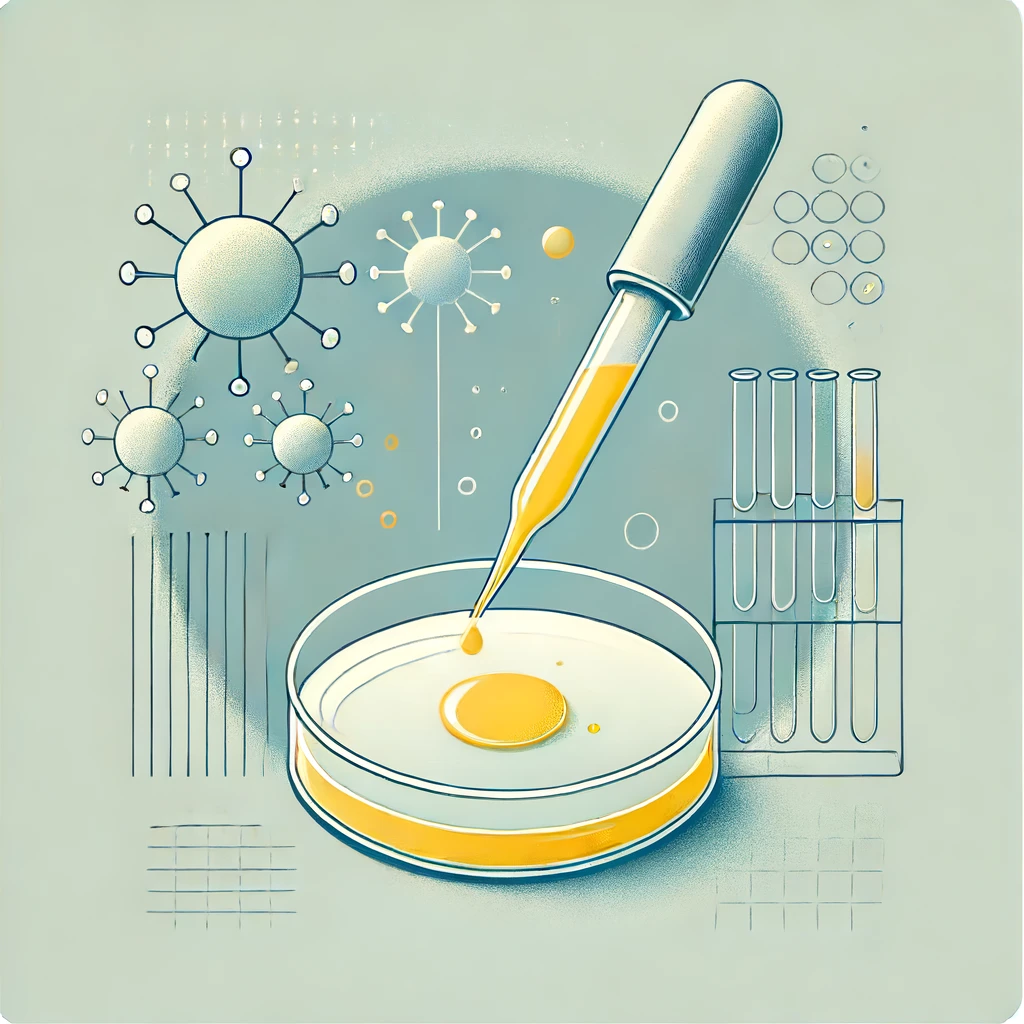
The Growing Significance of Molecular Epidemiology in India
India's diverse population, varying socio-economic conditions, and unique disease burden—ranging from persistent infectious diseases like tuberculosis and dengue to rising non-communicable diseases such as diabetes and cardiovascular ailments—underscore the urgent need for advanced epidemiological approaches. Traditional epidemiology, while foundational, often lacks the granularity to pinpoint specific genetic, microbial, or environmental factors at a molecular level. This is where molecular epidemiology bridges the gap, providing insights into disease etiology, host-pathogen interactions, and the effectiveness of interventions by leveraging molecular markers.
Bilangual India's varied demographics and complex disease landscape, encompassing both infectious and non-communicable diseases, highlight the critical need for advanced epidemiology. Molecular epidemiology fills the void left by traditional methods, offering detailed insights into disease causes, host-pathogen dynamics, and intervention efficacy through the use of molecular markers.
What is Molecular Epidemiology? A Core Concept
Molecular epidemiology is an interdisciplinary field that integrates the principles of traditional epidemiology with molecular biology, genetics, and bioinformatics. It focuses on identifying and quantifying the molecular determinants of disease in populations. By examining molecular markers—such as DNA, RNA, proteins, and metabolites—epidemiologists can gain a deeper understanding of disease mechanisms, identify susceptible populations, track disease outbreaks, and evaluate public health strategies with greater precision. This field is essential for anyone looking to master Epidemiology Essentials in today's health environment.
Bilangual Molecular epidemiology combines traditional epidemiology with molecular biology, genetics, and bioinformatics. It identifies and quantifies molecular disease determinants in populations. By studying molecular markers like DNA, RNA, and proteins, epidemiologists can better understand disease mechanisms, identify at-risk groups, monitor outbreaks, and assess public health interventions. This field is key for mastering Epidemiology Essentials.
Unlocking Insights with Molecular Markers in Epidemiology
The power of molecular epidemiology lies in its ability to utilize a wide array of molecular markers. These markers can be genetic (e.g., single nucleotide polymorphisms, gene mutations), microbial (e.g., pathogen strains, antimicrobial resistance genes), or biochemical (e.g., biomarkers of exposure or effect). For instance, in tracking infectious disease outbreaks, molecular markers can differentiate between closely related strains of a pathogen, revealing transmission pathways and sources that would be invisible through conventional methods. This granular approach is vital for effective Disease Pattern Analysis and control.
Bilangual Molecular epidemiology leverages diverse molecular markers—genetic, microbial, or biochemical—to gain insights. For example, in infectious disease tracking, molecular markers distinguish pathogen strains, revealing hidden transmission routes. This detailed method is crucial for precise Disease Pattern Analysis and control.
Key Techniques and Methodologies in Molecular Epidemiology
A robust Molecular Epidemiology Course India will delve into the core laboratory and computational techniques that underpin this field. Participants will learn about advanced molecular techniques such as Polymerase Chain Reaction (PCR) and its variants (qPCR, RT-PCR), next-generation sequencing (NGS), microarray analysis, and proteomics. Beyond the wet lab, the course emphasizes the crucial role of bioinformatics and biostatistics in analyzing complex molecular data. This includes understanding sequence alignment, phylogenetic analysis, statistical modeling of genetic data, and data visualization, all critical for drawing meaningful conclusions from vast datasets.
Bilangual A strong Molecular Epidemiology Course India covers essential lab and computational techniques. Students learn advanced molecular methods like PCR, NGS, microarrays, and proteomics. The course also stresses bioinformatics and biostatistics for analyzing complex molecular data, including sequence alignment, phylogenetic analysis, and statistical modeling, vital for interpreting large datasets.
Applications in Indian Public Health Context
The relevance of molecular epidemiology in India cannot be overstated. It offers transformative potential across various public health domains:
- Infectious Disease Surveillance and Outbreak Investigation: Rapid identification of pathogen strains, tracking transmission routes of diseases like COVID-19, TB, Dengue, and Chikungunya, and detecting antimicrobial resistance. This is crucial for timely and targeted interventions.
- Chronic Disease Research: Identifying genetic predispositions and environmental exposures linked to non-communicable diseases such as diabetes, cardiovascular diseases, and cancers, enabling personalized prevention strategies.
- Environmental Health: Assessing exposure to environmental toxins and pollutants at a molecular level and understanding their health impacts.
- Vaccine and Drug Development: Evaluating the effectiveness of vaccines and drugs by monitoring molecular changes in pathogens or host response.
- Nutritional Epidemiology: Investigating the molecular effects of diet on health and disease, relevant for addressing malnutrition and diet-related chronic conditions in India.
Bilangual Molecular epidemiology is highly relevant in India's public health. It transforms infectious disease surveillance, tracking pathogens like COVID-19 and TB. It aids chronic disease research by identifying genetic links to conditions like diabetes. It assesses environmental toxin exposure and evaluates vaccine efficacy. It also explores diet's molecular effects, crucial for India's nutritional challenges.
Why Choose Deep Science Curriculum for Your Molecular Epidemiology Course India?
At Deep Science Curriculum, we are committed to delivering cutting-edge education that meets the evolving demands of the scientific landscape. Our Advanced Molecular Epidemiology course is meticulously designed to provide a robust learning experience, combining theoretical depth with practical application. We understand the unique challenges and opportunities within the Indian public health sector, and our curriculum is tailored to address these specific needs.
Bilangual Deep Science Curriculum offers an Advanced Molecular Epidemiology course designed for current scientific demands. Our program combines theory and practice, addressing specific challenges and opportunities in Indian public health. Choose us for a robust learning experience tailored to your needs.
Our Unique Approach: Deep Science Workshops and Expert Faculty
Our program stands out through its emphasis on Deep Science Workshops, providing hands-on experience with the latest molecular techniques and bioinformatics tools. You won't just learn concepts; you'll apply them in real-world scenarios, analyzing complex datasets and interpreting results. Our faculty comprises leading experts in epidemiology, molecular biology, and public health, bringing a wealth of research and practical experience to the classroom. They are dedicated to fostering a deep understanding of Epidemiology Essentials and guiding you through the intricacies of Molecular Markers in Epidemiology.
Bilangual Our program excels with Deep Science Workshops, offering practical experience in molecular techniques and bioinformatics. You'll apply concepts to real data. Our expert faculty, leaders in epidemiology and molecular biology, bring extensive experience, ensuring a deep understanding of Epidemiology Essentials and Molecular Markers in Epidemiology.
Course Structure and Learning Outcomes
This comprehensive Molecular Epidemiology Course India covers a wide range of topics, ensuring participants gain a holistic understanding:
- Foundations of Epidemiology: A refresher on core epidemiological principles, study designs, and statistical methods.
- Introduction to Molecular Biology and Genetics: Essential molecular concepts relevant to disease.
- Molecular Markers: Detailed exploration of various types of molecular markers and their applications in Disease Pattern Analysis.
- Laboratory Techniques: Practical insights into PCR, sequencing technologies, and other molecular assays.
- Bioinformatics and Biostatistics: Tools and software for analyzing molecular data, including phylogenetic analysis and population genetics.
- Applications in Public Health: Case studies and real-world examples from infectious diseases, chronic diseases, and environmental health.
- Ethical and Regulatory Considerations: Understanding the ethical implications and regulatory frameworks in molecular epidemiological research.
Upon completion, participants will be able to design and conduct molecular epidemiological studies, interpret complex molecular data, contribute to outbreak investigations, and develop evidence-based public health interventions. This course is a cornerstone for advancing your career in public health and research in India.
Bilangual This Molecular Epidemiology Course India covers core epidemiology, molecular biology, molecular markers for Disease Pattern Analysis, lab techniques like PCR and sequencing, and bioinformatics for data analysis. It includes public health applications, ethical considerations, and real-world case studies. Graduates will be equipped to design studies, interpret data, aid outbreak investigations, and develop evidence-based public health interventions, advancing their careers in India.
Who Should Enroll in this Essential Course?
This course is ideal for public health professionals, medical researchers, microbiologists, geneticists, statisticians, and anyone involved in disease surveillance, control, and prevention in India. If you are looking to enhance your skills in Disease Pattern Analysis using advanced molecular tools and contribute significantly to public health initiatives, this program is for you. It is particularly beneficial for those seeking to specialize in infectious disease epidemiology, chronic disease prevention, or environmental health research within the Indian context.
Bilangual This course suits public health professionals, researchers, microbiologists, geneticists, and statisticians in India involved in disease control. It's for those wanting to enhance Disease Pattern Analysis with molecular tools and contribute to public health, especially in infectious disease, chronic disease, or environmental health research in India.
Learn More & Apply / Register NowFrequently Asked Questions
What is molecular epidemiology and why is it important for India?
Molecular epidemiology integrates traditional epidemiology with molecular biology to understand disease patterns at a genetic and molecular level. For India, it's crucial for precisely tracking infectious disease outbreaks, identifying genetic predispositions to chronic diseases, and developing targeted public health interventions tailored to the country's diverse health challenges.
Bilangual Molecular epidemiology combines traditional epidemiology with molecular biology to study disease patterns at a genetic and molecular level. In India, it's vital for accurate infectious disease tracking, identifying genetic risks for chronic diseases, and creating targeted public health interventions specific to India's varied health issues.
What kind of molecular markers are studied in this course?
The course covers various molecular markers, including genetic markers (e.g., SNPs, mutations, gene expression profiles), microbial markers (e.g., pathogen strains, virulence factors, antimicrobial resistance genes), and biochemical markers (e.g., biomarkers of exposure, susceptibility, or disease progression). Understanding these markers is key to effective Disease Pattern Analysis.
Bilangual This course examines diverse molecular markers: genetic (SNPs, mutations, gene expression), microbial (pathogen strains, virulence, antimicrobial resistance), and biochemical (exposure, susceptibility, disease progression biomarkers). Grasping these markers is essential for accurate Disease Pattern Analysis.
Are there practical sessions or workshops in the Molecular Epidemiology Course India?
Yes, the Deep Science Curriculum emphasizes hands-on learning through dedicated Deep Science Workshops. These sessions provide practical experience with molecular laboratory techniques (like PCR and sequencing) and bioinformatics tools for analyzing complex molecular data, ensuring you gain actionable skills.
Bilangual Yes, the Deep Science Curriculum features practical Deep Science Workshops. These sessions offer hands-on experience with molecular lab techniques (like PCR and sequencing) and bioinformatics tools for analyzing complex molecular data, ensuring you develop practical skills.
What career opportunities can I pursue after completing this course?
Graduates of this Molecular Epidemiology Course India can pursue careers in public health agencies, research institutions, pharmaceutical companies, biotechnology firms, and academic settings. Roles include epidemiologists, public health researchers, molecular diagnosticians, bioinformatics specialists, and health policy advisors, contributing to disease control and prevention efforts.
Bilangual After this Molecular Epidemiology Course India, graduates can work in public health, research, pharma, biotech, and academia. Roles include epidemiologists, researchers, diagnosticians, bioinformatics specialists, and policy advisors, contributing to disease control.
Is this course suitable for beginners in molecular biology?
While a basic understanding of biology is beneficial, the course is structured to provide foundational knowledge in molecular biology and genetics relevant to epidemiology. It caters to a broad audience, including those with a background primarily in public health or traditional epidemiology who wish to integrate molecular approaches into their work. The Epidemiology Essentials covered ensure a smooth learning curve.
Bilangual While basic biology is helpful, this course provides foundational molecular biology and genetics for epidemiology. It suits a wide audience, including public health or traditional epidemiology professionals wanting to add molecular approaches. The Epidemiology Essentials covered ensure an accessible learning experience.