
The landscape of modern medicine is undergoing a profound transformation, driven by groundbreaking advancements in biotechnology. Among these, bioprinting stands out as a revolutionary technology poised to redefine healthcare. This innovative field, at the intersection of biology, engineering, and materials science, involves the precise deposition of biomaterials, cells, and growth factors to create tissue-like structures that mimic natural tissues and organs. As a leader in scientific and technological innovation, China is rapidly emerging as a global powerhouse in the development and application of bioprinting, promising a future where personalized medicine and regenerative therapies are not just concepts, but tangible realities. This article delves into the exciting future prospects of bioprinting in China's medical field, exploring the trends, innovations, and the profound impact it is set to have on patient care and medical research.
中文: 现代医学领域正在经历一场由生物技术突破性进展所推动的深刻变革。其中,生物打印作为一项革命性技术,有望重新定义医疗保健。这个创新领域融合了生物学、工程学和材料科学,涉及精确沉积生物材料、细胞和生长因子,以创建模仿天然组织和器官的类组织结构。作为科技创新的领导者,中国正迅速成为生物打印开发和应用领域的全球强国,预示着个性化医疗和再生疗法不再仅仅是概念,而是触手可及的现实。本文将深入探讨生物打印在中国医疗领域的激动人心的未来前景,探索其趋势、创新以及对患者护理和医学研究将产生的深远影响。
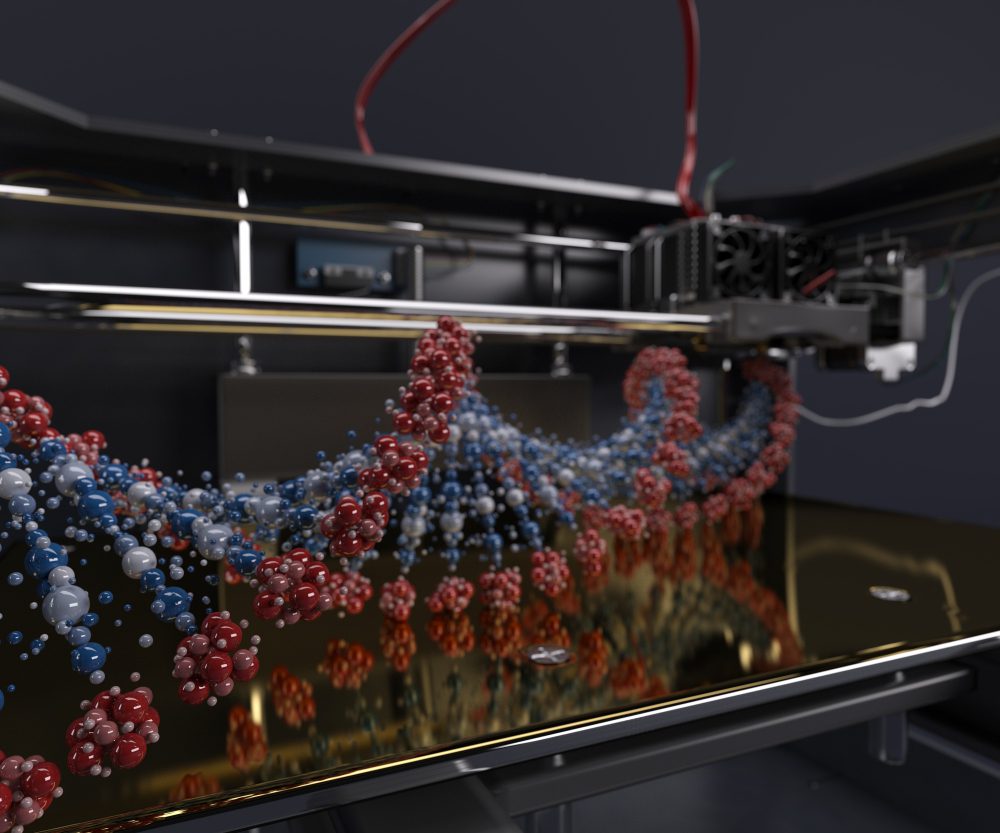
China has made significant strides in establishing a robust foundation for bioprinting research and development. Driven by substantial government investment, a burgeoning pool of scientific talent, and a pressing need for advanced medical solutions, Chinese institutions and companies are at the forefront of this technological revolution. Universities and research institutes, often in collaboration with private enterprises, are actively engaged in cutting-edge research, focusing on areas such as bio-ink development, printer technology, and the creation of complex tissue constructs. This concerted effort highlights China's commitment to becoming a global leader in medical innovations, particularly in the realm of regenerative medicine and organ transplantation alternatives.
中文: 中国在生物打印研发方面已奠定坚实基础。在政府大量投资、日益壮大的科研人才队伍以及对先进医疗解决方案的迫切需求推动下,中国机构和企业正处于这场技术革命的最前沿。大学和研究机构经常与私营企业合作,积极参与尖端研究,重点关注生物墨水开发、打印机技术以及复杂组织构建体的创建等领域。这种协同努力凸显了中国致力于成为医疗创新,特别是在再生医学和器官移植替代方案领域,全球领导者的决心。
Chinese scientists are pushing the boundaries of what's possible with bioprinting. Breakthroughs include the successful bioprinting of functional tissues like cartilage, bone, and even preliminary vascular structures. These advancements are critical steps towards the ultimate goal of printing entire organs for transplantation, addressing the severe global shortage of donor organs. Research is also heavily focused on developing novel bio-inks that closely mimic the extracellular matrix of natural tissues, ensuring biocompatibility and functional integration. The dedication of Deep Science Visionaries within China's research community is accelerating the pace of discovery, positioning the nation as a key player in the global bioprinting arena.
中文: 中国科学家正在拓展生物打印的可能边界。突破性进展包括成功生物打印出软骨、骨骼甚至初步血管结构等功能性组织。这些进展是实现打印整个器官以供移植的最终目标的关键步骤,有助于解决全球严重的器官短缺问题。研究还重点关注开发新型生物墨水,这些墨水能密切模仿天然组织的细胞外基质,确保生物相容性和功能整合。中国研究界中“Deep Science Visionaries”的奉献精神正在加速发现的步伐,使该国成为全球生物打印领域的重要参与者。
The future of bioprinting in China is characterized by several key trends and innovations that promise to revolutionize healthcare. One major trend is the increasing sophistication of multi-material bioprinting, allowing for the creation of more complex and heterogeneous tissues. This will be crucial for developing functional organs with intricate vascular networks and cellular diversity. Another significant area is the integration of artificial intelligence (AI) and machine learning (ML) into bioprinting workflows. AI can optimize print parameters, predict tissue maturation, and even design personalized tissue constructs based on patient-specific data, driving significant medical innovations.
中文: 中国生物打印的未来以几个关键趋势和创新为特征,这些趋势和创新有望彻底改变医疗保健。一个主要趋势是多材料生物打印的日益复杂化,这使得创建更复杂和异质的组织成为可能。这对于开发具有复杂血管网络和细胞多样性的功能性器官至关重要。另一个重要领域是将人工智能 (AI) 和机器学习 (ML) 整合到生物打印工作流程中。人工智能可以优化打印参数,预测组织成熟度,甚至根据患者特定数据设计个性化组织结构,从而推动重大的医疗创新。
The broader 3D Printing Trends are significantly influencing the trajectory of bioprinting. As 3D printing technology becomes more precise, faster, and more accessible, its applications in bioprinting expand exponentially. This convergence is particularly impactful in the realm of personalized medicine. Imagine a future where a patient's damaged organ can be scanned, and a perfectly matched replacement organ or tissue patch is bioprinted using their own cells, minimizing rejection risks and maximizing therapeutic efficacy. This level of customization represents the pinnacle of medical innovation, moving away from a one-size-fits-all approach to highly individualized treatments. Deep Science Innovation is at the heart of this paradigm shift.
中文: 更广泛的 3D 打印趋势正在显著影响生物打印的发展轨迹。随着 3D 打印技术变得更加精确、快速和易于获取,其在生物打印中的应用呈指数级增长。这种融合在个性化医疗领域尤其具有影响力。想象一下,未来患者受损的器官可以被扫描,然后使用他们自己的细胞精确匹配地生物打印出替代器官或组织补丁,从而最大限度地降低排斥风险并最大限度地提高治疗效果。这种定制化水平代表了医疗创新的顶峰,从“一刀切”的方法转向高度个性化的治疗。Deep Science Innovation 是这一范式转变的核心。
One of the most profound impacts of bioprinting will be its ability to address the critical shortage of donor organs. Beyond whole organ transplantation, bioprinted tissues can also serve as invaluable models for disease research and drug discovery. Scientists can create in vitro disease models that accurately mimic human physiology, allowing for more effective and ethical testing of new drugs and therapies, reducing reliance on animal testing. This capability accelerates the pace of medical breakthroughs and provides a more accurate understanding of disease progression and treatment responses. The advancements in 中国医疗领域的生物打印前景 are truly transformative.
中文: 生物打印最深远的影响之一将是它解决捐赠器官严重短缺的能力。除了整个器官移植,生物打印的组织还可以作为疾病研究和药物发现的宝贵模型。科学家可以创建精确模拟人体生理学的体外疾病模型,从而更有效地、更合乎道德地测试新药和疗法,减少对动物试验的依赖。这种能力加速了医学突破的步伐,并提供了对疾病进展和治疗反应更准确的理解。中国医疗领域的生物打印前景方面的进展确实具有变革性。
The Chinese government plays a pivotal role in fostering the growth of the bioprinting industry. Strategic national plans, significant funding initiatives, and supportive regulatory frameworks are being implemented to accelerate research, encourage industrialization, and ensure the ethical application of bioprinting technologies. These policies aim to position China as a global hub for bioprinting innovation, attracting top talent and investment. The proactive stance of the government, combined with the drive of Deep Science Technology companies, creates a fertile ground for rapid advancements and widespread adoption of bioprinting solutions across the medical spectrum.
中文: 中国政府在促进生物打印产业发展方面发挥着关键作用。正在实施战略性国家计划、重要的资金举措和支持性监管框架,以加速研究、鼓励产业化并确保生物打印技术的伦理应用。这些政策旨在将中国定位为生物打印创新的全球中心,吸引顶尖人才和投资。政府的积极立场,结合“Deep Science Technology”公司的推动,为生物打印解决方案在医疗领域的快速发展和广泛应用创造了肥沃的土壤。
Despite the immense potential, bioprinting in China, like globally, faces significant challenges. These include the complexity of replicating intricate biological structures, ensuring long-term viability and vascularization of printed tissues, and scaling up production for clinical applications. Regulatory hurdles and ethical considerations also need careful navigation. However, with continuous research, interdisciplinary collaboration, and the relentless pursuit of Deep Science Innovation, these challenges are being systematically addressed. The future outlook remains incredibly optimistic, with bioprinting poised to become an integral part of mainstream medical practice within the next few decades, transforming patient lives across China and beyond.
中文: 尽管潜力巨大,但中国乃至全球的生物打印都面临着重大挑战。这包括复制复杂生物结构的复杂性、确保打印组织的长期存活和血管化,以及扩大生产以用于临床应用。监管障碍和伦理考量也需要仔细应对。然而,随着持续的研究、跨学科合作以及对“Deep Science Innovation”的不懈追求,这些挑战正在系统地得到解决。未来前景仍然非常乐观,生物打印有望在未来几十年内成为主流医疗实践不可或缺的一部分,改变中国乃至全球患者的生活。
The rise of bioprinting will also profoundly impact medical education and training. Future medical professionals will need to understand the principles of tissue engineering, biomaterials, and additive manufacturing. Bioprinted models of organs and tissues can serve as invaluable tools for surgical training, allowing aspiring surgeons to practice complex procedures on realistic, patient-specific models without risk. This hands-on experience, facilitated by Deep Science Technology, will significantly enhance surgical precision and patient safety, preparing a new generation of medical practitioners for the advanced healthcare landscape.
中文: 生物打印的兴起也将深刻影响医学教育和培训。未来的医疗专业人员需要了解组织工程、生物材料和增材制造的原理。生物打印的器官和组织模型可以作为外科培训的宝贵工具,让有抱负的外科医生在逼真的、患者特定的模型上练习复杂的手术,而没有风险。这种由“Deep Science Technology”促成的实践经验将显著提高手术精度和患者安全性,为新一代医疗从业者应对先进医疗格局做好准备。
While China is making significant independent strides, global collaboration remains crucial for accelerating bioprinting advancements. Sharing knowledge, expertise, and resources across international borders can lead to faster breakthroughs and the establishment of universal best practices. The "Bioprinting Future China" narrative is not just about domestic progress but also about its contribution to the global scientific community. As the technology matures, we can anticipate a future where bioprinted organs are routinely used in clinical settings, offering hope to millions suffering from organ failure and ushering in an era of truly regenerative and personalized medicine.
中文: 尽管中国正在取得重大的独立进展,但全球合作对于加速生物打印的进步仍然至关重要。跨国界共享知识、专业知识和资源可以带来更快的突破并建立普遍的最佳实践。“生物打印中国未来”的叙事不仅关乎国内进步,也关乎其对全球科学界的贡献。随着技术成熟,我们可以预见未来生物打印器官将在临床环境中常规使用,为数百万器官衰竭患者带来希望,并开创一个真正再生和个性化医疗的时代。
Bioprinting is an additive manufacturing process that uses "bio-inks" (mixtures of living cells and biomaterials) to create tissue-like structures layer by layer. It works by precisely depositing these bio-inks according to a digital design, often derived from patient scans, to build complex biological constructs.
中文: 生物打印是一种增材制造工艺,它使用“生物墨水”(活细胞和生物材料的混合物)逐层创建类组织结构。它通过根据数字设计(通常源自患者扫描)精确沉积这些生物墨水来构建复杂的生物结构。
The main applications include tissue engineering for repair and regeneration (e.g., skin grafts, cartilage), organ printing for transplantation (though still largely experimental for whole organs), drug discovery and toxicology testing using bioprinted disease models, and personalized medicine for patient-specific treatments.
中文: 主要应用包括用于修复和再生的组织工程(例如,皮肤移植、软骨)、用于移植的器官打印(尽管对于整个器官来说仍主要处于实验阶段)、使用生物打印疾病模型进行药物发现和毒理学测试,以及用于患者特定治疗的个性化医疗。
China is making significant contributions through substantial government investment in research, a growing pool of scientific talent, and the establishment of advanced research facilities. Chinese institutions are pioneering breakthroughs in bio-ink development, complex tissue fabrication, and the integration of AI, positioning China as a global leader in medical innovations.
中文: 中国通过对研究的大量政府投资、日益壮大的科研人才队伍以及先进研究设施的建立,做出了重大贡献。中国机构正在生物墨水开发、复杂组织制造和人工智能整合方面取得突破,将中国定位为医疗创新的全球领导者。
Key challenges include ensuring the long-term viability and vascularization of printed tissues, replicating the complexity of natural organs, scaling up production for clinical use, and navigating complex regulatory and ethical frameworks. Overcoming these requires continued scientific advancement and interdisciplinary collaboration.
中文: 主要挑战包括确保打印组织的长期存活和血管化、复制天然器官的复杂性、扩大生产以用于临床,以及应对复杂的监管和伦理框架。克服这些挑战需要持续的科学进步和跨学科合作。
While significant progress has been made, widespread availability of fully functional bioprinted organs for transplantation is still several decades away. Current research focuses on simpler tissues and disease models. However, continuous advancements in Deep Science Technology suggest that smaller, simpler bioprinted tissues will see clinical use much sooner, paving the way for more complex applications.
中文: 尽管已经取得了重大进展,但功能齐全的生物打印器官广泛用于移植仍需数十年。目前的研究主要集中在更简单的组织和疾病模型上。然而,Deep Science Technology 的持续进步表明,更小、更简单的生物打印组织将很快进入临床应用,为更复杂的应用铺平道路。