
How Bioprinting Technology is Revolutionizing Biomedical Engineering in India
Bioprinting technology stands at the forefront of a monumental shift in biomedical engineering, offering unprecedented capabilities to fabricate living tissues and organs. In India, this revolutionary field is rapidly gaining momentum, promising to transform healthcare, drug discovery, and regenerative medicine. From creating functional organ models for research to potentially developing transplantable organs, bioprinting is paving the way for a future where biological barriers are overcome with precision engineering.
हिन्दी में: बायोप्रिंटिंग तकनीक बायोमेडिकल इंजीनियरिंग में एक बड़े बदलाव के सबसे आगे खड़ी है, जो जीवित ऊतकों और अंगों को बनाने की अभूतपूर्व क्षमता प्रदान करती है। भारत में, यह क्रांतिकारी क्षेत्र तेजी से गति पकड़ रहा है, जो स्वास्थ्य सेवा, दवा खोज और पुनर्योजी चिकित्सा को बदलने का वादा करता है। अनुसंधान के लिए कार्यात्मक अंग मॉडल बनाने से लेकर संभावित रूप से प्रत्यारोपण योग्य अंगों के विकास तक, बायोप्रिंटिंग एक ऐसे भविष्य का मार्ग प्रशस्त कर रही है जहाँ जैविक बाधाओं को सटीक इंजीनियरिंग के साथ दूर किया जाता है।
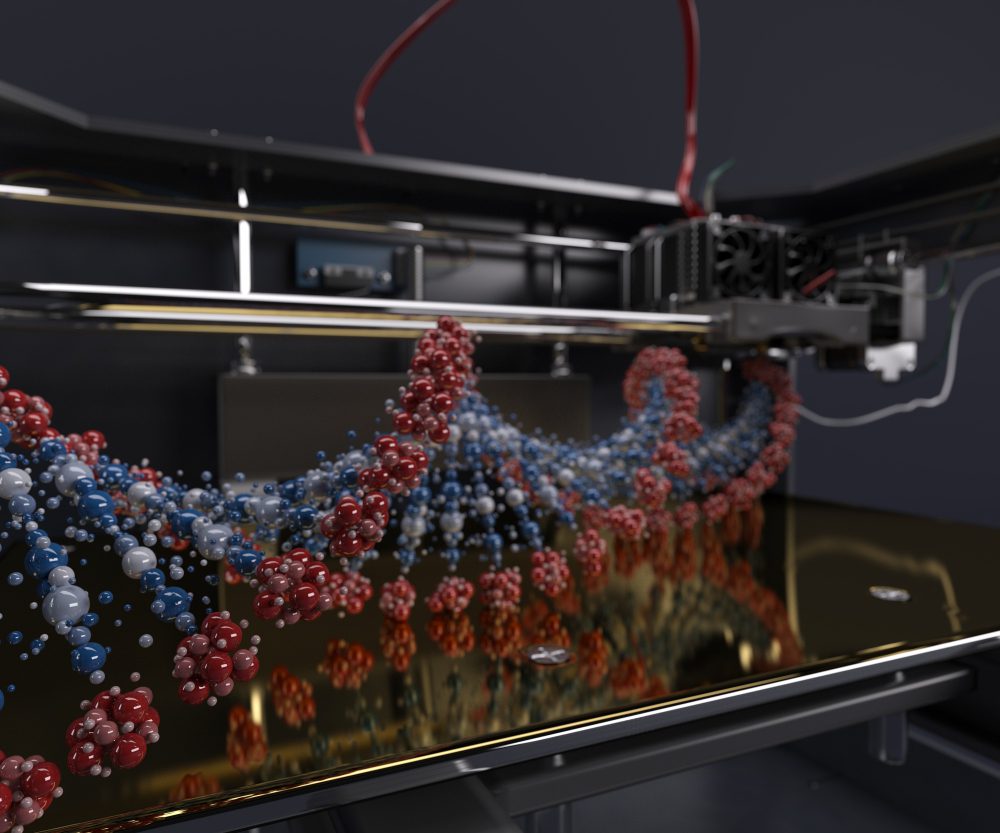
The Dawn of Bioprinting in India / भारत में बायोप्रिंटिंग का उदय
India is emerging as a significant player in the global bioprinting landscape, with a growing number of research institutions, startups, and government initiatives focusing on this cutting-edge technology. The convergence of advanced manufacturing techniques with biological sciences is creating a fertile ground for innovation. Early efforts primarily focused on understanding the fundamental principles of bioprinting, such as biocompatible ink development and cell viability, laying the groundwork for more complex applications. This foundational research is crucial for the sustainable growth of Bioprinting Technology India.
हिन्दी में: भारत वैश्विक बायोप्रिंटिंग परिदृश्य में एक महत्वपूर्ण खिलाड़ी के रूप में उभर रहा है, जिसमें बढ़ती संख्या में अनुसंधान संस्थान, स्टार्टअप और सरकारी पहल इस अत्याधुनिक तकनीक पर ध्यान केंद्रित कर रहे हैं। उन्नत विनिर्माण तकनीकों का जैविक विज्ञान के साथ अभिसरण नवाचार के लिए एक उपजाऊ जमीन बना रहा है। शुरुआती प्रयासों ने मुख्य रूप से बायोप्रिंटिंग के मूलभूत सिद्धांतों को समझने पर ध्यान केंद्रित किया, जैसे कि बायो-कम्पेटिबल इंक का विकास और कोशिका व्यवहार्यता, जो अधिक जटिल अनुप्रयोगों के लिए आधार तैयार कर रहा है। यह मूलभूत अनुसंधान भारत में बायोप्रिंटिंग तकनीक के स्थायी विकास के लिए महत्वपूर्ण है।
The journey of bioprinting in India began with academic research and has steadily progressed towards translational applications. Universities and national laboratories are investing in state-of-the-art bioprinting facilities, attracting talented researchers and fostering interdisciplinary collaborations. This collaborative environment is essential for driving Tissue Engineering Innovations and pushing the boundaries of what's possible. The emphasis is on developing cost-effective and scalable solutions that can address India's unique healthcare challenges, making this a pivotal area for Deep Science Innovation.
हिन्दी में: भारत में बायोप्रिंटिंग की यात्रा अकादमिक अनुसंधान से शुरू हुई और धीरे-धीरे अनुवादकीय अनुप्रयोगों की ओर बढ़ी है। विश्वविद्यालय और राष्ट्रीय प्रयोगशालाएं अत्याधुनिक बायोप्रिंटिंग सुविधाओं में निवेश कर रहे हैं, प्रतिभाशाली शोधकर्ताओं को आकर्षित कर रहे हैं और अंतर-विषयक सहयोग को बढ़ावा दे रहे हैं। यह सहयोगात्मक वातावरण ऊतक इंजीनियरिंग नवाचारों को चलाने और संभावनाओं की सीमाओं को आगे बढ़ाने के लिए आवश्यक है। भारत की अद्वितीय स्वास्थ्य सेवा चुनौतियों का समाधान करने वाले लागत प्रभावी और स्केलेबल समाधान विकसित करने पर जोर दिया गया है, जिससे यह डीप साइंस इनोवेशन के लिए एक महत्वपूर्ण क्षेत्र बन गया है।
Core Bioprinting Technologies and Their Applications / मुख्य बायोप्रिंटिंग प्रौद्योगिकियां और उनके अनुप्रयोग
Bioprinting encompasses a variety of techniques, each with its own advantages and specific applications. Inkjet bioprinting, extrusion bioprinting, and laser-assisted bioprinting are among the most prominent methods being explored in India. Inkjet bioprinting, similar to conventional inkjet printers, deposits bio-ink droplets containing cells layer by layer. This method offers high resolution and speed but can be limited by the viscosity of the bio-ink. Extrusion bioprinting, on the other hand, allows for printing with higher cell densities and more viscous bio-inks, making it suitable for creating larger tissue constructs. These Advanced Bioprinting Methods are crucial for developing complex biological structures.
हिन्दी में: बायोप्रिंटिंग में विभिन्न प्रकार की तकनीकें शामिल हैं, जिनमें से प्रत्येक के अपने फायदे और विशिष्ट अनुप्रयोग हैं। इंकजेट बायोप्रिंटिंग, एक्सट्रूज़न बायोप्रिंटिंग और लेजर-सहायता प्राप्त बायोप्रिंटिंग भारत में खोजी जा रही सबसे प्रमुख विधियों में से हैं। इंकजेट बायोप्रिंटिंग, पारंपरिक इंकजेट प्रिंटर के समान, कोशिकाओं वाले बायो-इंक की बूंदों को परत दर परत जमा करती है। यह विधि उच्च रिज़ॉल्यूशन और गति प्रदान करती है लेकिन बायो-इंक की चिपचिपाहट से सीमित हो सकती है। दूसरी ओर, एक्सट्रूज़न बायोप्रिंटिंग उच्च कोशिका घनत्व और अधिक चिपचिपी बायो-इंक के साथ प्रिंटिंग की अनुमति देती है, जिससे यह बड़े ऊतक निर्माण के लिए उपयुक्त हो जाती है। ये उन्नत बायोप्रिंटिंग विधियाँ जटिल जैविक संरचनाओं को विकसित करने के लिए महत्वपूर्ण हैं।
Laser-assisted bioprinting offers unparalleled precision and cell viability, making it ideal for delicate applications where cellular integrity is paramount. Researchers in India are leveraging these techniques to create a range of biological models, from simple cell sheets to complex organoids. Applications include drug screening, where bioprinted human tissue models can provide more accurate predictions of drug efficacy and toxicity than traditional animal models. This reduces the need for animal testing and accelerates drug development. The ongoing research in Bioprinting Technology India is pushing the boundaries of what is achievable in personalized medicine.
हिन्दी में: लेजर-सहायता प्राप्त बायोप्रिंटिंग अद्वितीय सटीकता और कोशिका व्यवहार्यता प्रदान करती है, जिससे यह उन नाजुक अनुप्रयोगों के लिए आदर्श बन जाती है जहाँ सेलुलर अखंडता सर्वोपरि है। भारत में शोधकर्ता इन तकनीकों का लाभ उठाकर सरल कोशिका शीट से लेकर जटिल ऑर्गेनॉइड तक, जैविक मॉडलों की एक श्रृंखला बना रहे हैं। अनुप्रयोगों में दवा स्क्रीनिंग शामिल है, जहाँ बायोप्रिंटेड मानव ऊतक मॉडल पारंपरिक पशु मॉडल की तुलना में दवा प्रभावकारिता और विषाक्तता की अधिक सटीक भविष्यवाणी प्रदान कर सकते हैं। यह पशु परीक्षण की आवश्यकता को कम करता है और दवा विकास को गति देता है। भारत में बायोप्रिंटिंग तकनीक में चल रहा शोध व्यक्तिगत चिकित्सा में प्राप्त होने वाली सीमाओं को आगे बढ़ा रहा है।
Beyond drug discovery, bioprinting is also being explored for creating functional tissue constructs for regenerative medicine. This includes printing skin grafts for burn victims, cartilage for joint repair, and even preliminary structures for more complex organs like kidneys and hearts. The ability to engineer tissues with patient-specific cells minimizes the risk of immune rejection, offering a truly personalized approach to treatment. This represents a significant leap forward in Tissue Engineering Innovations and holds immense promise for the future of healthcare, aligning with the vision of Deep Science Frontiers.
हिन्दी में: दवा खोज से परे, बायोप्रिंटिंग को पुनर्योजी चिकित्सा के लिए कार्यात्मक ऊतक निर्माण बनाने के लिए भी खोजा जा रहा है। इसमें जले हुए पीड़ितों के लिए त्वचा ग्राफ्ट, जोड़ों की मरम्मत के लिए उपास्थि, और यहां तक कि गुर्दे और दिल जैसे अधिक जटिल अंगों के लिए प्रारंभिक संरचनाओं को प्रिंट करना शामिल है। रोगी-विशिष्ट कोशिकाओं के साथ ऊतकों को इंजीनियर करने की क्षमता प्रतिरक्षा अस्वीकृति के जोखिम को कम करती है, उपचार के लिए एक truly व्यक्तिगत दृष्टिकोण प्रदान करती है। यह ऊतक इंजीनियरिंग नवाचारों में एक महत्वपूर्ण छलांग का प्रतिनिधित्व करता है और स्वास्थ्य सेवा के भविष्य के लिए अपार संभावनाएं रखता है, जो डीप साइंस फ्रंटियर्स के दृष्टिकोण के अनुरूप है।
Impact on Biomedical Engineering and Healthcare / बायोमेडिकल इंजीनियरिंग और स्वास्थ्य सेवा पर प्रभाव
The impact of bioprinting on biomedical engineering in India is profound. It is transforming the way scientists and engineers approach tissue and organ repair, moving from traditional transplantation methods to engineered solutions. This shift necessitates a multidisciplinary approach, combining expertise from materials science, cell biology, mechanical engineering, and clinical medicine. The development of novel bio-inks, which are crucial for successful bioprinting, is a key area of research, focusing on materials that mimic the extracellular matrix of natural tissues.
हिन्दी में: भारत में बायोमेडिकल इंजीनियरिंग पर बायोप्रिंटिंग का प्रभाव गहरा है। यह वैज्ञानिकों और इंजीनियरों के ऊतक और अंग की मरम्मत के दृष्टिकोण को बदल रहा है, पारंपरिक प्रत्यारोपण विधियों से इंजीनियर समाधानों की ओर बढ़ रहा है। इस बदलाव के लिए एक बहु-विषयक दृष्टिकोण की आवश्यकता है, जिसमें सामग्री विज्ञान, कोशिका जीव विज्ञान, यांत्रिक इंजीनियरिंग और नैदानिक चिकित्सा से विशेषज्ञता का संयोजन हो। उपन्यास बायो-इंक का विकास, जो सफल बायोप्रिंटिंग के लिए महत्वपूर्ण हैं, अनुसंधान का एक प्रमुख क्षेत्र है, जो उन सामग्रियों पर ध्यान केंद्रित कर रहा है जो प्राकृतिक ऊतकों के बाह्य मैट्रिक्स की नकल करते हैं।
In healthcare, bioprinting offers solutions to some of the most pressing challenges, particularly organ shortage. Thousands of patients in India are on waiting lists for organ transplants, and bioprinting holds the potential to significantly alleviate this crisis by fabricating patient-specific organs on demand. While full organ fabrication is still in its nascent stages, the progress in printing simpler tissues and organoids is already making a difference in research and drug testing. This advancement is a testament to the power of Advanced Bioprinting Methods and their potential to revolutionize medical practices.
हिन्दी में: स्वास्थ्य सेवा में, बायोप्रिंटिंग कुछ सबसे गंभीर चुनौतियों, विशेष रूप से अंगों की कमी का समाधान प्रदान करती है। भारत में हजारों मरीज अंग प्रत्यारोपण के लिए प्रतीक्षा सूची में हैं, और बायोप्रिंटिंग में मांग पर रोगी-विशिष्ट अंगों का निर्माण करके इस संकट को काफी हद तक कम करने की क्षमता है। जबकि पूर्ण अंग निर्माण अभी भी अपनी प्रारंभिक अवस्था में है, सरल ऊतकों और ऑर्गेनॉइड को प्रिंट करने में प्रगति पहले से ही अनुसंधान और दवा परीक्षण में अंतर ला रही है। यह प्रगति उन्नत बायोप्रिंटिंग विधियों की शक्ति और चिकित्सा पद्धतियों में क्रांति लाने की उनकी क्षमता का एक वसीयतनामा है।
Furthermore, bioprinting contributes to personalized medicine by enabling the creation of disease models using a patient's own cells. This allows for studying disease progression and testing therapies in a highly relevant biological context, leading to more effective and tailored treatments. The integration of artificial intelligence and machine learning with bioprinting is further enhancing its capabilities, allowing for optimization of printing parameters and design of complex tissue architectures. This synergy highlights the role of Deep Science Research Hubs in driving such transformative technologies.
हिन्दी में: इसके अलावा, बायोप्रिंटिंग रोगी की अपनी कोशिकाओं का उपयोग करके रोग मॉडल बनाने में सक्षम करके व्यक्तिगत चिकित्सा में योगदान करती है। यह अत्यधिक प्रासंगिक जैविक संदर्भ में रोग की प्रगति का अध्ययन करने और उपचारों का परीक्षण करने की अनुमति देता है, जिससे अधिक प्रभावी और अनुकूलित उपचार होते हैं। बायोप्रिंटिंग के साथ कृत्रिम बुद्धिमत्ता और मशीन लर्निंग का एकीकरण इसकी क्षमताओं को और बढ़ा रहा है, जिससे प्रिंटिंग मापदंडों का अनुकूलन और जटिल ऊतक वास्तुकला का डिजाइन संभव हो रहा है। यह तालमेल ऐसी परिवर्तनकारी प्रौद्योगिकियों को चलाने में डीप साइंस रिसर्च हब की भूमिका पर प्रकाश डालता है।
Challenges and Opportunities in India / भारत में चुनौतियाँ और अवसर
Despite the immense potential, the widespread adoption and advancement of Bioprinting Technology India face several challenges. These include the high cost of specialized equipment and materials, the need for highly skilled personnel, and regulatory hurdles. Developing biocompatible and biodegradable materials that can support cell growth and tissue maturation post-printing is a significant scientific challenge. Additionally, ensuring the long-term viability and functionality of bioprinted tissues within the human body requires extensive research and clinical trials.
हिन्दी में: अपार संभावनाओं के बावजूद, भारत में बायोप्रिंटिंग तकनीक को व्यापक रूप से अपनाने और आगे बढ़ाने में कई चुनौतियाँ हैं। इनमें विशेष उपकरण और सामग्रियों की उच्च लागत, अत्यधिक कुशल कर्मियों की आवश्यकता और नियामक बाधाएँ शामिल हैं। बायो-कम्पेटिबल और बायोडिग्रेडेबल सामग्री विकसित करना जो कोशिका वृद्धि और मुद्रण के बाद ऊतक परिपक्वता का समर्थन कर सके, एक महत्वपूर्ण वैज्ञानिक चुनौती है। इसके अतिरिक्त, मानव शरीर के भीतर बायोप्रिंटेड ऊतकों की दीर्घकालिक व्यवहार्यता और कार्यक्षमता सुनिश्चित करने के लिए व्यापक अनुसंधान और नैदानिक परीक्षणों की आवश्यकता है।
However, these challenges also present unique opportunities for innovation. India's strong pharmaceutical and biotechnology sectors can provide the necessary infrastructure and expertise for scaling up bioprinting research and development. Government support through funding and policy initiatives is crucial for creating a conducive ecosystem. Furthermore, the large patient population and diverse genetic pool in India offer a unique advantage for conducting clinical studies and developing personalized bioprinted solutions. This presents a fertile ground for Deep Science Innovation and the development of indigenous solutions.
हिन्दी में: हालांकि, ये चुनौतियाँ नवाचार के लिए अद्वितीय अवसर भी प्रस्तुत करती हैं। भारत के मजबूत फार्मास्युटिकल और जैव प्रौद्योगिकी क्षेत्र बायोप्रिंटिंग अनुसंधान और विकास को बढ़ाने के लिए आवश्यक बुनियादी ढाँचा और विशेषज्ञता प्रदान कर सकते हैं। एक अनुकूल पारिस्थितिकी तंत्र बनाने के लिए धन और नीतिगत पहलों के माध्यम से सरकारी सहायता महत्वपूर्ण है। इसके अलावा, भारत में बड़ी रोगी आबादी और विविध आनुवंशिक पूल नैदानिक अध्ययन करने और व्यक्तिगत बायोप्रिंटेड समाधान विकसित करने के लिए एक अद्वितीय लाभ प्रदान करते हैं। यह डीप साइंस इनोवेशन और स्वदेशी समाधानों के विकास के लिए एक उपजाऊ जमीन प्रस्तुत करता है।
Collaborations between academia, industry, and healthcare providers are vital to overcome these hurdles. Initiatives like public-private partnerships can accelerate the translation of research findings into clinical applications. Training programs and educational courses focusing on Advanced Bioprinting Methods and Tissue Engineering Innovations are essential to build a skilled workforce capable of driving this field forward. India's potential to become a global hub for bioprinting research and manufacturing is immense, given its scientific talent and growing technological infrastructure.
हिन्दी में: इन बाधाओं को दूर करने के लिए शिक्षाविदों, उद्योग और स्वास्थ्य सेवा प्रदाताओं के बीच सहयोग महत्वपूर्ण हैं। सार्वजनिक-निजी भागीदारी जैसी पहल अनुसंधान निष्कर्षों को नैदानिक अनुप्रयोगों में बदलने में तेजी ला सकती हैं। उन्नत बायोप्रिंटिंग विधियों और ऊतक इंजीनियरिंग नवाचारों पर ध्यान केंद्रित करने वाले प्रशिक्षण कार्यक्रम और शैक्षिक पाठ्यक्रम इस क्षेत्र को आगे बढ़ाने में सक्षम कुशल कार्यबल बनाने के लिए आवश्यक हैं। भारत की वैज्ञानिक प्रतिभा और बढ़ती तकनीकी बुनियादी ढाँचे को देखते हुए बायोप्रिंटिंग अनुसंधान और विनिर्माण के लिए एक वैश्विक केंद्र बनने की भारत की क्षमता बहुत अधिक है।
The Future of Bioprinting: Deep Science Frontiers / बायोप्रिंटिंग का भविष्य: डीप साइंस फ्रंटियर्स
The future of bioprinting in India is bright, marked by continuous advancements and expanding applications. Researchers are exploring novel bio-inks derived from natural polymers and patient-specific stem cells, aiming to create more physiologically accurate and functional tissues. The integration of artificial intelligence and robotics is expected to further automate and optimize the bioprinting process, leading to higher throughput and reproducibility. This synergy between biology and technology is defining the Deep Science Frontiers of biomedical engineering.
हिन्दी में: भारत में बायोप्रिंटिंग का भविष्य उज्ज्वल है, जो निरंतर प्रगति और बढ़ते अनुप्रयोगों द्वारा चिह्नित है। शोधकर्ता प्राकृतिक पॉलिमर और रोगी-विशिष्ट स्टेम कोशिकाओं से प्राप्त उपन्यास बायो-इंक की खोज कर रहे हैं, जिसका उद्देश्य अधिक शारीरिक रूप से सटीक और कार्यात्मक ऊतक बनाना है। कृत्रिम बुद्धिमत्ता और रोबोटिक्स के एकीकरण से बायोप्रिंटिंग प्रक्रिया को और अधिक स्वचालित और अनुकूलित करने की उम्मीद है, जिससे उच्च थ्रूपुट और पुनरुत्पादन क्षमता प्राप्त होगी। जीव विज्ञान और प्रौद्योगिकी के बीच यह तालमेल बायोमेडिकल इंजीनियरिंग के डीप साइंस फ्रंटियर्स को परिभाषित कर रहा है।
One of the most exciting prospects is the development of multi-organ-on-a-chip systems using bioprinting. These miniature models of human organs connected by microfluidic channels can simulate complex physiological interactions, providing an unprecedented platform for drug discovery, toxicology testing, and disease modeling. This approach promises to revolutionize preclinical research, making it more efficient and ethical. Such advancements underscore the importance of sustained investment in Bioprinting Technology India and the collaborative spirit of Deep Science Research Hubs.
हिन्दी में: सबसे रोमांचक संभावनाओं में से एक बायोप्रिंटिंग का उपयोग करके मल्टी-ऑर्गन-ऑन-ए-चिप सिस्टम का विकास है। माइक्रोफ्लुइडिक चैनलों द्वारा जुड़े मानव अंगों के ये लघु मॉडल जटिल शारीरिक बातचीत का अनुकरण कर सकते हैं, जो दवा खोज, विष विज्ञान परीक्षण और रोग मॉडलिंग के लिए एक अभूतपूर्व मंच प्रदान करते हैं। यह दृष्टिकोण प्रीक्लिनिकल अनुसंधान में क्रांति लाने का वादा करता है, जिससे यह अधिक कुशल और नैतिक बन जाता है। इस तरह की प्रगति भारत में बायोप्रिंटिंग तकनीक में निरंतर निवेश और डीप साइंस रिसर्च हब की सहयोगात्मक भावना के महत्व को रेखांकित करती है।
Ultimately, the goal is to move towards clinical translation, where bioprinted tissues and organs can be safely and effectively used in patients. This will require rigorous testing, adherence to international regulatory standards, and continuous innovation. India's commitment to scientific advancement, coupled with its growing healthcare needs, positions it as a key player in shaping the global future of bioprinting. The journey from lab to clinic is long, but the potential rewards for human health are immeasurable, making it a worthy pursuit for Deep Science Technology.
हिन्दी में: अंततः, लक्ष्य नैदानिक अनुवाद की ओर बढ़ना है, जहाँ बायोप्रिंटेड ऊतकों और अंगों का रोगियों में सुरक्षित और प्रभावी ढंग से उपयोग किया जा सके। इसके लिए कठोर परीक्षण, अंतरराष्ट्रीय नियामक मानकों का पालन और निरंतर नवाचार की आवश्यकता होगी। वैज्ञानिक प्रगति के प्रति भारत की प्रतिबद्धता, इसकी बढ़ती स्वास्थ्य सेवा आवश्यकताओं के साथ मिलकर, इसे बायोप्रिंटिंग के वैश्विक भविष्य को आकार देने में एक प्रमुख खिलाड़ी के रूप में स्थापित करती है। प्रयोगशाला से क्लिनिक तक की यात्रा लंबी है, लेकिन मानव स्वास्थ्य के लिए संभावित पुरस्कार अतुलनीय हैं, जिससे यह डीप साइंस टेक्नोलॉजी के लिए एक योग्य प्रयास बन जाता है।
Conclusion / निष्कर्ष
Bioprinting technology is undeniably revolutionizing biomedical engineering in India, offering transformative solutions for healthcare and research. From enhancing drug discovery to addressing organ shortages, its applications are vast and growing. While challenges remain, the collaborative efforts of researchers, industry, and government, coupled with India's inherent scientific strengths, are paving the way for a future where bioprinted tissues and organs become a reality. The ongoing advancements in Bioprinting Technology India promise a healthier and more technologically advanced tomorrow for the nation and the world.
हिन्दी में: बायोप्रिंटिंग तकनीक निस्संदेह भारत में बायोमेडिकल इंजीनियरिंग में क्रांति ला रही है, जो स्वास्थ्य सेवा और अनुसंधान के लिए परिवर्तनकारी समाधान प्रदान करती है। दवा खोज को बढ़ाने से लेकर अंगों की कमी को दूर करने तक, इसके अनुप्रयोग विशाल और बढ़ते हुए हैं। जबकि चुनौतियाँ बनी हुई हैं, शोधकर्ताओं, उद्योग और सरकार के सहयोगात्मक प्रयास, भारत की अंतर्निहित वैज्ञानिक शक्तियों के साथ मिलकर, एक ऐसे भविष्य का मार्ग प्रशस्त कर रहे हैं जहाँ बायोप्रिंटेड ऊतक और अंग एक वास्तविकता बन जाते हैं। भारत में बायोप्रिंटिंग तकनीक में चल रही प्रगति राष्ट्र और दुनिया के लिए एक स्वस्थ और अधिक तकनीकी रूप से उन्नत कल का वादा करती है।
Join Now / अभी शामिल होंFrequently Asked Questions (FAQs) / अक्सर पूछे जाने वाले प्रश्न
What is bioprinting technology? / बायोप्रिंटिंग तकनीक क्या है?
Bioprinting technology is an additive manufacturing process that uses "bio-inks" (materials made of living cells and biomaterials) to create 3D functional living tissues and organs layer by layer. It combines principles of engineering, biology, and medicine to construct complex biological structures.
हिन्दी में: बायोप्रिंटिंग तकनीक एक एडिटिव मैन्युफैक्चरिंग प्रक्रिया है जो "बायो-इंक" (जीवित कोशिकाओं और बायोमटेरियल्स से बनी सामग्री) का उपयोग करके परत दर परत 3डी कार्यात्मक जीवित ऊतक और अंग बनाती है। यह जटिल जैविक संरचनाओं के निर्माण के लिए इंजीनियरिंग, जीव विज्ञान और चिकित्सा के सिद्धांतों को जोड़ती है।
How is bioprinting impacting healthcare in India? / भारत में बायोप्रिंटिंग स्वास्थ्य सेवा को कैसे प्रभावित कर रही है?
In India, bioprinting is revolutionizing healthcare by offering solutions for organ shortage, enabling personalized drug testing on patient-specific tissue models, and advancing regenerative medicine for tissue repair. It aims to reduce reliance on organ donations and animal testing.
हिन्दी में: भारत में, बायोप्रिंटिंग अंगों की कमी के लिए समाधान प्रदान करके, रोगी-विशिष्ट ऊतक मॉडल पर व्यक्तिगत दवा परीक्षण को सक्षम करके, और ऊतक मरम्मत के लिए पुनर्योजी चिकित्सा को आगे बढ़ाकर स्वास्थ्य सेवा में क्रांति ला रही है। इसका उद्देश्य अंग दान और पशु परीक्षण पर निर्भरता कम करना है।
What are the main challenges for bioprinting in India? / भारत में बायोप्रिंटिंग के लिए मुख्य चुनौतियाँ क्या हैं?
Key challenges include the high cost of equipment and specialized bio-materials, the need for a highly skilled workforce, and establishing clear regulatory frameworks for bioprinted products. Long-term viability and functionality of printed tissues also require extensive research.
हिन्दी में: प्रमुख चुनौतियों में उपकरण और विशेष बायो-सामग्रियों की उच्च लागत, अत्यधिक कुशल कार्यबल की आवश्यकता, और बायोप्रिंटेड उत्पादों के लिए स्पष्ट नियामक ढांचे स्थापित करना शामिल है। मुद्रित ऊतकों की दीर्घकालिक व्यवहार्यता और कार्यक्षमता के लिए भी व्यापक अनुसंधान की आवश्यकता है।
How does Deep Science Technology contribute to bioprinting advancements? / डीप साइंस टेक्नोलॉजी बायोप्रिंटिंग प्रगति में कैसे योगदान करती है?
Deep Science Technology, through its research hubs and innovation initiatives, plays a crucial role in advancing bioprinting by fostering interdisciplinary research, developing cutting-edge methodologies, and translating scientific breakthroughs into practical applications, particularly focusing on Bioprinting Technology India and Tissue Engineering Innovations.
हिन्दी में: डीप साइंस टेक्नोलॉजी, अपने अनुसंधान केंद्रों और नवाचार पहलों के माध्यम से, अंतर-विषयक अनुसंधान को बढ़ावा देकर, अत्याधुनिक पद्धतियों को विकसित करके, और वैज्ञानिक सफलताओं को व्यावहारिक अनुप्रयोगों में बदलकर बायोप्रिंटिंग को आगे बढ़ाने में महत्वपूर्ण भूमिका निभाती है, विशेष रूप से भारत में बायोप्रिंटिंग तकनीक और ऊतक इंजीनियरिंग नवाचारों पर ध्यान केंद्रित करती है।
What is the future outlook for bioprinting in India? / भारत में बायोप्रिंटिंग का भविष्य क्या है?
The future outlook is promising, with expectations of continued growth in research, development of more complex organ models (like multi-organ-on-a-chip), and eventual clinical translation of bioprinted tissues. India aims to become a global leader in this field, driven by Deep Science Innovation and collaborative efforts.
हिन्दी में: भविष्य की संभावनाएं उज्ज्वल हैं, अनुसंधान में निरंतर वृद्धि, अधिक जटिल अंग मॉडल (जैसे मल्टी-ऑर्गन-ऑन-ए-चिप) के विकास, और बायोप्रिंटेड ऊतकों के अंततः नैदानिक अनुवाद की उम्मीद है। भारत का लक्ष्य डीप साइंस इनोवेशन और सहयोगात्मक प्रयासों से प्रेरित होकर इस क्षेत्र में एक वैश्विक नेता बनना है।