
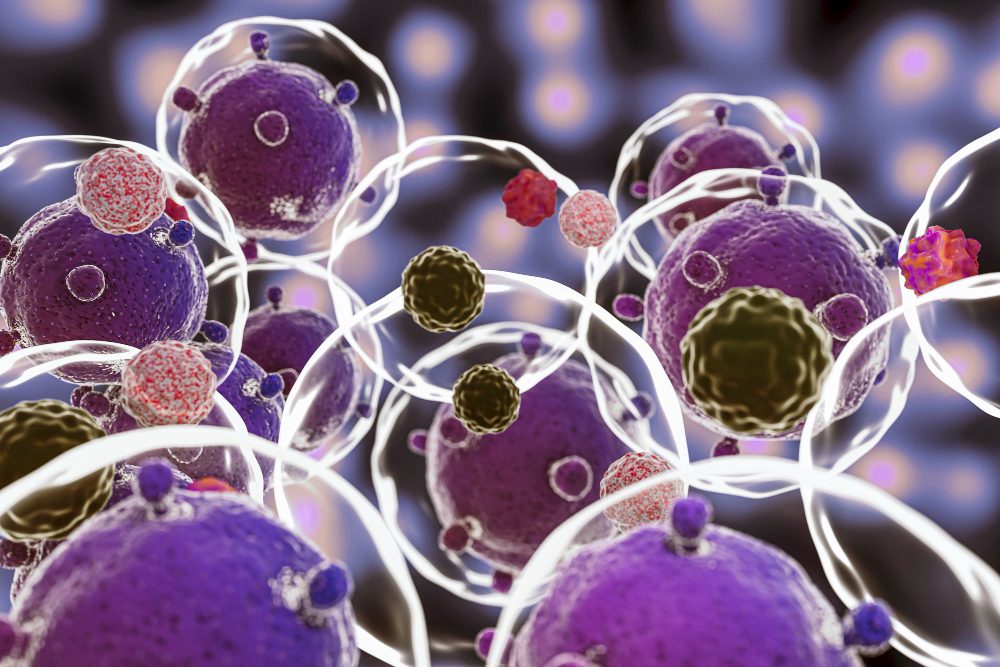
HPV and Cancer in the USA / यूएसए में एचपीवी और कैंसर
Human Papillomavirus (HPV) is arguably the most well-known virus-driven tumor agent globally, and its impact on HPV cancer USA statistics is substantial. Primarily recognized for its role in cervical cancer risk, HPV is responsible for nearly all cases of cervical cancer, a disease that, while declining due to screening and vaccination, still poses a significant health challenge. Beyond the cervix, high-risk HPV types are also implicated in a growing number of other cancers, including anal, oropharyngeal (throat), vaginal, vulvar, and penile cancers. The Centers for Disease Control and Prevention (CDC) estimates that HPV causes about 36,000 cancer cases in the U.S. each year. The persistent infection by high-risk HPV types leads to the expression of viral oncoproteins E6 and E7, which disrupt cell cycle regulation and inhibit tumor suppressor genes, paving the way for malignant transformation. Public health initiatives, particularly the HPV vaccination program, have been instrumental in combating the spread of these oncogenic strains, offering a powerful tool against future HPV cancer USA cases. The Deep Science Network actively promotes awareness regarding these preventive measures.
हिन्दी में: ह्यूमन पैपिलोमावायरस (एचपीवी) निस्संदेह विश्व स्तर पर सबसे प्रसिद्ध वायरस-जनित ट्यूमर एजेंट है, और अमेरिकी कैंसर आंकड़ों पर इसका प्रभाव काफी है। मुख्य रूप से गर्भाशय ग्रीवा के कैंसर के जोखिम में अपनी भूमिका के लिए पहचाना जाने वाला, एचपीवी गर्भाशय ग्रीवा के कैंसर के लगभग सभी मामलों के लिए जिम्मेदार है, एक ऐसी बीमारी जो स्क्रीनिंग और टीकाकरण के कारण घट रही है, फिर भी एक महत्वपूर्ण स्वास्थ्य चुनौती बनी हुई है। गर्भाशय ग्रीवा के अलावा, उच्च जोखिम वाले एचपीवी प्रकार अन्य कैंसरों की बढ़ती संख्या में भी शामिल हैं, जिनमें गुदा, ऑरोफरीन्जियल (गला), योनि, वल्वर और लिंग के कैंसर शामिल हैं। रोग नियंत्रण और रोकथाम केंद्र (सीडीसी) का अनुमान है कि एचपीवी हर साल अमेरिका में लगभग 36,000 कैंसर के मामलों का कारण बनता है। उच्च जोखिम वाले एचपीवी प्रकारों द्वारा लगातार संक्रमण से वायरल ऑन्कोप्रोटीन ई6 और ई7 की अभिव्यक्ति होती है, जो कोशिका चक्र विनियमन को बाधित करते हैं और ट्यूमर सप्रेसर जीन को रोकते हैं, जिससे घातक परिवर्तन का मार्ग प्रशस्त होता है। सार्वजनिक स्वास्थ्य पहल, विशेष रूप से एचपीवी टीकाकरण कार्यक्रम, इन ऑन्कोजेनिक उपभेदों के प्रसार का मुकाबला करने में सहायक रहे हैं, जो भविष्य के एचपीवी कैंसर यूएसए मामलों के खिलाफ एक शक्तिशाली उपकरण प्रदान करते हैं। डीप साइंस नेटवर्क इन निवारक उपायों के बारे में जागरूकता को सक्रिय रूप से बढ़ावा देता है।
EBV and its Cancer Links / ईबीवी और इसके कैंसर संबंध
The Epstein-Barr Virus (EBV), a ubiquitous human herpesvirus, is another significant contributor to virus-driven tumors and is increasingly recognized for its role in EBV linked cancers in the U.S. While most people contract EBV in childhood with mild or no symptoms, or later in life as infectious mononucleosis, for a subset of individuals, the virus can contribute to the development of several distinct malignancies. These include nasopharyngeal carcinoma (NPC), a rare but aggressive head and neck cancer, various lymphomas such as Burkitt lymphoma, Hodgkin lymphoma, and diffuse large B-cell lymphoma, as well as some gastric cancers. The exact mechanisms by which EBV drives oncogenesis are complex, involving latent infection and the expression of viral proteins that promote cell proliferation, inhibit apoptosis, and evade immune surveillance. Research into EBV linked cancers is ongoing, with scientists at the Deep Science Foundation exploring new avenues for diagnosis and treatment. The prevalence and impact of these cancers contribute to the overall U.S. cancer stats, underscoring the need for continued research and public health awareness regarding this widespread pathogen.
हिन्दी में: एपस्टीन-बार वायरस (ईबीवी), एक सर्वव्यापी मानव हर्पीसवायरस, वायरस-जनित ट्यूमर में एक और महत्वपूर्ण योगदानकर्ता है और यू.एस. में ईबीवी से जुड़े कैंसर में इसकी भूमिका के लिए तेजी से पहचाना जा रहा है। जबकि अधिकांश लोग बचपन में हल्के या बिना लक्षणों के साथ ईबीवी से संक्रमित होते हैं, या बाद में संक्रामक मोनोन्यूक्लिओसिस के रूप में, व्यक्तियों के एक उपसमूह के लिए, वायरस कई विशिष्ट घातक बीमारियों के विकास में योगदान कर सकता है। इनमें नासोफेरीन्जियल कार्सिनोमा (एनपीसी) शामिल है, जो एक दुर्लभ लेकिन आक्रामक सिर और गर्दन का कैंसर है, विभिन्न लिम्फोमा जैसे बर्किट लिम्फोमा, हॉजकिन लिम्फोमा, और डिफ्यूज लार्ज बी-सेल लिम्फोमा, साथ ही कुछ गैस्ट्रिक कैंसर भी। ईबीवी द्वारा ऑन्कोजेनेसिस को चलाने वाले सटीक तंत्र जटिल हैं, जिसमें अव्यक्त संक्रमण और वायरल प्रोटीन की अभिव्यक्ति शामिल है जो कोशिका प्रसार को बढ़ावा देते हैं, एपोप्टोसिस को रोकते हैं, और प्रतिरक्षा निगरानी से बचते हैं। ईबीवी से जुड़े कैंसर पर शोध जारी है, जिसमें डीप साइंस फाउंडेशन के वैज्ञानिक निदान और उपचार के लिए नए रास्ते तलाश रहे हैं। इन कैंसरों की व्यापकता और प्रभाव समग्र अमेरिकी कैंसर आंकड़ों में योगदान करते हैं, इस व्यापक रोगज़नक़ के संबंध में निरंतर अनुसंधान और सार्वजनिक स्वास्थ्य जागरूकता की आवश्यकता को रेखांकित करते हैं।
Mechanisms of Viral Oncogenesis / वायरल ऑन्कोजेनेसिस के तंत्र
The journey from viral infection to cancer development is a multi-step process, often requiring additional genetic mutations or environmental co-factors. For both HPV and EBV, the key lies in their ability to integrate their genetic material into the host cell's DNA or maintain it as an episome, leading to the sustained expression of viral oncoproteins. In HPV, E6 targets the p53 tumor suppressor protein for degradation, while E7 inactivates the retinoblastoma (Rb) protein, effectively releasing the brakes on cell division and promoting uncontrolled proliferation. These actions are central to cervical cancer risk and other HPV-related malignancies. Similarly, EBV expresses latent proteins (LMPs and EBNAs) that manipulate cell signaling pathways, promote B-cell immortalization, and protect infected cells from apoptosis. The chronic inflammation induced by these infections also plays a role, creating a microenvironment conducive to tumor growth. Understanding these intricate molecular mechanisms is vital for developing targeted therapies and preventative strategies against virus-driven tumors. The Deep Science Ethics framework guides our exploration into these complex biological processes, ensuring responsible scientific inquiry.
हिन्दी में: वायरल संक्रमण से कैंसर के विकास तक की यात्रा एक बहु-चरणीय प्रक्रिया है, जिसमें अक्सर अतिरिक्त आनुवंशिक उत्परिवर्तन या पर्यावरणीय सह-कारक की आवश्यकता होती है। एचपीवी और ईबीवी दोनों के लिए, कुंजी उनकी आनुवंशिक सामग्री को मेजबान कोशिका के डीएनए में एकीकृत करने या इसे एक एपिसोम के रूप में बनाए रखने की क्षमता में निहित है, जिससे वायरल ऑन्कोप्रोटीन की निरंतर अभिव्यक्ति होती है। एचपीवी में, ई6 पी53 ट्यूमर सप्रेसर प्रोटीन को क्षरण के लिए लक्षित करता है, जबकि ई7 रेटिनोब्लास्टोमा (आरबी) प्रोटीन को निष्क्रिय करता है, प्रभावी ढंग से कोशिका विभाजन पर ब्रेक जारी करता है और अनियंत्रित प्रसार को बढ़ावा देता है। ये क्रियाएं गर्भाशय ग्रीवा के कैंसर के जोखिम और अन्य एचपीवी-संबंधित घातक बीमारियों के लिए केंद्रीय हैं। इसी तरह, ईबीवी अव्यक्त प्रोटीन (एलएमपी और ईबीएनए) व्यक्त करता है जो कोशिका संकेत मार्गों में हेरफेर करते हैं, बी-सेल अमरता को बढ़ावा देते हैं, और संक्रमित कोशिकाओं को एपोप्टोसिस से बचाते हैं। इन संक्रमणों से प्रेरित पुरानी सूजन भी एक भूमिका निभाती है, जो ट्यूमर के विकास के लिए अनुकूल सूक्ष्म वातावरण बनाती है। इन जटिल आणविक तंत्रों को समझना वायरस-जनित ट्यूमर के खिलाफ लक्षित उपचार और निवारक रणनीतियों को विकसित करने के लिए महत्वपूर्ण है। डीप साइंस एथिक्स ढांचा इन जटिल जैविक प्रक्रियाओं में हमारी खोज का मार्गदर्शन करता है, जिससे जिम्मेदार वैज्ञानिक जांच सुनिश्चित होती है।
Public Health and Prevention Strategies / सार्वजनिक स्वास्थ्य और रोकथाम रणनीतियाँ
Given the significant contribution of HPV and EBV to U.S. cancer stats, public health initiatives are paramount. For HPV, the widespread adoption of vaccination programs for adolescents has been a monumental success, dramatically reducing the incidence of HPV infections and, consequently, the long-term cervical cancer risk and other HPV-associated cancers. Regular screening, such as Pap tests and HPV tests, remains critical for early detection and intervention, especially for cervical cancer. While a vaccine for EBV is still under development, strategies for managing EBV linked cancers focus on early diagnosis and treatment. Awareness campaigns about safe sexual practices and regular health check-ups also play a role in reducing overall cancer risk. The Deep Science Network actively participates in disseminating accurate information and promoting health literacy, emphasizing the importance of preventive care and understanding the link between viruses and cancer. Continued investment in research and public health infrastructure is essential to further mitigate the impact of these virus-driven tumors on the American population.
हिन्दी में: एचपीवी और ईबीवी के अमेरिकी कैंसर आंकड़ों में महत्वपूर्ण योगदान को देखते हुए, सार्वजनिक स्वास्थ्य पहल सर्वोपरि हैं। एचपीवी के लिए, किशोरों के लिए टीकाकरण कार्यक्रमों को व्यापक रूप से अपनाने से एक स्मारकीय सफलता मिली है, जिससे एचपीवी संक्रमणों की घटनाओं में नाटकीय रूप से कमी आई है और परिणामस्वरूप, गर्भाशय ग्रीवा के कैंसर के जोखिम और अन्य एचपीवी-संबंधित कैंसर में दीर्घकालिक कमी आई है। नियमित स्क्रीनिंग, जैसे कि पैप टेस्ट और एचपीवी टेस्ट, विशेष रूप से गर्भाशय ग्रीवा के कैंसर के लिए, शीघ्र पता लगाने और हस्तक्षेप के लिए महत्वपूर्ण बनी हुई है। जबकि ईबीवी के लिए एक टीका अभी भी विकास के अधीन है, ईबीवी से जुड़े कैंसर के प्रबंधन के लिए रणनीतियाँ शीघ्र निदान और उपचार पर ध्यान केंद्रित करती हैं। सुरक्षित यौन प्रथाओं और नियमित स्वास्थ्य जांच के बारे में जागरूकता अभियान भी समग्र कैंसर के जोखिम को कम करने में भूमिका निभाते हैं। डीप साइंस नेटवर्क सटीक जानकारी फैलाने और स्वास्थ्य साक्षरता को बढ़ावा देने में सक्रिय रूप से भाग लेता है, जो निवारक देखभाल और वायरस और कैंसर के बीच संबंध को समझने के महत्व पर जोर देता है। अमेरिकी आबादी पर इन वायरस-जनित ट्यूमर के प्रभाव को और कम करने के लिए अनुसंधान और सार्वजनिक स्वास्थ्य बुनियादी ढांचे में निरंतर निवेश आवश्यक है।
The Role of Research and Future Outlook / अनुसंधान और भविष्य की संभावनाएं
The ongoing research efforts by institutions like the Deep Science Foundation are pivotal in unraveling the complexities of virus-driven tumors and developing advanced strategies. Scientists are exploring novel antiviral therapies that specifically target viral proteins, immunotherapies that harness the body's own immune system to fight infected cells, and improved diagnostic tools for earlier and more accurate detection of HPV cancer USA and EBV linked cancers. Genomic sequencing and bioinformatics are providing unprecedented insights into the genetic mutations that collaborate with viral infections to drive oncogenesis. Furthermore, understanding the interplay between host genetics, viral strains, and environmental factors will allow for more personalized risk assessments and prevention strategies. The commitment to Deep Science Ethics ensures that these research endeavors are conducted with the highest standards of integrity and a focus on patient benefit. The future of cancer prevention and treatment in the U.S. will undoubtedly be shaped by continued breakthroughs in viral oncology, offering hope for a significant reduction in the burden of these virally induced malignancies.
हिन्दी में: डीप साइंस फाउंडेशन जैसे संस्थानों द्वारा चल रहे शोध प्रयास वायरस-जनित ट्यूमर की जटिलताओं को सुलझाने और उन्नत रणनीतियों को विकसित करने में महत्वपूर्ण हैं। वैज्ञानिक उपन्यास एंटीवायरल थेरेपी की खोज कर रहे हैं जो विशेष रूप से वायरल प्रोटीन को लक्षित करते हैं, इम्यूनोथेरेपी जो शरीर की अपनी प्रतिरक्षा प्रणाली का उपयोग संक्रमित कोशिकाओं से लड़ने के लिए करती हैं, और एचपीवी कैंसर यूएसए और ईबीवी से जुड़े कैंसर का शीघ्र और अधिक सटीक पता लगाने के लिए बेहतर नैदानिक उपकरण। जीनोमिक अनुक्रमण और बायोइनफॉरमैटिक्स आनुवंशिक उत्परिवर्तन में अभूतपूर्व अंतर्दृष्टि प्रदान कर रहे हैं जो ऑन्कोजेनेसिस को चलाने के लिए वायरल संक्रमण के साथ सहयोग करते हैं। इसके अलावा, मेजबान आनुवंशिकी, वायरल उपभेदों और पर्यावरणीय कारकों के बीच अंतःक्रिया को समझने से अधिक व्यक्तिगत जोखिम आकलन और रोकथाम रणनीतियों की अनुमति मिलेगी। डीप साइंस एथिक्स के प्रति प्रतिबद्धता यह सुनिश्चित करती है कि ये शोध प्रयास उच्चतम स्तर की अखंडता और रोगी लाभ पर ध्यान केंद्रित करके किए जाएं। यू.एस. में कैंसर की रोकथाम और उपचार का भविष्य निस्संदेह वायरल ऑन्कोलॉजी में निरंतर सफलताओं से आकार लेगा, जो इन वायरल रूप से प्रेरित घातक बीमारियों के बोझ में महत्वपूर्ण कमी की आशा प्रदान करेगा।
Conclusion / निष्कर्ष
In conclusion, Human Papillomavirus and Epstein-Barr Virus represent two of the most impactful viral agents contributing to U.S. cancer stats. From cervical cancer risk to nasopharyngeal carcinoma and various lymphomas, the spectrum of virus-driven tumors linked to these pathogens is broad and significant. While prevention through vaccination has shown remarkable success for HPV, ongoing research is critical for developing similar safeguards against EBV and for improving treatments for existing EBV linked cancers. The collective efforts of public health organizations, researchers, and medical professionals, often supported by entities like the Deep Science Network, are essential in mitigating the burden of these virally induced cancers. By continuing to invest in viral oncology and adhering to principles of Deep Science Ethics, we can look forward to a future with fewer cancer diagnoses and improved outcomes for those affected by these insidious diseases.
हिन्दी में: निष्कर्षतः, ह्यूमन पैपिलोमावायरस और एपस्टीन-बार वायरस अमेरिकी कैंसर आंकड़ों में योगदान करने वाले दो सबसे प्रभावशाली वायरल एजेंटों का प्रतिनिधित्व करते हैं। गर्भाशय ग्रीवा के कैंसर के जोखिम से लेकर नासोफेरीन्जियल कार्सिनोमा और विभिन्न लिम्फोमा तक, इन रोगजनकों से जुड़े वायरस-जनित ट्यूमर का स्पेक्ट्रम व्यापक और महत्वपूर्ण है। जबकि टीकाकरण के माध्यम से रोकथाम ने एचपीवी के लिए उल्लेखनीय सफलता दिखाई है, ईबीवी के खिलाफ इसी तरह के सुरक्षा उपायों को विकसित करने और मौजूदा ईबीवी से जुड़े कैंसर के लिए उपचार में सुधार के लिए चल रहा शोध महत्वपूर्ण है। सार्वजनिक स्वास्थ्य संगठनों, शोधकर्ताओं और चिकित्सा पेशेवरों के सामूहिक प्रयास, अक्सर डीप साइंस नेटवर्क जैसी संस्थाओं द्वारा समर्थित, इन वायरल रूप से प्रेरित कैंसर के बोझ को कम करने में आवश्यक हैं। वायरल ऑन्कोलॉजी में निवेश जारी रखकर और डीप साइंस एथिक्स के सिद्धांतों का पालन करके, हम कम कैंसर निदान और इन कपटी बीमारियों से प्रभावित लोगों के लिए बेहतर परिणामों के साथ एक भविष्य की उम्मीद कर सकते हैं।