
Master Cancer Cell Culture Techniques: Advancing Research and Therapy
In the relentless global fight against cancer, breakthroughs hinge on our fundamental understanding of disease mechanisms and the development of effective treatments. At the heart of this pursuit lies cancer cell culture techniques – an indispensable tool that allows scientists to study cancer in a controlled laboratory environment. These techniques are not merely about growing cells; they are about meticulously replicating the complex biological processes of tumors, enabling researchers to unravel genetic mutations, test novel therapies, and identify crucial biomarkers. The precision and reliability of these methods directly impact the success of cancer research, paving the way for revolutionary advancements in cancer therapy.
This comprehensive guide delves into the intricate world of cancer cell culture, exploring its foundational principles, advanced methodologies, and critical applications in modern oncology. We will uncover how mastering these techniques, combined with cutting-edge biotechnology and sophisticated lab equipment, accelerates drug discovery and propels us closer to a future where cancer is a manageable, if not curable, disease. Join us as we explore the vital role of cell culture in transforming theoretical knowledge into tangible therapeutic solutions.
The Unseen Battle: Why Cancer Cell Culture Matters
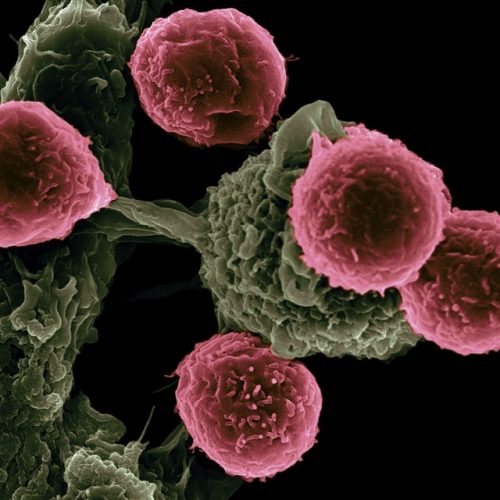
Cancer cell culture provides a vital in vitro model that bridges the gap between theoretical knowledge and clinical application. Unlike in vivo animal models, cell cultures offer a simplified, controllable system to isolate specific variables, making them ideal for studying cellular behavior, genetic alterations, and drug responses. This controlled environment is paramount for initial screenings in drug discovery, allowing researchers to quickly assess the efficacy and toxicity of potential therapeutic compounds before moving to more complex and costly animal studies. The ability to maintain and manipulate various cancer cell lines, each representing different tumor types and genetic backgrounds, is a cornerstone of personalized cancer therapy research.
Foundations of Excellence: Mastering Basic Cell Culture
Before delving into advanced applications, a solid grasp of fundamental cell culture principles is essential. This includes understanding sterile techniques, media preparation, cell line maintenance, cryopreservation, and cell counting. Aseptic technique is non-negotiable to prevent contamination, which can compromise entire experiments and lead to unreliable data in cancer research. Proper media selection, enriched with essential nutrients and growth factors, ensures optimal cell proliferation and viability. Furthermore, routine monitoring for mycopplasma contamination and genetic drift is crucial to maintain the integrity and relevance of cancer cell lines for long-term studies in molecular biology and oncology.
Beyond 2D: Advanced Techniques for Complex Insights
While traditional 2D monolayer cultures have been invaluable, they often fail to replicate the complex microenvironment of a tumor. Advanced cancer cell culture techniques are addressing this limitation. 3D cell cultures, such as spheroids and organoids, more closely mimic in vivo tumor architecture, cell-cell interactions, and oxygen/nutrient gradients. These models are increasingly used for more accurate drug discovery screening and studying tumor heterogeneity. Co-culture systems, involving cancer cells and stromal cells (e.g., fibroblasts, immune cells), provide insights into the tumor microenvironment's influence on cancer progression and response to cancer therapy. These sophisticated approaches, powered by advancements in biotechnology, offer a more physiologically relevant platform for understanding complex disease mechanisms.
Translating Discoveries: Applications in Drug Discovery and Gene Therapy
The applications of sophisticated cancer cell culture techniques are vast and transformative. In drug discovery, high-throughput screening of compound libraries on various cancer cell lines identifies promising candidates that selectively target cancer cells. This accelerates the pipeline for new cancer therapy agents. Furthermore, cell culture models are indispensable for validating targets identified through genomic and proteomic studies. For gene therapy, cell culture is used to engineer viral vectors for gene delivery, assess gene editing efficiency using tools like CRISPR-Cas9, and evaluate the functional impact of genetic modifications on cancer cells. The ability to precisely manipulate genes in vitro is revolutionizing our approach to treating genetic components of cancer, a significant leap forward in molecular biology applied to medicine.
Navigating Challenges: Ensuring Reproducibility and Purity
Despite their immense utility, cancer cell culture techniques come with inherent challenges. Contamination, whether microbial or cross-contamination from other cell lines, remains a persistent threat. Rigorous aseptic practices, regular testing, and proper cell line authentication are vital to ensure the purity and identity of cell lines. Reproducibility is another critical aspect; variations in culture conditions, media batches, or operator technique can lead to inconsistent results. Standardization of protocols, meticulous record-keeping, and quality control are paramount to generating reliable data for cancer research and ensuring that findings can be validated by other laboratories globally. This commitment to quality is what distinguishes impactful scientific work.
The Power of Tools: Essential Lab Equipment in Cancer Research
The success of advanced cancer cell culture techniques is heavily reliant on state-of-the-art lab equipment. Laminar flow hoods provide sterile working environments, CO2 incubators maintain optimal pH and temperature, and centrifuges are essential for cell separation. Advanced microscopy, including fluorescence and confocal microscopy, allows for detailed visualization of cellular processes and interactions. Flow cytometers enable precise analysis of cell populations and biomarker expression. Automated cell counters and plate readers enhance efficiency in high-throughput experiments. The continuous innovation in biotechnology drives the development of more sophisticated equipment, making complex experiments more feasible and reliable, thereby accelerating progress in oncology.
The Future is Now: Personalized Medicine and Precision Oncology
The evolution of cancer cell culture techniques is closely intertwined with the advent of personalized medicine. Patient-derived organoids (PDOs) and xenografts (PDXs) grown in culture are increasingly used to model individual patient tumors, allowing for ex vivo drug sensitivity testing. This approach promises to guide clinical decisions, ensuring that patients receive the most effective cancer therapy tailored to their specific tumor profile. The integration of artificial intelligence and machine learning with high-throughput cell culture data analysis is also opening new avenues for identifying novel biomarkers and predicting treatment responses. This convergence of technologies underscores the dynamic and evolving nature of modern cancer research.
Empowering Researchers: Deep Science Workshops and Implementation
Mastering these complex methodologies requires specialized training and practical experience. This is where initiatives like Deep Science Workshops and Deep Science Implementation play a crucial role. These programs are designed to equip aspiring and established researchers with the hands-on skills and theoretical knowledge necessary to excel in the field of cancer research. From fundamental sterile techniques to advanced 3D culture models and the effective utilization of sophisticated lab equipment, these workshops provide comprehensive training. They foster a deep understanding of molecular biology principles and their application in developing innovative cancer therapy strategies, ensuring the next generation of scientists is well-prepared to tackle the challenges of oncology.
Whether you are looking to refine your existing skills or embark on a new journey in the exciting domain of cancer therapeutics, specialized training can provide the edge you need. Explore opportunities to enhance your expertise and contribute meaningfully to the fight against cancer.