
The landscape of modern medicine is being revolutionized by the promise of stem cell therapy. This cutting-edge field offers unprecedented hope for treating a myriad of debilitating diseases, from neurodegenerative disorders to cardiovascular conditions and autoimmune diseases. However, translating this immense potential into safe and effective clinical applications hinges critically on robust clinical trial design and methodology. Without meticulously planned and executed studies, the groundbreaking work in stem cell research cannot reliably transition from the laboratory bench to patient bedsides. This article aims to explore clinical trial design and methodology for stem cell therapy, providing an in-depth look at the scientific rigor, ethical considerations, and regulatory pathways essential for advancing this transformative area of regenerative medicine.
The journey of a novel cell therapy from discovery to widespread clinical use is long and complex, fraught with challenges that demand a deep understanding of scientific principles and regulatory frameworks. It requires an interdisciplinary approach, integrating expertise from biology, medicine, engineering, and statistics. As the field of biotechnology continues to evolve at a rapid pace, so too must our strategies for evaluating new treatments. Understanding the nuances of trial phases, patient selection, endpoint definition, and safety monitoring is not just academic; it is fundamental to ensuring patient safety and accelerating the delivery of truly effective therapies.
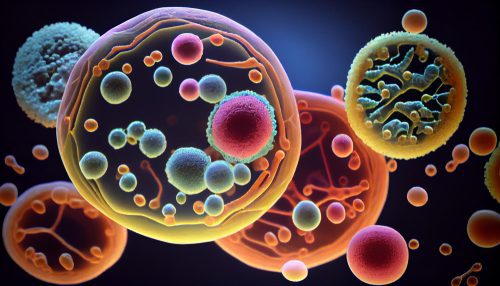
At the heart of this revolution are stem cells – remarkable biological cells capable of self-renewal and differentiation into specialized cell types. Their unique properties make them ideal candidates for regenerative medicine, where the goal is to repair, replace, or regenerate damaged tissues and organs. From embryonic pluripotent cells to adult mesenchymal stromal cells, each type presents distinct advantages and challenges for therapeutic application. The therapeutic potential spans a vast array of conditions, fueling intense scientific research efforts globally, pushing the boundaries of what is medically possible.
Before any stem cell therapy can be approved for widespread use, it must undergo rigorous evaluation through a series of clinical studies. These trials are designed to answer critical questions about safety, efficacy, and optimal dosage. Unlike conventional drug development, cell-based therapies introduce unique challenges related to cell viability, immunogenicity, and long-term engraftment. Therefore, the clinical trial design and methodology must be meticulously tailored to address these specific considerations. The data collected from these studies provides the scientific evidence necessary for regulatory bodies to determine whether a therapy is safe and effective for patients. This systematic approach is critical to prevent unproven and potentially harmful treatments from reaching the public, safeguarding both patient health and the integrity of legitimate stem cell research.
The journey of a cell therapy through clinical trials typically follows a structured, multi-phase process:
Effective clinical trial design and methodology for stem cell therapy demand careful attention to several critical aspects:
The rapid advancements in biotechnology, particularly in stem cell research and gene therapy, necessitate a robust ethical and regulatory framework. Regulatory bodies worldwide, such as the FDA in the US and EMA in Europe, play a crucial role in overseeing the development and approval of these therapies. Ethical considerations, including informed consent, patient autonomy, and equitable access, are paramount. The intersection of gene therapy with these cellular approaches introduces additional layers of complexity, requiring careful consideration of long-term genetic alterations and off-target effects. Adherence to Good Manufacturing Practices (GMP) and Good Clinical Practices (GCP) is non-negotiable to ensure the quality, safety, and integrity of the therapeutic product and the trial process.
Despite the immense promise, stem cell therapy faces several challenges. These include ensuring cell survival and engraftment, managing potential immunogenicity, standardizing manufacturing processes, and overcoming the high cost of development. The long-term safety and efficacy data are still accumulating for many therapies, requiring extended follow-up studies. Moreover, the transition from laboratory research to scalable clinical production highlights the importance of efficient bioprocessing techniques. Future directions in this field involve leveraging artificial intelligence for trial design optimization, developing more sophisticated gene editing tools for enhanced therapeutic precision, and exploring personalized medicine approaches where therapies are tailored to individual patient profiles. The integration of advanced imaging and non-invasive monitoring techniques will also revolutionize how we track transplanted cells and assess their therapeutic impact.
To navigate the complexities of this evolving field, continuous learning and specialized training are indispensable. Programs like those offered by Deep Science Workshops are designed to equip aspiring researchers and professionals with the critical knowledge and practical skills required for successful engagement in stem cell research and clinical trial design and methodology. These workshops provide hands-on experience and in-depth theoretical understanding, bridging the gap between academic knowledge and real-world application. Furthermore, initiatives focused on Deep Science Implementation are vital for translating groundbreaking discoveries into tangible therapeutic solutions, ensuring that the innovations in biotechnology reach those who need them most. Such platforms foster collaboration and accelerate the pace of development in drug discovery and advanced therapies.
The journey from fundamental stem cell research to approved cell therapy is a testament to human ingenuity and perseverance. It demands not only scientific brilliance but also meticulous planning, ethical integrity, and a deep understanding of regulatory pathways. By mastering the principles of clinical trial design and methodology, we can unlock the full potential of stem cell therapy, bringing forth a new era of healing and hope.
Are you ready to be at the forefront of this scientific revolution? Enhance your expertise and contribute to the future of regenerative medicine.
Join Now