
Mastering Data in Cancer Research: A Deep Dive into Biotechnology's Role
The fight against cancer is one of humanity's most pressing challenges, and at its heart lies an explosion of data. From genomic sequencing to clinical trial results, the sheer volume of information generated in modern cancer research is staggering. Effectively managing this intricate web of data is not just an administrative task; it is a critical determinant of success in developing groundbreaking cancer therapies and understanding the complex mechanisms of the disease. This article delves into the indispensable role of robust cancer research data management, highlighting how advancements in biotechnology are revolutionizing our approach to diagnosis, treatment, and prevention.
In an era where personalized medicine is becoming a reality, the ability to collect, process, analyze, and interpret vast datasets is paramount. This includes everything from patient demographic information and treatment histories to high-throughput molecular data and imaging results. Without sophisticated data management strategies, the potential of cutting-edge fields like gene editing, stem cell research, and innovative drug discovery would remain largely untapped. As we navigate the complexities of molecular biology and its implications for human health, the imperative to manage data efficiently becomes clearer than ever.
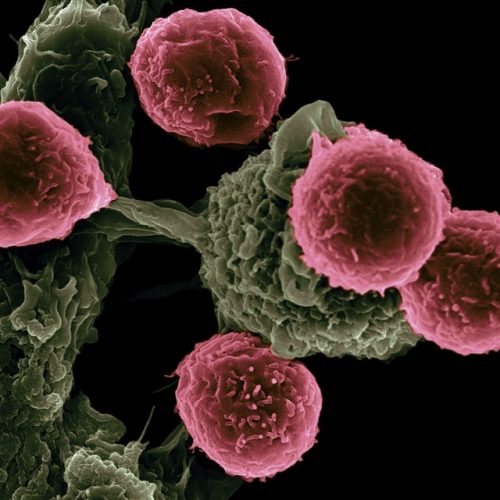
The Data Deluge in Cancer Research: Challenges and Opportunities
Modern cancer research generates petabytes of data annually. This includes genomic data from tumor sequencing, proteomic profiles, metabolomic insights, detailed patient clinical records, and outcomes from extensive clinical trials. The challenge lies not just in storing this data, but in making it interoperable, accessible, and analyzable across different platforms and institutions. Poor data management can lead to duplicated efforts, lost insights, and delayed breakthroughs in cancer therapy.
However, this data deluge also presents immense opportunities. With proper cancer research data management, scientists can identify subtle patterns, correlate genetic mutations with treatment responses, and predict patient outcomes with greater accuracy. This facilitates the development of highly targeted therapies, moving away from a one-size-fits-all approach. The integration of artificial intelligence and machine learning further enhances our ability to derive meaningful conclusions from these complex datasets, accelerating the pace of drug discovery and informing new directions for molecular biology studies.
Biotechnology's Pivotal Role in Advancing Cancer Therapy
Biotechnology stands at the forefront of innovation in combating cancer. Techniques like gene editing, particularly CRISPR-Cas9, are revolutionizing our ability to precisely modify genes associated with cancer development and progression. This opens new avenues for therapeutic interventions, including correcting genetic defects or engineering immune cells to target cancer more effectively. The ethical and practical implications of such powerful tools necessitate meticulous data handling and rigorous reporting of experimental results, underscoring the importance of robust cancer research data management.
Beyond gene editing, stem cell research offers promising avenues for understanding cancer origins and developing regenerative therapies. By studying cancer stem cells, researchers gain insights into tumor initiation, metastasis, and recurrence. Data from these studies, often complex and multi-dimensional, requires specialized management systems to ensure its utility and reproducibility. Furthermore, the advancements in lab equipment used in biotechnology labs, from high-throughput sequencers to advanced microscopy, contribute significantly to the volume and complexity of data, demanding sophisticated data pipelines.
The journey from laboratory discovery to approved cancer treatments is long and arduous, heavily reliant on successful clinical trials. These trials generate vast amounts of patient data, including safety profiles, efficacy measurements, and biomarker responses. Effective data management is absolutely critical for the integrity and success of these trials, ensuring regulatory compliance and the accurate assessment of new treatments. Professionals in biotechnology jobs specializing in clinical data management play a vital role in this process.
Career Pathways and Professional Development in Biotechnology
The growing reliance on data in cancer research has created a burgeoning demand for skilled professionals. Biotechnology jobs are no longer confined to traditional lab roles; they now encompass bioinformatics specialists, data scientists, clinical data managers, and computational biologists. These roles require a unique blend of biological understanding and computational prowess, emphasizing the need for continuous learning and skill development.
Attending biotech conferences is an excellent way to stay abreast of the latest trends and network with peers. These events often showcase cutting-edge research in cancer therapy, new developments in gene editing, and breakthroughs in drug discovery. They also provide platforms for discussing best practices in cancer research data management and exploring new opportunities within the field of molecular biology.
For those looking to deepen their expertise, specialized training programs are invaluable. Organizations like Deep Science Workshops and Deep Science Implementation offer targeted courses designed to equip aspiring and current professionals with the practical skills needed to excel. Their programs often cover advanced topics in molecular biology, experimental design, and, crucially, the effective management and analysis of large biological datasets. This hands-on training is essential for bridging the gap between theoretical knowledge and real-world application in cancer research.
The Future of Cancer Research: Data-Driven Discoveries
The future of cancer research is undeniably data-driven. As technologies like single-cell sequencing, spatial transcriptomics, and advanced imaging become more commonplace, the volume and granularity of data will only increase. This necessitates even more sophisticated approaches to cancer research data management, including cloud-based solutions, federated data networks, and standardized data formats.
The synergy between molecular biology, advanced computational methods, and robust data infrastructure will accelerate the pace of drug discovery and lead to more effective cancer therapies. Imagine a future where patient data, combined with insights from large-scale genomic studies and real-time monitoring during clinical trials, allows for truly personalized treatment regimens. This vision is within reach, provided we continue to invest in both the technological infrastructure and the human capital required for superior cancer research data management.
The role of institutions like Deep Science Workshops and their commitment to Deep Science Implementation cannot be overstated. By providing practical, industry-relevant training, they are cultivating the next generation of scientists and data professionals who will drive these advancements. Their focus on the practical application of theoretical knowledge ensures that graduates are well-prepared for the challenges and opportunities in this dynamic field, contributing directly to breakthroughs in cancer treatment and beyond.
Frequently Asked Questions (FAQs)
Why is data management crucial in cancer research?
Effective cancer research data management ensures the accuracy, integrity, and accessibility of vast datasets generated from genomics, proteomics, clinical trials, and patient records. This is vital for identifying patterns, validating hypotheses, and accelerating the development of new cancer therapies and diagnostic tools.
How does biotechnology contribute to advancements in cancer therapy?
Biotechnology drives innovation in cancer therapy through gene editing technologies like CRISPR, the development of targeted drug discovery methods, advancements in stem cell research for regenerative medicine, and the creation of novel immunotherapies. It provides the tools and understanding to combat cancer at a molecular biology level.
What career opportunities exist in biotechnology related to cancer research?
The field offers diverse biotechnology jobs, including roles in bioinformatics, clinical data management, research and development, lab equipment specialization, molecular biology, and clinical trials coordination. Professionals with expertise in data analysis and biotechnological techniques are highly sought after.
Where can I learn more about the molecular basis of cancer therapeutics?
For in-depth knowledge and practical skills, consider specialized programs and workshops. Deep Science Workshops and Deep Science Implementation offer comprehensive training, such as their 'Molecular Basis of Cancer Therapeutics and Targets' program, which provides hands-on experience and theoretical understanding essential for careers in cancer research.