
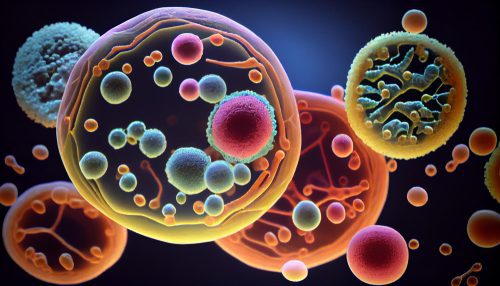
The Unparalleled Promise of iPSCs in Regenerative Medicine
Induced Pluripotent Stem Cells (iPSCs) have emerged as a game-changer since their discovery by Shinya Yamanaka. Unlike embryonic stem cells, iPSCs can be generated from adult somatic cells, bypassing ethical concerns and offering a patient-specific approach to therapy. This inherent advantage makes them ideal candidates for personalized medicine, where a patient's own cells can be reprogrammed, corrected for genetic defects, and then used to regenerate damaged tissues or organs. The applications of iPSCs in regenerative medicine are vast and continually expanding, covering areas such as:
- Disease Modeling: Creating patient-specific cellular models to study disease progression and test potential therapeutics.
- Drug Discovery and Toxicology: Developing human-relevant assays for drug screening, reducing reliance on animal models.
- Cell Therapy: Differentiating iPSCs into specific cell types (e.g., neurons, cardiomyocytes, pancreatic beta cells) for transplantation to replace diseased or damaged cells.
- Tissue Engineering: Building complex 3D tissue constructs for research or transplantation.
The potential of iPSCs to revolutionize treatments for conditions like Parkinson's disease, diabetes, heart failure, and spinal cord injuries is immense. However, realizing this potential hinges on the ability to effectively culture and expand these delicate cells while maintaining their pluripotency and genetic integrity. This is where mastering iPSC culture and expansion techniques becomes paramount.
Core iPSC Culture and Expansion Protocols: A Foundation for Success
Successful iPSC culture is an art and a science, demanding precision, sterile technique, and an understanding of cellular requirements. The journey begins with the initial reprogramming of somatic cells, typically fibroblasts or blood cells, into a pluripotent state. Once reprogrammed, the maintenance and expansion of iPSCs require specific protocols to ensure their stability and functionality. Key aspects of iPSC culture and expansion protocols include:
Feeder-Free Culture Systems: The Modern Standard
Early iPSC culture relied on feeder cells (e.g., mouse embryonic fibroblasts) to provide essential growth factors. However, modern approaches predominantly utilize feeder-free systems, which offer greater consistency, reduce contamination risks, and simplify regulatory approval for clinical applications. These systems typically involve specialized extracellular matrix coatings (like Matrigel or vitronectin) and chemically defined media that provide all necessary nutrients and growth factors for robust iPSC growth. Deep Science Workshops emphasize these advanced, scalable methods for efficient iPSC expansion.
Optimized Media Formulations and Supplements
The choice of cell culture media is critical. Commercial media like mTeSR™1, Essential 8™, or StemFlex™ are designed to support long-term iPSC maintenance. These media are often supplemented with growth factors such as bFGF, TGF-β, and inhibitors of specific signaling pathways (e.g., ROCK inhibitor) to promote cell survival during passaging. Understanding the role of each component is vital for troubleshooting and optimizing culture conditions.
Passaging Techniques: Maintaining Healthy Cultures
iPSCs typically grow in colonies and need to be passaged regularly to prevent overcrowding and differentiation. Two primary methods are employed:
- Enzymatic Passaging: Using enzymes like Accutase or Dispase to dissociate cell colonies into single cells or small clumps. This method allows for precise cell counting and seeding.
- Mechanical Passaging: Manually cutting colonies into smaller pieces using a sterile needle or cell scraper. This method is gentler and can help maintain colony integrity, reducing stress on the cells.
Proper timing and gentle handling during passaging are crucial to prevent spontaneous differentiation and maintain high viability. Deep Science Implementation ensures participants gain hands-on experience with both methods.
Cryopreservation and Thawing
Long-term storage of iPSC lines is achieved through cryopreservation. This involves freezing cells slowly in a cryoprotective agent (e.g., DMSO) to minimize ice crystal formation. Proper thawing procedures are equally important to ensure high cell viability and recovery. A rapid thaw followed by gentle dilution of the cryoprotectant is generally recommended.
Quality Control and Characterization
Maintaining the pluripotency and genetic stability of iPSCs throughout culture and expansion is paramount. Rigorous quality control measures include:
- Morphological Assessment: Regular microscopic observation for typical iPSC colony morphology (compact, sharp borders, high nucleus-to-cytoplasm ratio).
- Pluripotency Marker Expression: Immunostaining or flow cytometry for markers like Oct4, Sox2, Nanog, SSEA-4, and Tra-1-60.
- Karyotyping: To detect chromosomal abnormalities that can arise during prolonged culture.
- Teratoma Formation Assay: The gold standard for demonstrating pluripotency in vivo.
- Directed Differentiation Assays: To confirm the ability of iPSCs to differentiate into cells of all three germ layers.
These stringent checks are indispensable for ensuring the quality and reliability of iPSC lines for downstream applications in regenerative medicine.
Advanced Applications: Bioprinting, Gene Therapy, and 3D Cell Culture
The utility of iPSCs extends far beyond basic cell culture. When combined with advanced technologies, their potential for therapeutic breakthroughs multiplies exponentially.
Bioprinting: Engineering Tissues and Organs
Bioprinting is an additive manufacturing technique that uses "bio-inks" containing living cells (including iPSCs) and biomaterials to create complex 3D structures. This technology is revolutionizing tissue engineering by enabling the fabrication of functional tissues and even organs layer by layer. For instance, iPSC-derived cardiomyocytes can be bioprinted to create cardiac patches for heart repair, or iPSC-derived hepatocytes for liver models. The precision and reproducibility offered by bioprinting are critical for developing patient-specific implants and advanced in vitro disease models.
Gene Therapy and CRISPR: Correcting Genetic Defects
Gene therapy, particularly with the advent of CRISPR-Cas9 technology, offers a powerful means to correct genetic mutations in iPSCs. For patients with genetic disorders, iPSCs can be reprogrammed from their somatic cells, corrected using CRISPR, and then differentiated into healthy cells for autologous transplantation. This approach avoids immune rejection and provides a permanent cure for monogenic diseases. CRISPR can also be used to engineer iPSCs with enhanced properties, such as resistance to certain diseases or improved integration into host tissues, further advancing cell therapy applications.
3D Cell Culture: Mimicking In Vivo Environments
Traditional 2D cell culture often fails to replicate the complex cellular interactions and microenvironments found in vivo. 3D cell culture systems, such as spheroids, organoids, and hydrogel-based cultures, provide a more physiologically relevant environment for iPSCs and their derivatives. iPSC-derived organoids, for example, are miniature, self-organizing 3D structures that mimic the architecture and function of actual organs (e.g., brain organoids, gut organoids). These models are invaluable for studying developmental biology, disease mechanisms, and drug efficacy with higher accuracy, bridging the gap between in vitro and in vivo studies.
The Role of Bioreactors and Cell Therapy Scale-Up
For iPSC-based therapies to move from the lab to the clinic, efficient and scalable cell production is essential. This is where bioreactors play a pivotal role.
Bioreactors for Large-Scale iPSC Expansion
Bioreactors provide a controlled environment for the large-scale expansion of iPSCs, ensuring high cell yields while maintaining quality. Different types of bioreactors, such as stirred-tank bioreactors, hollow fiber bioreactors, and fixed-bed bioreactors, are being adapted for iPSC culture. These systems allow for precise control over parameters like pH, dissolved oxygen, temperature, and nutrient supply, optimizing growth conditions and reducing manual labor. The transition from static culture plates to automated bioreactor systems is a crucial step for the industrialization of cell therapy.
Navigating Cell Therapy Development
Cell therapy involves the transplantation of living cells to treat or prevent a disease. iPSC-derived cells are at the forefront of this field. Developing iPSC-based cell therapies requires navigating complex regulatory pathways, ensuring Good Manufacturing Practice (GMP) compliance, and conducting rigorous preclinical and clinical trials. From quality control of the starting iPSC material to the safety and efficacy of the final differentiated cell product, every step is critical. Deep Science Workshops provide insights into the practical aspects of scaling up iPSC production for therapeutic applications, aligning with the principles of Deep Science Implementation.
CRISPR and Genetic Engineering: Precision Tools for iPSC Innovation
The revolutionary CRISPR-Cas9 system has transformed the landscape of genetic engineering, offering unprecedented precision in modifying DNA. In the context of iPSCs, CRISPR enables scientists to:
- Correct Disease-Causing Mutations: Edit out or replace faulty genes in patient-derived iPSCs, creating genetically corrected cells for autologous transplantation. This is particularly promising for diseases like cystic fibrosis, sickle cell anemia, and Huntington's disease.
- Introduce Reporter Genes: Insert genes that allow for tracking of iPSCs or their differentiated progeny, aiding in research and development.
- Engineer Disease Models: Introduce specific mutations into healthy iPSCs to create in vitro models of genetic diseases, facilitating drug discovery and understanding disease pathogenesis.
- Enhance Therapeutic Efficacy: Modify iPSCs to improve their survival, integration, or functional capabilities after transplantation.
The combination of iPSCs and CRISPR represents a powerful synergy, accelerating the development of novel cell and gene therapies and pushing the boundaries of regenerative medicine. Mastering CRISPR techniques alongside iPSC culture is becoming increasingly vital for cutting-edge research and development.
Challenges and Future Outlook in iPSC Research
Despite the immense promise, the field of iPSC research faces several challenges. These include ensuring the genetic stability of iPSCs over long-term culture, preventing tumorigenicity of transplanted cells, standardizing culture protocols across different labs, and reducing the cost of large-scale production. Overcoming these hurdles requires continuous innovation and collaborative efforts.
The future of iPSC technology is incredibly bright. We can anticipate further advancements in:
- Automated Culture Systems: Robotics and AI will streamline iPSC production, increasing efficiency and reproducibility.
- In Vivo Reprogramming: Direct reprogramming of cells within the body to regenerate tissues, potentially eliminating the need for ex vivo cell expansion.
- Advanced Gene Editing Tools: Newer, even more precise gene editing technologies beyond CRISPR.
- Clinical Trials Expansion: A growing number of clinical trials using iPSC-derived cells for various diseases.
The journey from discovery to widespread clinical application is ongoing, and those equipped with the right skills will be at the forefront of this transformative era.
Empower Your Research with Deep Science Workshops
The complexities of iPSC culture and expansion, coupled with the rapid evolution of regenerative medicine, necessitate specialized training. At Deep Science Workshops, we are committed to providing comprehensive, hands-on programs that empower scientists and researchers to master these critical techniques. Our workshops are meticulously designed to cover everything from fundamental cell culture principles to advanced iPSC protocols, including feeder-free systems, quality control, and an introduction to the integration of technologies like bioprinting and CRISPR.
Through practical sessions and expert guidance, you will gain the confidence and proficiency required to successfully implement iPSC technologies in your research or industrial applications. Our focus on Deep Science Implementation ensures that you not only learn the 'how' but also the 'why' behind each protocol, fostering a deeper understanding of the science. Join the ranks of skilled professionals who are driving innovation in biotechnology and regenerative medicine.
Join Now: Master Stem Cell Technologies & Regenerative Medicine