In the relentless fight against cancer, scientific advancements have paved the way for revolutionary approaches that are transforming patient outcomes. Traditional treatments often come with significant side effects, impacting healthy cells alongside cancerous ones. However, the advent of targeted therapy has ushered in a new era of precision medicine, focusing specifically on the molecular aberrations that drive cancer growth. This paradigm shift in cancer treatment promises more effective interventions with reduced toxicity, offering renewed hope to millions.
Understanding the intricate molecular pathways involved in cancer development is paramount for developing these cutting-edge therapies. Our comprehensive course covering targeted cancer therapies and their mechanisms delves deep into the fascinating world of molecular biology and its application in modern oncology. Whether you are a student, researcher, or healthcare professional, this program provides an unparalleled opportunity to gain expertise in the latest breakthroughs in cancer research and their practical implications.
For decades, the primary arsenal against cancer comprised surgery, chemotherapy, and radiation. While effective for many, these methods often lacked specificity, leading to widespread collateral damage. The breakthrough understanding of cancer as a disease driven by specific genetic mutations and molecular signaling pathways opened the door for highly selective interventions. This shift marked the beginning of modern cancer therapy, moving from a "one-size-fits-all" approach to personalized medicine.
Targeted therapy agents are designed to interfere with specific molecules involved in the growth, progression, and spread of cancer cells, while sparing healthy cells. This precision is achieved by identifying unique vulnerabilities within cancer cells that are either absent or less critical in normal cells. The development of these therapies is a testament to rigorous drug discovery processes and advancements in biotechnology, allowing scientists to design molecules that precisely hit their intended targets.
The mechanisms by which targeted therapies exert their effects are diverse and sophisticated. They often involve blocking specific enzymes, receptors, or signaling proteins that are hyperactive in cancer. For instance, some therapies inhibit tyrosine kinases, enzymes crucial for cell growth and division, which are often overactive in certain cancers. Others might block growth factor receptors on the cell surface, preventing cancer cells from receiving signals to proliferate.
Another powerful avenue in cancer treatment is gene therapy. While still an evolving field, gene therapy holds immense promise for correcting genetic defects that contribute to cancer or introducing genes that make cancer cells more susceptible to treatment. This intricate interplay between genomics and therapeutic intervention is a core focus of our program. Understanding these fundamental principles is crucial for anyone aspiring to contribute to the future of oncology.
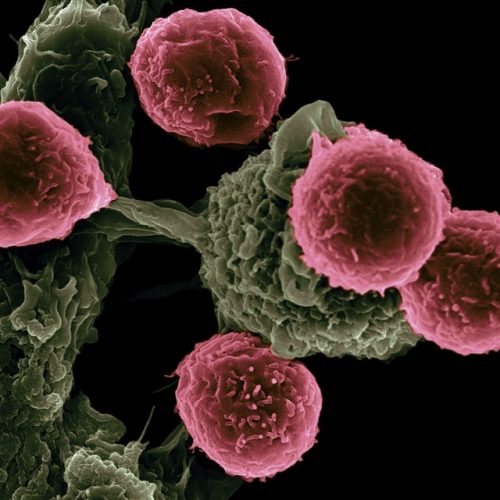
Perhaps one of the most exciting developments in recent cancer research is immunotherapy. Instead of directly attacking cancer cells, immunotherapy empowers the patient's own immune system to recognize and destroy malignant cells. This revolutionary approach has achieved remarkable successes in various cancer types, transforming previously untreatable diseases into manageable conditions for some patients.
Key strategies in immunotherapy include checkpoint inhibitors, which release the brakes on the immune system, allowing T-cells to attack cancer more effectively. Another approach involves CAR T-cell therapy, a form of gene therapy where a patient's T-cells are genetically modified to express receptors that specifically recognize and bind to cancer cells. The integration of immunotherapy into mainstream cancer therapy highlights the dynamic nature of biotechnology and its profound impact on medical science.
Despite the remarkable progress, challenges remain. Cancer cells are notoriously adaptable and can develop resistance to targeted therapies over time. This necessitates continuous cancer research into combination therapies, sequential treatments, and the identification of new targets. The future of cancer treatment will likely involve highly personalized approaches, guided by detailed genomic profiling of each patient's tumor, leading to truly individualized medicine.
Emerging areas like nanotechnology for targeted drug delivery, advanced diagnostics, and artificial intelligence in drug discovery are poised to further revolutionize the field. Staying abreast of these rapid developments is essential for professionals in oncology and related scientific disciplines. Our program provides the foundational knowledge and advanced insights needed to navigate this complex and rapidly evolving landscape of targeted therapy.
The "Molecular Basis of Cancer Therapeutics and Targets" program offered by Deep Science Workshops is meticulously designed to provide a deep, practical understanding of modern cancer therapeutics. This isn't just a theoretical overview; it's a deep dive into the mechanisms, applications, and future directions of targeted therapy and immunotherapy.
This comprehensive course covering targeted cancer therapies and their mechanisms is your gateway to becoming a knowledgeable contributor in the fight against cancer. It equips you with the expertise required to understand, analyze, and potentially contribute to the next generation of life-saving treatments.
This program is ideal for:
Join the ranks of informed professionals who are shaping the future of medicine. With Deep Science Implementation principles embedded throughout, you'll not only learn the theory but also understand the practical application and development pipeline of these critical therapies.
Join Now and Transform Your Expertise in Cancer Therapeutics!
Targeted therapy is a type of cancer treatment that uses drugs designed to specifically target cancer cells by interfering with specific molecules involved in their growth, progression, and spread. Unlike traditional chemotherapy, it aims to minimize damage to healthy cells, leading to fewer side effects.
Our comprehensive course covering targeted cancer therapies and their mechanisms includes dedicated modules on gene therapy, exploring how genetic modifications can be used to treat cancer. This includes discussions on viral vectors, CRISPR technology, and their application in therapies like CAR T-cell therapy, a significant advancement in immunotherapy.
While a basic understanding of biology is beneficial, the course is structured to build knowledge progressively. It provides a solid foundation in molecular biology principles relevant to cancer research and therapeutics, making it accessible to individuals from diverse scientific backgrounds interested in biotechnology and oncology.
Completing this program can significantly enhance career prospects in pharmaceutical companies, biotechnology firms, academic research institutions, and clinical settings. Roles in drug discovery, clinical trials, medical writing, and specialized cancer therapy research become more accessible.
Deep Science Workshops focuses on practical, in-depth knowledge transfer, ensuring participants not only understand the concepts but also their real-world application. Our commitment to Deep Science Implementation means you gain insights directly applicable to cutting-edge cancer research and development, preparing you for impactful contributions in the field of cancer treatment.