
Cancer, a formidable adversary, continues to challenge the scientific and medical communities. However, groundbreaking advancements in molecular biology and cancer research are rapidly transforming our understanding and approach to this complex disease. At the heart of these innovations lies the molecular basis of cancer – the intricate cellular and genetic mechanisms that drive its initiation, progression, and metastasis. A deep dive into these mechanisms is not just academic; it's crucial for developing effective cancer treatment strategies and novel therapeutics. This article explores the vital role of molecular oncology and how a comprehensive online program covering the molecular basis of cancer can empower you to contribute to this life-saving field.
Understanding cancer at a molecular level allows us to identify specific vulnerabilities within cancer cells, paving the way for targeted therapies that are more effective and less toxic than traditional treatments. This knowledge is indispensable for anyone aspiring to make a significant impact in biotechnology and oncology, particularly in the pharmaceutical and research industries.
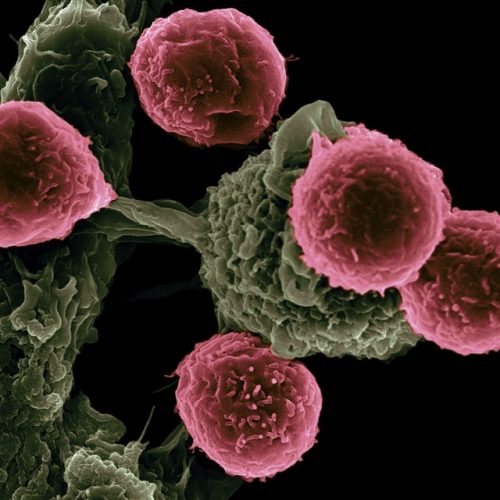
Cancer is fundamentally a disease of uncontrolled cell growth, driven by a series of genetic and epigenetic alterations. These changes can affect oncogenes, tumor suppressor genes, and DNA repair genes, leading to the hallmarks of cancer: sustained proliferative signaling, evasion of growth suppressors, resistance to cell death, limitless replicative potential, induced angiogenesis, and activation of invasion and metastasis. A thorough understanding of these molecular hallmarks is the cornerstone of modern cancer research.
For instance, mutations in genes like TP53, EGFR, and KRAS are frequently observed in various cancers. Knowledge of these specific mutations allows researchers to develop drugs that precisely target the aberrant proteins produced, leading to more personalized and effective therapeutic approaches. This is where the power of molecular biology truly shines, enabling scientists to dissect the intricate pathways that go awry in cancerous cells.
The advent of targeted therapies represents a paradigm shift in oncology. Unlike conventional chemotherapy, which broadly attacks rapidly dividing cells, targeted drugs specifically interfere with molecular pathways involved in cancer growth and progression. Examples include tyrosine kinase inhibitors for EGFR-mutated lung cancer or HER2-targeted antibodies for breast cancer. These therapies offer improved efficacy and reduced side effects, significantly enhancing patient outcomes.
Beyond targeted drugs, gene therapy is emerging as a revolutionary approach. By introducing, modifying, or removing genes within a patient's cells, gene therapy aims to correct the underlying genetic defects that cause cancer or to enhance the body's immune response against tumors. CAR T-cell therapy, a type of immunotherapy that genetically engineers a patient's T-cells to recognize and destroy cancer cells, is a prime example of the incredible potential of gene-based interventions in cancer treatment. This area requires deep expertise in molecular genetics and advanced biotechnological methods.
The path from a molecular discovery to a viable therapeutic involves extensive research and development, often referred to as drug discovery. It begins in the lab, where scientists use advanced lab equipment and techniques to identify potential drug targets and screen compounds. This preclinical phase is followed by rigorous clinical trials to assess safety and efficacy in humans. The entire process is multidisciplinary, requiring collaboration between molecular biologists, oncologists, pharmacologists, and clinical researchers.
Securing competitive research grants is often critical for funding these ambitious projects. Researchers must demonstrate a profound understanding of the molecular basis of cancer and a clear translational path for their findings. The landscape of biotechnology is constantly evolving, with new technologies like CRISPR-Cas9 revolutionizing gene editing and accelerating the pace of discovery.
To truly contribute to this dynamic field, a solid foundation in the molecular basis of cancer is essential. A comprehensive online program covering the molecular basis of cancer provides the in-depth knowledge and practical skills needed to excel. Such a program typically covers cellular and molecular mechanisms of carcinogenesis, signaling pathways, tumor microenvironment, epigenetics, cancer genomics, and the principles of targeted therapies and immunotherapies.
For those looking to advance their careers or transition into the burgeoning field of biotechnology and oncology, this type of specialized education is invaluable. It prepares individuals for diverse roles in cancer research institutions, pharmaceutical companies, and clinical settings. The program offered by Deep Science Workshops and Deep Science Implementation is designed to equip you with cutting-edge knowledge, making you a competitive candidate for high-demand biotech jobs.
This program delves into the intricacies of various cancer types, exploring their unique molecular signatures and the tailored therapeutic approaches. You will learn about the latest advancements in precision medicine, biomarker identification, and the application of bioinformatics in oncology. Understanding how to leverage state-of-the-art laboratory tools for molecular diagnostics and drug screening is also a key component, ensuring you are well-versed in both theoretical knowledge and practical application.
The demand for skilled professionals in cancer research and molecular oncology is steadily growing. Graduates of specialized programs can pursue careers as research scientists, clinical research associates, medical science liaisons, or contribute to drug discovery teams. The continuous breakthroughs in gene therapy and personalized medicine ensure a vibrant and evolving career landscape.
Furthermore, the interdisciplinary nature of modern oncology means that professionals with a strong background in molecular sciences and biotechnology are highly sought after. Whether your interest lies in fundamental research, developing new cancer treatment modalities, or translating discoveries into clinical practice, the opportunities are vast. Access to significant research grants and collaborations is also facilitated by a robust understanding of the field's current challenges and future directions.
The future of oncology is undeniably molecular. As we uncover more about the genetic and cellular drivers of cancer, our ability to design more effective and less toxic therapies will continue to improve. This ongoing revolution promises a future where cancer is not just treated, but potentially cured, for a growing number of patients. Being part of this journey requires dedication, continuous learning, and a solid educational foundation, precisely what a specialized program in molecular oncology provides.
Join NowMolecular oncology is a field of study that focuses on understanding the molecular and genetic mechanisms underlying cancer development and progression. It involves studying DNA, RNA, proteins, and their interactions within cancer cells to identify targets for new therapies and diagnostic tools. This field is crucial for advancing cancer research and developing personalized cancer treatment strategies.
A comprehensive online program covering the molecular basis of cancer equips you with specialized knowledge and skills highly valued in the biotechnology and pharmaceutical industries. It covers advanced topics in molecular biology, gene therapy, and drug discovery, making you a competitive candidate for various biotech jobs and opening doors to opportunities in cancer research and development.
Recent advancements in cancer treatment include the development of highly specific targeted therapies, revolutionary immunotherapies (like CAR T-cell therapy), and sophisticated gene therapy approaches. These innovations are driven by a deeper understanding of cancer at the molecular level, allowing for more precise and effective interventions. Continuous cancer research is key to these breakthroughs.
Yes, there are numerous opportunities for research grants in molecular oncology, given the critical need for advancements in cancer research and treatment. Funding bodies often prioritize projects that demonstrate a strong understanding of molecular mechanisms and a clear potential for translational impact. Expertise gained from a specialized program can significantly enhance your grant application prospects.