
In the evolving landscape of medical science, the fight against cancer has reached a pivotal turning point. Gone are the days of one-size-fits-all treatments; the future of cancer care lies in personalization. To become proficient in precision medicine approaches to cancer treatment is no longer an aspiration but a necessity for anyone looking to make a significant impact in modern oncology. This paradigm shift, driven by groundbreaking cancer research and advancements in biotechnology, promises more effective and less toxic therapies tailored to the individual patient.
Precision oncology represents a revolutionary leap, moving beyond conventional chemotherapy to target the specific molecular and genetic alterations driving a patient's tumor. This article delves into the intricacies of this transformative field, highlighting its significance, the core principles involved, and how aspiring professionals can acquire the expertise needed to thrive. Whether you are a student, researcher, or healthcare professional, understanding the molecular biology underpinning these therapies is paramount. Join us as we explore how to navigate this complex yet incredibly rewarding domain, setting the stage for a new era in cancer treatment.
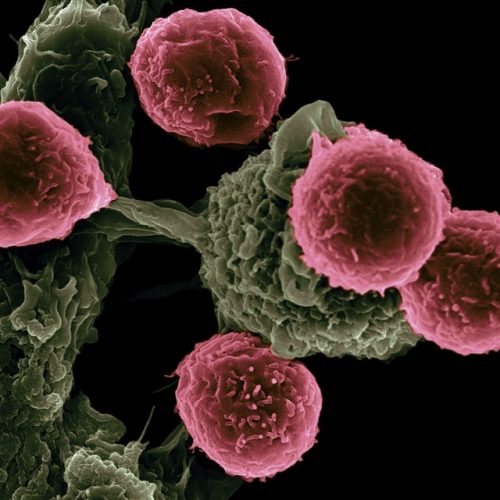
For decades, cancer treatment relied heavily on broad-spectrum approaches like chemotherapy and radiation, which, while effective for some, often came with severe side effects due to their non-specific nature. The advent of precision medicine has fundamentally altered this landscape. It's an approach that leverages a deep understanding of the genetic makeup of a tumor and the patient's individual characteristics to select therapies that are most likely to be effective and least likely to cause harm. This targeted approach is a direct result of intensified cancer research and rapid innovations in the field of biotechnology.
The core principle of personalized oncology is identifying specific biomarkers—molecular features that indicate the presence of a disease or predict response to a particular treatment. These biomarkers can be genetic mutations, protein expressions, or other molecular signatures unique to a patient's cancer. By pinpointing these unique characteristics, clinicians can prescribe therapies that directly interfere with the growth and spread of cancer cells, leading to more favorable outcomes and a higher quality of life for patients. This shift underscores the critical need to become proficient in precision medicine approaches to cancer treatment.
Precision medicine in oncology is built upon several foundational pillars, each contributing to a comprehensive and personalized treatment strategy:
At the heart of this advanced approach is comprehensive genomic profiling (CGP). This involves analyzing a patient's tumor DNA and RNA to identify specific mutations, fusions, amplifications, and other genomic alterations. The insights gained from CGP are crucial for identifying actionable targets for therapy. This field heavily relies on advanced techniques in molecular biology and bioinformatics, transforming raw genetic data into clinically relevant information that guides treatment decisions.
Once specific molecular targets are identified, targeted therapies can be employed. Unlike traditional chemotherapy, these drugs are designed to specifically block the growth and spread of cancer by interfering with specific molecules involved in tumor growth, progression, and spread. Examples include tyrosine kinase inhibitors (TKIs) and monoclonal antibodies. The development of these highly specific drugs is a testament to the advancements in drug discovery within the biopharma sector.
Immunotherapy represents another revolutionary approach, harnessing the body's own immune system to fight cancer. By activating or enhancing the body's natural defenses, immunotherapies, such as checkpoint inhibitors, can lead to durable responses in a subset of patients. This area of cancer treatment is rapidly expanding, with ongoing cancer research continually uncovering new ways to unleash the immune system's power against malignant cells.
Emerging as powerful tools in personalized cancer care, gene therapy and cell therapy (like CAR T-cell therapy) involve modifying a patient's cells or introducing new genetic material to combat cancer. These innovative therapies hold immense promise for difficult-to-treat cancers, offering a highly personalized and potentially curative approach. Their development underscores the dynamic nature of biotechnology and its profound impact on medical science.
For professionals in biotechnology, pharmaceuticals, and healthcare, acquiring expertise in precision medicine is no longer optional but a critical career differentiator. The demand for skilled individuals who can interpret complex genomic data, understand the mechanisms of targeted therapies, and contribute to the development of new treatments is soaring. To become proficient in precision medicine approaches to cancer treatment positions you at the forefront of medical innovation, enabling you to contribute directly to improving patient outcomes.
This proficiency opens doors to diverse roles in cancer research institutions, biopharma companies, diagnostic laboratories, and clinical settings. You could be involved in developing novel drugs, designing clinical trials for personalized therapies, or implementing cutting-edge diagnostic tools. The future of oncology is undeniably personalized, and those with a deep understanding of its molecular underpinnings will lead the charge.
Recognizing the urgent need for specialized training in this complex field, organizations like Deep Science Workshops and Deep Science Implementation are at the forefront of providing comprehensive educational programs. Their offerings are meticulously designed to equip aspiring and current professionals with the knowledge and practical skills required to excel in this specialized area of cancer care. These workshops bridge the gap between theoretical understanding and real-world application, ensuring participants are ready to tackle the challenges of modern cancer therapy.
One such exemplary offering is the "Molecular Basis of Cancer Therapeutics and Targets" program. This specialized precision oncology training program delves deep into the intricate molecular biology of cancer, exploring the mechanisms of various therapeutic targets and the strategies for developing effective treatments. It covers everything from genetic mutations and signaling pathways to the latest advancements in gene therapy and immunotherapy, providing a holistic view of the field. By participating in such programs, you gain invaluable insights into drug discovery processes and the entire lifecycle of cancer therapeutics.
The curriculum is crafted to ensure you not only understand the scientific principles but also gain practical insights into how these principles are applied in clinical settings and in biopharma research. This hands-on approach, combined with expert instruction, makes it an ideal pathway to truly become proficient in precision medicine approaches to cancer treatment. It's an investment in your future, ensuring you are well-prepared for the demands of a rapidly evolving scientific landscape.
Understanding the molecular underpinnings of cancer is the bedrock of effective personalized cancer treatment. Cancer is fundamentally a disease of uncontrolled cell growth, driven by genetic and epigenetic alterations. A comprehensive program in this area explores how these alterations lead to aberrant signaling pathways, resistance to cell death, and metastatic potential. Key topics include:
By mastering these concepts, professionals can contribute to the development of novel therapies, improve diagnostic strategies, and enhance patient management in the realm of oncology. This knowledge is indispensable for anyone aiming to make a significant contribution to biotechnology and medical science.
The journey to become proficient in precision medicine approaches to cancer treatment is an exciting and impactful one. It places you at the cutting edge of medical innovation, empowering you to contribute to more effective, personalized, and humane cancer care. With the continuous advancements in cancer research, biotechnology, and molecular biology, the future of oncology is brighter than ever.
Embrace this opportunity to specialize in a field that is rapidly transforming healthcare. By enrolling in a dedicated precision oncology training program, you can acquire the expertise needed to navigate this complex domain and become a leader in the fight against cancer. Join the ranks of professionals who are shaping the future of medicine, one personalized treatment at a time.
Join NowWhat is precision oncology?
Precision oncology is an advanced approach to cancer treatment that tailors therapies based on the unique genetic, molecular, and environmental characteristics of an individual's tumor. It moves beyond a one-size-fits-all model to provide more effective and less toxic treatments.
Why is becoming proficient in precision medicine important for a career in biotechnology?
Proficiency in precision medicine is crucial for biotechnology professionals as it is at the forefront of modern cancer treatment and drug development. It opens doors to roles in research, drug discovery, clinical trials, and personalized therapy development within the biopharma and healthcare sectors.
What topics are covered in a precision oncology training program?
A comprehensive precision oncology training program typically covers molecular biology of cancer, genomic profiling, targeted therapies, immunotherapy, gene therapy, bioinformatics, clinical trial design, and ethical considerations in personalized medicine. It aims to provide a deep understanding of the molecular basis of cancer therapeutics and targets.
How do Deep Science Workshops contribute to learning precision oncology?
Deep Science Workshops and Deep Science Implementation provide specialized training programs designed to equip participants with the practical skills and theoretical knowledge required to excel in precision oncology. Their courses, like 'Molecular Basis of Cancer Therapeutics and Targets,' offer in-depth insights and hands-on experience in this cutting-edge field.