
The journey from a groundbreaking scientific discovery to a life-saving oncology drug is fraught with challenges, not least among them the intricate web of regulatory guidelines and compliance requirements. For professionals engaged in biotech research, cancer research, and drug discovery, understanding these frameworks is paramount. It ensures that innovative cancer therapy options are not only effective but also safe and ethically sound for patients worldwide. This article delves into the critical aspects of oncology regulatory guidelines and compliance, shedding light on the rigorous processes that govern the development and approval of these vital medications.
In the dynamic field of biotechnology, where advancements in molecular biology, gene therapy, and immunotherapy are constantly reshaping treatment paradigms, the regulatory landscape evolves rapidly. Staying abreast of these changes is essential for accelerating the availability of new oncology drugs while upholding the highest standards of patient safety. From the initial stages of preclinical development to post-market surveillance, every step is meticulously scrutinized by regulatory bodies, ensuring that only the most promising and well-validated therapies reach those in need. This deep dive will explore the critical milestones and considerations for ensuring compliance in this highly specialized domain.
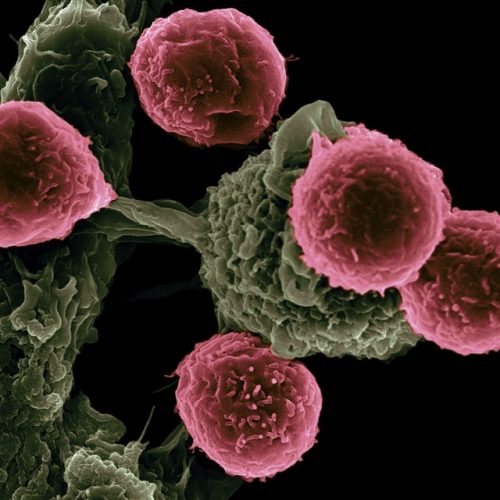
The development of oncology drugs is inherently complex due to the aggressive nature of cancer and the potent mechanisms of action required to combat it. This complexity necessitates stringent oncology regulatory guidelines and compliance to protect patient health. Regulatory agencies like the FDA in the United States, EMA in Europe, and PMDA in Japan play a pivotal role in reviewing scientific data, assessing risks and benefits, and setting standards for manufacturing and quality control. Without robust oversight, the market could be flooded with ineffective or harmful treatments, undermining public trust in cancer therapy and scientific innovation.
These guidelines are not merely bureaucratic hurdles; they are safeguards designed to ensure that new oncology drugs are rigorously tested, manufactured consistently, and prescribed appropriately. They cover everything from the ethical conduct of clinical trials to the precise labeling of medications, ensuring transparency and accountability at every stage of the drug discovery process. For companies involved in biotech research, adhering to these regulations is not just a legal obligation but a commitment to patient well-being and scientific integrity.
Before any oncology drug can be tested in humans, it must undergo extensive preclinical development. This phase involves laboratory (in vitro) and animal (in vivo) studies to evaluate the drug's safety, biological activity, and potential toxicity. Researchers in molecular biology and cancer research work tirelessly to identify promising compounds and understand their mechanisms of action. The data generated during preclinical studies are crucial for the Investigational New Drug (IND) application, a comprehensive document submitted to regulatory authorities.
The IND application details the drug's composition, manufacturing processes, quality control measures, and the results of all preclinical tests. It also outlines the proposed clinical trial protocols, including patient selection criteria, dosages, and monitoring plans. Regulatory bodies meticulously review the IND to ensure that the drug is reasonably safe for initial human testing and that the proposed clinical trials are ethically sound and scientifically robust. This step is a critical gateway, ensuring that only compounds with a favorable risk-benefit profile proceed to human trials, a cornerstone of oncology regulatory guidelines and compliance.
Once an IND is approved, an oncology drug enters the highly regulated world of clinical trials, typically progressing through three main phases:
Throughout these phases, strict oncology regulatory guidelines and compliance are enforced regarding patient consent, data integrity, and adverse event reporting. The role of biomarkers is increasingly significant in these trials, helping to identify patient populations most likely to benefit from specific cancer therapy and enabling more targeted approaches, especially in the era of personalized medicine driven by advances in molecular biology and gene therapy.
Upon successful completion of clinical trials, the drug sponsor compiles all preclinical and clinical data into a comprehensive New Drug Application (NDA) or Biologics License Application (BLA). NDAs are for small molecule drugs, while BLAs are for biological products like vaccines, gene therapies, and certain immunotherapy agents. These submissions are massive, often thousands of pages long, detailing every aspect of the drug's development, manufacturing, and testing.
Regulatory agencies then conduct an exhaustive review of the NDA/BLA. This involves evaluating the drug's safety and efficacy data, inspecting manufacturing facilities to ensure Good Manufacturing Practices (GMP) compliance, and assessing the proposed labeling and prescribing information. Expert advisory committees, often comprising independent scientists and clinicians, may also review the data and provide recommendations. This rigorous review process is the ultimate test of oncology regulatory guidelines and compliance, ensuring that only safe and effective oncology drugs receive market authorization.
Regulatory oversight doesn't end with drug approval. Post-market surveillance is a continuous process where regulatory bodies monitor the safety and effectiveness of approved oncology drugs once they are available to the public. Healthcare professionals and patients are encouraged to report adverse events, which are then collected and analyzed to identify any new or rare side effects that may not have appeared during clinical trials.
Companies must also adhere to ongoing compliance requirements, including submitting periodic safety reports, implementing risk management plans, and potentially conducting Phase IV clinical trials to gather additional data or explore new indications. This lifecycle management approach ensures that the benefits of the cancer therapy continue to outweigh the risks throughout its market life. Continuous biotech research and development, often supported by organizations like Deep Science Workshops and Deep Science Implementation, contribute to optimizing these therapies and understanding their long-term impact.
The landscape of cancer therapy is rapidly evolving, with groundbreaking innovations in gene therapy, immunotherapy, and targeted therapies emerging from molecular biology and biotech research. These novel approaches often present unique regulatory challenges, requiring agencies to adapt their guidelines while maintaining their core mission of patient safety and efficacy. For instance, the regulation of personalized medicines, which leverage specific biomarkers for tailored treatments, requires flexible yet robust frameworks.
Collaboration between industry, academia, and regulatory bodies is crucial to foster innovation while ensuring compliance. Programs like Deep Science Workshops and Deep Science Implementation play a vital role in educating the next generation of researchers and industry professionals about these evolving oncology regulatory guidelines and compliance requirements. By embracing adaptive regulatory pathways and leveraging real-world evidence, the industry can accelerate the delivery of transformative oncology drugs to patients, ultimately improving outcomes in the fight against cancer.
Join NowRegulatory guidelines are crucial for oncology drugs to ensure their safety, efficacy, and quality before they reach patients. Given the severe nature of cancer and the potent effects of these drugs, strict oversight prevents harm, ensures accurate dosing, and validates therapeutic benefits. Compliance builds public trust and fosters responsible innovation in cancer therapy.
Clinical trials for oncology drugs typically involve three main phases: Phase I assesses safety and dosage in a small group; Phase II evaluates efficacy and side effects in a larger group of patients with the target cancer; and Phase III compares the new drug to existing treatments in a very large patient population to confirm effectiveness and monitor adverse reactions. A successful Phase III often leads to regulatory approval.
Biomarkers play a pivotal role in oncology drug development by helping identify patients most likely to respond to a specific treatment, monitoring disease progression, and detecting recurrence. They enable personalized medicine approaches, making cancer therapy more targeted and effective, and streamlining clinical trials by identifying suitable patient populations.
Biotech research is fundamental to developing new oncology drugs as it drives the discovery of novel therapeutic targets, the development of innovative drug modalities like gene therapy and immunotherapy, and the understanding of cancer at a molecular biology level. It's the engine behind breakthroughs in cancer research and drug discovery, pushing the boundaries of what's possible in cancer therapy.