
In the rapidly evolving landscape of biotechnology and regenerative medicine, stem cells stand as a beacon of hope, promising revolutionary treatments for a myriad of diseases. From repairing damaged tissues to offering new avenues for drug discovery, the potential of stem cell research is immense. However, this profound scientific advancement also brings forth complex ethical considerations. This is where the Ethical Review Board (ERB) plays an indispensable role. Understanding the role of ERB in stem cell research is not just a regulatory necessity but a cornerstone for responsible scientific progress, ensuring that innovation proceeds hand-in-hand with patient safety and societal trust. This article delves into why ERBs are critical in guiding the ethical compass of this groundbreaking field, exploring their functions, challenges, and their impact on the future of medical technology.
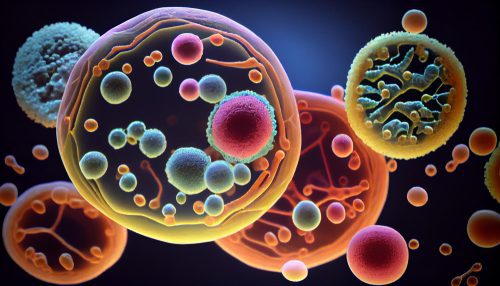
Stem cells, with their remarkable ability to self-renew and differentiate into various specialized cell types, represent one of the most exciting frontiers in modern biotechnology. Their potential applications span across regenerative medicine, where they can be used to repair or replace damaged tissues and organs, to advanced cell therapy for conditions previously deemed untreatable. Imagine a future where spinal cord injuries are healed, neurodegenerative diseases are reversed, and failing hearts are regenerated—this is the promise that stem cell research holds. Institutions engaged in cutting-edge research are constantly pushing the boundaries, utilizing sophisticated lab equipment to isolate, culture, and manipulate these powerful cells. The development of induced pluripotent stem cells (iPSCs) has further expanded the possibilities, offering a way to generate patient-specific cells without the ethical concerns associated with embryonic stem cells.
However, alongside this immense promise lies a complex ethical landscape. The very power of stem cells—their ability to create and modify life—necessitates careful oversight. Questions arise regarding the source of cells, the potential for unintended consequences, and the equitable access to these advanced medical technology treatments. Without robust ethical frameworks, the pursuit of scientific breakthroughs could inadvertently lead to societal mistrust or harm. This inherent duality underscores the vital need for a vigilant and informed Ethical Review Board (ERB) to navigate these intricate waters, ensuring that the pursuit of scientific advancement remains firmly rooted in ethical principles.
An Ethical Review Board (ERB), often referred to as an Institutional Review Board (IRB) in many contexts, serves as the conscience of scientific research involving human subjects. Its fundamental mandate is to protect the rights, safety, and well-being of individuals participating in clinical trials and studies. For any stem cell research project to proceed, it must undergo rigorous scrutiny by an ERB. This process involves a meticulous review of the research protocol, assessing its scientific merit, the qualifications of the researchers, and crucially, the ethical implications for participants. The ERB evaluates the potential risks versus benefits, ensuring that any risks are minimized and justified by the potential benefits to participants or society.
A cornerstone of ERB review is the informed consent process. The board ensures that potential participants are fully apprised of all aspects of the research, including its purpose, procedures, potential risks, benefits, and alternatives, in language they can clearly understand. This empowers individuals to make autonomous decisions about their participation. Furthermore, ERBs scrutinize issues of privacy and confidentiality, ensuring that participant data is protected. They also address concerns of equitable selection, preventing the exploitation of vulnerable populations. In the realm of biotechnology and regenerative medicine, where novel procedures and therapies are constantly emerging, the ERB's role extends to ensuring that experimental treatments are conducted with the utmost care and transparency, upholding the highest standards of scientific integrity and patient care.
The unique characteristics of stem cell research present specific ethical challenges that demand specialized attention from ERBs. One of the most prominent debates revolves around the source of stem cells. While adult stem cells and induced pluripotent stem cells (iPSCs) generally pose fewer ethical dilemmas, the use of embryonic stem cells (ESCs) raises profound questions about the moral status of embryos. ERBs must carefully weigh these considerations, often guided by national and international regulations and societal values. The potential for germline modification, where genetic changes could be passed down to future generations, also requires stringent ethical review, given its far-reaching implications.
Beyond the source, ERBs evaluate the safety and efficacy of proposed cell therapy protocols. Given that many stem cell treatments are still experimental, there's a need for robust pre-clinical research, often involving advanced lab equipment and animal models, before human trials commence. ERBs ensure that such preliminary data supports the transition to human studies. They also consider the potential for commercialization and "stem cell tourism," where unproven and potentially harmful therapies are marketed. The board ensures that participants are not unduly influenced by promises of cures and that the research is driven by scientific rigor rather than financial gain. Long-term follow-up of participants is also a critical aspect, especially for novel medical technology interventions, to monitor for delayed adverse effects and assess the true durability of therapeutic benefits. The evolving nature of stem cell research necessitates that ERBs remain agile, continuously updating their knowledge and guidelines to address new scientific discoveries and ethical quandaries.
Far from being mere bureaucratic hurdles, Ethical Review Boards serve as crucial partners in fostering responsible innovation within biotechnology and regenerative medicine. Their role extends beyond gatekeeping to actively guiding researchers in developing ethically sound protocols. By engaging in constructive dialogue, ERBs help researchers anticipate and mitigate potential ethical pitfalls, leading to more robust and defensible research designs. This collaborative approach ensures that scientific ambition is tempered with ethical prudence, paving the way for breakthroughs that genuinely benefit humanity.
ERBs play a vital role in ensuring transparency and accountability in stem cell research. Their oversight provides an independent layer of review, reassuring the public that studies are conducted with integrity and respect for human dignity. This trust is paramount for the continued funding and societal acceptance of cutting-edge medical technology. Furthermore, ERBs often contribute to the development of best practices and ethical guidelines, influencing national and international policies. For those looking to deepen their understanding of these critical ethical frameworks, programs like Deep Science Workshops offer invaluable insights into navigating the complexities of modern scientific research responsibly. Such initiatives are essential for cultivating a generation of scientists who are not only technically proficient but also ethically astute, capable of driving forward drug discovery and therapeutic development with a strong moral compass.
The landscape of stem cell research is dynamic, with new discoveries and therapeutic possibilities emerging constantly. As regenerative medicine advances, so too must the regulatory frameworks and the role of ERBs. Future challenges will include addressing gene-edited stem cells, organoids, and increasingly complex cell therapy applications. ERBs will need to adapt, potentially incorporating new expertise and methodologies to evaluate these novel interventions effectively. The global nature of scientific research also necessitates international collaboration among ERBs and regulatory bodies to harmonize ethical standards and facilitate multi-center trials.
Ultimately, the success and societal acceptance of biotechnology, particularly in sensitive areas like stem cell research, hinge on public trust. Robust and transparent ERB oversight is a key component in building and maintaining this trust. When the public is confident that research is conducted ethically, they are more likely to support scientific endeavors and participate in clinical trials, accelerating the pace of discovery. Initiatives like Deep Science Implementation focus on embedding ethical considerations into every stage of scientific development, from initial concept to clinical application. This comprehensive approach ensures that the incredible potential of stem cells is harnessed not just for scientific advancement, but for the true betterment of human health, responsibly and ethically.
Join NowAn Ethical Review Board (ERB), also known as an Institutional Review Board (IRB) in some regions, is a committee responsible for reviewing and approving research protocols involving human subjects. Its primary purpose is to protect the rights, safety, and well-being of research participants, ensuring that all research is conducted ethically and in accordance with regulatory guidelines.
ERBs are crucial in stem cell research due to the unique ethical complexities involved. These include the source of stem cells (e.g., embryonic vs. adult), potential for germline modification, the uncertain long-term effects of cell therapy, and the profound societal implications. ERBs ensure that such groundbreaking research is conducted responsibly, balancing scientific advancement with ethical safeguards.
For stem cell research, ERBs meticulously review aspects such as informed consent processes (especially for vulnerable populations), risk-benefit assessments, privacy and confidentiality of participant data, the ethical sourcing and handling of cells, potential for commercial exploitation, and the long-term follow-up plans for participants receiving cell therapy. They also assess the scientific merit of the project within the context of biotechnology.
ERBs protect participants by ensuring that risks are minimized, benefits are maximized, and that participants provide truly informed consent, understanding all aspects of the research before participating. They ensure equitable selection of participants, protect their privacy, and provide ongoing oversight throughout the study, making sure that all procedures involving medical technology and interventions are safe and justified.
While ERBs impose rigorous ethical standards, their role is not to hinder but to guide and facilitate responsible scientific progress. By ensuring ethical conduct, ERBs build public trust, which is vital for the long-term success and acceptance of groundbreaking fields like regenerative medicine and biotechnology. They help researchers navigate complex ethical landscapes, ultimately leading to more robust and credible research outcomes and safe drug discovery processes.