
The field of stem cell research stands at the forefront of medical innovation, promising groundbreaking advancements in regenerative medicine and the treatment of previously incurable diseases. From repairing damaged tissues to developing novel drug therapies, the potential of stem cells is immense. However, this transformative science is not without its complexities, particularly when it comes to the profound ethical dilemmas it presents. As we delve deeper into understanding and harnessing the power of these remarkable cells, it becomes imperative to navigate these ethical considerations with foresight and responsibility. This article will explore the core ethical challenges in stem cell research and propose practical solutions, ensuring that scientific progress aligns with societal values. Through rigorous ethical frameworks and innovative scientific approaches, we can pave the way for a future where the benefits of cell therapy are accessible and ethically sound.
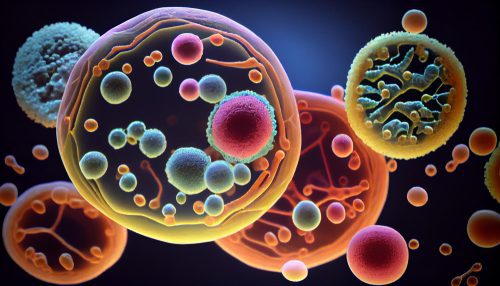
Stem cells are unique in their ability to self-renew and differentiate into various specialized cell types. This inherent plasticity makes them invaluable for regenerative medicine, a field focused on restoring the function of diseased or damaged tissues and organs. Imagine a future where spinal cord injuries are reversed, failing hearts are regenerated, or diabetes is cured by replacing damaged pancreatic cells. These are not distant dreams but active areas of research, fueled by the potential of stem cells. Beyond direct therapies, stem cells are crucial for drug discovery, disease modeling, and understanding fundamental biological processes. The promise of cell therapy is truly revolutionary, offering hope to millions suffering from chronic and degenerative conditions.
The most prominent ethical debate in stem cell research has historically centered on the use of human embryonic stem cells (hESCs). These cells are derived from early-stage human embryos, typically those created for in-vitro fertilization (IVF) but not used. The destruction of an embryo to obtain these cells raises significant moral and philosophical questions about the beginning of human life and the moral status of an embryo.
Addressing these ethical dilemmas in stem cell research requires a multi-faceted approach involving scientific innovation, robust regulatory frameworks, public engagement, and continuous ethical discourse.
The development of Induced Pluripotent Stem Cells (iPSCs) by Shinya Yamanaka in 2006 marked a monumental leap forward, offering a significant ethical alternative to hESCs. iPSCs are generated by reprogramming adult somatic cells (like skin cells) back into an embryonic-like pluripotent state. This technology bypasses the need for embryos, mitigating many of the ethical objections associated with hESC research. iPSCs hold immense promise for patient-specific therapies, disease modeling, and drug screening, making them a cornerstone of modern regenerative medicine.
Research utilizing adult stem cells (found in various tissues like bone marrow, fat, and brain) and cord blood stem cells (from umbilical cord blood) also offers ethically less contentious avenues. While generally less pluripotent than hESCs or iPSCs, they are already being used in established cell therapy treatments, particularly in hematology.
Strong national and international regulations are crucial to ensure ethical conduct, patient safety, and responsible innovation. These frameworks typically cover:
The broader field of biotechnology is also contributing to ethical solutions and expanding therapeutic possibilities:
Education plays a vital role in navigating the ethical landscape of stem cell research. Informed scientists, policymakers, and the public are essential for making sound decisions. Programs like those offered by Deep Science Workshops and Deep Science Implementation are critical in providing comprehensive knowledge about cutting-edge biotechnologies, including stem cells, regenerative medicine, and their ethical implications. These workshops empower individuals to contribute to responsible innovation and the ethical application of these powerful technologies. Understanding the nuances of cell therapy, from its scientific basis to its societal impact, is key to its successful and ethical integration into healthcare.
Join NowThe journey of stem cell research is one of immense promise and ongoing ethical reflection. As science progresses, new ethical questions will undoubtedly arise, requiring continuous dialogue and adaptation of guidelines. The shift towards iPSCs and adult stem cells has significantly eased some of the most contentious ethical debates, allowing research to flourish with broader public acceptance.
The integration of advanced technologies such as bioprinting, tissue engineering, gene therapy, CRISPR, and innovations in immunotherapy like CAR T cells, is accelerating the pace of discovery and expanding the therapeutic horizons of regenerative medicine. These synergistic fields are not only bringing us closer to cures for debilitating diseases but are also providing novel ways to approach ethical challenges, for instance, by creating patient-specific tissues without embryonic material.
Ultimately, the goal is to harness the full potential of stem cells to alleviate suffering and improve human health, while upholding the highest ethical standards. This requires a commitment to responsible research, transparent communication, and a collaborative spirit among scientists, ethicists, policymakers, and the public. By exploring these ethical dilemmas and potential solutions in stem cell research, we ensure that the path to a regenerative future is built on a foundation of scientific excellence and moral integrity. Join Deep Science Workshops to be part of this transformative journey and contribute to the ethical and effective implementation of these life-changing technologies.
The primary ethical concerns in stem cell research revolve around the source of embryonic stem cells, specifically the destruction of human embryos. Other concerns include informed consent, potential for commercial exploitation, and the safety and efficacy of unproven therapies.
Induced Pluripotent Stem Cell (iPSC) technology offers a significant ethical advantage as it allows for the creation of pluripotent stem cells from adult somatic cells, bypassing the need for human embryos. This innovation has broadened the scope of research and therapeutic applications while mitigating many ethical objections.
Robust regulatory frameworks and ethical guidelines are crucial. They ensure research is conducted responsibly, protect patient rights, prevent unproven therapies from harming individuals, and foster public trust. International collaboration on these guidelines is also vital for global consistency.
Deep Science Workshops and Deep Science Implementation offer comprehensive programs designed to provide in-depth knowledge and practical skills in cutting-edge biotechnologies, including stem cell technologies, regenerative medicine, and gene therapy. Our workshops explore both the scientific advancements and the critical ethical considerations, preparing participants for a responsible and impactful career in the field.