
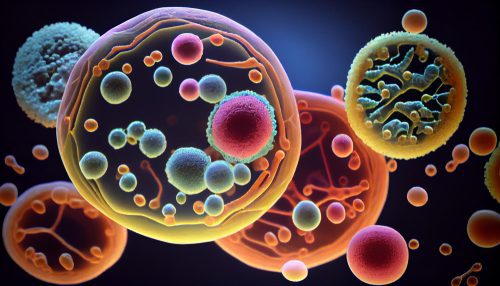
The promise of stem cells in revolutionizing healthcare is immense, offering unprecedented avenues for treating chronic diseases, repairing damaged tissues, and understanding fundamental biological processes. However, realizing this potential requires a stringent commitment to industry standards. These standards are not merely bureaucratic hurdles; they are the bedrock upon which safe, effective, and ethical therapies are built. They encompass everything from the sourcing and manipulation of stem cells to their eventual application in human trials and clinical treatments. Without these guidelines, the field risks compromising patient safety and eroding public trust, thereby hindering the very progress it seeks to achieve.
Ethical and Regulatory Frameworks: The Foundation of Responsible Innovation
At the heart of stem cell research and development lies a complex web of ethical considerations and regulatory frameworks. Given the profound implications of manipulating fundamental biological building blocks, international and national bodies have established strict guidelines. These include informed consent for donors, careful oversight of embryonic stem cell research, and the prevention of unproven therapies. Regulatory agencies like the FDA in the United States, EMA in Europe, and similar bodies worldwide, play a pivotal role in ensuring that all new cell therapy products meet rigorous safety and efficacy criteria before they reach patients. Adherence to these frameworks is non-negotiable, providing a crucial layer of protection for individuals and maintaining the integrity of scientific inquiry in biotechnology.
Good Manufacturing Practices (GMP) and Quality Control in Cell Therapy
For any stem cell-based therapy to transition from laboratory discovery to clinical application, it must adhere to Good Manufacturing Practices (GMP). GMP standards are a set of guidelines that ensure products are consistently produced and controlled according to quality standards appropriate to their intended use and as required by the product specification. In the context of cell therapy, this means meticulous control over every step: cell isolation, expansion, differentiation, cryopreservation, and final formulation. Quality control (QC) testing is integral, verifying cell viability, purity, potency, and freedom from contaminants. These stringent measures are vital to ensure that each batch of therapeutic stem cells is safe, consistent, and effective, directly impacting patient outcomes in regenerative medicine.
Advancements in Regenerative Medicine and Cell Therapy
The synergy between stem cells and regenerative medicine continues to drive unprecedented progress. From treating cardiovascular diseases and neurodegenerative disorders to repairing musculoskeletal injuries, stem cell therapy is at the forefront of medical innovation. Induced pluripotent stem cells (iPSCs) have emerged as a game-changer, offering a patient-specific source of cells without the ethical concerns associated with embryonic stem cells. These advancements are not just theoretical; they are leading to tangible clinical trials and approved therapies that are transforming patient lives. The continuous refinement of techniques for cell delivery, engraftment, and immune modulation is further enhancing the efficacy and safety of these groundbreaking treatments, solidifying the role of stem cell research as a cornerstone of future healthcare.
The Transformative Role of Bioprinting and 3D Bioprinting
The ability to precisely arrange cells and biomaterials in a three-dimensional structure is revolutionizing tissue engineering and regenerative medicine. This is where bioprinting, particularly 3D bioprinting, comes into play. This technology allows scientists to create complex biological constructs, from functional tissues like cartilage and skin to preliminary organ models. By precisely depositing bio-inks containing living stem cells, growth factors, and biocompatible polymers, researchers can mimic the intricate architecture of native tissues. This capability is invaluable for drug screening, disease modeling, and ultimately, the fabrication of transplantable organs. The standards in bioprinting focus on print resolution, cell viability post-printing, scaffold biodegradability, and the functionality of the printed construct, pushing the boundaries of what's possible in advanced biotechnology.
Tissue Engineering: Building the Future with Stem Cells
Tissue engineering, a field dedicated to creating functional tissues and organs, is inextricably linked with stem cell research. By combining scaffolds, cells (often stem cells), and bioactive molecules, tissue engineers aim to restore, maintain, or improve tissue function. This interdisciplinary field leverages principles from biology, engineering, and materials science. Standards in tissue engineering address the biocompatibility of materials, the mechanical properties of engineered tissues, their vascularization, and their integration with host tissues. The long-term goal is to develop fully functional, transplantable organs that can address the critical shortage of donor organs. The ongoing collaboration between stem cell biologists and tissue engineers is accelerating the development of these life-changing solutions.
CRISPR and Gene Editing: Precision Tools with Ethical Imperatives
The advent of CRISPR (Clustered Regularly Interspaced Short Palindromic Repeats) has ushered in a new era of gene editing, offering unprecedented precision in modifying DNA sequences. This powerful biotechnology holds immense promise for correcting genetic defects underlying diseases like sickle cell anemia, cystic fibrosis, and Huntington's disease. However, with great power comes great responsibility. The industry standards for gene editing are particularly stringent, focusing on minimizing off-target edits, ensuring ethical considerations are met, and addressing the societal implications of altering the human genome. Discussions around germline editing versus somatic cell editing, informed consent, and equitable access to these therapies are central to establishing responsible guidelines. Adherence to these ethical and technical standards is crucial for harnessing the full potential of CRISPR safely and effectively in stem cell research and beyond.
Challenges and Future Directions in Stem Cell Research
Despite the remarkable progress, stem cell research and development faces several challenges. These include ensuring long-term safety and efficacy of therapies, scaling up production to meet clinical demand, reducing manufacturing costs, and overcoming immune rejection issues. The complexity of integrating engineered tissues into the human body and ensuring their proper function also presents significant hurdles. However, ongoing research is actively addressing these challenges. Future directions involve personalized cell therapy, advanced biomaterials, sophisticated delivery systems, and the integration of artificial intelligence for predicting cell behavior and optimizing therapeutic outcomes. The continuous evolution of industry standards will be vital in guiding these future innovations, ensuring that the promise of stem cells is realized responsibly and efficiently.
Empowering the Next Generation: Deep Science Workshops and Implementation
As the field of biotechnology, particularly stem cell research, continues its rapid ascent, staying abreast of the latest industry standards, techniques, and ethical considerations is paramount for professionals. This is where initiatives like Deep Science Workshops and Deep Science Implementation play a crucial role. These programs are designed to provide comprehensive, hands-on training and theoretical knowledge, equipping individuals with the skills necessary to navigate the complexities of modern regenerative medicine, cell therapy, bioprinting, tissue engineering, and gene editing. By bridging the gap between academic research and practical application, they foster a new generation of experts committed to upholding the highest standards in stem cell research and development. Investing in continuous learning through such specialized programs is not just about career advancement; it's about contributing to a future where scientific breakthroughs translate into tangible health benefits for all.