
Overcoming Antiviral Drug Resistance
In the relentless battle against viral infections, antiviral drugs have emerged as a cornerstone of modern medicine, transforming the prognosis for countless patients worldwide. From HIV to influenza, and more recently, SARS-CoV-2, these therapeutic agents have significantly reduced morbidity and mortality. However, a formidable adversary consistently challenges their efficacy: antiviral resistance. This biological phenomenon, where viruses evolve to escape the inhibitory effects of drugs, threatens to undermine decades of pharmaceutical innovation. Understanding the intricate drug resistance mechanisms and developing robust pharmaceutical strategies to counteract them is not merely an academic pursuit but a global health imperative. The continuous emergence of drug-resistant viral strains necessitates a proactive and multidisciplinary approach, combining cutting-edge research with strategic therapeutic development.
हिन्दी में: वायरल संक्रमणों के खिलाफ अथक लड़ाई में, एंटीवायरल दवाएं आधुनिक चिकित्सा की आधारशिला के रूप में उभरी हैं, जिससे दुनिया भर के अनगिनत रोगियों के लिए पूर्वानुमान बदल गया है। एचआईवी से लेकर इन्फ्लूएंजा तक, और हाल ही में, SARS-CoV-2 तक, इन चिकित्सीय एजेंटों ने रुग्णता और मृत्यु दर को काफी कम कर दिया है। हालांकि, एक दुर्जेय विरोधी लगातार उनकी प्रभावकारिता को चुनौती देता है: एंटीवायरल प्रतिरोध। यह जैविक घटना, जहां वायरस दवाओं के निरोधात्मक प्रभावों से बचने के लिए विकसित होते हैं, दशकों के फार्मास्युटिकल नवाचार को कमजोर करने की धमकी देती है। जटिल दवा प्रतिरोध तंत्र को समझना और उनका मुकाबला करने के लिए मजबूत फार्मास्युटिकल रणनीतियों को विकसित करना केवल एक अकादमिक खोज नहीं है, बल्कि एक वैश्विक स्वास्थ्य अनिवार्यता है। दवा-प्रतिरोधी वायरल उपभेदों का निरंतर उद्भव अत्याधुनिक अनुसंधान को रणनीतिक चिकित्सीय विकास के साथ जोड़ते हुए एक सक्रिय और बहु-विषयक दृष्टिकोण की आवश्यकता है।
The Growing Threat of Antiviral Resistance / एंटीवायरल प्रतिरोध का बढ़ता खतरा
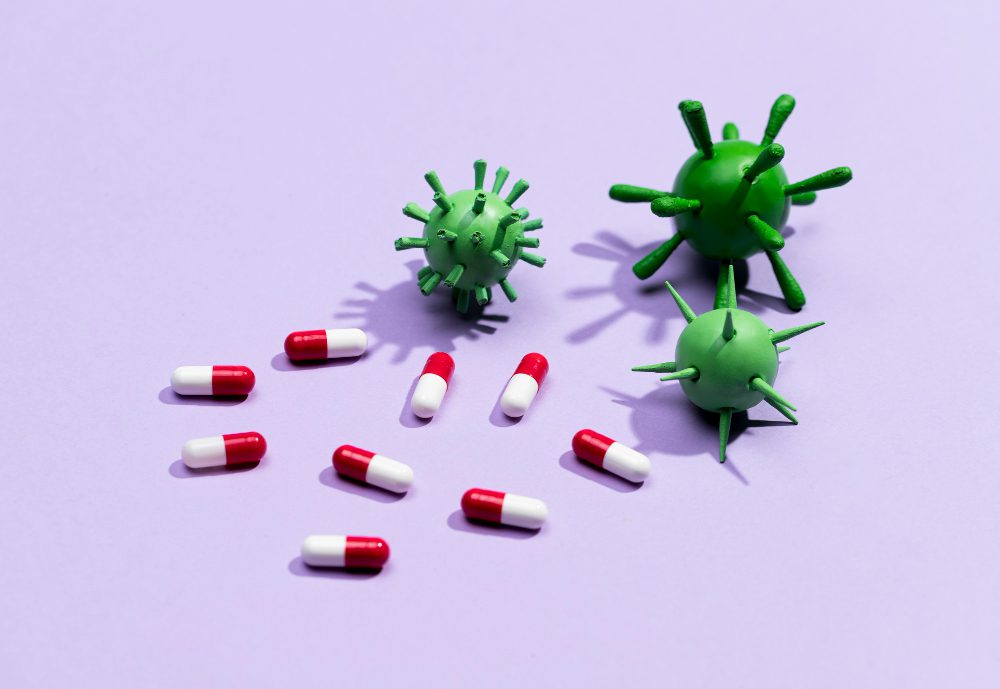
Antiviral resistance represents a significant and escalating challenge in public health. As more antiviral agents become available and are widely used, the selective pressure on viruses intensifies, accelerating their evolutionary adaptation. This phenomenon is not new; it has been observed with almost every class of antiviral drug developed. The implications are profound: treatment failures, prolonged illness, increased transmission, and potentially, the resurgence of diseases once thought to be under control. The rise of multi-drug resistant strains, particularly in chronic infections like HIV and Hepatitis C, underscores the urgent need for novel approaches. Effective mutation management is crucial to stay ahead of these rapidly evolving pathogens. The global interconnectedness further exacerbates this threat, as resistant strains can quickly spread across borders, rendering existing therapeutic approaches ineffective in new regions.
हिन्दी में: एंटीवायरल प्रतिरोध सार्वजनिक स्वास्थ्य में एक महत्वपूर्ण और बढ़ता हुआ खतरा है। जैसे-जैसे अधिक एंटीवायरल एजेंट उपलब्ध होते हैं और व्यापक रूप से उपयोग किए जाते हैं, वायरस पर चयनात्मक दबाव बढ़ता है, जिससे उनका विकासवादी अनुकूलन तेज होता है। यह घटना नई नहीं है; इसे विकसित लगभग हर वर्ग की एंटीवायरल दवा के साथ देखा गया है। इसके निहितार्थ गहरे हैं: उपचार विफलताएं, लंबी बीमारी, बढ़ा हुआ संचरण, और संभावित रूप से, उन बीमारियों का पुनरुत्थान जिन्हें एक बार नियंत्रण में माना जाता था। विशेष रूप से एचआईवी और हेपेटाइटिस सी जैसे पुराने संक्रमणों में बहु-दवा प्रतिरोधी उपभेदों का उदय, नए दृष्टिकोणों की तत्काल आवश्यकता को रेखांकित करता है। इन तेजी से विकसित होने वाले रोगजनकों से आगे रहने के लिए प्रभावी उत्परिवर्तन प्रबंधन महत्वपूर्ण है। वैश्विक अंतर-संबद्धता इस खतरे को और बढ़ा देती है, क्योंकि प्रतिरोधी उपभेद तेजी से सीमाओं के पार फैल सकते हैं, जिससे नए क्षेत्रों में मौजूदा चिकित्सीय दृष्टिकोण अप्रभावी हो जाते हैं।
The mechanisms by which viruses develop resistance are diverse but often revolve around genetic mutations. These mutations can alter the drug target, reducing the drug's binding affinity, or they can affect drug activation or efflux pathways. For instance, in HIV, mutations in reverse transcriptase or protease enzymes are common causes of resistance to nucleoside reverse transcriptase inhibitors (NRTIs) and protease inhibitors (PIs), respectively. Similarly, influenza viruses develop resistance to neuraminidase inhibitors through mutations that change the enzyme's structure. Understanding these detailed resistance pathways is paramount for designing next-generation drugs that can circumvent or overcome these evolutionary tricks. The challenge lies in the sheer speed and adaptability of viral replication, which generates a vast pool of genetic variants, increasing the probability of resistant mutants emerging under drug pressure. This constant evolutionary arms race demands continuous vigilance and innovation in drug discovery and development.
हिन्दी में: जिन तंत्रों से वायरस प्रतिरोध विकसित करते हैं, वे विविध हैं लेकिन अक्सर आनुवंशिक उत्परिवर्तन के इर्द-गिर्द घूमते हैं। ये उत्परिवर्तन दवा लक्ष्य को बदल सकते हैं, दवा की बंधन आत्मीयता को कम कर सकते हैं, या वे दवा सक्रियण या बहिर्वाह मार्गों को प्रभावित कर सकते हैं। उदाहरण के लिए, एचआईवी में, रिवर्स ट्रांसक्रिपटेस या प्रोटीज एंजाइमों में उत्परिवर्तन क्रमशः न्यूक्लियोसाइड रिवर्स ट्रांसक्रिपटेस इनहिबिटर (एनआरटीआई) और प्रोटीज इनहिबिटर (पीआई) के प्रतिरोध के सामान्य कारण हैं। इसी तरह, इन्फ्लूएंजा वायरस न्यूरामिनिडेस इनहिबिटर के प्रति प्रतिरोध विकसित करते हैं, जो एंजाइम की संरचना को बदलते हैं। इन विस्तृत प्रतिरोध मार्गों को समझना अगली पीढ़ी की दवाओं को डिजाइन करने के लिए सर्वोपरि है जो इन विकासवादी चालों को दरकिनार या दूर कर सकती हैं। चुनौती वायरल प्रतिकृति की तीव्र गति और अनुकूलनशीलता में निहित है, जो आनुवंशिक प्रकारों का एक विशाल पूल उत्पन्न करती है, जिससे दवा के दबाव में प्रतिरोधी उत्परिवर्तन के उभरने की संभावना बढ़ जाती है। यह निरंतर विकासवादी हथियारों की दौड़ दवा खोज और विकास में निरंतर सतर्कता और नवाचार की मांग करती है।
Unraveling Drug Resistance Mechanisms / दवा प्रतिरोध तंत्र को उजागर करना
The intricate ballet between antiviral drugs and their viral targets is constantly disrupted by the emergence of resistance. At its core, drug resistance mechanisms are rooted in the genetic plasticity of viruses. Viruses, particularly RNA viruses, have high mutation rates due to their error-prone RNA polymerases. These mutations can lead to various resistance strategies. The most common mechanism involves alterations in the drug target itself. For instance, a single amino acid substitution in a viral enzyme, like HIV reverse transcriptase or HCV NS5B polymerase, can prevent the drug from binding effectively, rendering it useless. This direct modification of the target site is a primary reason for treatment failures and highlights the need for drugs with multiple targets or higher barriers to resistance.
हिन्दी में: एंटीवायरल दवाओं और उनके वायरल लक्ष्यों के बीच जटिल नृत्य प्रतिरोध के उद्भव से लगातार बाधित होता है। इसके मूल में, दवा प्रतिरोध तंत्र वायरस की आनुवंशिक प्लास्टिसिटी में निहित हैं। वायरस, विशेष रूप से आरएनए वायरस, अपनी त्रुटि-प्रवण आरएनए पोलीमरेज़ के कारण उच्च उत्परिवर्तन दर रखते हैं। ये उत्परिवर्तन विभिन्न प्रतिरोध रणनीतियों को जन्म दे सकते हैं। सबसे आम तंत्र में दवा लक्ष्य में ही परिवर्तन शामिल हैं। उदाहरण के लिए, एक वायरल एंजाइम में एक एकल अमीनो एसिड प्रतिस्थापन, जैसे एचआईवी रिवर्स ट्रांसक्रिपटेस या एचसीवी एनएस5बी पोलीमरेज़, दवा को प्रभावी ढंग से बांधने से रोक सकता है, जिससे यह बेकार हो जाता है। लक्ष्य स्थल का यह सीधा संशोधन उपचार विफलताओं का एक प्राथमिक कारण है और प्रतिरोध के लिए कई लक्ष्यों या उच्च बाधाओं वाली दवाओं की आवश्यकता पर प्रकाश डालता है।
Beyond target modification, other resistance pathways include changes in drug activation or metabolism. Some antiviral drugs are prodrugs, requiring cellular enzymes to convert them into their active form. Mutations in viral or host enzymes involved in this activation pathway can lead to reduced drug efficacy. For example, some anti-herpesvirus drugs require phosphorylation by viral kinases; mutations in these kinases can lead to resistance. Efflux pumps, while more commonly associated with bacterial resistance, can also play a role in antiviral resistance by actively pumping the drug out of the infected cell, thereby reducing its intracellular concentration below therapeutic levels. Understanding these diverse mechanisms is critical for designing new compounds that can evade these resistance strategies. This requires Deep Science Innovation, delving into the fundamental molecular interactions.
हिन्दी में: लक्ष्य संशोधन के अलावा, अन्य प्रतिरोध मार्गों में दवा सक्रियण या चयापचय में परिवर्तन शामिल हैं। कुछ एंटीवायरल दवाएं प्रोड्रग हैं, जिन्हें उन्हें अपने सक्रिय रूप में बदलने के लिए सेलुलर एंजाइमों की आवश्यकता होती है। इस सक्रियण मार्ग में शामिल वायरल या मेजबान एंजाइमों में उत्परिवर्तन से दवा की प्रभावकारिता कम हो सकती है। उदाहरण के लिए, कुछ एंटी-हर्पीसविरस दवाओं को वायरल किनेसेस द्वारा फॉस्फोराइलेशन की आवश्यकता होती है; इन किनेसेस में उत्परिवर्तन से प्रतिरोध हो सकता है। एफ्लक्स पंप, जबकि आमतौर पर जीवाणु प्रतिरोध से जुड़े होते हैं, संक्रमित कोशिका से दवा को सक्रिय रूप से बाहर निकालकर एंटीवायरल प्रतिरोध में भी भूमिका निभा सकते हैं, जिससे इसकी अंतःकोशिकीय एकाग्रता चिकित्सीय स्तर से नीचे कम हो जाती है। इन विविध तंत्रों को समझना नई यौगिकों को डिजाइन करने के लिए महत्वपूर्ण है जो इन प्रतिरोध रणनीतियों से बच सकते हैं। इसके लिए गहन विज्ञान नवाचार की आवश्यकता है, जो मौलिक आणविक अंतःक्रियाओं में गहराई से उतरता है।
Furthermore, viruses can develop resistance through compensatory mutations. These are mutations that, while not directly affecting drug binding, compensate for the fitness cost incurred by the primary resistance mutation. For instance, a mutation that confers resistance might also reduce the virus's replication efficiency. Compensatory mutations can then restore this lost fitness, allowing the resistant virus to replicate more efficiently and outcompete sensitive strains, even in the absence of drug pressure. This makes mutation management incredibly complex, as simply targeting the primary resistance mutation might not be enough. The dynamic interplay between drug pressure, mutation rates, and viral fitness landscapes makes the development of durable antiviral therapies a continuous challenge, emphasizing the need for advanced Deep Science Training programs that equip researchers with the skills to analyze and predict these evolutionary trajectories.
हिन्दी में: इसके अलावा, वायरस क्षतिपूरक उत्परिवर्तन के माध्यम से प्रतिरोध विकसित कर सकते हैं। ये ऐसे उत्परिवर्तन हैं जो, हालांकि सीधे दवा बंधन को प्रभावित नहीं करते हैं, प्राथमिक प्रतिरोध उत्परिवर्तन द्वारा उत्पन्न फिटनेस लागत की भरपाई करते हैं। उदाहरण के लिए, एक उत्परिवर्तन जो प्रतिरोध प्रदान करता है, वायरस की प्रतिकृति दक्षता को भी कम कर सकता है। क्षतिपूरक उत्परिवर्तन तब इस खोई हुई फिटनेस को बहाल कर सकते हैं, जिससे प्रतिरोधी वायरस अधिक कुशलता से प्रतिकृति बना सकता है और संवेदनशील उपभेदों को पछाड़ सकता है, भले ही दवा का दबाव न हो। यह उत्परिवर्तन प्रबंधन को अविश्वसनीय रूप से जटिल बनाता है, क्योंकि केवल प्राथमिक प्रतिरोध उत्परिवर्तन को लक्षित करना पर्याप्त नहीं हो सकता है। दवा के दबाव, उत्परिवर्तन दरों और वायरल फिटनेस परिदृश्य के बीच गतिशील परस्पर क्रिया टिकाऊ एंटीवायरल उपचारों के विकास को एक सतत चुनौती बनाती है, जो उन्नत गहन विज्ञान प्रशिक्षण कार्यक्रमों की आवश्यकता पर जोर देती है जो शोधकर्ताओं को इन विकासवादी प्रक्षेपवक्रों का विश्लेषण और भविष्यवाणी करने के कौशल से लैस करते हैं।
Current Challenges in Antiviral Therapy / एंटीवायरल थेरेपी में वर्तमान चुनौतियाँ
Despite significant advancements in antiviral therapy, several formidable challenges persist in the face of evolving antiviral resistance. One primary challenge is the rapid emergence of new viral strains and variants, as exemplified by the SARS-CoV-2 pandemic. Each new variant presents a potential for reduced drug efficacy or complete resistance, necessitating continuous surveillance and rapid drug development cycles. The long-term use of antiviral drugs, especially in chronic infections like HIV and Hepatitis B, invariably leads to the selection of resistant mutants, making sustained viral suppression difficult. This highlights the limitations of monotherapy and reinforces the importance of combination therapies to increase the barrier to resistance.
हिन्दी में: एंटीवायरल थेरेपी में महत्वपूर्ण प्रगति के बावजूद, एंटीवायरल प्रतिरोध के विकसित होने के सामने कई दुर्जेय चुनौतियाँ बनी हुई हैं। एक प्राथमिक चुनौती नए वायरल उपभेदों और वेरिएंट का तेजी से उद्भव है, जैसा कि SARS-CoV-2 महामारी द्वारा दर्शाया गया है। प्रत्येक नया वेरिएंट कम दवा प्रभावकारिता या पूर्ण प्रतिरोध की संभावना प्रस्तुत करता है, जिसके लिए निरंतर निगरानी और तीव्र दवा विकास चक्रों की आवश्यकता होती है। एंटीवायरल दवाओं का दीर्घकालिक उपयोग, विशेष रूप से एचआईवी और हेपेटाइटिस बी जैसे पुराने संक्रमणों में, अनिवार्य रूप से प्रतिरोधी उत्परिवर्तन के चयन की ओर ले जाता है, जिससे निरंतर वायरल दमन मुश्किल हो जाता है। यह मोनोथेरेपी की सीमाओं पर प्रकाश डालता है और प्रतिरोध की बाधा को बढ़ाने के लिए संयोजन उपचारों के महत्व को पुष्ट करता है।
Another significant hurdle lies in the complexity of drug resistance mechanisms and the difficulty in predicting their emergence. While sequencing technologies allow for the identification of known resistance mutations, predicting novel resistance pathways or the impact of compensatory mutations remains a challenge. This unpredictability complicates the design of new drugs and treatment regimens. Furthermore, the cost and accessibility of novel antiviral therapies are major global health concerns. Even if highly effective drugs are developed, their equitable distribution and affordability, especially in low-income countries where viral burdens are often highest, remain critical issues. This economic barrier can limit the widespread adoption of optimal pharmaceutical strategies, inadvertently contributing to the spread of resistant strains.
हिन्दी में: एक और महत्वपूर्ण बाधा दवा प्रतिरोध तंत्र की जटिलता और उनके उद्भव की भविष्यवाणी करने में कठिनाई में निहित है। जबकि अनुक्रमण प्रौद्योगिकियां ज्ञात प्रतिरोध उत्परिवर्तन की पहचान की अनुमति देती हैं, उपन्यास प्रतिरोध मार्गों या क्षतिपूरक उत्परिवर्तन के प्रभाव की भविष्यवाणी करना एक चुनौती बनी हुई है। यह अप्रत्याशितता नई दवाओं और उपचार regimens के डिजाइन को जटिल बनाती है। इसके अलावा, उपन्यास एंटीवायरल उपचारों की लागत और पहुंच प्रमुख वैश्विक स्वास्थ्य चिंताएं हैं। भले ही अत्यधिक प्रभावी दवाएं विकसित की जाती हैं, उनका न्यायसंगत वितरण और सामर्थ्य, विशेष रूप से कम आय वाले देशों में जहां वायरल बोझ अक्सर सबसे अधिक होता है, महत्वपूर्ण मुद्दे बने हुए हैं। यह आर्थिक बाधा इष्टतम फार्मास्युटिकल रणनीतियों को व्यापक रूप से अपनाने को सीमित कर सकती है, जिससे अनजाने में प्रतिरोधी उपभेदों के प्रसार में योगदान हो सकता है।
The development of pan-antiviral agents, which target conserved viral processes or host factors, is a promising area but also presents its own set of challenges. Targeting host factors might lead to more durable therapies, as host genes mutate much slower than viral genes. However, these approaches often come with concerns about host toxicity and potential off-target effects. Moreover, the regulatory approval process for new antiviral drugs is rigorous and time-consuming, delaying the availability of much-needed therapies. Overcoming these challenges requires not only scientific breakthroughs but also collaborative efforts among researchers, pharmaceutical companies, regulatory bodies, and public health organizations. It demands a holistic approach to mutation management and the continuous evolution of therapeutic approaches.
हिन्दी में: पैन-एंटीवायरल एजेंटों का विकास, जो संरक्षित वायरल प्रक्रियाओं या मेजबान कारकों को लक्षित करते हैं, एक आशाजनक क्षेत्र है, लेकिन यह अपनी चुनौतियों का भी सामना करता है। मेजबान कारकों को लक्षित करने से अधिक टिकाऊ उपचार हो सकते हैं, क्योंकि मेजबान जीन वायरल जीन की तुलना में बहुत धीमी गति से उत्परिवर्तित होते हैं। हालांकि, इन दृष्टिकोणों में अक्सर मेजबान विषाक्तता और संभावित ऑफ-टारगेट प्रभावों के बारे में चिंताएं होती हैं। इसके अलावा, नई एंटीवायरल दवाओं के लिए नियामक अनुमोदन प्रक्रिया कठोर और समय लेने वाली है, जिससे बहुत आवश्यक उपचारों की उपलब्धता में देरी होती है। इन चुनौतियों पर काबू पाने के लिए न केवल वैज्ञानिक सफलताओं की आवश्यकता है, बल्कि शोधकर्ताओं, फार्मास्युटिकल कंपनियों, नियामक निकायों और सार्वजनिक स्वास्थ्य संगठनों के बीच सहयोगात्मक प्रयासों की भी आवश्यकता है। यह उत्परिवर्तन प्रबंधन और चिकित्सीय दृष्टिकोणों के निरंतर विकास के लिए एक समग्र दृष्टिकोण की मांग करता है।
Innovative Pharmaceutical Strategies to Combat Resistance / प्रतिरोध से निपटने के लिए अभिनव फार्मास्युटिकल रणनीतियाँ
To effectively combat antiviral resistance, the scientific community is actively pursuing a range of innovative pharmaceutical strategies. One of the most successful approaches is the use of combination therapy, where multiple drugs with different mechanisms of action are administered simultaneously. This strategy significantly raises the genetic barrier to resistance, as a virus would need to acquire multiple independent mutations to become resistant to all drugs in the regimen. This has been particularly effective in managing HIV, where highly active antiretroviral therapy (HAART) has transformed a fatal disease into a manageable chronic condition. Future strategies involve developing fixed-dose combinations and single-pill regimens to improve patient adherence and further reduce the likelihood of resistance emergence.
हिन्दी में: एंटीवायरल प्रतिरोध से प्रभावी ढंग से निपटने के लिए, वैज्ञानिक समुदाय सक्रिय रूप से अभिनव फार्मास्युटिकल रणनीतियों की एक श्रृंखला का पीछा कर रहा है। सबसे सफल दृष्टिकोणों में से एक संयोजन चिकित्सा का उपयोग है, जहां कार्रवाई के विभिन्न तंत्रों वाली कई दवाओं को एक साथ प्रशासित किया जाता है। यह रणनीति प्रतिरोध के लिए आनुवंशिक बाधा को काफी बढ़ा देती है, क्योंकि एक वायरस को आहार में सभी दवाओं के प्रति प्रतिरोधी बनने के लिए कई स्वतंत्र उत्परिवर्तन प्राप्त करने की आवश्यकता होगी। यह एचआईवी के प्रबंधन में विशेष रूप से प्रभावी रहा है, जहां अत्यधिक सक्रिय एंटीरेट्रोवायरल थेरेपी (HAART) ने एक घातक बीमारी को एक प्रबंधनीय पुरानी स्थिति में बदल दिया है। भविष्य की रणनीतियों में रोगी के पालन में सुधार और प्रतिरोध के उद्भव की संभावना को और कम करने के लिए निश्चित-खुराक संयोजन और एकल-गोली regimens विकसित करना शामिल है।
Another promising avenue involves the development of novel drugs that target new viral proteins or host factors essential for viral replication. By targeting different resistance pathways, these drugs can circumvent existing resistance mutations. For instance, drugs targeting viral entry, assembly, or release mechanisms offer alternatives to traditional polymerase or protease inhibitors. Furthermore, host-targeting antiviral agents (HTAs) represent a paradigm shift. Since host cellular processes evolve much slower than viral proteins, HTAs are expected to have a higher barrier to resistance and broader activity against different viral strains. However, careful consideration of potential host toxicity and off-target effects is paramount in their development. This area requires significant Deep Science Innovation to identify and validate suitable host targets.
हिन्दी में: एक और आशाजनक मार्ग उपन्यास दवाओं का विकास शामिल है जो नए वायरल प्रोटीन या वायरल प्रतिकृति के लिए आवश्यक मेजबान कारकों को लक्षित करते हैं। विभिन्न प्रतिरोध मार्गों को लक्षित करके, ये दवाएं मौजूदा प्रतिरोध उत्परिवर्तन को दरकिनार कर सकती हैं। उदाहरण के लिए, वायरल प्रवेश, असेंबली, या रिलीज तंत्र को लक्षित करने वाली दवाएं पारंपरिक पोलीमरेज़ या प्रोटीज इनहिबिटर के विकल्प प्रदान करती हैं। इसके अलावा, मेजबान-लक्ष्यीकरण एंटीवायरल एजेंट (एचटीए) एक प्रतिमान बदलाव का प्रतिनिधित्व करते हैं। चूंकि मेजबान सेलुलर प्रक्रियाएं वायरल प्रोटीन की तुलना में बहुत धीमी गति से विकसित होती हैं, इसलिए एचटीए में प्रतिरोध के लिए एक उच्च बाधा और विभिन्न वायरल उपभेदों के खिलाफ गतिविधि होने की उम्मीद है। हालांकि, उनके विकास में संभावित मेजबान विषाक्तता और ऑफ-टारगेट प्रभावों पर सावधानीपूर्वक विचार करना सर्वोपरि है। इस क्षेत्र को उपयुक्त मेजबान लक्ष्यों की पहचान और सत्यापन के लिए महत्वपूर्ण गहन विज्ञान नवाचार की आवश्यकता है।
Beyond new drug discovery, optimizing existing therapeutic approaches through personalized medicine is gaining traction. Genotypic and phenotypic resistance testing allows clinicians to select the most effective drug regimen for individual patients based on their specific viral resistance profile. This tailored approach minimizes exposure to ineffective drugs, reduces the selective pressure for further resistance, and improves patient outcomes. Advances in rapid diagnostic tests and point-of-care technologies are making such personalized mutation management more feasible, even in resource-limited settings. The integration of artificial intelligence and machine learning in drug discovery and resistance prediction is also revolutionizing the field, enabling faster identification of potential drug candidates and predicting the likelihood of resistance emergence based on viral genomic data.
हिन्दी में: नई दवा खोज से परे, व्यक्तिगत चिकित्सा के माध्यम से मौजूदा चिकित्सीय दृष्टिकोणों को अनुकूलित करना गति प्राप्त कर रहा है। जीनोटाइपिक और फेनोटाइपिक प्रतिरोध परीक्षण चिकित्सकों को उनके विशिष्ट वायरल प्रतिरोध प्रोफ़ाइल के आधार पर व्यक्तिगत रोगियों के लिए सबसे प्रभावी दवा आहार का चयन करने की अनुमति देता है। यह अनुकूलित दृष्टिकोण अप्रभावी दवाओं के संपर्क को कम करता है, आगे के प्रतिरोध के लिए चयनात्मक दबाव को कम करता है, और रोगी के परिणामों में सुधार करता है। तीव्र नैदानिक परीक्षणों और पॉइंट-ऑफ-केयर प्रौद्योगिकियों में प्रगति ऐसे व्यक्तिगत उत्परिवर्तन प्रबंधन को अधिक व्यवहार्य बना रही है, यहां तक कि संसाधन-सीमित सेटिंग्स में भी। दवा खोज और प्रतिरोध भविष्यवाणी में कृत्रिम बुद्धिमत्ता और मशीन लर्निंग का एकीकरण भी क्षेत्र में क्रांति ला रहा है, जिससे संभावित दवा उम्मीदवारों की तेजी से पहचान हो रही है और वायरल जीनोमिक डेटा के आधार पर प्रतिरोध के उद्भव की भविष्यवाणी की जा रही है।
Furthermore, the development of vaccines plays a crucial role in preventing viral infections and, by extension, reducing the selective pressure for antiviral resistance. While not a direct pharmaceutical strategy in terms of treatment, widespread vaccination can significantly reduce the overall viral load in a population, thereby limiting opportunities for resistance to emerge and spread. For viruses where effective vaccines are available, such as influenza, vaccination remains a cornerstone of public health. For emerging viruses, rapid vaccine development alongside antiviral drug development is essential. The synergy between preventive and therapeutic strategies is vital for a comprehensive approach to global viral threats, ensuring that our arsenal against pathogens remains robust and effective.
हिन्दी में: इसके अलावा, टीकों का विकास वायरल संक्रमणों को रोकने में और, विस्तार से, एंटीवायरल प्रतिरोध के लिए चयनात्मक दबाव को कम करने में महत्वपूर्ण भूमिका निभाता है। जबकि उपचार के संदर्भ में एक प्रत्यक्ष फार्मास्युटिकल रणनीति नहीं है, व्यापक टीकाकरण एक आबादी में समग्र वायरल भार को काफी कम कर सकता है, जिससे प्रतिरोध के उभरने और फैलने के अवसरों को सीमित किया जा सकता है। जिन वायरसों के लिए प्रभावी टीके उपलब्ध हैं, जैसे कि इन्फ्लूएंजा, टीकाकरण सार्वजनिक स्वास्थ्य की आधारशिला बना हुआ है। उभरते वायरसों के लिए, एंटीवायरल दवा विकास के साथ-साथ तीव्र टीका विकास आवश्यक है। रोगजनकों के खिलाफ हमारे शस्त्रागार को मजबूत और प्रभावी बनाए रखने के लिए निवारक और चिकित्सीय रणनीतियों के बीच तालमेल वैश्विक वायरल खतरों के लिए एक व्यापक दृष्टिकोण के लिए महत्वपूर्ण है।
Deep Science Innovation and Training: NanoSchool's Role / गहन विज्ञान नवाचार और प्रशिक्षण: नैनोस्कूल की भूमिका
Addressing the complex challenges of antiviral resistance requires more than just incremental improvements; it demands Deep Science Innovation. This involves fundamental research into viral biology, host-pathogen interactions, and novel drug delivery systems. Institutions like NanoSchool are at the forefront of this endeavor, fostering an environment where groundbreaking discoveries can flourish. Through advanced research programs, NanoSchool is exploring unconventional targets, designing molecules with improved resistance profiles, and leveraging nanotechnology for enhanced drug efficacy and targeted delivery. This includes investigating novel compounds that disrupt multiple resistance pathways simultaneously, or developing strategies for effective mutation management at a genomic level. The focus is on creating truly transformative pharmaceutical strategies that can withstand the relentless evolutionary pressure of viruses.
हिन्दी में: एंटीवायरल प्रतिरोध की जटिल चुनौतियों का समाधान करने के लिए केवल वृद्धिशील सुधारों से अधिक की आवश्यकता है; इसके लिए गहन विज्ञान नवाचार की आवश्यकता है। इसमें वायरल जीव विज्ञान, मेजबान-रोगजनक बातचीत और उपन्यास दवा वितरण प्रणालियों में मौलिक अनुसंधान शामिल है। नैनोस्कूल जैसे संस्थान इस प्रयास में सबसे आगे हैं, एक ऐसा वातावरण को बढ़ावा दे रहे हैं जहां अभूतपूर्व खोजें पनप सकें। उन्नत अनुसंधान कार्यक्रमों के माध्यम से, नैनोस्कूल अपरंपरागत लक्ष्यों की खोज कर रहा है, बेहतर प्रतिरोध प्रोफाइल वाले अणुओं को डिजाइन कर रहा है, और बढ़ी हुई दवा प्रभावकारिता और लक्षित वितरण के लिए नैनो तकनीक का लाभ उठा रहा है। इसमें एक साथ कई प्रतिरोध मार्गों को बाधित करने वाले उपन्यास यौगिकों की जांच करना, या जीनोमिक स्तर पर प्रभावी उत्परिवर्तन प्रबंधन के लिए रणनीतियों का विकास करना शामिल है। ध्यान वास्तव में परिवर्तनकारी फार्मास्युटिकल रणनीतियों को बनाने पर है जो वायरसों के अथक विकासवादी दबाव का सामना कर सकें।
Equally critical is Deep Science Training, which equips the next generation of scientists and researchers with the specialized knowledge and practical skills needed to tackle these multifaceted problems. NanoSchool's programs, such as the Antiviral Drug Development Innovations and Applications, are specifically designed to bridge the gap between theoretical understanding and real-world application. Students delve into the molecular basis of drug resistance mechanisms, learn cutting-edge techniques for drug screening and optimization, and gain expertise in bioinformatics for analyzing viral genomic data and predicting resistance. This comprehensive training ensures that graduates are not just observers but active contributors to the solutions for global health crises. They are trained to think critically, innovate fearlessly, and collaborate effectively, preparing them to lead future efforts in developing robust therapeutic approaches.
हिन्दी में: समान रूप से महत्वपूर्ण गहन विज्ञान प्रशिक्षण है, जो वैज्ञानिकों और शोधकर्ताओं की अगली पीढ़ी को इन बहुआयामी समस्याओं से निपटने के लिए आवश्यक विशिष्ट ज्ञान और व्यावहारिक कौशल से लैस करता है। नैनोस्कूल के कार्यक्रम, जैसे एंटीवायरल ड्रग डेवलपमेंट इनोवेशन और एप्लिकेशन, विशेष रूप से सैद्धांतिक समझ और वास्तविक दुनिया के अनुप्रयोग के बीच के अंतर को पाटने के लिए डिज़ाइन किए गए हैं। छात्र दवा प्रतिरोध तंत्र के आणविक आधार में गहराई से उतरते हैं, दवा स्क्रीनिंग और अनुकूलन के लिए अत्याधुनिक तकनीकों को सीखते हैं, और वायरल जीनोमिक डेटा का विश्लेषण करने और प्रतिरोध की भविष्यवाणी करने के लिए बायोइनफॉरमैटिक्स में विशेषज्ञता प्राप्त करते हैं। यह व्यापक प्रशिक्षण सुनिश्चित करता है कि स्नातक केवल पर्यवेक्षक नहीं बल्कि वैश्विक स्वास्थ्य संकटों के समाधान में सक्रिय योगदानकर्ता हैं। उन्हें गंभीर रूप से सोचने, निडर होकर नवाचार करने और प्रभावी ढंग से सहयोग करने के लिए प्रशिक्षित किया जाता है, जिससे वे मजबूत चिकित्सीय दृष्टिकोण विकसित करने के भविष्य के प्रयासों का नेतृत्व करने के लिए तैयार होते हैं।
The curriculum emphasizes hands-on experience with advanced laboratory techniques, computational modeling, and drug design principles. By fostering a deep understanding of virology, pharmacology, and molecular biology, NanoSchool empowers its students to contribute to the discovery and development of novel antiviral agents that can overcome existing and emerging resistance challenges. The program also focuses on the translational aspects of research, guiding students on how to bring their innovations from the lab bench to clinical application. This holistic approach to education ensures that the fight against antiviral resistance is supported by a pipeline of highly skilled and innovative professionals, ready to apply their Deep Science Innovation to real-world problems and develop sustainable therapeutic approaches.
हिन्दी में: पाठ्यक्रम उन्नत प्रयोगशाला तकनीकों, कम्प्यूटेशनल मॉडलिंग और दवा डिजाइन सिद्धांतों के साथ व्यावहारिक अनुभव पर जोर देता है। वायरोलॉजी, फार्माकोलॉजी और आणविक जीव विज्ञान की गहरी समझ को बढ़ावा देकर, नैनोस्कूल अपने छात्रों को उपन्यास एंटीवायरल एजेंटों की खोज और विकास में योगदान करने के लिए सशक्त बनाता है जो मौजूदा और उभरते प्रतिरोध चुनौतियों को दूर कर सकते हैं। कार्यक्रम अनुसंधान के अनुवाद संबंधी पहलुओं पर भी ध्यान केंद्रित करता है, छात्रों को यह मार्गदर्शन देता है कि अपने नवाचारों को प्रयोगशाला से नैदानिक अनुप्रयोग तक कैसे लाया जाए। शिक्षा के लिए यह समग्र दृष्टिकोण सुनिश्चित करता है कि एंटीवायरल प्रतिरोध के खिलाफ लड़ाई अत्यधिक कुशल और अभिनव पेशेवरों की एक पाइपलाइन द्वारा समर्थित है, जो अपनी गहन विज्ञान नवाचार को वास्तविक दुनिया की समस्याओं पर लागू करने और टिकाऊ चिकित्सीय दृष्टिकोण विकसित करने के लिए तैयार है।
The Future of Antiviral Drug Development / एंटीवायरल दवा विकास का भविष्य
The future of antiviral drug development in the context of antiviral resistance is dynamic and promising, driven by continuous Deep Science Innovation. Researchers are increasingly focusing on broad-spectrum antivirals that target conserved viral processes or host factors, aiming for therapies with a higher barrier to resistance and activity against multiple viruses. Gene-editing technologies like CRISPR are also being explored for their potential to directly eliminate viral genomes from infected cells or to engineer host cells to be resistant to viral entry and replication. These cutting-edge approaches represent a significant leap beyond traditional drug discovery, offering potentially curative therapeutic approaches.
हिन्दी में: एंटीवायरल प्रतिरोध के संदर्भ में एंटीवायरल दवा विकास का भविष्य गतिशील और आशाजनक है, जो निरंतर गहन विज्ञान नवाचार द्वारा संचालित है। शोधकर्ता तेजी से व्यापक-स्पेक्ट्रम एंटीवायरल पर ध्यान केंद्रित कर रहे हैं जो संरक्षित वायरल प्रक्रियाओं या मेजबान कारकों को लक्षित करते हैं, जिसका उद्देश्य प्रतिरोध के लिए एक उच्च बाधा और कई वायरसों के खिलाफ गतिविधि के साथ उपचार करना है। CRISPR जैसी जीन-संपादन प्रौद्योगिकियों को भी संक्रमित कोशिकाओं से वायरल जीनोम को सीधे खत्म करने या वायरल प्रवेश और प्रतिकृति के प्रति प्रतिरोधी होने के लिए मेजबान कोशिकाओं को इंजीनियर करने की उनकी क्षमता के लिए खोजा जा रहा है। ये अत्याधुनिक दृष्टिकोण पारंपरिक दवा खोज से एक महत्वपूर्ण छलांग का प्रतिनिधित्व करते हैं, जो संभावित रूप से उपचारात्मक चिकित्सीय दृष्टिकोण प्रदान करते हैं।
Furthermore, the integration of artificial intelligence (AI) and machine learning (ML) is set to revolutionize the prediction and management of drug resistance mechanisms. AI algorithms can analyze vast datasets of viral genomic sequences, drug structures, and clinical outcomes to identify patterns of resistance emergence, predict the efficacy of new compounds, and even design novel molecules with optimized resistance profiles. This accelerates the drug discovery pipeline and enables more proactive mutation management strategies. The emphasis will also be on developing rapid diagnostics that can quickly identify resistant strains, allowing for timely adjustments to treatment regimens. These advancements, coupled with robust Deep Science Training, will ensure that the fight against viral threats remains at the forefront of scientific progress.
हिन्दी में: इसके अलावा, कृत्रिम बुद्धिमत्ता (एआई) और मशीन लर्निंग (एमएल) का एकीकरण दवा प्रतिरोध तंत्र की भविष्यवाणी और प्रबंधन में क्रांति लाने के लिए तैयार है। एआई एल्गोरिदम वायरल जीनोमिक अनुक्रमों, दवा संरचनाओं और नैदानिक परिणामों के विशाल डेटासेट का विश्लेषण कर सकते हैं ताकि प्रतिरोध के उद्भव के पैटर्न की पहचान की जा सके, नए यौगिकों की प्रभावकारिता की भविष्यवाणी की जा सके, और यहां तक कि अनुकूलित प्रतिरोध प्रोफाइल वाले उपन्यास अणुओं को भी डिजाइन किया जा सके। यह दवा खोज पाइपलाइन को तेज करता है और अधिक सक्रिय उत्परिवर्तन प्रबंधन रणनीतियों को सक्षम बनाता है। जोर उन तीव्र निदानों को विकसित करने पर भी होगा जो प्रतिरोधी उपभेदों की शीघ्र पहचान कर सकते हैं, जिससे उपचार regimens में समय पर समायोजन की अनुमति मिलती है। ये प्रगति, मजबूत गहन विज्ञान प्रशिक्षण के साथ मिलकर, यह सुनिश्चित करेगी कि वायरल खतरों के खिलाफ लड़ाई वैज्ञानिक प्रगति में सबसे आगे रहे।
Frequently Asked Questions (FAQs) / अक्सर पूछे जाने वाले प्रश्न (FAQs)
What is antiviral drug resistance? / एंटीवायरल दवा प्रतिरोध क्या है?
Antiviral drug resistance occurs when a virus evolves genetic mutations that reduce or eliminate the effectiveness of an antiviral drug. This means the drug can no longer inhibit the virus's replication or activity, leading to treatment failure.
हिन्दी में: एंटीवायरल दवा प्रतिरोध तब होता है जब एक वायरस आनुवंशिक उत्परिवर्तन विकसित करता है जो एक एंटीवायरल दवा की प्रभावशीलता को कम या समाप्त कर देता है। इसका मतलब है कि दवा अब वायरस की प्रतिकृति या गतिविधि को बाधित नहीं कर सकती है, जिससे उपचार विफल हो जाता है।
How do viruses develop resistance? / वायरस प्रतिरोध कैसे विकसित करते हैं?
Viruses primarily develop resistance through random genetic mutations during replication. If a mutation confers a survival advantage in the presence of an antiviral drug, that resistant variant will be selected and proliferate. These mutations can alter the drug's target, affect drug activation, or enable the virus to bypass the drug's mechanism of action.
हिन्दी में: वायरस मुख्य रूप से प्रतिकृति के दौरान यादृच्छिक आनुवंशिक उत्परिवर्तन के माध्यम से प्रतिरोध विकसित करते हैं। यदि एक उत्परिवर्तन एक एंटीवायरल दवा की उपस्थिति में जीवित रहने का लाभ प्रदान करता है, तो उस प्रतिरोधी संस्करण का चयन किया जाएगा और वह फैल जाएगा। ये उत्परिवर्तन दवा के लक्ष्य को बदल सकते हैं, दवा सक्रियण को प्रभावित कर सकते हैं, या वायरस को दवा के कार्य तंत्र को बायपास करने में सक्षम कर सकते हैं।
Why is combination therapy important for overcoming resistance? / प्रतिरोध को दूर करने के लिए संयोजन चिकित्सा क्यों महत्वपूर्ण है?
Combination therapy, using multiple drugs with different mechanisms, is crucial because it significantly raises the genetic barrier to resistance. For a virus to become resistant, it would need to acquire multiple independent mutations simultaneously, which is a much rarer event. This approach ensures more durable viral suppression and reduces the likelihood of treatment failure.
हिन्दी में: विभिन्न तंत्रों वाली कई दवाओं का उपयोग करते हुए संयोजन चिकित्सा महत्वपूर्ण है क्योंकि यह प्रतिरोध के लिए आनुवंशिक बाधा को काफी बढ़ा देती है। एक वायरस को प्रतिरोधी बनने के लिए, उसे एक साथ कई स्वतंत्र उत्परिवर्तन प्राप्त करने की आवश्यकता होगी, जो एक बहुत ही दुर्लभ घटना है। यह दृष्टिकोण अधिक टिकाऊ वायरल दमन सुनिश्चित करता है और उपचार विफलता की संभावना को कम करता है।
How does Deep Science Training contribute to fighting resistance? / गहन विज्ञान प्रशिक्षण प्रतिरोध से लड़ने में कैसे योगदान देता है?
Deep Science Training, such as programs offered by NanoSchool, equips scientists with advanced knowledge in virology, pharmacology, and molecular biology. This training enables them to understand complex drug resistance mechanisms, develop innovative pharmaceutical strategies, and utilize cutting-edge technologies like bioinformatics and nanotechnology to discover and optimize new antiviral agents, ultimately leading to more effective therapeutic approaches.
हिन्दी में: गहन विज्ञान प्रशिक्षण, जैसे नैनोस्कूल द्वारा पेश किए गए कार्यक्रम, वैज्ञानिकों को वायरोलॉजी, फार्माकोलॉजी और आणविक जीव विज्ञान में उन्नत ज्ञान से लैस करते हैं। यह प्रशिक्षण उन्हें जटिल दवा प्रतिरोध तंत्र को समझने, अभिनव फार्मास्युटिकल रणनीतियों को विकसित करने और नए एंटीवायरल एजेंटों की खोज और अनुकूलन के लिए बायोइनफॉरमैटिक्स और नैनो तकनीक जैसी अत्याधुनिक तकनीकों का उपयोग करने में सक्षम बनाता है, जिससे अंततः अधिक प्रभावी चिकित्सीय दृष्टिकोण प्राप्त होते हैं।