Antiviral drugs have revolutionized the fight against viral infections, from HIV and hepatitis to influenza and emerging pandemic threats. However, their effectiveness is not solely determined by their ability to inhibit viral replication in a test tube. The journey of an antiviral drug within the human body—how it's absorbed, distributed, metabolized, and excreted—and how it ultimately interacts with its biological targets to produce a therapeutic effect are critical factors. This intricate interplay is governed by the principles of pharmacokinetics (PK) and pharmacodynamics (PD). Understanding these concepts is fundamental for optimizing dosing regimens, minimizing side effects, preventing drug resistance, and ultimately ensuring successful patient outcomes in antiviral therapy. NanoSchool's Deep Science Courses delve into these complex areas, providing comprehensive insights into antiviral drug behavior.
हिन्दी में: एंटीवायरल दवाओं ने एचआईवी और हेपेटाइटिस से लेकर इन्फ्लूएंजा और उभरते महामारी के खतरों तक, वायरल संक्रमणों के खिलाफ लड़ाई में क्रांति ला दी है। हालांकि, उनकी प्रभावशीलता केवल टेस्ट ट्यूब में वायरल प्रतिकृति को रोकने की उनकी क्षमता से निर्धारित नहीं होती है। मानव शरीर के भीतर एक एंटीवायरल दवा की यात्रा - यह कैसे अवशोषित होती है, वितरित होती है, चयापचय होती है, और उत्सर्जित होती है - और यह अंततः चिकित्सीय प्रभाव उत्पन्न करने के लिए अपने जैविक लक्ष्यों के साथ कैसे बातचीत करती है, महत्वपूर्ण कारक हैं। यह जटिल परस्पर क्रिया फार्माकोकाइनेटिक्स (पीके) और फार्माकोडायनामिक्स (पीडी) के सिद्धांतों द्वारा नियंत्रित होती है। खुराक के नियमों को अनुकूलित करने, दुष्प्रभावों को कम करने, दवा प्रतिरोध को रोकने और अंततः एंटीवायरल थेरेपी में सफल रोगी परिणामों को सुनिश्चित करने के लिए इन अवधारणाओं को समझना मौलिक है। नैनोस्कूल के डीप साइंस कोर्सेज इन जटिल क्षेत्रों में गहराई से उतरते हैं, जो एंटीवायरल दवा व्यवहार में व्यापक अंतर्दृष्टि प्रदान करते हैं।
Join Now / अभी शामिल हों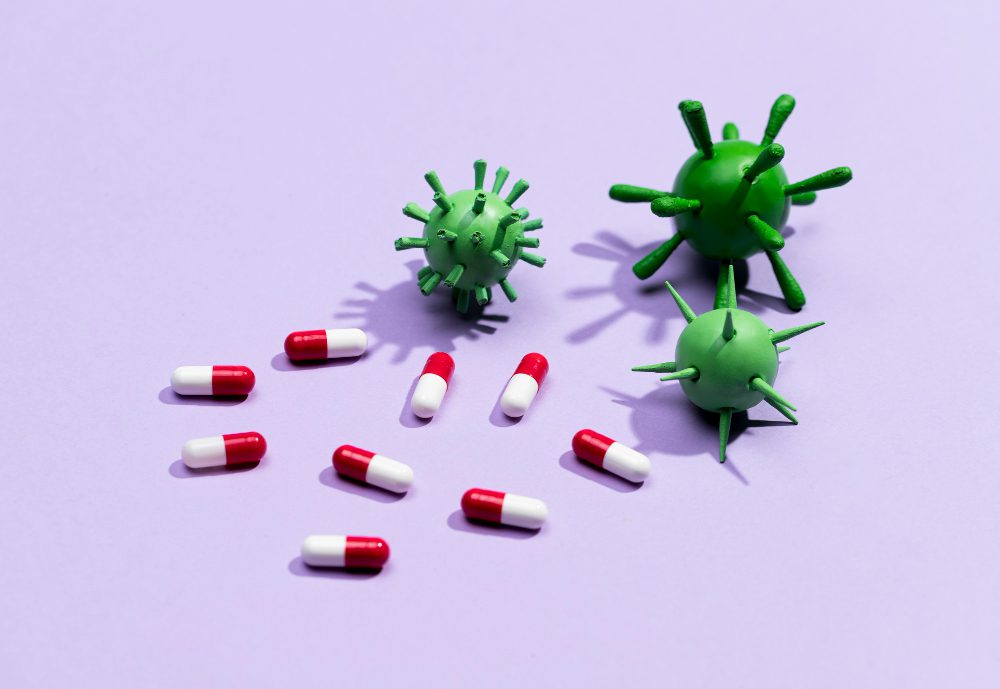
Pharmacokinetics, often abbreviated as PK, is the study of how the body affects a drug. It describes the movement of the drug into, through, and out of the body. Essentially, PK answers the question, "What does the body do to the drug?" For antiviral medications, understanding their PK profile is paramount to ensuring that therapeutic concentrations are maintained at the site of viral replication while minimizing systemic exposure to reduce toxicity. This field is crucial for predicting and optimizing antiviral drug behavior in diverse patient populations. NanoSchool's curriculum on Antiviral Drug Development provides in-depth knowledge of these processes, essential for any professional in the field of Deep Science Courses.
हिन्दी में: फार्माकोकाइनेटिक्स, जिसे अक्सर पीके के रूप में संक्षिप्त किया जाता है, इस बात का अध्ययन है कि शरीर एक दवा को कैसे प्रभावित करता है। यह शरीर में, उसके माध्यम से और उससे बाहर दवा की गति का वर्णन करता है। संक्षेप में, पीके इस प्रश्न का उत्तर देता है, "शरीर दवा के साथ क्या करता है?" एंटीवायरल दवाओं के लिए, उनके पीके प्रोफ़ाइल को समझना यह सुनिश्चित करने के लिए सर्वोपरि है कि वायरल प्रतिकृति के स्थल पर चिकित्सीय सांद्रता बनी रहे जबकि विषाक्तता को कम करने के लिए प्रणालीगत जोखिम को कम किया जा सके। यह क्षेत्र विविध रोगी आबादी में एंटीवायरल दवा व्यवहार की भविष्यवाणी और अनुकूलन के लिए महत्वपूर्ण है। एंटीवायरल ड्रग डेवलपमेंट पर नैनोस्कूल का पाठ्यक्रम इन प्रक्रियाओं का गहन ज्ञान प्रदान करता है, जो डीप साइंस कोर्सेज के क्षेत्र में किसी भी पेशेवर के लिए आवश्यक है।
The first step in a drug's journey is absorption, which refers to the process by which the drug moves from its site of administration into the bloodstream. For most antiviral drugs, this occurs orally, meaning the drug is taken by mouth and absorbed through the gastrointestinal tract. Factors influencing absorption include the drug's solubility, chemical stability in the acidic environment of the stomach, and its ability to cross cell membranes. Poor absorption can lead to insufficient drug levels, rendering the treatment ineffective. Conversely, rapid and complete absorption is desirable for achieving quick therapeutic effects. Understanding the mechanisms of absorption is vital for designing effective antiviral formulations and predicting their bioavailability, a key aspect taught in NanoSchool's Deep Science Technology programs.
हिन्दी में: दवा की यात्रा में पहला कदम अवशोषण है, जो उस प्रक्रिया को संदर्भित करता है जिसके द्वारा दवा प्रशासन के स्थल से रक्तप्रवाह में चली जाती है। अधिकांश एंटीवायरल दवाओं के लिए, यह मौखिक रूप से होता है, जिसका अर्थ है कि दवा मुंह से ली जाती है और गैस्ट्रोइंटेस्टाइनल ट्रैक्ट के माध्यम से अवशोषित होती है। अवशोषण को प्रभावित करने वाले कारकों में दवा की घुलनशीलता, पेट के अम्लीय वातावरण में रासायनिक स्थिरता, और कोशिका झिल्ली को पार करने की उसकी क्षमता शामिल है। खराब अवशोषण से दवा का स्तर अपर्याप्त हो सकता है, जिससे उपचार अप्रभावी हो जाता है। इसके विपरीत, त्वरित चिकित्सीय प्रभाव प्राप्त करने के लिए तेजी से और पूर्ण अवशोषण वांछनीय है। प्रभावी एंटीवायरल फॉर्मूलेशन डिजाइन करने और उनकी जैव उपलब्धता की भविष्यवाणी करने के लिए अवशोषण के तंत्र को समझना महत्वपूर्ण है, जो नैनोस्कूल के डीप साइंस टेक्नोलॉजी कार्यक्रमों में सिखाया जाने वाला एक प्रमुख पहलू है।
Once absorbed, the drug undergoes distribution, which is its reversible transfer from the bloodstream into the interstitial and intracellular fluids of tissues. The extent and rate of distribution depend on several factors, including blood flow to tissues, drug's lipid solubility, molecular size, and binding to plasma proteins. For antivirals, effective distribution to the specific tissues or cells where the virus replicates (e.g., liver for hepatitis C, lymphocytes for HIV) is crucial. If an antiviral drug does not reach the target site in sufficient concentrations, its efficacy will be compromised, regardless of its potency in vitro. This phase significantly impacts the overall antiviral drug behavior within the body.
हिन्दी में: एक बार अवशोषित होने के बाद, दवा का वितरण होता है, जो रक्तप्रवाह से ऊतकों के अंतरालीय और अंतःकोशिकीय तरल पदार्थों में इसका प्रतिवर्ती स्थानांतरण है। वितरण की सीमा और दर कई कारकों पर निर्भर करती है, जिसमें ऊतकों में रक्त प्रवाह, दवा की लिपिड घुलनशीलता, आणविक आकार और प्लाज्मा प्रोटीन से बंधन शामिल हैं। एंटीवायरल के लिए, उन विशिष्ट ऊतकों या कोशिकाओं तक प्रभावी वितरण जहां वायरस प्रतिकृति करता है (जैसे, हेपेटाइटिस सी के लिए यकृत, एचआईवी के लिए लिम्फोसाइट्स) महत्वपूर्ण है। यदि एक एंटीवायरल दवा पर्याप्त सांद्रता में लक्ष्य स्थल तक नहीं पहुंचती है, तो इसकी प्रभावकारिता से समझौता होगा, भले ही इसकी इन विट्रो शक्ति कुछ भी हो। यह चरण शरीर के भीतर समग्र एंटीवायरल दवा व्यवहार को महत्वपूर्ण रूप से प्रभावित करता है।
Metabolism, also known as biotransformation, is the process by which the body chemically alters drugs, primarily in the liver, to facilitate their elimination. This often involves converting lipid-soluble drugs into more water-soluble metabolites, which can then be more easily excreted. While metabolism typically inactivates drugs, some antivirals are administered as prodrugs, which are inactive forms that become active only after metabolism (e.g., tenofovir disoproxil fumarate). Genetic variations in metabolic enzymes can significantly affect an individual's response to antiviral therapy, leading to either toxicity or treatment failure. Understanding these metabolic pathways is a cornerstone of advanced pharmacokinetics studies offered through Deep Science Courses.
हिन्दी में: चयापचय, जिसे बायोट्रांसफॉर्मेशन के रूप में भी जाना जाता है, वह प्रक्रिया है जिसके द्वारा शरीर मुख्य रूप से यकृत में दवाओं को रासायनिक रूप से बदलता है, ताकि उनके उन्मूलन को सुविधाजनक बनाया जा सके। इसमें अक्सर लिपिड-घुलनशील दवाओं को अधिक पानी में घुलनशील मेटाबोलाइट्स में परिवर्तित करना शामिल होता है, जिन्हें बाद में अधिक आसानी से उत्सर्जित किया जा सकता है। जबकि चयापचय आमतौर पर दवाओं को निष्क्रिय करता है, कुछ एंटीवायरल को प्रोड्रग के रूप में प्रशासित किया जाता है, जो निष्क्रिय रूप होते हैं जो चयापचय के बाद ही सक्रिय होते हैं (जैसे, टेनोफोविर डिसोप्रोक्सिल फ्यूमरेट)। चयापचय एंजाइमों में आनुवंशिक भिन्नता एंटीवायरल थेरेपी के प्रति व्यक्ति की प्रतिक्रिया को महत्वपूर्ण रूप से प्रभावित कर सकती है, जिससे या तो विषाक्तता या उपचार विफलता हो सकती है। इन चयापचय मार्गों को समझना डीप साइंस कोर्सेज के माध्यम से पेश किए जाने वाले उन्नत फार्माकोकाइनेटिक्स अध्ययनों का एक आधारशिला है।
Finally, excretion is the process by which drugs and their metabolites are eliminated from the body. The kidneys are the primary organs of excretion, removing water-soluble compounds via urine. Other routes include bile (leading to fecal excretion), sweat, breath, and breast milk. Renal impairment can significantly prolong the half-life of renally excreted antivirals, necessitating dose adjustments to prevent accumulation and toxicity. Understanding the primary route of excretion for each antiviral is critical for safe and effective dosing, particularly in patients with organ dysfunction. This aspect of antiviral drug behavior is meticulously covered in NanoSchool's specialized programs, empowering students with comprehensive knowledge in Deep Science Technology.
हिन्दी में: अंत में, उत्सर्जन वह प्रक्रिया है जिसके द्वारा दवाएं और उनके मेटाबोलाइट्स शरीर से समाप्त हो जाते हैं। गुर्दे उत्सर्जन के प्राथमिक अंग हैं, जो मूत्र के माध्यम से पानी में घुलनशील यौगिकों को हटाते हैं। अन्य मार्गों में पित्त (मल उत्सर्जन की ओर ले जाने वाला), पसीना, सांस और स्तन का दूध शामिल हैं। गुर्दे की शिथिलता गुर्दे से उत्सर्जित एंटीवायरल के आधे जीवन को काफी बढ़ा सकती है, जिससे संचय और विषाक्तता को रोकने के लिए खुराक समायोजन की आवश्यकता होती है। प्रत्येक एंटीवायरल के लिए उत्सर्जन के प्राथमिक मार्ग को समझना सुरक्षित और प्रभावी खुराक के लिए महत्वपूर्ण है, विशेष रूप से अंग शिथिलता वाले रोगियों में। एंटीवायरल दवा व्यवहार का यह पहलू नैनोस्कूल के विशेष कार्यक्रमों में सावधानीपूर्वक शामिल किया गया है, जो छात्रों को डीप साइंस टेक्नोलॉजी में व्यापक ज्ञान के साथ सशक्त बनाता है।
While pharmacokinetics describes what the body does to the drug, pharmacodynamics (PD) describes what the drug does to the body. It focuses on the biochemical and physiological effects of drugs and their mechanisms of action. For antivirals, PD involves understanding how the drug interacts with viral targets (e.g., viral enzymes like reverse transcriptase or protease) or host cell processes to inhibit viral replication. Key PD parameters include the minimum inhibitory concentration (MIC) or effective concentration 50 (EC50), which represent the drug concentration required to achieve a certain level of antiviral activity. A thorough grasp of PD is essential for predicting the clinical efficacy of an antiviral and for designing optimal treatment strategies. NanoSchool's Deep Science Courses provide a robust foundation in these critical aspects of pharmacology.
हिन्दी में: जबकि फार्माकोकाइनेटिक्स यह वर्णन करता है कि शरीर दवा के साथ क्या करता है, फार्माकोडायनामिक्स (पीडी) यह वर्णन करता है कि दवा शरीर के साथ क्या करती है। यह दवाओं के जैव रासायनिक और शारीरिक प्रभावों और उनकी क्रिया के तंत्र पर केंद्रित है। एंटीवायरल के लिए, पीडी में यह समझना शामिल है कि दवा वायरल लक्ष्यों (जैसे, रिवर्स ट्रांसक्रिपटेस या प्रोटीज जैसे वायरल एंजाइम) या मेजबान कोशिका प्रक्रियाओं के साथ वायरल प्रतिकृति को रोकने के लिए कैसे बातचीत करती है। प्रमुख पीडी मापदंडों में न्यूनतम निरोधात्मक एकाग्रता (एमआईसी) या प्रभावी एकाग्रता 50 (ईसी50) शामिल हैं, जो एंटीवायरल गतिविधि के एक निश्चित स्तर को प्राप्त करने के लिए आवश्यक दवा एकाग्रता का प्रतिनिधित्व करते हैं। पीडी की गहन समझ एक एंटीवायरल की नैदानिक प्रभावकारिता की भविष्यवाणी करने और इष्टतम उपचार रणनीतियों को डिजाइन करने के लिए आवश्यक है। नैनोस्कूल के डीप साइंस कोर्सेज फार्माकोलॉजी के इन महत्वपूर्ण पहलुओं में एक मजबूत आधार प्रदान करते हैं।
Antiviral drugs exert their effects by interfering with specific stages of the viral life cycle or by modulating the host's immune response. For instance, nucleoside/nucleotide analogs mimic viral building blocks, leading to chain termination during viral DNA/RNA synthesis. Protease inhibitors block the processing of viral proteins, preventing the assembly of new viral particles. Each antiviral has a unique mechanism, and understanding this is central to pharmacodynamics. The selectivity of these drugs for viral targets over host targets is what minimizes side effects. However, viruses can develop resistance by mutating their target proteins, highlighting the dynamic interplay between the drug and the virus – a complex area explored in NanoSchool's Deep Science Technology programs.
हिन्दी में: एंटीवायरल दवाएं वायरल जीवन चक्र के विशिष्ट चरणों में हस्तक्षेप करके या मेजबान की प्रतिरक्षा प्रतिक्रिया को संशोधित करके अपने प्रभाव डालती हैं। उदाहरण के लिए, न्यूक्लियोसाइड/न्यूक्लियोटाइड एनालॉग्स वायरल बिल्डिंग ब्लॉक्स की नकल करते हैं, जिससे वायरल डीएनए/आरएनए संश्लेषण के दौरान श्रृंखला समाप्ति होती है। प्रोटीज अवरोधक वायरल प्रोटीन के प्रसंस्करण को रोकते हैं, जिससे नए वायरल कणों के संयोजन को रोका जा सकता है। प्रत्येक एंटीवायरल का एक अनूठा तंत्र होता है, और इसे समझना फार्माकोडायनामिक्स के लिए केंद्रीय है। मेजबान लक्ष्यों पर वायरल लक्ष्यों के लिए इन दवाओं की चयनात्मकता ही दुष्प्रभावों को कम करती है। हालांकि, वायरस अपने लक्ष्य प्रोटीन को उत्परिवर्तित करके प्रतिरोध विकसित कर सकते हैं, जो दवा और वायरस के बीच गतिशील परस्पर क्रिया को उजागर करता है - नैनोस्कूल के डीप साइंस टेक्नोलॉजी कार्यक्रमों में खोजा गया एक जटिल क्षेत्र।
A critical aspect of pharmacodynamics is the dose-response relationship, which describes how the magnitude of a drug's effect changes with its concentration. For antivirals, there's often a minimum effective concentration (MEC) below which the drug is ineffective, and a maximum tolerated concentration (MTC) above which toxicity becomes unacceptable. The range between MEC and MTC is known as the therapeutic window or therapeutic index. Maintaining drug concentrations within this window is crucial for maximizing efficacy and minimizing adverse events. This delicate balance is a core consideration in designing dosing regimens and is a key focus of advanced Deep Science Courses in pharmacology.
हिन्दी में: फार्माकोडायनामिक्स का एक महत्वपूर्ण पहलू खुराक-प्रतिक्रिया संबंध है, जो वर्णन करता है कि दवा के प्रभाव का परिमाण इसकी एकाग्रता के साथ कैसे बदलता है। एंटीवायरल के लिए, अक्सर एक न्यूनतम प्रभावी एकाग्रता (एमईसी) होती है जिसके नीचे दवा अप्रभावी होती है, और एक अधिकतम सहनशील एकाग्रता (एमटीसी) जिसके ऊपर विषाक्तता अस्वीकार्य हो जाती है। एमईसी और एमटीसी के बीच की सीमा को चिकित्सीय विंडो या चिकित्सीय सूचकांक के रूप में जाना जाता है। प्रभावकारिता को अधिकतम करने और प्रतिकूल घटनाओं को कम करने के लिए इस विंडो के भीतर दवा सांद्रता बनाए रखना महत्वपूर्ण है। यह नाजुक संतुलन खुराक के नियमों को डिजाइन करने में एक मुख्य विचार है और फार्माकोलॉजी में उन्नत डीप साइंस कोर्सेज का एक प्रमुख फोकस है।
The true power in antiviral therapy lies in the integration of pharmacokinetics and pharmacodynamics. This PK/PD approach allows clinicians and researchers to understand not just how much drug is in the body (PK) but also what that concentration means in terms of antiviral effect (PD). For example, a drug might have excellent in vitro potency (PD), but if it's poorly absorbed or rapidly metabolized (PK), it may never reach therapeutic concentrations at the site of infection. Conversely, a drug with moderate potency might be highly effective if its PK profile allows for sustained high concentrations at the target. This integrated understanding is vital for developing new drugs, optimizing existing ones, and personalizing treatment for individual patients, especially considering the complex antiviral drug behavior in different physiological states. NanoSchool's comprehensive programs emphasize this holistic perspective, preparing future leaders in Deep Science Technology.
हिन्दी में: एंटीवायरल थेरेपी में सच्ची शक्ति फार्माकोकाइनेटिक्स और फार्माकोडायनामिक्स के एकीकरण में निहित है। यह पीके/पीडी दृष्टिकोण चिकित्सकों और शोधकर्ताओं को यह समझने की अनुमति देता है कि शरीर में कितनी दवा है (पीके) बल्कि यह भी कि वह एकाग्रता एंटीवायरल प्रभाव (पीडी) के संदर्भ में क्या मायने रखती है। उदाहरण के लिए, एक दवा में उत्कृष्ट इन विट्रो शक्ति (पीडी) हो सकती है, लेकिन यदि यह खराब अवशोषित होती है या तेजी से चयापचय होती है (पीके), तो यह संक्रमण के स्थल पर चिकित्सीय सांद्रता तक कभी नहीं पहुंच सकती है। इसके विपरीत, मध्यम शक्ति वाली दवा अत्यधिक प्रभावी हो सकती है यदि इसकी पीके प्रोफ़ाइल लक्ष्य पर निरंतर उच्च सांद्रता की अनुमति देती है। यह एकीकृत समझ नई दवाओं को विकसित करने, मौजूदा दवाओं को अनुकूलित करने और व्यक्तिगत रोगियों के लिए उपचार को वैयक्तिकृत करने के लिए महत्वपूर्ण है, विशेष रूप से विभिन्न शारीरिक अवस्थाओं में जटिल एंटीवायरल दवा व्यवहार को ध्यान में रखते हुए। नैनोस्कूल के व्यापक कार्यक्रम इस समग्र दृष्टिकोण पर जोर देते हैं, जो डीप साइंस टेक्नोलॉजी में भविष्य के नेताओं को तैयार करते हैं।
Despite significant advancements, challenges persist in antiviral PK/PD. These include managing drug-drug interactions, which can alter the absorption, metabolism, or excretion of co-administered drugs. Viral resistance is another major concern; viruses can mutate, leading to reduced drug susceptibility, which necessitates higher drug concentrations to achieve the same antiviral effect, pushing the limits of the therapeutic window. Special patient populations, such as those with renal or hepatic impairment, pregnant women, or pediatric patients, often require individualized dosing regimens due to altered PK profiles. Furthermore, achieving effective drug concentrations in specific anatomical compartments, like the central nervous system for neurotropic viruses, remains a significant hurdle. Addressing these challenges requires continuous research and a deep understanding of pharmacokinetics and pharmacodynamics, areas where NanoSchool excels in its Deep Science Courses.
हिन्दी में: महत्वपूर्ण प्रगति के बावजूद, एंटीवायरल पीके/पीडी में चुनौतियाँ बनी हुई हैं। इनमें दवा-दवा इंटरैक्शन का प्रबंधन शामिल है, जो सह-प्रशासित दवाओं के अवशोषण, चयापचय, या उत्सर्जन को बदल सकता है। वायरल प्रतिरोध एक और बड़ी चिंता है; वायरस उत्परिवर्तित हो सकते हैं, जिससे दवा संवेदनशीलता कम हो जाती है, जिसके लिए समान एंटीवायरल प्रभाव प्राप्त करने के लिए उच्च दवा सांद्रता की आवश्यकता होती है, जो चिकित्सीय विंडो की सीमाओं को आगे बढ़ाती है। विशेष रोगी आबादी, जैसे कि गुर्दे या यकृत हानि वाले, गर्भवती महिलाएं, या बाल चिकित्सा रोगी, अक्सर परिवर्तित पीके प्रोफाइल के कारण व्यक्तिगत खुराक के नियमों की आवश्यकता होती है। इसके अलावा, न्यूरोट्रोपिक वायरस के लिए केंद्रीय तंत्रिका तंत्र जैसे विशिष्ट शारीरिक डिब्बों में प्रभावी दवा सांद्रता प्राप्त करना एक महत्वपूर्ण बाधा बनी हुई है। इन चुनौतियों का समाधान करने के लिए निरंतर अनुसंधान और फार्माकोकाइनेटिक्स और फार्माकोडायनामिक्स की गहरी समझ की आवश्यकता है, ऐसे क्षेत्र जहां नैनोस्कूल अपने डीप साइंस कोर्सेज में उत्कृष्ट है।
The future of antiviral PK/PD research is focused on personalized medicine, leveraging genomic information to predict individual drug responses. Advances in computational modeling and simulation are allowing for more accurate predictions of antiviral drug behavior, reducing the need for extensive clinical trials. The development of novel drug delivery systems, such as nanoparticles, aims to improve drug targeting, enhance absorption, and reduce systemic toxicity, thereby optimizing PK profiles. Furthermore, research into combination therapies is crucial, as multiple drugs with different PK/PD profiles can offer synergistic effects and combat resistance more effectively. These cutting-edge advancements are at the heart of NanoSchool's commitment to fostering innovation in Deep Science Technology and its specialized Deep Science Courses in biotechnology.
हिन्दी में: एंटीवायरल पीके/पीडी अनुसंधान का भविष्य व्यक्तिगत चिकित्सा पर केंद्रित है, जो व्यक्तिगत दवा प्रतिक्रियाओं की भविष्यवाणी करने के लिए जीनोमिक जानकारी का लाभ उठा रहा है। कम्प्यूटेशनल मॉडलिंग और सिमुलेशन में प्रगति एंटीवायरल दवा व्यवहार की अधिक सटीक भविष्यवाणियों की अनुमति दे रही है, जिससे व्यापक नैदानिक परीक्षणों की आवश्यकता कम हो गई है। नैनोकणों जैसे उपन्यास दवा वितरण प्रणालियों का विकास दवा लक्ष्यीकरण में सुधार, अवशोषण को बढ़ाने और प्रणालीगत विषाक्तता को कम करने का लक्ष्य रखता है, जिससे पीके प्रोफाइल को अनुकूलित किया जा सके। इसके अलावा, संयोजन उपचारों में अनुसंधान महत्वपूर्ण है, क्योंकि विभिन्न पीके/पीडी प्रोफाइल वाली कई दवाएं सहक्रियात्मक प्रभाव प्रदान कर सकती हैं और प्रतिरोध से अधिक प्रभावी ढंग से लड़ सकती हैं। ये अत्याधुनिक प्रगति डीप साइंस टेक्नोलॉजी और जैव प्रौद्योगिकी में अपने विशेष डीप साइंस कोर्सेज में नवाचार को बढ़ावा देने के लिए नैनोस्कूल की प्रतिबद्धता के केंद्र में हैं।
The journey of an antiviral drug from its formulation to its therapeutic effect within the human body is a complex one, intricately governed by the principles of pharmacokinetics and pharmacodynamics. A profound understanding of how drugs are absorbed, distributed, metabolized, and excreted, coupled with knowledge of their precise mechanisms of action and dose-response relationships, is indispensable for developing safe and effective antiviral therapies. This integrated PK/PD approach is not merely academic; it translates directly into better clinical outcomes, reduced side effects, and a more robust defense against emerging viral threats. As the world continues to face new infectious challenges, the demand for experts proficient in these areas, capable of navigating the complexities of antiviral drug behavior, will only grow. NanoSchool is at the forefront of providing such specialized education, offering cutting-edge Deep Science Courses that equip students and professionals with the knowledge and skills to drive innovation in Deep Science Technology and contribute meaningfully to global health. Join NanoSchool to master these essential concepts and shape the future of antiviral medicine.
हिन्दी में: एक एंटीवायरल दवा की उसके निर्माण से लेकर मानव शरीर के भीतर उसके चिकित्सीय प्रभाव तक की यात्रा एक जटिल है, जो फार्माकोकाइनेटिक्स और फार्माकोडायनामिक्स के सिद्धांतों द्वारा जटिल रूप से नियंत्रित होती है। दवाओं को कैसे अवशोषित किया जाता है, वितरित किया जाता है, चयापचय किया जाता है, और उत्सर्जित किया जाता है, इसकी गहरी समझ, उनकी क्रिया के सटीक तंत्र और खुराक-प्रतिक्रिया संबंधों के साथ, सुरक्षित और प्रभावी एंटीवायरल उपचार विकसित करने के लिए अनिवार्य है। यह एकीकृत पीके/पीडी दृष्टिकोण केवल अकादमिक नहीं है; यह सीधे बेहतर नैदानिक परिणामों, कम दुष्प्रभावों और उभरते वायरल खतरों के खिलाफ एक अधिक मजबूत रक्षा में अनुवाद करता है। जैसा कि दुनिया नए संक्रामक चुनौतियों का सामना करना जारी रखती है, इन क्षेत्रों में कुशल विशेषज्ञों की मांग, एंटीवायरल दवा व्यवहार की जटिलताओं को नेविगेट करने में सक्षम, केवल बढ़ेगी। नैनोस्कूल ऐसी विशेष शिक्षा प्रदान करने में सबसे आगे है, जो अत्याधुनिक डीप साइंस कोर्सेज प्रदान करता है जो छात्रों और पेशेवरों को डीप साइंस टेक्नोलॉजी में नवाचार चलाने और वैश्विक स्वास्थ्य में सार्थक योगदान देने के लिए ज्ञान और कौशल से लैस करता है। इन आवश्यक अवधारणाओं में महारत हासिल करने और एंटीवायरल दवा के भविष्य को आकार देने के लिए नैनोस्कूल से जुड़ें।
Pharmacokinetics describes what the body does to a drug, including how it's absorbed, distributed, metabolized, and excreted. It's about the drug's journey through the body.
हिन्दी में: फार्माकोकाइनेटिक्स वर्णन करता है कि शरीर एक दवा के साथ क्या करता है, जिसमें यह कैसे अवशोषित होती है, वितरित होती है, चयापचय होती है और उत्सर्जित होती है। यह शरीर के माध्यम से दवा की यात्रा के बारे में है।
Pharmacodynamics describes what the drug does to the body, specifically how antiviral drugs interact with viral targets or host cells to inhibit viral replication and produce a therapeutic effect.
हिन्दी में: फार्माकोडायनामिक्स वर्णन करता है कि दवा शरीर के साथ क्या करती है, विशेष रूप से एंटीवायरल दवाएं वायरल लक्ष्यों या मेजबान कोशिकाओं के साथ कैसे बातचीत करती हैं ताकि वायरल प्रतिकृति को रोक सकें और चिकित्सीय प्रभाव उत्पन्न कर सकें।
Understanding both PK and PD is crucial because it allows for optimal dosing, minimizes side effects, prevents drug resistance, and ensures that the drug reaches the site of infection in sufficient concentrations to be effective. It provides a holistic view of antiviral drug behavior.
हिन्दी में: पीके और पीडी दोनों को समझना महत्वपूर्ण है क्योंकि यह इष्टतम खुराक की अनुमति देता है, दुष्प्रभावों को कम करता है, दवा प्रतिरोध को रोकता है, और यह सुनिश्चित करता है कि दवा संक्रमण के स्थल पर पर्याप्त सांद्रता में प्रभावी होने के लिए पहुंचती है। यह एंटीवायरल दवा व्यवहार का एक समग्र दृष्टिकोण प्रदान करता है।
NanoSchool's Deep Science Courses provide comprehensive, in-depth education on the principles of pharmacokinetics and pharmacodynamics, specifically tailored to antiviral drug development. They cover advanced topics like drug absorption, distribution, metabolism, excretion, and mechanisms of action, preparing students for careers in Deep Science Technology.
हिन्दी में: नैनोस्कूल के डीप साइंस कोर्सेज फार्माकोकाइनेटिक्स और फार्माकोडायनामिक्स के सिद्धांतों पर व्यापक, गहन शिक्षा प्रदान करते हैं, विशेष रूप से एंटीवायरल दवा विकास के लिए तैयार किए गए हैं। वे दवा अवशोषण, वितरण, चयापचय, उत्सर्जन और क्रिया के तंत्र जैसे उन्नत विषयों को कवर करते हैं, छात्रों को डीप साइंस टेक्नोलॉजी में करियर के लिए तैयार करते हैं।